TL;DR
- The East Java route: An East Java photography tour links Mount Bromo, Kawah Ijen, waterfalls, and cultural experiences across varied volcanic landscapes.
- Best for photographers: Changing terrain and light create opportunities for landscape, travel, and cultural photography.
- Planning reality: Long drives, early starts, and shifting weather make a carefully paced itinerary essential.
An East Java photography tour brings together some of Indonesia’s most striking photographic settings: Bromo’s volcanic sunrise, Ijen’s crater lake, and Tumpak Sewu’s forested cascades. We plan these journeys around light, access, and realistic travel times, so photographers can focus on making images rather than managing every transfer.
The route stands out for its visual variety. In a single journey, you can photograph volcanic topography, waterfalls, mountain villages, and living cultural traditions. Furthermore, each location calls for a different approach, from wide-angle compositions at dawn to protected equipment around spray and sulfurous air.
However, East Java is not a quick collection of nearby viewpoints. Distances, steep access, weather, and pre-dawn departures can shape what is practical each day. Thoughtful pacing matters as much as camera gear, especially on a long photography tour.
Panorama Lens Trip creates premium long-day tours and photography itineraries around Indonesia. Plan a smoother, expertly tailored photography journey.
What Is an East Java Photography Tour?
An East Java photography tour is a guided route combining volcanic landscapes, waterfalls, and cultural photography across Indonesia’s East Java. It links Mount Bromo’s dawn caldera, Kawah Ijen’s crater lake, and Tumpak Sewu’s forested cascades. Together, these locations offer varied subjects, changing light, and a rewarding regional journey.
At Panorama Lens Trip, we plan photography-focused days around light, access, travel time, and guest interests. This approach allows time for composition and meaningful experiences, rather than treating each location as a rushed checklist. Local guidance also helps travelers understand site conditions and respectful ways to photograph cultural moments.
The route suits photographers seeking dramatic landscapes and authentic regional detail. Bromo offers layered volcanic topography at sunrise, while Ijen presents a vivid crater lake and rugged terrain. Tumpak Sewu adds flowing water, rainforest textures, and challenging viewpoints. Cultural encounters can bring further variety when timing and local arrangements allow.
This article covers route choices, sunrise planning, Ijen conditions, waterfall photography, seasons, and practical gear. It also outlines itinerary considerations for international travelers planning premium, long-day experiences. Weather, volcanic activity, access rules, and local guidance can change conditions or require adjustments, so itineraries should remain flexible.
Why Is East Java One of Indonesia’s Best Photo Routes?
East Java offers one of Indonesia’s strongest photo routes because Mount Bromo’s caldera, Kawah Ijen’s crater lake, and Tumpak Sewu Waterfall provide distinct subjects within one region. An East Java photography tour can move from volcanic ridgelines to rainforest gorges, with changing topography, elevation, weather, and human activity shaping each frame.
Bromo’s broad volcanic basin invites wide-angle compositions, while Ijen’s turquoise lake and steep crater walls reward careful framing. At Tumpak Sewu, layered cascades create a strong sense of scale. Golden hour changes the light across these landscapes, and shifting cloud or mist can transform familiar viewpoints.
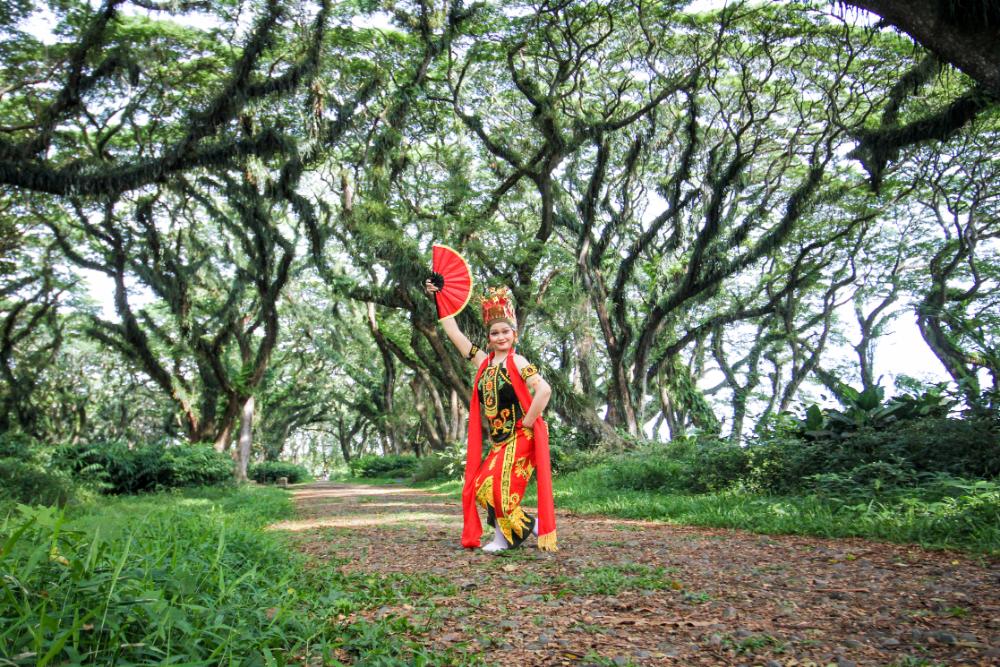
The route also supports travel and cultural photography, adding people, performances, and rural scenes to landscape work. Unlike a single-location trip, it offers varied subjects without requiring a flight between every major stop. Yet more locations do not automatically produce stronger images. Allowing meaningful time at each site often matters more than completing a packed checklist.
Changing conditions also shape practical choices: a longer focal length can isolate details, while a wide-angle lens can emphasize the scale of a caldera or waterfall. Flexible timing helps photographers respond to weather and light instead of treating every stop as a fixed shot.
How Can Photographers Plan Mount Bromo for Sunrise?
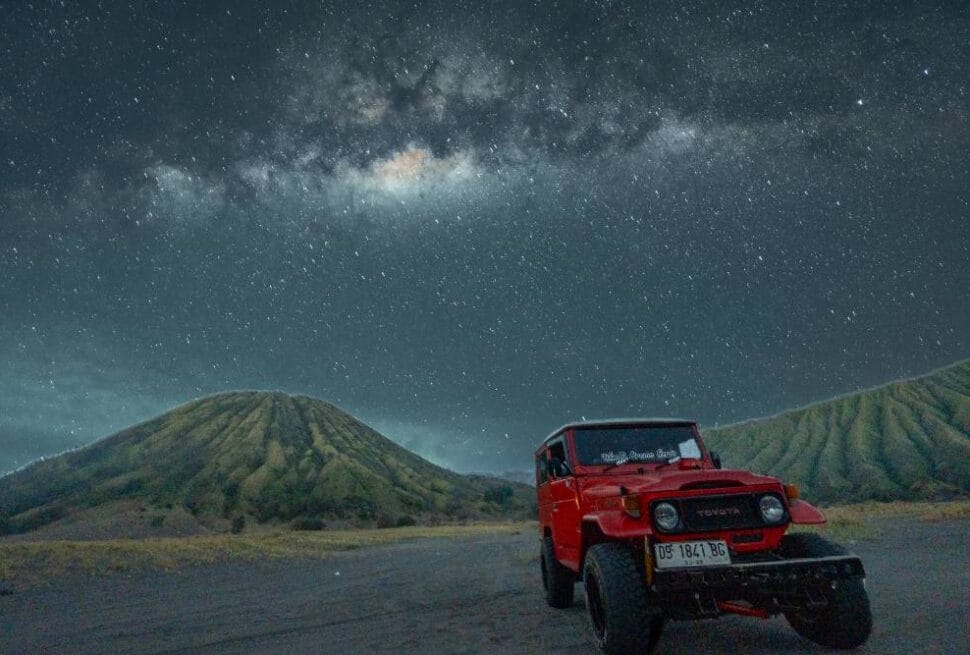
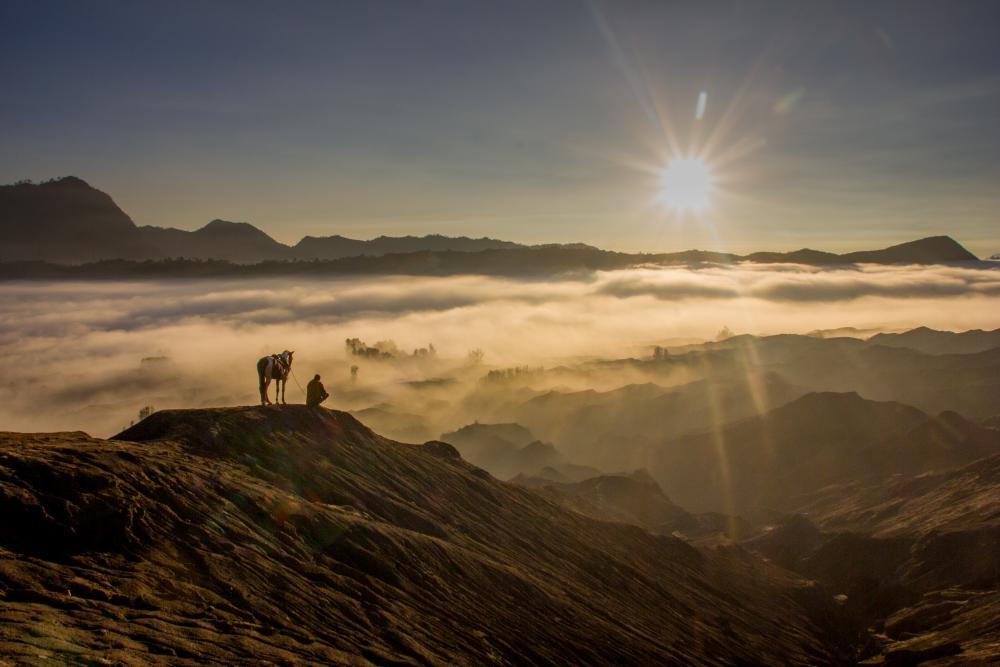
Mount Bromo’s strongest sunrise photographs pair the caldera, Mount Batok, and layered volcanic ridgelines. Arrive before first light to secure a safe viewpoint, set up calmly, and capture changing color before crowds gather. A sea of clouds can create dramatic depth, but weather and visibility vary.
Choose a viewpoint based on current access, road conditions, and your preferred composition. A wide-angle lens suits expansive scenes, while a telephoto lens compresses distant ridgelines. Horses can add scale near the caldera; photograph them respectfully and keep a considerate distance.
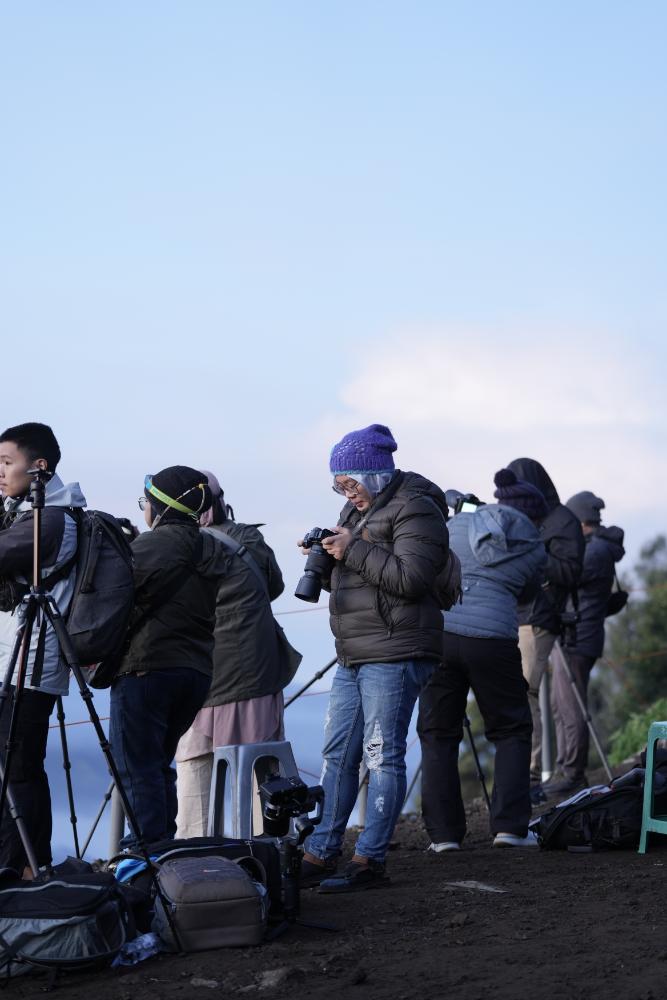
Use a stable tripod, especially for exposure bracketing across bright skies and shadowed terrain. Set white balance deliberately, then review highlights as dawn brightens. Fine volcanic dust and cold temperatures can affect equipment, so use a weather-resistant cover and keep spare batteries warm.
Sunrise is popular, but clear views and clouds are never guaranteed. Check current park rules and volcanic advisories before departure, and adjust plans when conditions change.
For a smooth, well-paced route with time for changing light and local conditions, plan a tailored Indonesia photography itinerary with Panorama Lens Trip.
What Should Photographers Know Before Shooting Kawah Ijen?
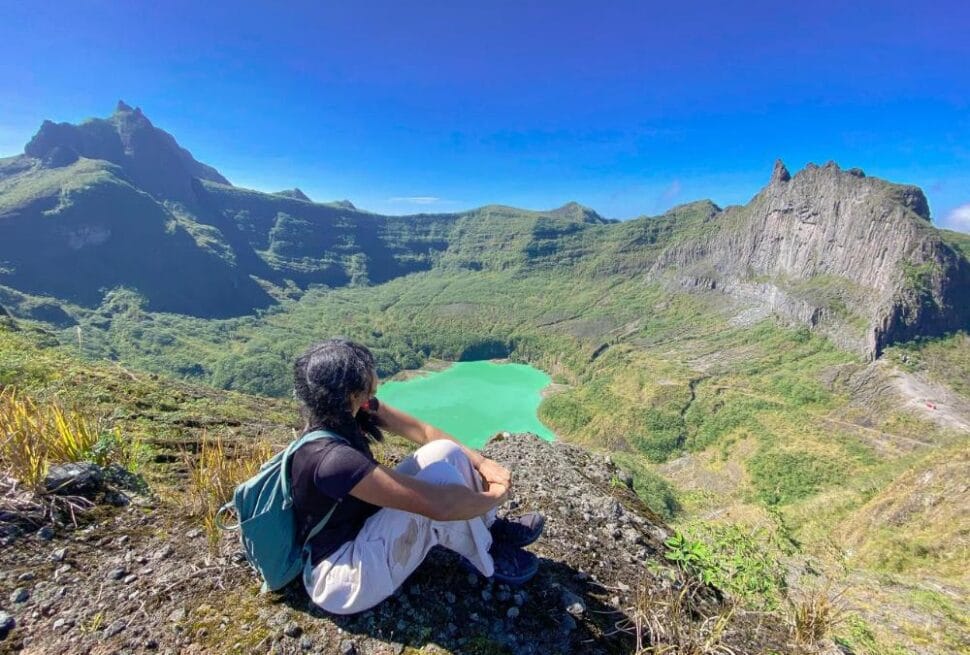
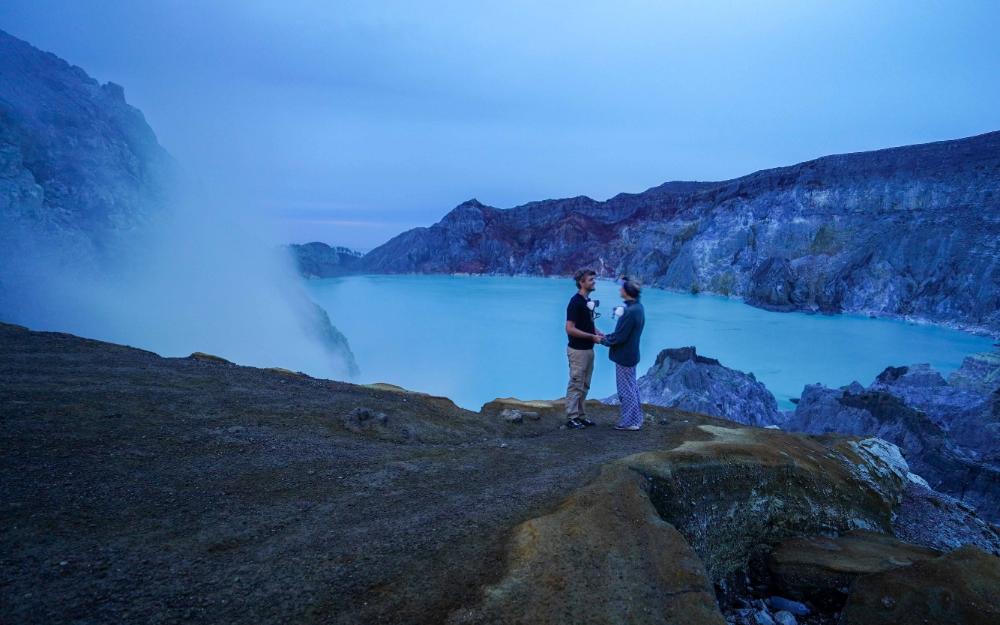
Kawah Ijen’s turquoise crater lake, steep volcanic terrain, and shifting steam create striking photographic opportunities. Reaching viewpoints often requires a demanding early start, so plan for darkness, uneven paths, and changing conditions. For an East Java photography tour, confirm current access rules and volcanic guidance before setting out.
From the crater rim, frame the lake with volcanic cliffs, rising steam, or a twisted foreground tree. A wide-angle lens captures the scale of the caldera, while a standard focal length helps isolate details and layered compositions. Sunrise can add color and shape, but haze and cloud may soften distant views.
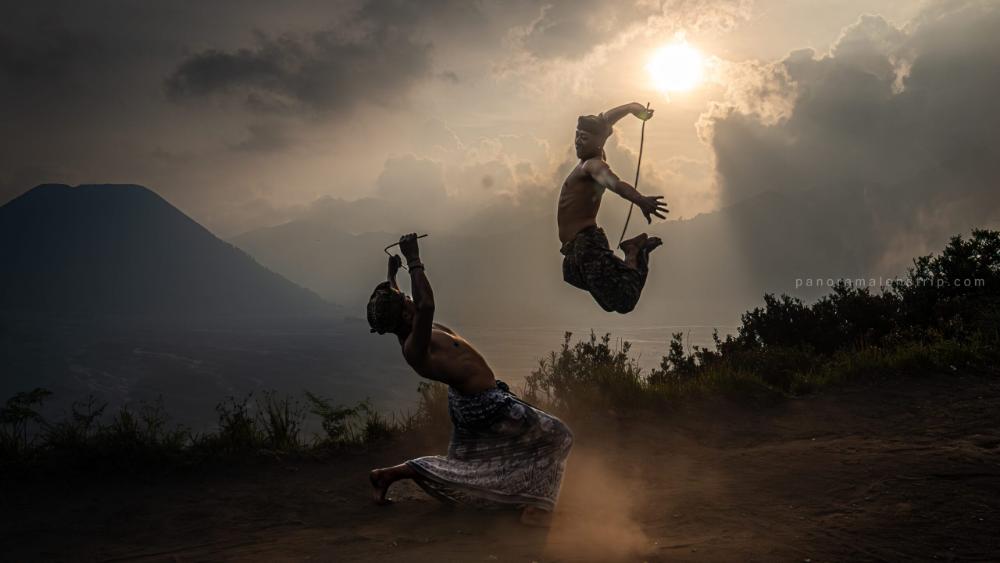
The blue-fire phenomenon is not guaranteed. Visibility, weather, access, volcanic conditions, and safety instructions all affect whether it can be seen. Follow local regulations and your guide’s direction; no photograph is worth entering a restricted or unsafe area. Check current guidance close to your travel date.
Changing light can challenge exposure, so review highlights and adjust carefully as dawn brightens the scene. Protect camera equipment from moisture and volcanic gases, and avoid lingering near sulfur fumes. Keep a respectful distance from sulfur miners. If a portrait or interaction seems appropriate, seek consent rather than treating people as part of the scenery.
How Can You Photograph Tumpak Sewu and East Java’s Waterfalls?
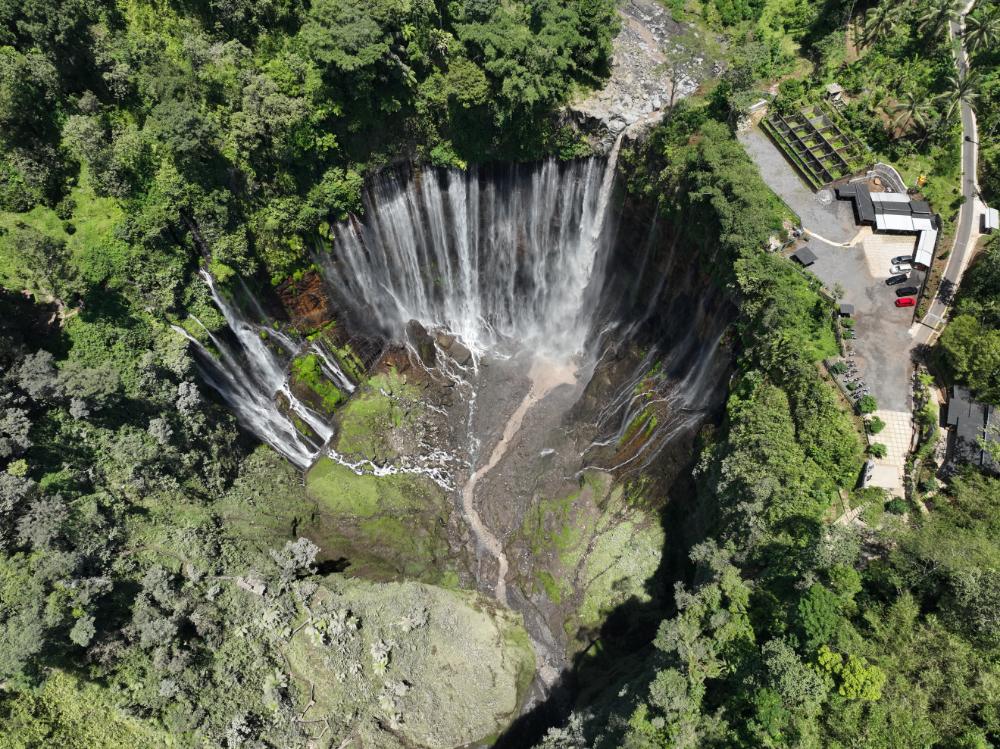
Tumpak Sewu is best known for its layered cascades, which descend into a steep, forested gorge in Lumajang. On an East Java photography tour, plan compositions around both rim viewpoints and lower trail access. Each position changes the waterfall’s scale, foreground, and sense of depth, while rain and water levels can alter visibility and route conditions.
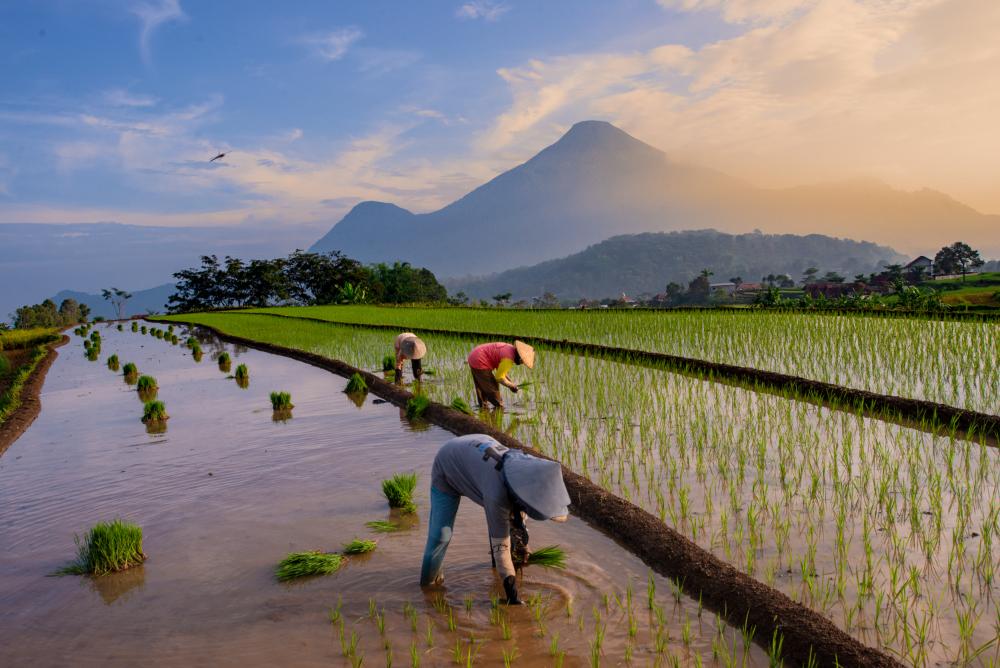
From the rim, a wide-angle lens can show the full arc of the falls and surrounding gorge. Lower viewpoints offer closer details, but reaching them may involve steep, wet trails. Check local access conditions before choosing a route, and allow time for careful movement.
Shutter speed shapes the water’s appearance. Faster exposures retain texture in individual streams, while slower exposures create a silky flow. Use a tripod only where the ground is stable and it does not obstruct other visitors. A polarizing filter can reduce glare on wet foliage and water when suitable.
Pack a rain cover and microfiber cloths to protect and clean equipment. Wear footwear with secure grip, and follow local safety advice. Avoid unstable edges, especially after rain.
Madakaripura offers a different composition: an enclosed, mist-filled gorge with water streaming down its walls. Brighter midday light can work well there, revealing detail in the shaded scene. Conditions still vary, so check access guidance before entering.
Where Can Travelers Photograph East Java’s Living Culture?
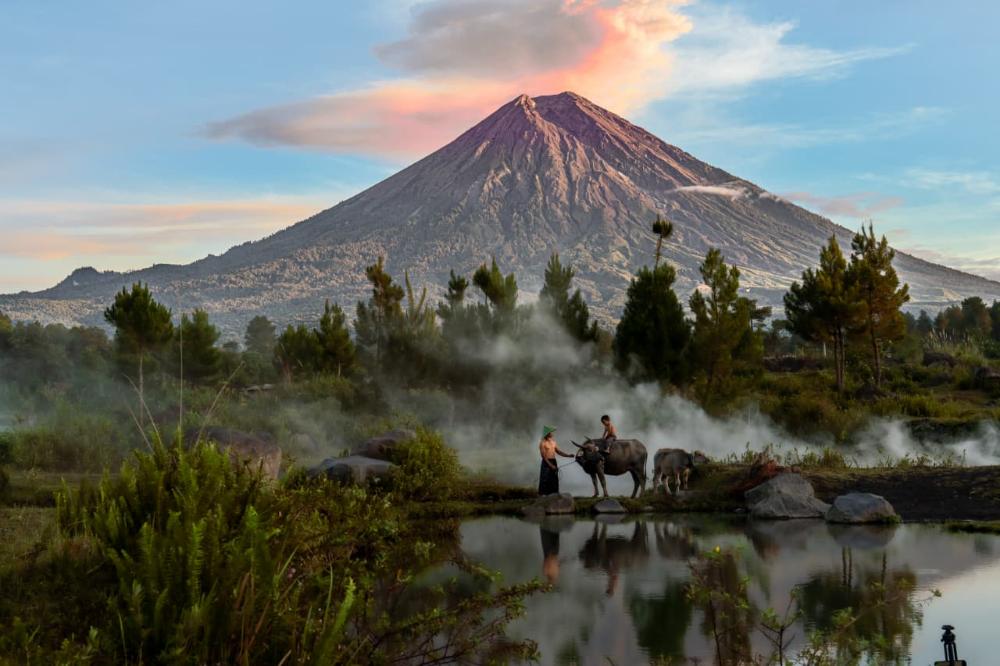
East Java’s living culture adds human stories to a photography route shaped by volcanoes and waterfalls. An East Java photography tour can include dance, festivals, and everyday scenes, each offering a distinct cultural context. These photographs work best when travelers approach people respectfully and understand the moment they are documenting.
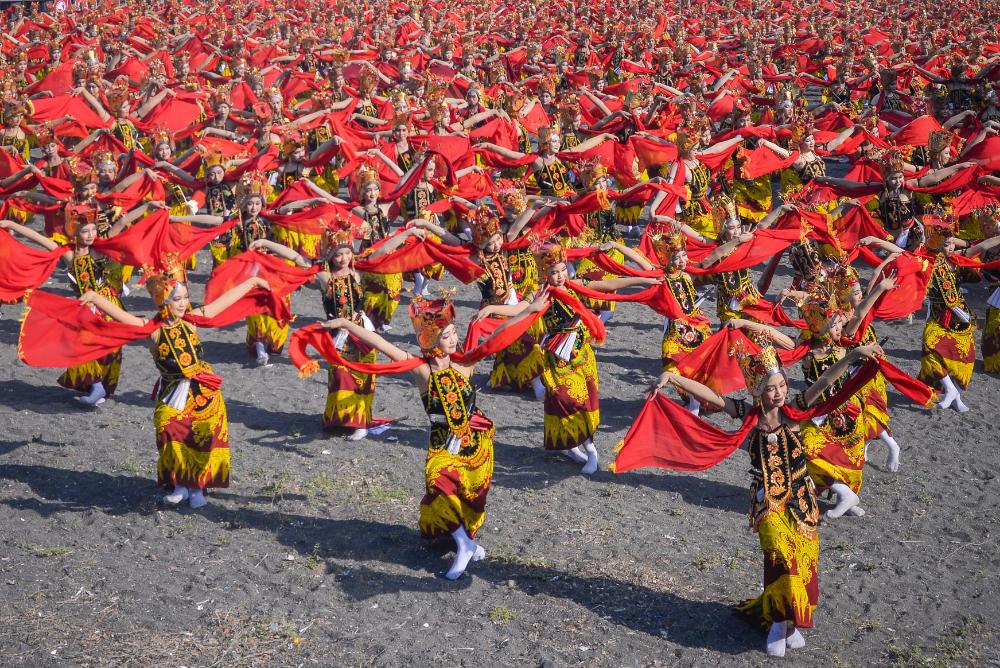
Gandrung in Banyuwangi, including the large Gandrung Sewu performance, is distinct from Malang’s masked Tari Topeng. Tengger-area Tari Ujung and Madura’s Karapan Sapi also have their own forms and local meaning.
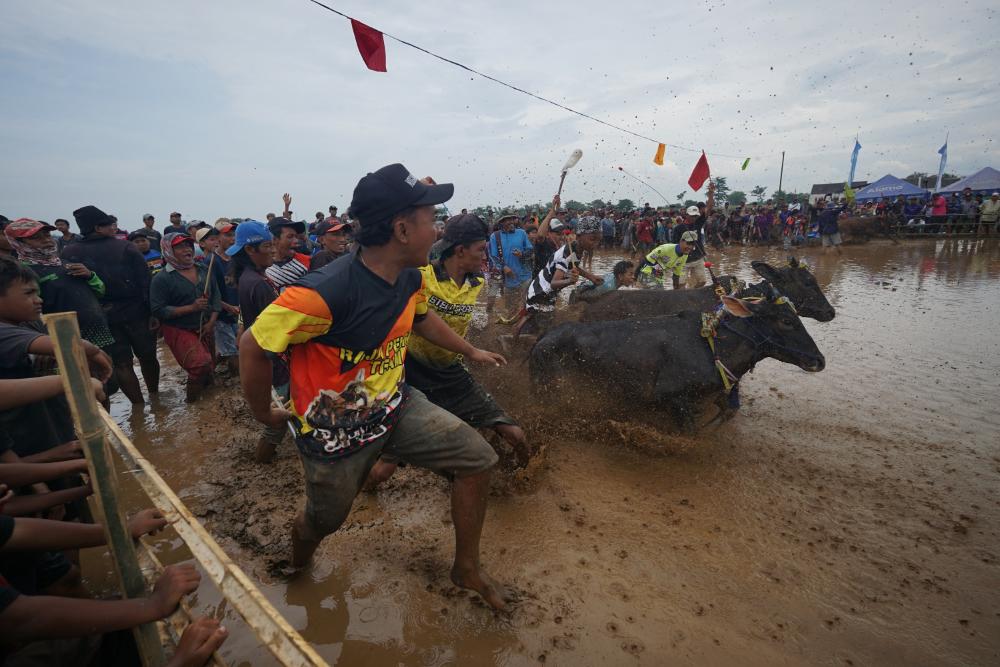
These traditions are not interchangeable performances. Event dates vary, so confirm schedules with local contacts. Cultural festivals are not guaranteed inclusions on a tour; ask about availability when planning.
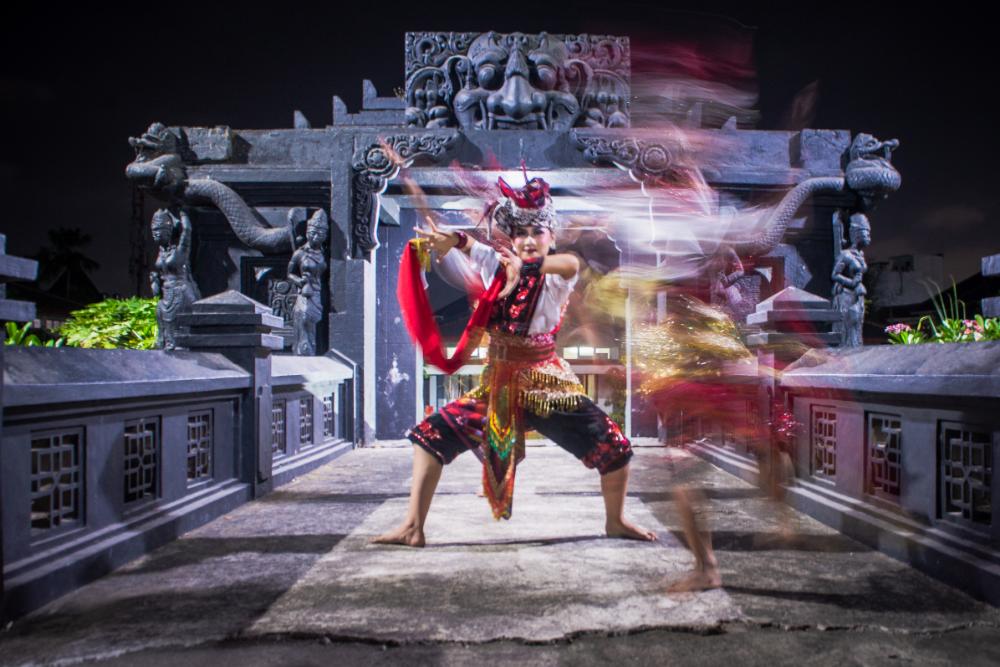
For close portraits, ask permission and follow event guidance. Frame people with care, rather than treating them as scenery. At dance or race events, a fast shutter speed can freeze movement, while continuous autofocus helps track performers. Leave space around subjects when the setting contributes to the story.
Build a richer Indonesia journey around landscapes and local culture.
When Should You Go, and What Photography Gear Should You Bring?
The best timing for an East Java photography tour depends on weather, site access, and your photographic priorities. The drier months, generally May to October, often bring clearer Bromo and Ijen viewpoints, but visibility changes daily. Wetter months can strengthen waterfall flow and greenery, while rain, cloud, and road conditions may limit access. Check local forecasts shortly before travel; no season guarantees a clear sunrise or crater view.
| Location | Ideal photographic conditions | Useful gear | Key limitation |
|---|---|---|---|
| Bromo | Clear dawn, layered mist | Wide-angle lens, tripod | Cloud and volcanic conditions vary |
| Ijen | Dark skies or clear crater views | Tripod, headlamp, lens cloth | Night access and visibility can change |
| Waterfalls | Strong flow with manageable light | Wide-angle lens, ND filter, rain cover | Slippery paths and spray |
Bring a reliable camera body, wide-angle and telephoto lenses, a sturdy tripod, spare batteries, and a headlamp. Neutral-density filters help smooth waterfall movement; graduated filters can balance bright skies. Pack lens cloths and rain protection for gear and yourself.
Premium equipment cannot replace safe access, patient timing, or a compelling composition. For night-shoot planning, see our Ijen Blue Fire Photography Tour: Night Shoot Guide.
Shape a comfortable, well-paced photography route across Indonesia.
How Can You Build a Practical East Java Photography Itinerary?
A workable East Java photography tour balances early starts, realistic transfers, recovery time, and changing light. A multi-day route can connect Tumpak Sewu, Mount Bromo, and Kawah Ijen without rushing every location into one long day. Road conditions, weather, site access, and volcanic advisories may change the schedule.
A flexible sequence might begin with Tumpak Sewu, continue to Bromo for sunrise, then travel east toward Ijen. Allow time for rest between demanding shoots and transfers. The Tumpak Sewu Photography Tour: Waterfall Shoot Guide covers viewpoint planning and shooting considerations.
Private transport helps protect valuable shooting windows and makes route changes easier. Local coordination can also clarify current access, conditions, and timing. For premium travelers, these details support a smoother experience without removing flexibility.
When dates and interests align, extend the route with Banyuwangi’s cultural scenes, Trawas’s terraced landscapes, or Madura’s traditional events. Each addition changes travel time, so select extensions around priorities rather than trying to include everything.
Enjoy a stress-free, expertly crafted Indonesia photography itinerary. Panorama Lens Trip can help shape a practical schedule around your preferred subjects, comfort, and available days.
What Questions Do Travelers Ask About East Java Photography Tours?
An East Java photography tour can take several days, while its difficulty and site access depend on the route, weather, volcanic activity, and local rules. Bromo viewpoints, Ijen’s crater trail, and Tumpak Sewu each bring different terrain and timing demands. Check current official notices and local guidance before departure.
How many days are best for Bromo, Ijen, and Tumpak Sewu?
Many travelers allow four to five days for all three areas, including transfers and changing conditions. A shorter route may require dropping a stop or accepting less time at each location.
Is the Ijen blue fire guaranteed?
No. Visibility depends on conditions, access rules, and volcanic activity. Confirm current guidance locally, and never enter restricted areas for a photograph.
Can beginners join a photography tour?
Yes, if the route suits their fitness, comfort, and experience. Discuss walking distances, early starts, and terrain with the operator before booking.
What lenses work best for Bromo?
A wide-angle lens captures the caldera and layered volcanic landscape. A standard zoom offers flexibility for details, distant peaks, and changing compositions.
For viewpoint timing and composition ideas, read this Bromo Sunrise Photography Tour Guide for East Java.
Are cultural events available year-round?
No. Events vary by community, season, and local calendar. Confirm dates with local organizers before building an itinerary around a performance.
What should travelers check before visiting active volcano areas?
Check official volcanic activity updates, site closures, weather, transport, and local safety instructions. Follow staff guidance and carry suitable clothing and lighting.
For a more relaxed, expertly planned route, shape a photography itinerary around your timing and priorities.
East Java’s route can combine volcanoes, waterfalls, and cultural encounters, with stops adjusted to conditions and available time.
Conclusion
An East Java photography tour brings Mount Bromo, Kawah Ijen, and Tumpak Sewu Waterfall into one richly varied journey. Each location rewards careful planning, flexible timing, and respect for changing weather and terrain.
Bromo offers volcanic forms, sea-of-cloud views, and sunrise light. For viewpoint choices and camera preparation, see our Bromo Sunrise Photography Tour Guide for East Java. At Kawah Ijen, crater scenery and volcanic steam create a striking contrast, while Tumpak Sewu’s layered cascades offer depth and scale.
A famous sunrise viewpoint is not the only worthwhile frame. Mist, changing cloud cover, and quieter moments can produce more distinctive images than a crowded lookout. A well-paced itinerary leaves room to respond to these conditions instead of treating every stop as a rushed photo opportunity.
The strongest results come from balancing ambitious locations with realistic travel times and safe access. A specialist guide can help coordinate transport, local logistics, and photography windows across East Java’s varied landscapes. Panorama Lens Trip offers premium long-day experiences designed around memorable scenery and thoughtful travel.