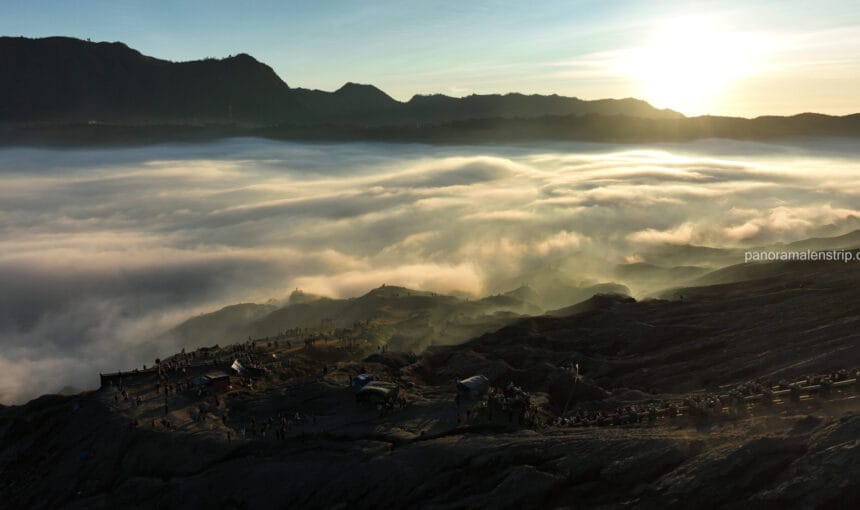
A practical guide to reaching Mount Bromo for sunrise from Bali, covering the best routes, travel times, seasonal timing, gear, and luxury planning tips.
Indonesia Trip Trough The Lens
Indonesia Trip Trough The Lens
Indonesia Trip Trough The Lens
Borneo Trip explores unforgettable journeys across one of the world’s richest tropical islands. Discover pristine rainforests, wild rivers, and diverse wildlife, including orangutans in their natural habitat. This category features curated itineraries, travel guides, and photography-focused adventures in Indonesian Borneo (Kalimantan)—perfect for nature lovers, eco-travelers, and adventure seekers looking for authentic Borneo experiences.
A practical guide to reaching Mount Bromo for sunrise from Bali, covering the best routes, travel times, seasonal timing, gear, and luxury planning tips.
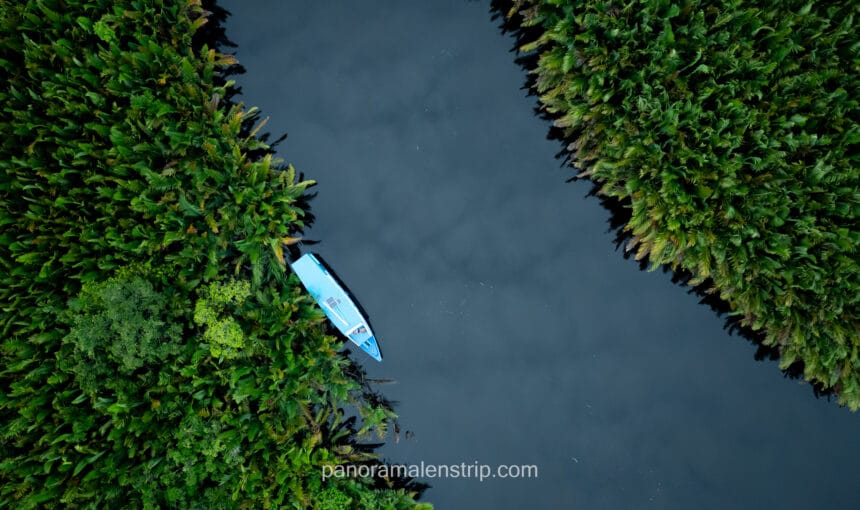
Can you legally fly a drone to photograph orangutans in Borneo’s rainforest? This guide covers Indonesian drone laws, BKSDA permit requirements, ethical wildlife best practices, and the best gear for canopy-level aerial photography.
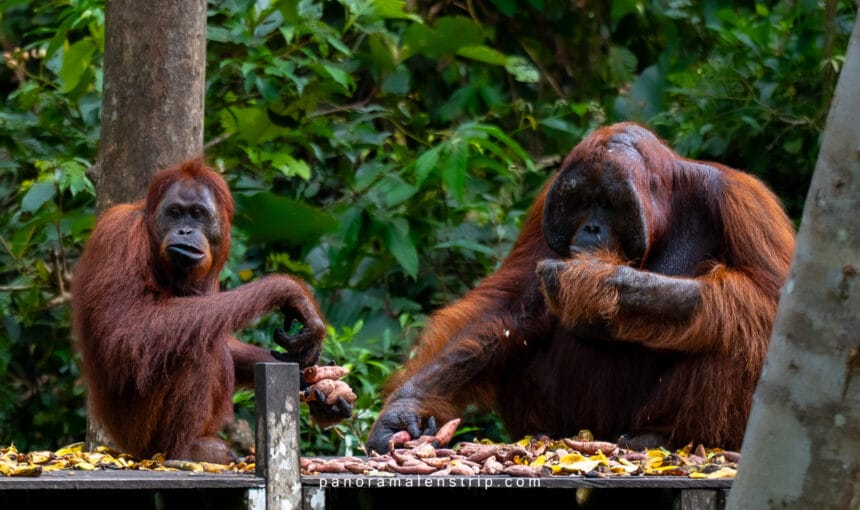
A transparent, data-driven pricing guide for Borneo orangutan tours in 2026. Covers private klotok boats, shared group packages, what’s included at each price tier, and how serious wildlife photographers choose between them.
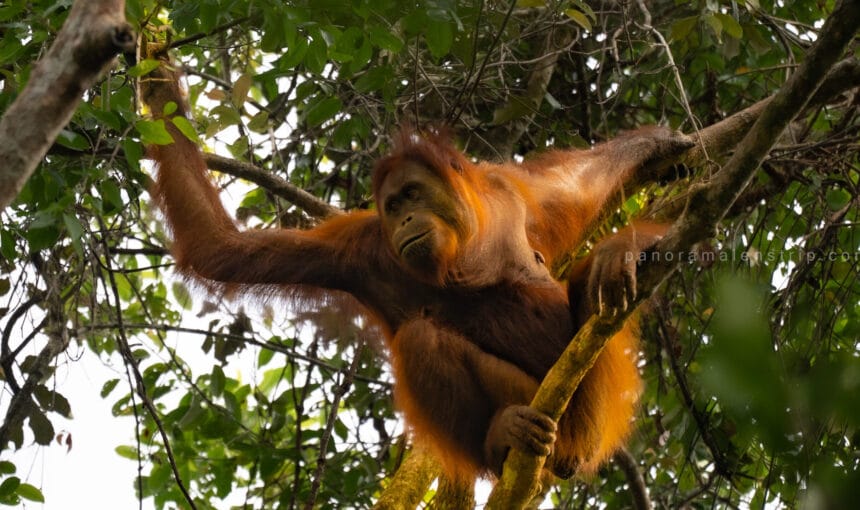
Tanjung Puting National Park holds some of Southeast Asia’s most photogenic river bends, dense rainforest canopies, and orangutan feeding stations. This guide identifies the exact locations, optimal shooting windows, and gear setups that deliver frame-worthy results.
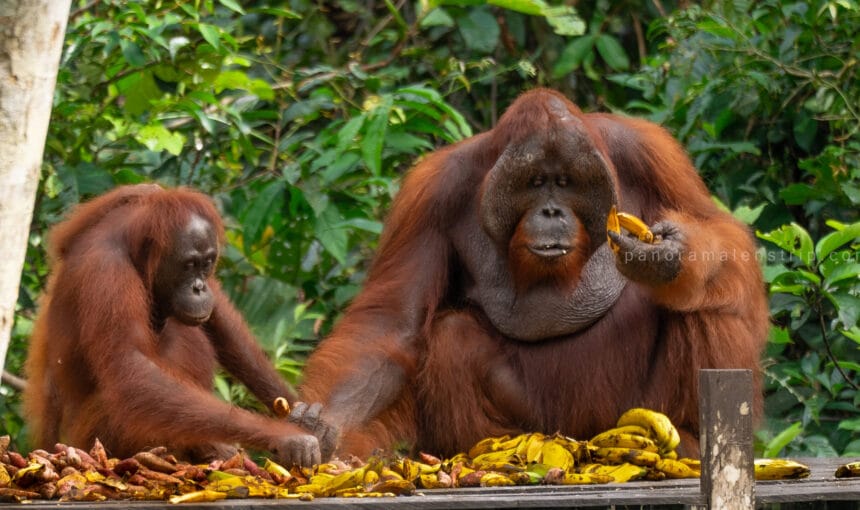
Our field-tested guide covers the exact lenses, focal lengths, and shooting distances you need to photograph wild Borneo orangutans — from dense jungle canopy to open riverbank encounters.
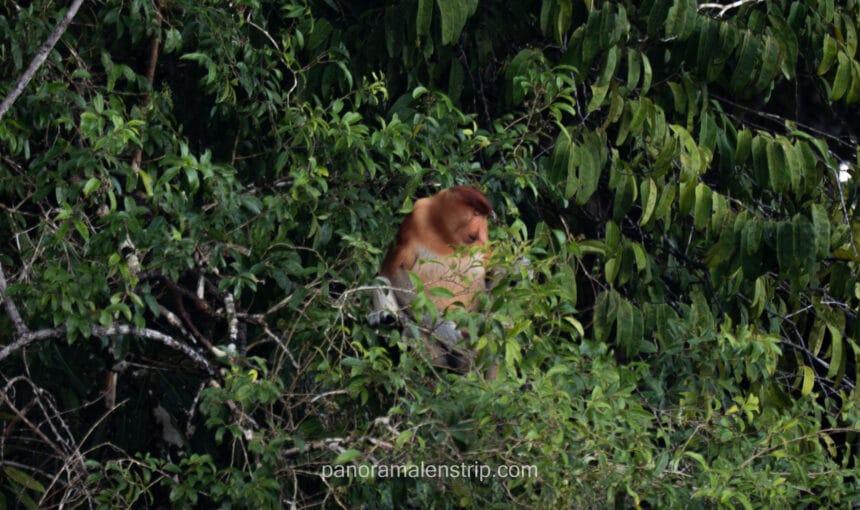
Our local guides and photographers have spent years navigating Tanjung Puting’s seasons. This data-backed guide tells high-intent travelers exactly when to go — and why the answer may surprise you.
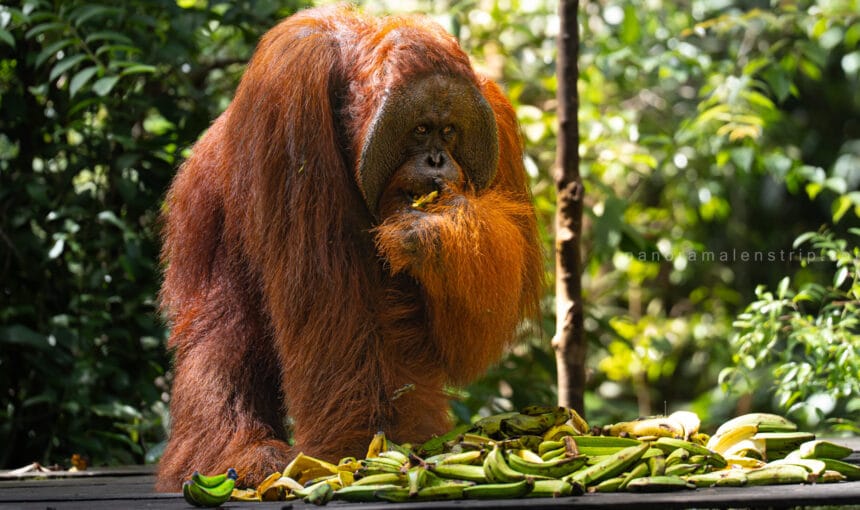
A field-tested guide to photographing wild orangutans in Borneo’s dense rainforest canopy. Covers lens selection, exposure triangle settings for low light, and when to visit — built for serious photographers traveling with Panorama Lens Trip across Indonesia.
Tanjung Puting National Park is the world’s premier destination for observing wild Bornean orangutans. This guide covers the best time to visit, how to plan a klotok river cruise, what photography gear to bring, and how to book a premium tour in 2026.
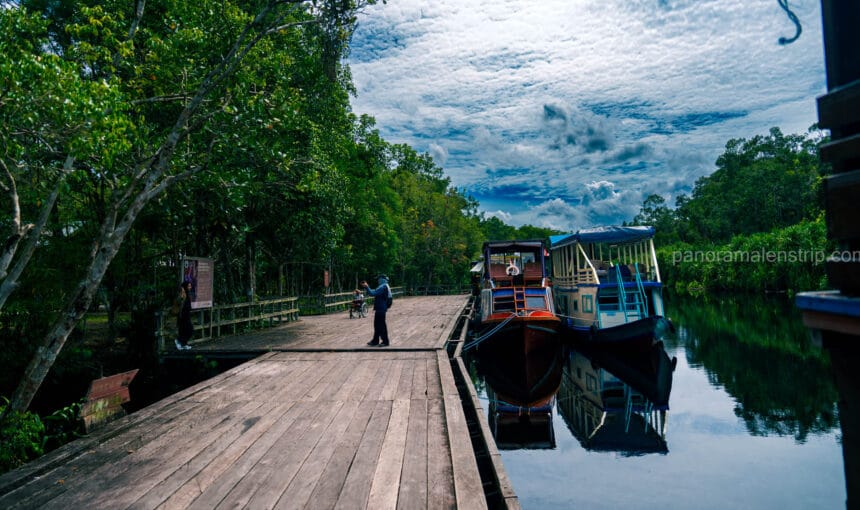
Tanjung Puting National Park in Indonesian Borneo offers wildlife photographers unmatched access to wild orangutans, proboscis monkeys, and pygmy kingfishers — all within a single, river-based itinerary. This guide explains why serious shooters choose Tanjung Puting, what gear to bring, and how to time your visit for peak light and animal activity.

A comprehensive 2026 guide to visiting Tanjung Puting National Park. Covers luxury klotok boat rentals, Camp Leakey tours, wildlife photography, and critical travel logistics.