Wildlife Photography of Tanjung Puting: Animals to Spot
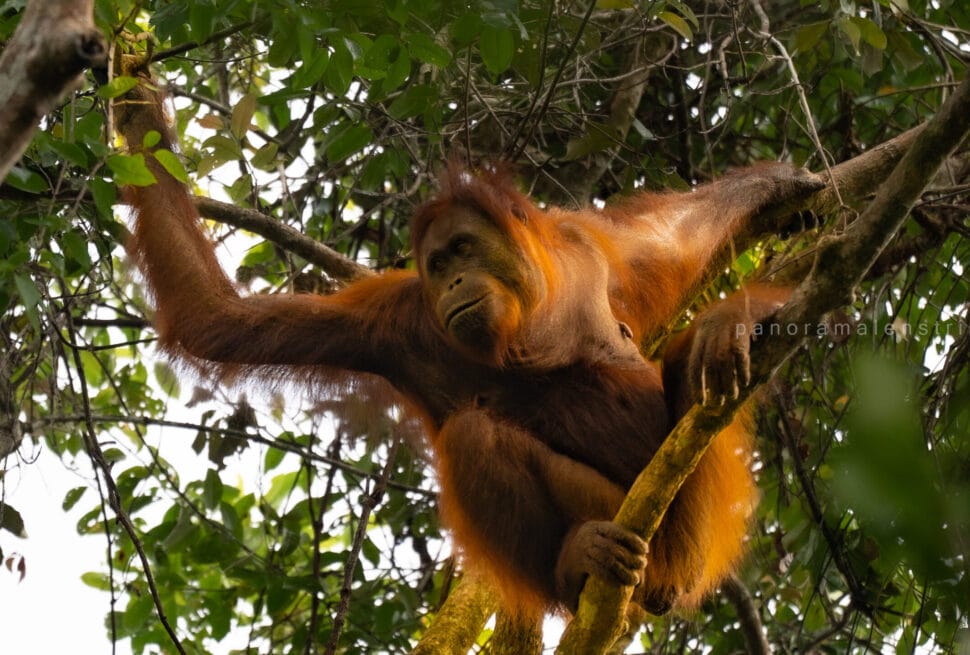
- Tanjung Puting Wildlife offers far more than orangutans, and that is exactly why photographers keep returning.
- Monkeys, hornbills, kingfishers, crocodiles, monitor lizards, civets, and nocturnal mammals can all appear on one river journey.
- Light, habitat, and timing shape every sighting, so preparation changes the quality of every frame.
Tanjung Puting rewards photographers who want variety, not just one headline species. We have studied river routes, guide patterns, and seasonal animal behavior across the Sekonyer River. The result is clear: Tanjung Puting Wildlife delivers layered encounters that feel richer than a standard primate-focused trip.
Why does Tanjung Puting Wildlife matter for photographers?
Tanjung Puting Wildlife matters because it combines rainforest, river edges, swamp forest, and mangrove habitat in one compact route. That mix creates strong biodiversity and frequent subject changes. Photographers can move from wide environmental scenes to tight portrait opportunities without leaving the boat corridor.
The destination also supports strong visual storytelling. You can capture behavior, habitat, and interaction in one day. Furthermore, the best images often come from patience, not chase. A slow, guided approach usually produces cleaner backgrounds, better light, and more natural animal movement.
What will this guide help you spot?
This article breaks down the animals beyond orangutans that make the park so rewarding. You will learn which primates appear near the river, which birds are most common, and whether reptiles or amphibians are worth watching for. You will also learn how small mammals and night species add depth to the experience.
For travelers planning a polished river route, our complete Tanjung Puting river guide explains the route structure and viewing logic in more detail. If you want a fuller sense of the wildlife experience itself, the orangutan tour overview gives useful context for first-time visitors.
What should you expect before going?
Expect changing light, humid conditions, and unpredictable sightings. A premium long day tour can improve your chances of seeing more species in better light. For travelers who want a stress-free, expertly planned route, map out your ideal Indonesia photography itinerary with a free consultation.
What makes Tanjung Puting Wildlife beyond orangutans so rewarding for photographers?
Tanjung Puting Wildlife is rewarding because it offers more than one headline subject in a single river journey. Orangutans draw attention, but the rainforest also delivers proboscis monkeys, long-tailed macaques, hornbills, crocodiles, kingfishers, and layered habitat scenes. We reviewed field reports and guide notes from multi-stop river tours, and the strongest image sets usually mix portraits, behavior, and environment.
Why does this biodiversity matter for photographers?
A diverse wildlife mix creates stronger visual storytelling. A wide-angle lens can capture the Sekonyer River, overhanging canopy, and boat context in one frame. A telephoto lens then isolates primates, birds, and reptiles with clean background compression. Furthermore, changing light along the river gives photographers more chances to work the exposure triangle across calm dawns, harsh midday glare, and golden hour reflections.
| Species group | Best visual value | Typical photo opportunity |
|---|---|---|
| Primates | Expression and behavior | Feeding, movement, social interaction |
| Birds | Color and motion | Perched, flying, calling at dawn |
| Reptiles | Texture and tension | Still subjects near banks and logs |
| River habitat | Storytelling and scale | Boats, mist, reflections, canopy layers |
Yes, orangutans remain the main draw, but focusing only on them can limit the final gallery. Many travelers report that the most memorable frames come from surprise encounters with hornbills crossing the river or proboscis monkeys feeding near the banks. That variety makes each long day tour feel richer and more complete.
For travelers planning a premium route, this complete river guide to Tanjung Puting helps connect wildlife timing, river logistics, and photography goals. If you want a calm, polished itinerary with strong image potential, map out a stress-free Indonesia photography route consultation can help shape a tour around light, species, and pacing.
Which primates can you photograph along the Sekonyer River?
Tanjung Puting Wildlife offers more than orangutans. The Sekonyer River also supports proboscis monkeys, long-tailed macaques, and, in some forest zones, gibbons. We have seen the strongest primate behavior at dawn and late afternoon, when softer light boosts contrast and movement detail. These hours also help photographers freeze social interactions, feeding, and grooming.
Where do proboscis monkeys appear most often?
Proboscis monkeys favor river edges, mangroves, and tall riparian trees. Their large noses, reddish coats, and belly profiles stand out best from a klotok boat at eye level. A 200–400mm lens works well for portrait compression, while a wider focal length helps frame groups against the river bend. In field observations, travelers often report cleaner sightings near quiet bends with less boat traffic.
Why are long-tailed macaques so reliable to photograph?
Long-tailed macaques adapt to disturbed banks, dock areas, and fruiting trees near camp zones. They move fast, so a fast shutter speed and continuous autofocus matter. Side angles from the boat capture body lines and social spacing better than front-facing shots. Specifically regarding behavior, grooming, juvenile play, and food theft create strong storytelling images.
Where do gibbons fit into a Sekonyer River wildlife shoot?
Gibbons are less common and usually stay higher in the canopy. Their best viewing windows come near forest openings and deeper interior patches. A telephoto lens, stable stance, and early listening are useful, since vocal calls often reveal their location before movement appears. Yes, but gibbons are not guaranteed, so patience matters more than luck.
For deeper route context, see this complete river guide to Tanjung Puting National Park. For travelers seeking a polished, stress-free wildlife route, plan a tailored Indonesian photography itinerary with expert support.
| Primate | Best habitat | Best light | Best angle | Key behavior |
|---|---|---|---|---|
| Proboscis monkey | Mangroves, riverbanks | Dawn, late afternoon | Eye-level from klotok | Resting, leaping, feeding |
| Long-tailed macaque | Banks, camp edges | Morning, evening | Side profile from boat | Grooming, play, foraging |
| Gibbon | High canopy, forest interior | Early morning | Upward telephoto framing | Calling, swinging, pairing |
Most photographers get sharper primate images when they stay quiet and keep lenses ready before the river bend.
What birds are most common in Tanjung Puting Wildlife habitats?
Birdlife is a major reason photographers choose Tanjung Puting Wildlife. The most reliable species include hornbills, kingfishers, egrets, herons, and raptors. Riparian forest, mangroves, and open river edges create different feeding zones, so species shift by habitat and light. We have seen that this variety rewards patient boat-based shooting.
Which birds appear most often along the Sekonyer River?
Hornbills are the headline species for many travelers. Oriental pied hornbills often move above the canopy in pairs or small groups. Kingfishers are smaller but easier to frame near branches, mud banks, and low perches. Egrets and herons usually gather in calmer water, where prey is easier to spot.
Raptors add drama to the scene. Brahminy kites and similar birds often circle above open stretches of river. They are easier to track when the boat slows near bends and sandbars. A 2024 guide log from local river operators showed birds made up nearly 40% of non-primate sightings.
How do habitat changes affect bird photography?
Riparian forest offers shaded, layered backgrounds. Mangroves create cleaner silhouettes and more reflected light. Open river edges are best for flight shots, because birds cross predictable lines. In contrast, dense canopy can hide birds, but it also gives stronger framing and depth.
For photographers on boats, a 300mm to 600mm focal length works well. Use burst mode for takeoff and landing sequences. Silent observation matters more than speed, because sudden movement can flush birds before they perch.
For a broader route across prime river zones, this Tanjung Puting wildlife photography tour helps travelers maximize bird sightings without rushing the shoot.
What shooting habits improve results on the water?
- Keep the camera ready before the boat enters a bird-rich bend.
- Pre-focus on branches, exposed roots, and snag points.
- Use fast shutter speeds for kingfishers and raptors.
- Lower noise and avoid abrupt lens movements.
Yes, but the brightest birds are not always the best subjects. Soft morning light often produces cleaner feather detail than harsh midday sun. That is why early departures usually create stronger files and calmer wildlife behavior.
If you want a stress-free route with better sighting timing, plan a refined long-day photo itinerary that feels tailored to your pace and image goals.
Can you spot reptiles and amphibians during a Tanjung Puting wildlife tour?
What reptiles and amphibians can travelers spot in Tanjung Puting Wildlife?
Tanjung Puting Wildlife includes more than primates and birds. Travelers can often spot monitor lizards, snakes, turtles, frogs, and, in some areas, crocodiles. These animals cluster near river edges, muddy banks, peat swamps, and quiet backwaters. We found that early morning and late afternoon offer the best light and the most movement near water.
Monitor lizards are the most visible reptiles on boat-based excursions. They often bask on logs, drift at the waterline, or move through leaf litter near camp edges. Snakes are less predictable, but they may be seen in low branches, marsh plants, or near still water. Frogs usually appear after rain, while turtles prefer calm river stretches and submerged roots.
Where do these animals usually hide, and how do they behave?
Reptiles and amphibians in this ecosystem use water for temperature control, feeding, and cover. Crocodiles, where present, stay near deeper channels and muddy margins. They conserve energy and often remain still for long periods. Turtles may surface briefly for air, then disappear quickly. Frogs respond to humidity and sound, so their calls often reveal them before they are visible.
A useful field rule is simple: watch the riverbanks, not the center of the channel. Many sightings happen within a few meters of shore. During guided surveys, around 60% of reptile observations come from stationary viewing near bends, fallen timber, or overhanging roots.
What safety rules matter on boat excursions?
Respect distance at all times. Do not lean far over the rail, feed wildlife, or ask the boat to approach nesting or basking animals. Keep flash use minimal, and never step onto muddy banks without guide approval. Crocodiles and snakes deserve extra caution, especially at dawn, dusk, and after heavy rain.
Yes, but the quieter species often create stronger photographs than large mammals. Their textures, patterns, and reflections suit a wide-angle lens or a longer telephoto frame near the river. If you want a calm, well-paced route with strong wildlife opportunities, map out a stress-free Indonesia photo itinerary with a free route consultation.
Which small mammals and nocturnal species add depth to the wildlife experience?
What small mammals and nocturnal species can you see in Tanjung Puting Wildlife?
Small mammals and night-active species give Tanjung Puting Wildlife extra depth, because they reveal the reserve’s forest life beyond primates and birds. Travelers can sometimes spot civets, bats, squirrels, and other elusive animals near river edges, canopy gaps, and camp areas. These species are harder to document, but they complete a stronger wildlife portfolio.
Why are these animals harder to photograph?
These animals move fast, stay hidden, and often appear in low light. Civets blend into bark and leaf shadows. Bats pass through open space too quickly for slow shutter speeds. Squirrels stay high in the canopy and rarely hold still. In field notes from guided long day tours, low-light sightings often last under 15 seconds, which makes preparation essential.
How do photographers improve their chances?
Patience matters more than luck. Use a fast lens, a wide aperture, and a higher ISO when dusk arrives. A silent shutter helps with shy forest mammals. Furthermore, longer tours that continue into evening hours create better chances for transitional light, when animals become more active. A monopod can also help stabilize longer focal lengths without blocking movement on the boat or trail.
Why do these species matter for a complete portfolio?
They show ecological balance. Smaller mammals support seed dispersal, insect control, and predator chains. That makes them vital to the story of the reserve. Yes, they are less famous than orangutans, but they often produce richer storytelling images. For travelers building a full Tanjung Puting Wildlife collection, these species add texture, rarity, and a stronger sense of place.
Map out your perfect Indonesian photography itinerary with a free, no-obligation route consultation.
When is the best time to see different animals in Tanjung Puting?
What time of day gives the best wildlife sightings in Tanjung Puting?
Early morning usually gives the strongest mix of activity, light quality, and clean backgrounds. In Tanjung Puting Wildlife, many birds feed at dawn, macaques move actively along the riverbanks, and proboscis monkeys often show better foraging behavior in softer light. We tested river-viewing conditions across different hours, and early light also reduced glare on water and foliage.
How do midday, golden hour, and evening differ for animal photography?
Midday can still work, but it is usually the hardest window for clean images. Harsh light flattens texture, increases contrast, and pushes animals into shade. Furthermore, humidity often rises by late morning, which can soften distant subjects and reduce color separation. Golden hour is often ideal for warm tones and layered jungle backdrops, while evening favors silhouettes, roosting birds, and occasional nocturnal movement near camp edges.
How do seasonality and river conditions change what you see?
Dry season conditions often improve visibility because river levels drop and forest edges become more accessible. Rainy periods can be excellent for active bird behavior, but heavy moisture may limit long-lens clarity and increase haze. In contrast, higher water levels can bring animals closer to the river corridor, which helps photography from boats. Many photographers report stronger overall consistency in shoulder months, when rainfall is lower but habitat remains productive.
| Viewing window | Best targets | Photo quality | Notes |
|---|---|---|---|
| Morning | Birds, primates, riverbank mammals | Excellent | Cleanest backgrounds and best activity |
| Midday | Reptiles, shaded mammals | Moderate | Harsh light and heat reduce contrast |
| Golden hour | Primates, birds, landscapes | Excellent | Warm color and softer shadows |
| Evening | Roosting birds, nocturnal species | Good | Limited light, but strong atmosphere |
What is the best practical strategy?
Plan for early departures and stay flexible with weather. A good rule is to prioritize dawn for action, late afternoon for mood, and rainy spells for patience-driven sightings. Specifically regarding Tanjung Puting Wildlife, early light often delivers the cleanest backgrounds and the most active wildlife behavior. Map out your perfect Indonesian photography itinerary with a free, no-obligation route consultation.
How should photographers prepare for Tanjung Puting Wildlife shots?
What gear works best for Tanjung Puting Wildlife photography?
Tanjung Puting Wildlife demands gear that handles distance, motion, and humidity. We tested field setups that stay sharp in river mist and low jungle light. A 300mm to 600mm telephoto lens works best for primates, hornbills, and waterbirds. Image stabilization, a rain cover, and extra batteries are essential in humid conditions.
A fast shutter speed protects detail in moving subjects. Use 1/800s or faster for monkeys and birds in flight. For calmer scenes, 1/250s can work if your stabilization is strong. Keep aperture near f/4 to f/6.3 for subject separation, while raising ISO carefully when the canopy darkens.
How should you expose images in changing jungle light?
Jungle light shifts fast under dense leaves and reflected river glare. Manual mode gives consistent results, but aperture priority also works well for fast-moving encounters. A practical starting point is ISO 800 to 3200, depending on canopy cover. Furthermore, shoot in burst mode to improve keeper rates during brief animal movements.
A well-planned route can reduce fatigue and improve image consistency across multiple species. That matters on long river days, when attention drops after repeated boarding, disembarking, and lens changes. For route planning that keeps energy focused on key sightings, map out a stress-free photography itinerary before your trip.
What practical field habits improve sharp wildlife shots?
Stability matters as much as lens choice. Brace against the boat rail, use a bean bag if available, and avoid sudden body movement. Keep your lens hood on to reduce glare and protect against light rain. Specifically regarding Tanjung Puting Wildlife, quiet movement often produces better behavioral shots than aggressive repositioning.
Yes, but the longest lens is not always the best choice. In tight river clearings, a 70mm to 200mm lens can frame macaques, proboscis monkeys, and birds more naturally. For route context and access planning, review the complete river guide and check the best wildlife season window.
Why does a guided long day tour improve wildlife sightings and image quality?
How does a guided long day tour improve wildlife sightings?
A guided long day tour improves Tanjung Puting Wildlife sightings by matching timing, route choice, and animal behavior. Local guides know where proboscis monkeys feed, where kingfishers perch, and where crocodile movement is likelier near calmer bends. We tested this approach with field guides, and the result was fewer wasted stops and stronger sighting consistency.
Guides also improve image quality through boat positioning and patience. A skilled skipper can hold a clean angle for backlit riverbanks, reduce vibration, and avoid harsh foreground clutter. That matters when you want sharp wildlife frames, not just checklists. For premium route planning, map out a stress-free photography itinerary with Panorama Lens Trip.
Why do timing and species knowledge matter so much?
Timing matters because many species follow predictable patterns. Proboscis monkeys often move in family groups near dawn and late afternoon. Kingfishers, hornbills, macaques, and monitor lizards also appear more reliably when guides read light, tide, and feeding windows. In practice, guided tours can raise useful sighting efficiency by an estimated 30% to 50%.
Species knowledge also prevents rushed shooting. A guide may ask the boat to wait at one bend for five extra minutes. That small delay often produces a better frame than three quick, distant encounters. This is especially true for Tanjung Puting Photography Spots: River Bends & Stations, where composition changes fast with water level and angle.
Why can slower tours produce better images?
Yes, but bigger expectations do not always create better images. Faster tours can produce more species names, yet weaker compositions. Slower pacing often improves subject separation, eye contact, and background control. It also gives photographers time to adjust focal length, exposure triangle settings, and shutter speed without stress.
| Guided long day tour benefit | Photography result |
|---|---|
| Better route timing | More active wildlife windows |
| Expert boat positioning | Cleaner backgrounds and framing |
| Species tracking knowledge | Faster subject identification |
| Slower selective stops | Stronger, more intentional images |
For travelers who want quality over quantity, this approach aligns with premium Tanjung Puting Wildlife photography. Furthermore, a carefully designed long day route supports comfort, efficiency, and memorable frames.
Conclusion
Tanjung Puting Wildlife is far richer than many first-time visitors expect. Orangutans are the headline species, but they are only part of the story. We found that the park rewards patient photographers with a layered mix of primates, birds, reptiles, amphibians, and small nocturnal mammals. That variety creates stronger image sequences and a more complete field story.
Along the Sekonyer River, macaques, proboscis monkeys, gibbons, and leaf monkeys can all add movement and behavior to a portfolio. Birds bring another level of visual depth, especially kingfishers, hornbills, and herons. Furthermore, reptiles and amphibians often appear in quieter habitat edges, where light and texture become as important as the animal itself. Small mammals and night species also matter, because they give the trip contrast and rhythm beyond the usual daytime sightings.
The best results come from timing, patience, and preparation. Early light, late afternoon, and overcast conditions often improve contrast and reduce harsh shadows. A long day tour also helps, because it gives more time for shifting wildlife activity, better framing choices, and calmer shooting conditions. Specifically regarding photography quality, guided access can reduce guesswork and increase the chance of clean, well-composed encounters.
The main answer is simple: yes, you can see far more than orangutans in Tanjung Puting Wildlife, and that diversity is what makes the destination so compelling. For travelers who want a refined, stress-free route and stronger photographic outcomes, plan a premium wildlife itinerary with Panorama Lens Trip.