

Introduction to Surabaya’s Hidden Natural and Cultural Gems
Why Surabaya Is More Than Just and Industrial City
Surabaya Trip – When people think of Surabaya, they often picture a bustling port and business hub. But there’s so much more to this East Javanese capital. Surabaya is the gateway to some of Indonesia’s most breathtaking mountains, mystical waterfalls, and cultural heritage towns. Whether you crave adventure, serenity, or history, Surabaya offers it all within a few hours’ drive.
The Perfect Blend of Nature and Heritage
Imagine watching a sunrise over a volcanic landscape, trekking through lush forests, and ending your day exploring charming colonial streets. That’s what makes a Surabaya trip special—it blends the raw beauty of nature with deep-rooted cultural experiences. From the cool mountains of Bromo to the artistic alleys of Malang, this city’s surroundings are waiting to be explored.
Exploring the Majestic Mountains Around Surabaya
Mount Bromo – The Iconic Sunrise Destination (Region TNBTS Bromo Tengger Semeru)
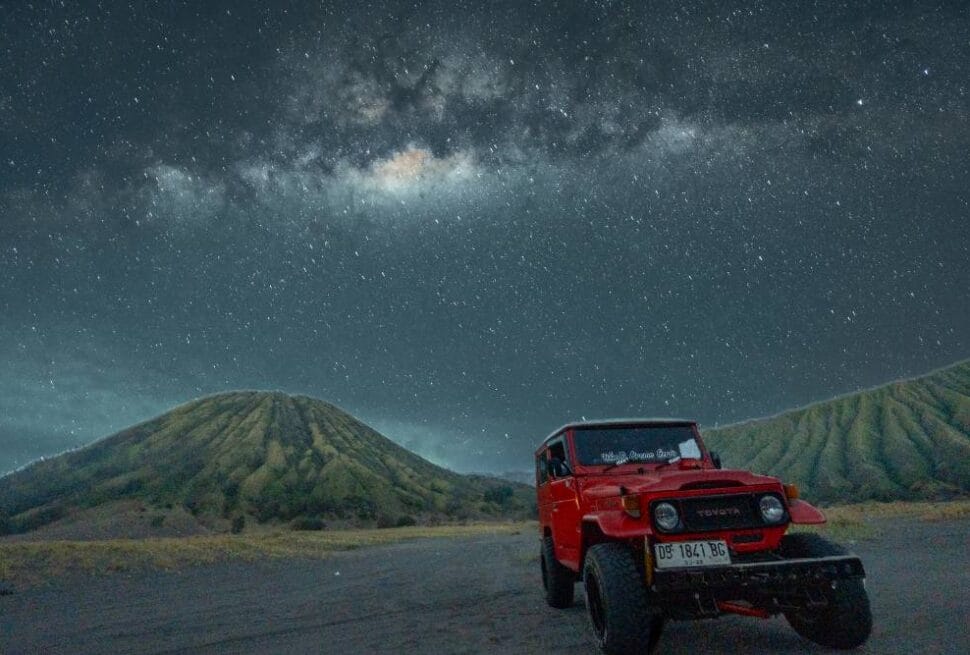
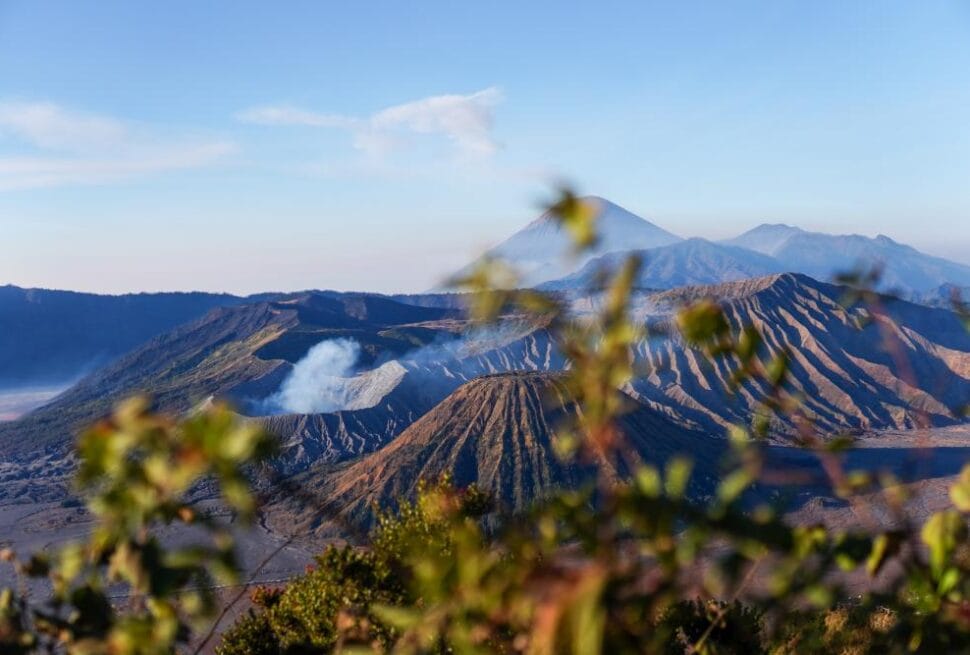
No trip from Surabaya is complete without visiting Mount Bromo, located within the Tengger Semeru National Park (TNBTS). This active volcano is famous for its ethereal sunrise views over the sea of sand. The landscape feels otherworldly, especially as the morning mist rises from the crater. A jeep ride from Cemoro Lawang village is a thrilling way to reach the viewpoint and witness the golden dawn that paints the volcano in fiery hues.
Mount Ijen – The Blue Fire Phenomenon
Mount Ijen is another volcanic wonder, about six hours from Surabaya. Known worldwide for its electric-blue flames, this mountain offers one of the most unique natural spectacles on Earth. The hike to Ijen Crater rewards visitors with views of turquoise acidic lakes surrounded by steaming sulfur vents. If you’re up for an early adventure, begin the trek around midnight to catch the mesmerizing blue fire before sunrise.

Chasing Waterfalls Near Surabaya
One of the most enchanting highlights of any Surabaya Trip is the opportunity to explore East Java’s mesmerizing waterfalls. Just a few hours’ drive from the city, you’ll find a collection of breathtaking cascades hidden within lush jungles and dramatic mountain landscapes. Each waterfall has its own unique charm—some peaceful and serene, others wild and thunderous—making them must-visit destinations for nature lovers and adventure seekers alike.
Madakaripura Waterfall – The Legendary Hideout of Gajah Mada
Located near Mount Bromo, Madakaripura Waterfall is one of the most spiritual and awe-inspiring spots you can visit during your Surabaya Trip. Legend says that Gajah Mada, the heroic prime minister of the Majapahit Empire, meditated here in his final days. The waterfall is surrounded by towering cliffs covered in vines and moss, creating a mystical ambiance that feels like stepping into another world. As you walk through narrow paths and shallow streams, you’ll be greeted by cool mist and the roar of falling water echoing through the canyon—a perfect blend of history and natural wonder.
Coban Rondo and Coban Talun – Malang’s Nature Wonders
Further south in the Malang highlands, Coban Rondo and Coban Talun offer a more relaxing yet equally picturesque escape. Coban Rondo, meaning “The Widow’s Waterfall,” is easily accessible and surrounded by pine forests ideal for picnicking and short hikes. Just a short drive away, Coban Talun provides a mix of adventure and aesthetics. With its beautiful flower gardens, charming photo spots like Apache Camp and Pagupon Village, and cool mountain air, it’s a favorite for families and photographers on a Surabaya Trip.
Tumpak Sewu Waterfall – The Niagara of East Java
Often called the “Niagara of Indonesia,” Tumpak Sewu Waterfall near Lumajang is perhaps the most spectacular of them all. Dozens of water streams cascade down a semicircular cliff, forming a curtain of mist that glows under the sunlight. The trek down to the base involves some challenging steps and bamboo ladders, but the reward is an unforgettable view of nature’s grandeur. This site is a highlight for anyone looking to make their Surabaya Trip truly extraordinary.
Kapas Biru Waterfall – The Hidden Gem Next Door
Just a short distance from Tumpak Sewu lies Kapas Biru Waterfall, a lesser-known yet equally breathtaking destination. The name “Kapas Biru,” meaning “Blue Cotton,” perfectly describes its delicate white streams flowing into a turquoise pool. The trail to reach it winds through rice fields and bamboo forests, offering peaceful scenery before you arrive at the dramatic waterfall backdrop—ideal for those seeking serenity and stunning photos.
Coban Sriti – The Twin Wonder
For travelers craving a more off-the-beaten-path experience, Coban Sriti is a gem worth discovering. This twin waterfall sits deep within a forested valley and requires a bit of trekking, making it a great choice for adventurers. The twin streams flow down rocky cliffs into a cool, misty basin surrounded by greenery. Standing there, listening to the powerful rush of water, you’ll feel completely immersed in nature’s rhythm.
Whether you’re chasing the legendary charm of Madakaripura, the family-friendly serenity of Coban Rondo, or the jaw-dropping drama of Tumpak Sewu, these natural wonders add magic to every Surabaya Trip. Each waterfall tells its own story, offering travelers a chance to slow down, breathe fresh mountain air, and reconnect with the beauty of East Java’s wilderness.
Discovering Heritage Towns and Cultural Landmarks
Malang Old Town – Colonial Charm and Local Art
Malang’s old town offers a refreshing contrast to nature trips. The Dutch-era architecture, colorful Kampung Jodipan, and thriving coffee culture make it a must-visit stop. The art scene here blends modern creativity with traditional Javanese influences, offering a glimpse into East Java’s evolving identity.
Surabaya’s Cultural Fusion – Tugu Pahlawan, Red Bridge, and Tunjungan Street
Surabaya, known as the “City of Heroes,” is a vibrant blend of tradition, history, and modernity. The city’s cultural fusion is best reflected through its most iconic landmarks—Tugu Pahlawan, Red Bridge (Jembatan Merah), and Tunjungan Street—each telling a powerful story of Indonesia’s resilience, diversity, and transformation.
Heroes Monument (Tugu Pahlawan)
Tugu Pahlawan (Heroes Monument) stands tall as a symbol of national pride. Built to honor the brave heroes who fought during the 10 November 1945 Battle of Surabaya, this monument embodies Indonesia’s struggle for independence. Beneath it lies the 10 November Museum, where visitors can explore historical exhibits, photographs, and dioramas that bring the city’s wartime stories to life. The area often hosts commemorations and patriotic events, keeping the spirit of heroism alive for new generations.
Red Bridge (Jembatan Merah)
A short drive away is the Red Bridge (Jembatan Merah), a historic landmark that witnessed fierce battles between Indonesian freedom fighters and colonial forces. Once a key trade route connecting the Arab Quarter and Chinatown, it now serves as a symbol of unity and cultural harmony. Walking along this bridge, you can feel the echoes of history while surrounded by a mix of Dutch colonial buildings and traditional Chinese shophouses.
Tunjungan Street (Jalan Tunjungan)
Then, there’s Tunjungan Street, the heart of Surabaya’s modern-day culture. This bustling boulevard combines the charm of the past with the energy of the present. Once home to the legendary Hotel Majapahit—where Indonesia’s independence flag was heroically raised—it now thrives with trendy cafes, shopping malls, and art-filled corners. Evening strolls along Tunjungan reveal the city’s vibrant nightlife, complete with live music, food stalls, and illuminated architecture that captures Surabaya’s progressive spirit.
Together, Tugu Pahlawan, Red Bridge, and Tunjungan Street represent the essence of Surabaya’s cultural fusion—a city that honors its heroic past while embracing the vibrancy of modern Indonesia. Whether you’re a history enthusiast, a photographer, or simply a traveler seeking connection, these landmarks offer a journey through time, emotion, and identity.

National Park Adventures
Baluran National Park Banyuwangi
Nicknamed “Little Africa of Java,” Baluran National Park is a safari-like landscape of savannas, forests, and wildlife. You can spot deer, peacocks, and even banteng (wild cattle). The coastal area of Bama Beach adds a tropical touch to this unique park.
Alas Purwo Banyuwangi
Alas Purwo National Park, on the southeastern tip of Java, is shrouded in mystery and spirituality. It’s one of Indonesia’s oldest forests, offering surf spots like Plengkung (G-Land), wildlife viewing, and sacred temples hidden among ancient trees.
Forest Park Exploration
Djawatan Banyuwangi
The Djawatan Forest feels like stepping into a fantasy movie set. Towering tamarind trees with twisting roots create a magical, almost Middle-earth atmosphere. Perfect for photography, picnics, and slow walks under the green canopy.
Culinary Adventures During the Trip
Must-Try Local Dishes in Surabaya
Food is at the heart of every Surabaya trip. Don’t miss local favorites like rawon (black beef soup), lontong balap, and rujak cingur. Each dish bursts with spices and local flair.
Mountain and Village Specialty Foods
In the mountain regions, enjoy warm meals like sate kelinci (rabbit satay) and ubi rebus (boiled sweet potatoes). In villages, you’ll find tempeh mendoan and herbal teas that keep you energized throughout your journey.
Best Time to Visit Surabaya and Surrounding Attractions
Weather and Seasonal Highlights
The best time to visit is during the dry season, from May to October. The skies are clear, perfect for mountain treks and waterfall adventures.
Tips for Avoiding Crowds
Visit on weekdays and start your trips early morning to enjoy serene views without the tourist rush.
How to Plan Your Surabaya Trip Efficiently
Recommended Itinerary for 3 to 5 Days
- Day 1: Surabaya city landmarks
- Day 2: Mount Bromo sunrise tour
- Day 3: Madakaripura or Tumpak Sewu waterfalls
- Day 4: Malang heritage & culinary exploration
- Day 5: Ijen Crater hike
Transportation Options for Each Destination
You can rent a car or join local tour operators offering all-inclusive packages from Surabaya. Trains and buses also connect most towns conveniently.
Travel Tips for First-Time Visitors
Pack layers for cold mountain mornings, bring waterproof shoes for waterfalls, and always keep some cash for rural areas with limited ATMs.
Eco-Tourism and Responsible Travel in East Java
As more travelers seek meaningful experiences, eco-tourism has become a growing part of the modern Surabaya Trip. Beyond the city’s skyscrapers and colonial landmarks, East Java offers a natural paradise filled with mountains, forests, and waterfalls. Yet, exploring these treasures comes with a responsibility—to protect the environment and uplift the communities that call these landscapes home. Practicing responsible travel not only preserves nature but also makes your journey more rewarding and authentic.
Supporting Local Communities
A key part of eco-tourism during your Surabaya Trip is supporting local communities. Many of the destinations around Surabaya—such as Bromo, Ijen, and Banyuwangi—are surrounded by villages where residents rely on tourism for their livelihood. By staying in local homestays, hiring local guides, and buying handmade crafts, you directly contribute to the local economy. This ensures that tourism benefits those who help preserve the natural and cultural heritage of East Java.
You can also participate in community-based tours that showcase traditional farming, weaving, or coffee-making practices. These immersive experiences not only teach you new skills but also help sustain indigenous knowledge and traditions that are often passed down through generations.
Sustainable Travel Practices
Every small step counts when it comes to responsible travel. During your Surabaya Trip, make it a habit to minimize waste, especially single-use plastics. Bring a reusable water bottle, say no to plastic straws, and dispose of your trash properly—even better, pack it out with you if bins aren’t available.
Respecting wildlife is another vital aspect. When visiting national parks like Baluran or Alas Purwo, observe animals from a distance and avoid feeding them. Stick to designated trails to prevent damage to fragile ecosystems. In waterfalls such as Tumpak Sewu or Madakaripura, refrain from using soaps or detergents that can pollute the water. Remember: your footsteps should leave only memories, not marks on nature.
Choosing Eco-Friendly Tours and Transportation
Eco-conscious travelers can make a huge impact by choosing sustainable tour operators. When planning your Surabaya Trip, look for agencies that prioritize small-group tours, use eco-friendly vehicles, and collaborate with local communities. Some tours even offer carbon-offset programs or tree-planting initiatives to reduce environmental impact.
If possible, opt for trains or shared transport rather than private cars to reduce carbon emissions. For shorter distances, cycling or walking around towns like Malang or Banyuwangi not only lowers your carbon footprint but also gives you a deeper connection to the local atmosphere.
Respecting Culture and Nature
Eco-tourism isn’t just about protecting the environment—it’s also about understanding and respecting cultural diversity. Many natural attractions in East Java hold deep spiritual meaning for local communities. For example, Madakaripura Waterfall and Mount Bromo are sacred sites often used for rituals and offerings. When visiting such places on your Surabaya Trip, dress modestly, follow local customs, and avoid actions that could be seen as disrespectful.
Taking time to learn a few Indonesian or Javanese phrases—like terima kasih (thank you) or permisi (excuse me)—goes a long way in building warm connections. Respecting both people and nature helps ensure that East Java’s beauty remains unspoiled for future generations.
By embracing eco-tourism, every traveler can make their Surabaya Trip more impactful and sustainable. It’s not just about seeing new places—it’s about protecting them. From supporting local economies to practicing low-impact travel, your conscious choices help preserve the stunning landscapes and cultural richness of East Java. When you travel responsibly, you don’t just take home memories—you leave behind a positive legacy.
Conclusion – The Magic of Surabaya Beyond the City
Surabaya is more than just a stopover—it’s a gateway to East Java’s wonders. From majestic mountains and cascading waterfalls to old towns rich with history, every path from this city leads to discovery. Whether you’re an adventurer, a culture lover, or a foodie, Surabaya’s blend of nature and heritage promises an unforgettable journey.
FAQs About Surabaya Trip
1.What is the best time to visit the mountains near Surabaya?
The dry season (May to October) is ideal for mountain hiking and sunrise viewing.
2. Are the waterfalls near Surabaya beginner-friendly to access?
Yes, most like Coban Rondo and Madakaripura are easily accessible, though some like Tumpak Sewu require moderate trekking.
3. How far is Bromo from Surabaya city center?
It takes around 3–4 hours by car from Surabaya to Mount Bromo.
4. What are the top cultural sites to visit in Surabaya?
Tugu Pahlawan, House of Sampoerna, Red Bridge, and Tunjungan Street are top historical attractions.
5. Can I explore all these destinations in one trip?
Yes! With proper planning, a 5–7 day trip from Surabaya can cover mountains, waterfalls, and heritage towns efficiently.

[…] The Ring Of Fire Indonesia is unique because four major plates—the Indo-Australian, Eurasian, Pacific, and Philippine Sea plates—interact around it. These interactions create large fault lines that run beneath the islands, making tremors common. Many of these quakes are small and harmless, but some can become destructive when occurring near populated areas. Understanding the types of earthquakes that occur helps explain the behavior of this volatile region. […]