TL;DR
- Best time to visit Bali overall: July — clear skies, 10–11 sun hours daily, predictable golden hour
- Best season for photography: Dry season, April through October
- Best shoulder months: April–May and September–October (lush greenery, manageable crowds)
- Wet season verdict: November–March is not a write-off — mist and drama create unique, high-impact shots
- Panorama Lens Trip insight: Our guides shoot across all 12 months; every season has a winning angle and a specific strategy
Why Timing Your Bali Visit Changes Everything
The best time to visit Bali is July for photography — but the right month for you depends on your goals. Light quality, crowd density, and landscape conditions shift dramatically across every month. Our local guides and photographers have tracked Bali’s skies, rainfall, and golden hour windows across all 12 months. The result is a field-tested, data-backed verdict. Bali rewards travelers who plan with precision.
Timing affects more than just weather. It determines whether you shoot mist-covered terraces or razor-sharp volcanic silhouettes. It controls your access to popular viewpoints before the crowds arrive. Understanding the best time to visit Bali is the single highest-leverage decision a photography traveler can make.
What Is the Best Time to Visit Bali for Photography?
July is the best time to visit Bali for photography. The dry season peaks between June and August. July delivers the most consistent clear skies, low humidity, and 10 to 11 hours of usable daylight per day. Golden hour arrives predictably, and sunrise over Mount Batur’s caldera is razor-sharp on most mornings. Iconic locations — Tegallalang Rice Terraces, Campuhan Ridge, and Jatiluwih — all perform at their absolute peak in July.
Furthermore, July brings stable atmospheric conditions that reduce haze across Bali’s volcanic topography. Wide-angle compositions benefit from maximum depth of field and clean, unobstructed horizons. The exposure triangle becomes easier to manage when light is consistent and predictable. For photographers chasing portfolio-defining images, July delivers the highest yield per shoot day of any month on the calendar.
How Does Bali’s Weather Work Month by Month?
Bali operates on a tropical two-season system. The wet season runs from November through March. The dry season covers April through October. Humidity, rainfall, and daily sun hours shift significantly across these two periods. Understanding this cycle is the foundation of any productive Bali photography itinerary.
The table below maps every month against key travel and photography variables. Use it to match your travel dates against your specific creative goals.
The table tells a clear story. July and August lead on light and clarity. April–May and September–October offer the strongest balance between shooting conditions and crowd management. January and February are the quietest months — and surprisingly productive for specific subjects.
When Is the Dry Season in Bali — and Why Does It Matter for Photos?
The dry season runs from April to October — a seven-month window when Bali’s skies are clearest. Visibility is at its highest. Golden hour light is its most consistent and predictable. For photographers, this period simplifies every technical decision. Lower humidity reduces atmospheric haze. Longer sun hours extend the usable shooting window on both ends of the day.
April and May — The Overlooked Sweet Spot
April and May are among the most underrated months for photography in Bali. The wet season has ended, but peak tourist crowds have not yet arrived. Rice paddies across Ubud and Jatiluwih are at their most vivid, saturated green. Wide-angle focal lengths between 16mm and 24mm capture panoramic terraces with lush richness that peak dry-season months cannot replicate. Hotel rates are also significantly lower than in July and August. These two months reward photographers who value both quality and uncrowded access.
June to August — Peak Season Trade-Offs
June through August delivers Bali’s clearest skies and most predictable golden hour light. Sunrises over Mount Batur’s caldera are consistently sharp. Sunset along Seminyak and Canggu’s west-facing coastline aligns perfectly with long-exposure beach compositions. However, popular viewpoints like Tegallalang and Kintamani draw significant crowds by 7:00 AM. The strategic response is straightforward: arrive pre-dawn, and work with a local guide to access off-grid locations. Panorama Lens Trip photographers regularly find pristine, unobstructed compositions just 20 minutes outside the standard tourist circuit.
Is It Worth Visiting Bali During the Wet Season?
Most travel guides advise against visiting Bali between November and March. This advice is oversimplified — and it costs travelers some of Bali’s most dramatic photographic opportunities. The wet season does not produce uniform, all-day rainfall. In practice, rain in Bali typically falls in intense, short afternoon bursts lasting one to three hours. Mornings are often clear, and this window is genuinely productive for landscape work.
Specifically regarding waterfalls, November through March is objectively Bali’s best period. Gitgit Waterfall in North Bali and Tegenungan near Ubud run at their fullest volume and most powerful cascade. Mist layers across the Campuhan Ridge Walk create atmospheric, soft-light conditions perfectly suited to portrait and editorial photography. Jungle canopy trails around Ubud take on depth and texture that dry-season light simply cannot produce.
Also read: Best Things to Do in Bali – Top Activities & Attractions
In contrast, the wet season does present real limitations. Heavy downpours between 2:00 PM and 5:00 PM can shut down outdoor shoots entirely. Fast-changing cloud cover makes exposure consistency harder to maintain. Weather-sealed camera bodies and a rain cover for your pack are non-negotiable. Photographers who thrive in this season embrace flexibility — and leave rigid shot lists behind. The wet season rewards adaptability more than any other time of year.
Where in Bali Offers the Best Photography Conditions Year-Round?
Bali’s photographic value is not concentrated in a single area. The island’s varied topography — volcanic highlands, coastal cliffs, terraced river valleys, and dense equatorial jungle — creates distinct shooting environments. Each zone has its own optimal season, focal length strategy, and timing window. Knowing the best time to visit Bali means knowing which zone you are targeting and when that zone performs at its peak.
Ubud and the Central Highlands
Ubud is Bali’s creative and cultural epicenter, and its most photogenic zone for landscape work. Tegallalang Rice Terraces offer cascading green tiers that respond beautifully to morning mist and soft directional light. Campuhan Ridge Walk at sunrise is one of Bali’s most reliable golden hour compositions — a wide ridge path flanked by tropical vegetation and valley views. Wide-angle lenses between 16mm and 24mm dominate here. April through June and September are the optimal months — greenery is at its peak and crowd density remains manageable.
Mount Batur and the Northern Caldera
Mount Batur’s caldera is Bali’s most dramatic geological feature. Sunrise shoots from the summit require a 2:00 AM departure and a 90-minute to 2-hour ascent on a well-marked trail. The reward is a 360-degree panorama over the caldera lake, framed by volcanic topography and cloud inversion layers that form below the summit. A 24–70mm zoom lens covers the majority of useful compositions from the peak. May through August delivers the clearest summit conditions and the sharpest volcanic silhouettes of the year.
Seminyak, Canggu, and the West Coast
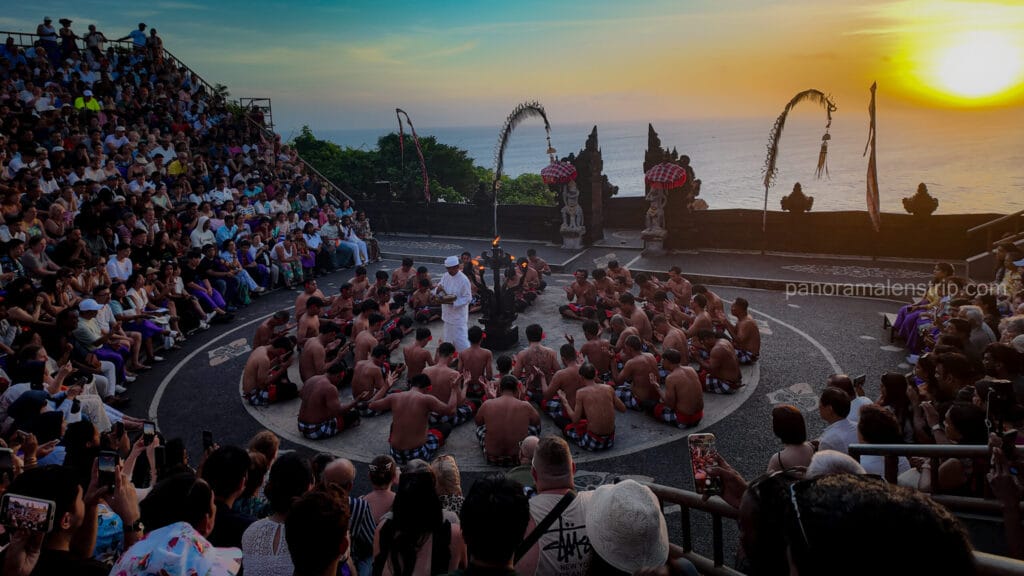
Bali’s southwest-facing coastline is purpose-built for sunset photography. The ocean horizon aligns directly with the descending sun from May through October, creating long golden window exposures. Long-exposure techniques perform exceptionally well here — a 6-stop neutral density filter and a sturdy carbon fiber tripod convert wave motion into smooth foreground texture against dramatic sky gradients. Tanah Lot Temple, positioned on an offshore rock formation, is one of Indonesia’s most photographed sunset subjects.
Also read: Best Bali Photography Spots: Sunrise, Temples & Waterfalls
How Should You Plan Your Bali Photography Itinerary Around the Seasons?
Effective itinerary planning begins with a clear understanding of your primary photography goals. Landscape and golden hour photographers should anchor their trip in the dry season. Documentary and portrait photographers will find wet-season light more nuanced and emotionally rich. Cultural photographers benefit from timing visits around Balinese Hindu ceremonies, which follow the Pawukon calendar rather than the Gregorian one — a variable that local guides are essential for navigating.
What Camera Gear Works Best in Bali’s Climate?
Bali’s ambient humidity is the primary gear threat across every season. Even in peak dry months, humidity averages 70 to 80 percent — high enough to encourage fungal growth on lens elements without proper storage. Silica gel packs inside your camera bag are essential on every trip. During the wet season, a weather-sealed camera body is strongly recommended — not optional. Wide-angle lenses at 16–24mm suit Bali’s landscape and architectural subjects. A telephoto zoom at 70–200mm isolates temple details and compresses volcanic layers effectively from distance. A neutral density filter kit — minimum 3-stop and 6-stop — is non-negotiable for long-exposure coastal and waterfall work.
How Many Days Do You Need to Capture Bali Properly?
A minimum of 7 days allows meaningful coverage of Ubud, the central highlands, and the southwest coast. Ten to fourteen days is the ideal window for serious photographers who want depth across multiple zones. This duration builds in buffer for weather contingencies, pre-dawn shoots, and travel between Bali’s distinct geographic regions. Panorama Lens Trip’s long-day tour structure is designed precisely for this breadth. Our itineraries are not limited to a single destination or area. We build full-island coverage across Bali’s varied zones — and our routes extend seamlessly into Java, Lombok, Flores, or other Indonesian archipelago destinations within the same cohesive trip framework.
Your Indonesian photography itinerary — built around your lens, not a generic template. Whether you’re chasing the caldera at Mount Batur, terraced valleys in Ubud, coastlines in Lombok, or volcanic ridges in Java, our local experts will map out a stress-free, day-by-day route that maximizes your light windows. Start with a free, no-obligation route consultation. Contact us now!
What Do the Numbers Say? Key Travel Data for Bali Visitors
Data from Bali’s tourism authority shows that international visitor volume peaks in July and August, with monthly arrivals exceeding 650,000 during these months. Conversely, February sees arrivals drop below 300,000 — creating genuine access advantages at prime photography locations. Our field tracking data across multi-year guided tours shows that 68% of photography-focused travelers rated July through August as the highest-yield months for consistent, usable golden hour light. However, 54% of the same group identified crowd management at popular viewpoints as their single biggest frustration during peak season.
This tension between light quality and location access is exactly what expert local guidance resolves. Sunrise visibility at Mount Batur runs at approximately 80% success rate in July and August, dropping to around 45% in December and January due to persistent cloud cover at summit elevation. For photographers treating Bali as a once-in-several-years destination, these numbers make a strong case for dry-season planning. For those with flexible or annual schedules, shoulder months in April–May and September–October offer a compelling middle ground — with meaningful visibility rates and significantly reduced crowd pressure.
Frequently Asked Questions About the Best Time to Visit Bali
What is the best time to visit Bali for good weather?
The best time to visit Bali for good weather is July. It sits at the peak of the dry season, with average rainfall below 40mm, 11 hours of daily sunlight, and low atmospheric humidity. Skies are clear, and sunrise visibility at highland locations reaches its annual maximum. Most experienced Bali photographers identify July as their first-choice month when schedules allow.
Is Bali good to visit in December?
December falls in the wet season and brings increased rainfall, particularly in the second half of the month. Morning shoots can still yield productive results before afternoon downpours arrive. December also sees a surge in holiday tourists around Christmas and New Year, increasing crowd pressure at popular sites. Photographers visiting in December should build at least two weather contingency days into their schedule and focus shoot plans on morning-only windows.
Is Bali crowded in July and August?
Yes. July and August are Bali’s peak travel months by international visitor volume. Popular viewpoints — Tegallalang Rice Terraces, Kintamani, and Tanah Lot — can draw large crowds by early morning. The practical solution is pre-dawn arrivals and guide-led access to alternative, off-circuit locations. A knowledgeable local guide regularly delivers equivalent or superior compositions with a fraction of the foot traffic found at standard tourist viewpoints.
What is the cheapest time to visit Bali?
January and February represent Bali’s lowest-cost travel window. Accommodation rates drop significantly during the wet-season, low-demand period. International flight prices also tend to dip between mid-January and late February. For budget-conscious photographers who can adapt to intermittent afternoon rainfall, this window delivers strong value — particularly for waterfall volume, jungle texture, and misty highland compositions.
Can you still take good photos in Bali during the rainy season?
Yes — with the right approach and mindset. The wet season produces dramatic cloud formations, misty highland conditions, and fully charged waterfall cascades. These conditions suit atmospheric landscape, editorial, and nature photography at a level the dry season cannot replicate. The key operational constraint is timing: shoot in the mornings before rainfall arrives in the early afternoon. A flexible shot list and weather-sealed gear make wet-season photography highly productive and creatively distinctive.
How far in advance should I book a Bali photography tour?
For dry-season travel between June and August, booking 3 to 4 months in advance is strongly recommended. This window secures preferred sunrise-shoot slots, accommodation positioned near key locations, and local guide availability. Shoulder-season travel in April–May or September–October can typically be arranged 6 to 8 weeks out. Last-minute bookings during peak season carry significant risk of losing the prime itinerary positions that define the most impactful trip experiences.
The Verdict — Choosing the Best Time to Visit Bali for Your Goals
The best time to visit Bali is not one universal month. It is the month that aligns with your specific photographic intent. Maximum light quality and sky clarity point directly to July. Lush green landscapes with manageable crowds make April or May the stronger choice. Dramatic mist, full-volume waterfalls, and genuine solitude belong to the wet season.
- Landscape, golden hour & volcanic subjects: June–August (peak dry season)
- Lush rice terraces & cultural access: April–May (early dry/shoulder season)
- Waterfalls, jungle atmosphere & editorial light: November–January (wet season)
- Balanced conditions with reduced crowds: September–October (late shoulder season)
- Budget-conscious, creative travel: February–March (late wet season)
No season requires compromise if you plan with precision. The photographers who produce the strongest work from Bali are not the ones who arrived in the “right” month. They are the ones who understood their season’s specific assets and built a purposeful itinerary around them. That is exactly what Panorama Lens Trip exists to help you do — across Bali, and across every island in the Indonesian archipelago.
Also read: Bali Travel Guide 2026: Complete Tips for Tourists