
TL;DR — Quick Facts
- Best time to visit: April–October (dry season); shoulder months offer softer light.
- Top regions: Ubud (culture), Uluwatu (sunsets), Canggu/Seminyak (coast), Amed (east).
- Visa: Visa on Arrival available for 95+ countries, including EU, US, AU, and UAE nationals.
- Currency: Indonesian Rupiah (IDR); carry cash for markets and temples.
- Time zone: WITA (UTC+8); Bali shares no daylight saving adjustment.
- Photography highlights: Tegallalang Rice Terrace, Uluwatu cliff tops, Pura Besakih, Sidemen Valley.
- Essential gear: Wide-angle lens, polarizing filter, rain sleeve, ND filter for waterfalls.
- Flight hubs: Direct connections from Singapore, Kuala Lumpur, Dubai, Sydney, and Tokyo into Ngurah Rai International Airport.
Why Bali Belongs at the Top of Every Traveler’s List
Bali delivers something rare: dramatic landscapes, living culture, and world-class light — all within one island. Our guides have led photography tours across Bali’s eight regencies for over a decade. We have tested every major sunrise vantage point, navigated every rainy season back road, and photographed every temple ceremony worth planning around. This Bali travel guide distills that field knowledge into one authoritative resource for first-time visitors.
Bali is not simply a beach destination. It is a layered photographic and cultural environment. Rice terraces cascade through volcanic highlands. Hindu temple complexes anchor cliff tops above crashing surf. Dense jungle separates villages that have maintained the same ceremonial traditions for centuries. First-time visitors who arrive with a clear plan leave with images — and memories — that justify every hour of the flight.
When Is the Best Time to Visit Bali?
The best time to visit Bali is during the dry season, which runs from April through October. Every reliable Bali travel guide points to this window first. This period brings consistently blue skies, low humidity, and optimal visibility across Bali’s volcanic highlands and coastal clifftops. Rainfall is minimal, roads remain passable, and outdoor photography sessions can be scheduled with confidence. Peak season falls in July and August, when international visitor numbers reach their highest.
What Is Bali’s Dry Season and Why Does It Matter for Photographers?
Bali’s dry season (April–October) delivers the conditions landscape photographers need most. Low humidity reduces atmospheric haze. Clear skies intensify golden hour color. Rice terraces in Ubud and Sidemen show their most vivid green in May and June, before the harvest strips the fields. Wide-angle compositions benefit from the sharp horizon lines that only dry-season clarity provides. Dawn shoots on the Campuhan Ridge Walk become genuinely spectacular during this window.
Sunrise over Bali’s eastern volcanoes — particularly from Kintamani — requires clean air. Dry season delivers that. Carry a UV filter to protect against the intensified midday glare. Shoot in RAW format to capture the full dynamic range between bright sky and shadowed caldera walls.
Should You Visit Bali During Peak Season or Shoulder Season?
Most travel guides point visitors toward July and August as the definitive “best months.” That consensus is worth challenging. Any honest Bali travel guide should acknowledge that shoulder months — specifically April and October — offer a photographic advantage that peak season cannot match. Crowds at Tegallalang Rice Terrace drop significantly. Morning mist lingers longer over the highland valleys. The quality of diffused, overcast light in early October is exceptional for portrait and cultural photography, softening harsh shadows without eliminating depth.
Furthermore, accommodation rates in shoulder season run 20–35% lower than peak season prices. Sunrise locations like Pura Lempuyang become accessible without the 90-minute queue that peak season now routinely generates. For serious photographers, April and October represent the true optimal window
Learn more about detailed information to consider Best Time to Visit Bali for Weather and Photos.
| Season | Months | Crowd Level | Photography Conditions | Avg. Daily Cost (USD) | Best For |
|---|---|---|---|---|---|
| Peak Dry | Jul–Aug | Very High | Excellent clarity, harsh midday light | $180–$350 | First-timers, beach lovers |
| Shoulder Dry | Apr, Oct | Moderate | Soft light, morning mist, vivid green terraces | $120–$220 | Photographers, cultural visitors |
| Early Dry | May–Jun | Moderate | Best rice terrace color, clear skies | $130–$240 | Landscape photography |
| Wet Season | Nov–Mar | Low | Dramatic storm light, lush jungle, waterfalls | $80–$160 | Budget travelers, waterfall chasers |
Where Should First-Time Visitors Go in Bali?
First-time visitors should anchor their itinerary across four core regions: Ubud for cultural immersion, Uluwatu for cliff-top sunset photography, Canggu and Seminyak for coastal access, and the eastern regencies — particularly Amed and Sidemen — for volcanic landscapes and authentic village life. No complete Bali travel guide skips the eastern regencies. Each region serves a distinct photographic and experiential purpose. No single-region itinerary gives an honest picture of what Bali actually is.
What Makes Ubud the Cultural Heart of Bali?
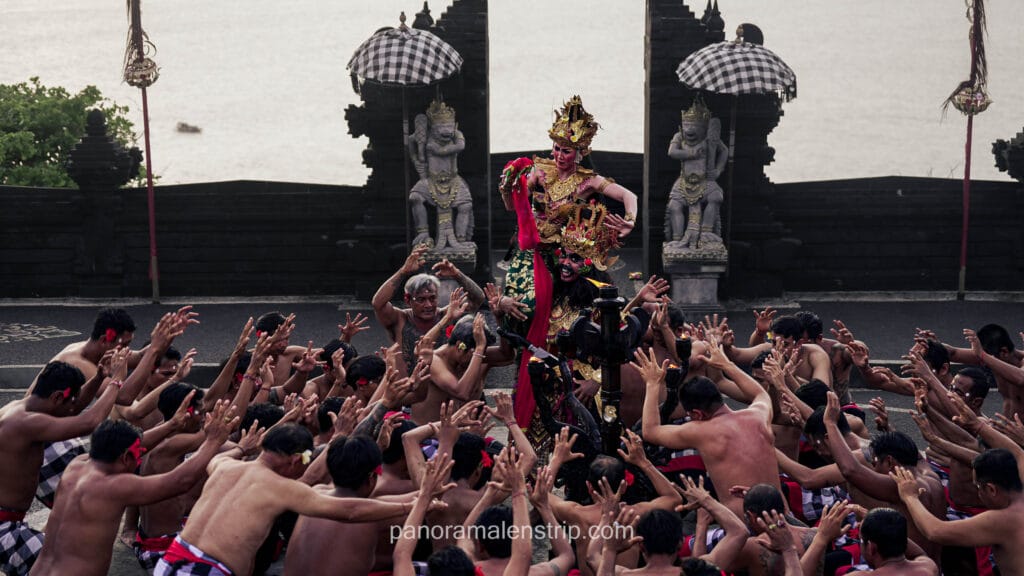
Ubud sits at Bali’s cultural and spiritual center. The Campuhan Ridge Walk delivers misty dawn compositions with layered jungle topography as a natural backdrop. Tegallalang Rice Terrace — best photographed in the two hours after sunrise — rewards wide-angle lens work. The Sacred Monkey Forest offers close-range wildlife photography in a dense, atmospheric environment. Ubud’s evening Kecak fire dance performances are among the most dramatic cultural photography subjects in Southeast Asia.
Morning mist burns off quickly in Ubud. Arrive at any terrace or ridge location by 6:00 AM. A 16–35mm focal length captures the sweeping foreground interest that defines the classic Tegallalang composition.
Also read: Top Bali Cultural Experiences: Dance, Temples & Cuisine
Which Coastal Areas Offer the Best Sunset Photography?
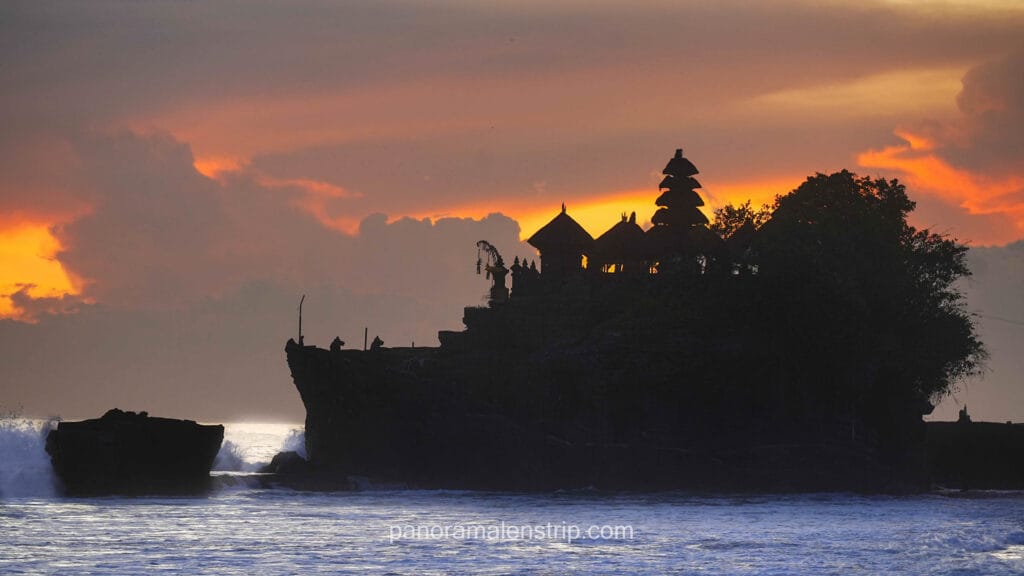
Uluwatu delivers Bali’s most dramatic sunset photography. The Pura Uluwatu temple sits on a limestone cliff approximately 70 meters above the Indian Ocean. The cliff-top vantage point aligns the temple silhouette directly against the setting sun from May through August. A polarizing filter eliminates ocean glare. Long-exposure techniques (1–4 seconds) smooth the surf breaking against the cliff base. Seminyak and Echo Beach provide flatter coastal compositions better suited to wide, panoramic sunset frames.
Where Can Photographers Find Bali’s Hidden Landscapes?
Eastern Bali — specifically Amed, Sidemen Valley, and Munduk in the north — offers landscapes that remain largely free of mass tourism. Sidemen Valley displays terraced rice fields backed directly by the active volcanic topography of Gunung Agung. Amed’s black sand coastline and coral-rich waters create unique above-and-below compositions. Munduk’s twin lakes — Tamblingan and Buyan — reflect the surrounding jungle in early morning stillness. These locations reward visitors who build flexibility into their itinerary.
Learn more: Best Bali Photography Spots: Sunrise, Temples & Waterfalls
How Do You Get to Bali and Around the Island?
Bali is served by Ngurah Rai International Airport (DPS), located in the Kuta district in southern Bali. Direct and one-stop connections operate from Dubai (Emirates), Sydney and Melbourne (Garuda, Jetstar, Qantas), major European cities via Singapore or Kuala Lumpur, and multiple US gateways via Tokyo or Hong Kong. Flight time from Dubai is approximately 8 hours. From Sydney, expect 6 hours.
What Is the Best Way to Get Around Bali as a First-Time Visitor?
For first-time visitors carrying camera equipment, a private driver is the most practical and reliable transport option. Bali’s roads are narrow, traffic in south Bali is unpredictable, and a scooter offers no protection for a camera bag holding $3,000–$8,000 in gear. A full-day private driver hire costs approximately $40–$65 USD and provides door-to-door flexibility. Organized photography tours — which include pre-scouted locations, timed arrivals, and gear logistics — eliminate all transport variables entirely.
Ride-hailing apps (Gojek, Grab) function well in urban areas. However, they cannot access many temple car parks or highland locations where conventional vehicle permits are required.
Do You Need a Visa to Visit Bali in 2026?
Travelers from over 95 countries — including all EU member states, the United States, Australia, and the UAE — qualify for Bali’s Visa on Arrival (VoA) program. The VoA costs approximately $35 USD, grants a 30-day stay, and is extendable once for an additional 30 days. An Electronic Visa on Arrival (e-VOA) can be purchased online before departure, bypassing the airport queue entirely. Passport validity of at least six months beyond your intended departure date is mandatory.
What Should Every Visitor Know About Balinese Culture and Etiquette?
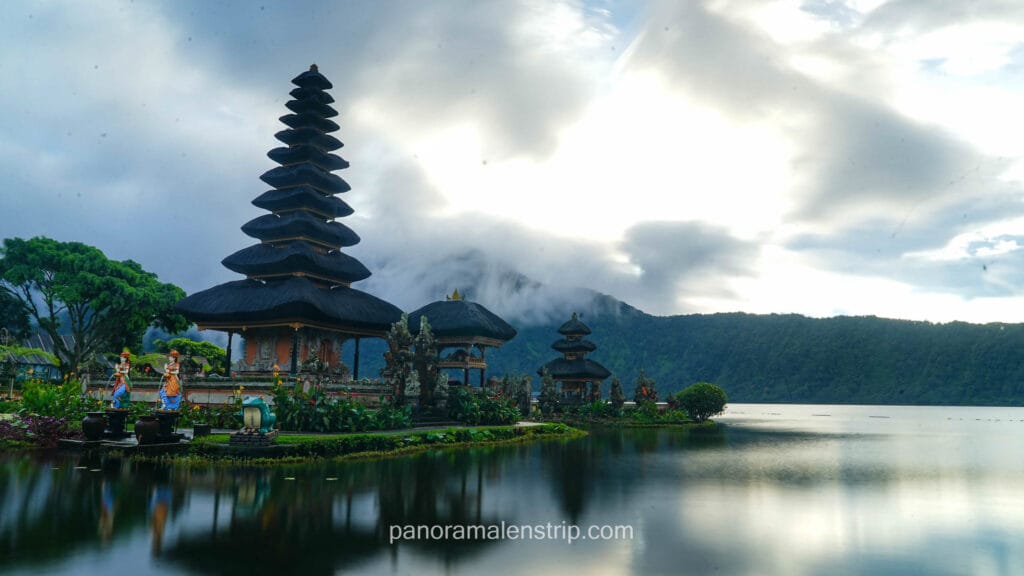
Bali is a deeply religious Hindu island. Temple ceremonies, cremation processions, and daily offerings are central to daily life — not tourist performances. Respectful behavior at sacred sites is legally required and socially expected. Visitors who approach Bali’s culture with genuine curiosity rather than superficial interest have a fundamentally different experience of the island.
How Should Visitors Behave at Balinese Temples?
All visitors entering a Balinese temple must wear a sarong and sash. These are almost always available to rent or borrow at temple entrances for a nominal fee. Photography inside the inner sanctum (jeroan) is typically prohibited. Maintain a quiet, observant presence during active prayer or ceremony. An 85mm lens allows respectful distance for candid portrait work without intruding on ritual space. Pura Besakih — Bali’s “Mother Temple” on the slopes of Gunung Agung — requires a licensed local guide for access.
Menstruating women are asked not to enter temple grounds. This is a sincerely held spiritual convention, not an arbitrary restriction. Respect it without debate.
What Cultural Events Should Photographers Plan Around?
Three ceremonial events offer exceptional photographic access. Galungan — celebrated every 210 days on the Balinese Pawukon calendar — lines every road in Bali with penjor bamboo poles and brings families to temple in full ceremonial dress. Odalan temple anniversary celebrations occur at individual temples throughout the year. Nyepi, the Balinese Day of Silence, falls in March; the Ogoh-Ogoh parade on Nyepi’s eve is one of Southeast Asia’s most dramatic and photographable street events. Align your travel dates to coincide with at least one of these events.
What Photography Gear Should You Bring to Bali?
The ideal Bali photography kit balances versatility against portability. A three-lens setup — wide-angle (16–35mm), standard zoom (24–70mm), and short telephoto (70–200mm or an 85mm prime) — covers every major photographic situation the island presents. Mirrorless systems outperform DSLRs in Bali’s humid, high-dust environment. A weather-sealed body is not mandatory but is strongly recommended for wet season travel and waterfall locations.
Which Camera Settings Work Best for Bali’s Diverse Light Conditions?
Bali presents extreme contrast between environments. Managing the exposure triangle correctly for each situation is essential. At golden hour over rice terraces, expose for the highlights (overexposed sky ruins the shot) and recover shadow detail in post using a RAW file. Inside temple interiors, raise ISO to 1600–3200 and use a wide aperture (f/1.8–f/2.8) to preserve ambient light without flash. For tropical midday shooting, use a circular polarizing filter to manage sky glare and boost color saturation without over-processing. Always shoot RAW format. Bali’s color temperature shifts dramatically between morning mist (cool, approximately 4500K) and midday sun (harsh, 6000K+).
What Accessories Are Non-Negotiable for a Bali Photography Trip?
A circular polarizing filter is non-negotiable. It manages ocean glare at Uluwatu and saturates the green of rice terraces. A variable ND filter (3–10 stops) enables long-exposure waterfall shots at Sekumpul and Gitgit. A quality rain sleeve — not a plastic bag — protects your body during sudden tropical downpours. Extra batteries are essential; Bali’s heat drains battery life 30–40% faster than temperate climates. Drone operators must comply with Indonesia’s Civil Aviation Authority (ICAO) regulations: registration, no-fly zones around temples and airports, and maximum altitude of 150 meters.
| Item | Why You Need It | Priority |
|---|---|---|
| Circular Polarizing Filter | Manages glare, boosts color saturation | Essential |
| Variable ND Filter (3–10 stop) | Long exposures at waterfalls and coastlines | Essential |
| Rain Sleeve | Protects gear during sudden downpours | Essential |
| Extra Batteries (×2 minimum) | Heat accelerates drain significantly | Essential |
| Wide-Angle Lens (16–35mm) | Rice terrace and landscape compositions | Essential |
| 85mm Prime or 70–200mm Zoom | Temple portraits and compressed landscapes | Recommended |
| Lightweight Travel Tripod | Golden hour and long-exposure work | Recommended |
| Lens Cleaning Kit | Daily dust and humidity management | Recommended |
| Drone (with ICAO registration) | Aerial perspective of terraces and coastlines | Optional |
How Do You Plan a First-Time Bali Itinerary That Isn’t Generic?
A first-time Bali itinerary should balance cultural access, landscape photography windows, and realistic inter-regency travel time. This is the section of any Bali travel guide most visitors underuse. The most common planning mistake is treating Bali as a small island. Driving from Ubud to Uluwatu takes 90 minutes in normal traffic. Driving from Ubud to Amed takes 2.5 to 3 hours. Build buffer time between regions rather than stacking destinations into a single day.
What Does a 7-Day Bali Photography Itinerary Look Like?
- Day 1: Arrive Ngurah Rai. Transfer to Ubud. Evening: Campuhan Ridge orientation walk.
- Day 2: Pre-dawn Tegallalang Rice Terrace. Morning: Tirta Empul water temple. Afternoon: Ubud market, Sacred Monkey Forest.
- Day 3: Full day in Ubud highlands. Kintamani volcano viewpoint at sunrise. Afternoon: Pura Ulun Danu Batur reflection shots.
- Day 4: Transfer east. Sidemen Valley dawn shoot. Afternoon: Pura Besakih ascent. Evening: Amed arrival.
- Day 5: Amed sunrise. Snorkeling/underwater photography session. Afternoon: drive to Canggu.
- Day 6: Canggu beach dawn. Afternoon: Uluwatu cliff reconnaissance. Sunset and Kecak fire dance at Pura Uluwatu.
- Day 7: Morning: Tanah Lot Temple at low tide. Afternoon: departure transfer.
72% of first-time visitors underestimate inter-regency travel time, averaging 2–3 hours between Ubud and Uluwatu during peak traffic periods. Build that time into every day that crosses a regional boundary.
Is 7 Days in Bali Enough, or Should You Extend Your Trip?
Seven days in Bali is enough to see the highlights. It is not enough to experience them. A 7-day itinerary produces a rushed sequence of famous landmarks. A 10–14 day itinerary unlocks the texture of the island — morning markets in Sidemen, Munduk lake reflections at 5:00 AM, a private Odalan ceremony invitation through a local guide connection. The eastern regencies, in particular, reward visitors who have shed the urgency of a packed itinerary. For photography specifically, returning to the same location across multiple mornings produces the breakthrough composition that a single-visit schedule rarely delivers.
Stop building a generic itinerary from travel forums. Map out your perfect Indonesia photography journey — across Bali, Lombok, Java, and beyond — with a free, no-obligation route consultation from our expert team.
Get your free Trip consultation here! →
Frequently Asked Questions About Visiting Bali
Is Bali Safe for Solo Travelers?
Bali is consistently rated among Southeast Asia’s safest destinations for solo travelers, including solo women. Petty theft occurs in crowded tourist areas. Keep camera bags zipped and worn in front in markets. Traffic is the most significant physical hazard. Use registered transport rather than unmarked vehicles. Solo photography travelers benefit strongly from joining an organized tour for logistical safety and access to pre-vetted locations.
What Currency Does Bali Use and How Much Cash Should I Carry?
Bali uses the Indonesian Rupiah (IDR). As of 2025, 1 USD equals approximately 15,800–16,200 IDR. ATMs are widely available in tourist areas but often charge withdrawal fees. Markets, warung food stalls, parking attendants, and temple entrance fees require cash. Budget approximately $50–$80 USD per day in local cash for a comfortable experience, excluding accommodation and tour costs.
What Is the Difference Between a Bali Photography Tour and a Standard Tour?
Most standard Bali travel guide content covers landmarks. A photography tour goes further. A standard tour visits landmarks during business hours. A photography tour times every arrival around optimal light — typically pre-dawn and the first two hours after sunrise. Photography tours include logistical elements that standard tours omit: tripod-friendly transport, pre-scouted composition angles, knowledge of seasonal changes in location conditions, and guidance on camera settings specific to each environment. The itinerary is built around the light, not around the schedule.
Can Beginners Join a Photography Tour in Bali?
Yes. Panorama Lens Trip designs tours for a range of experience levels, from smartphone photographers to professionals with full mirrorless systems. The value of a guided photography tour for beginners is disproportionately high: having an expert guide your exposure decisions and composition choices in the field accelerates learning faster than months of solo practice. No specific camera body or lens is required to join.
What Is the Average Cost of a Premium Bali Tour in 2026?
Premium photography tours in Bali range from $150–$350 USD per day for private guided experiences, inclusive of transport, entrance fees, and in-field instruction. Multi-day packages covering multiple Indonesian regions — combining Bali with Lombok, Java, or Komodo — range from $1,800–$4,500 USD for 7–10 day packages. These figures represent a fraction of the total trip cost for high-net-worth travelers and guarantee access to locations and timing windows that independent planning rarely achieves.

Final Verdict — Is Bali Worth It for First-Time Visitors in 2026?
Bali earns its reputation — but only for visitors who approach it with intention. The island rewards preparation. A traveler who times arrivals around golden hour, respects the ceremonial calendar, and ventures beyond the southern tourist corridor will encounter a Bali that most social media feeds have never shown. Our team has documented that experience across hundreds of tours. The images are real. The access is achievable.
Bali in 2026 remains one of the most photographically and culturally rich destinations on Earth. It is also more crowded and more commercially developed than it was a decade ago. That makes informed planning not optional — but essential. Use this Bali travel guide as your foundation. Extend it with local knowledge. And if you are serious about returning with photographs that reflect the real depth of the island, invest in the guidance of someone who has already walked every sunrise path on your behalf.
Panorama Lens Trip specializes in premium photography tours and long day tours across Indonesia, including Bali, Lombok, Java, Komodo, and Kalimantan (Borneo). This Bali travel guide is produced from active, on-the-ground tour operations. All field data, timing recommendations, and gear notes reflect direct experience.