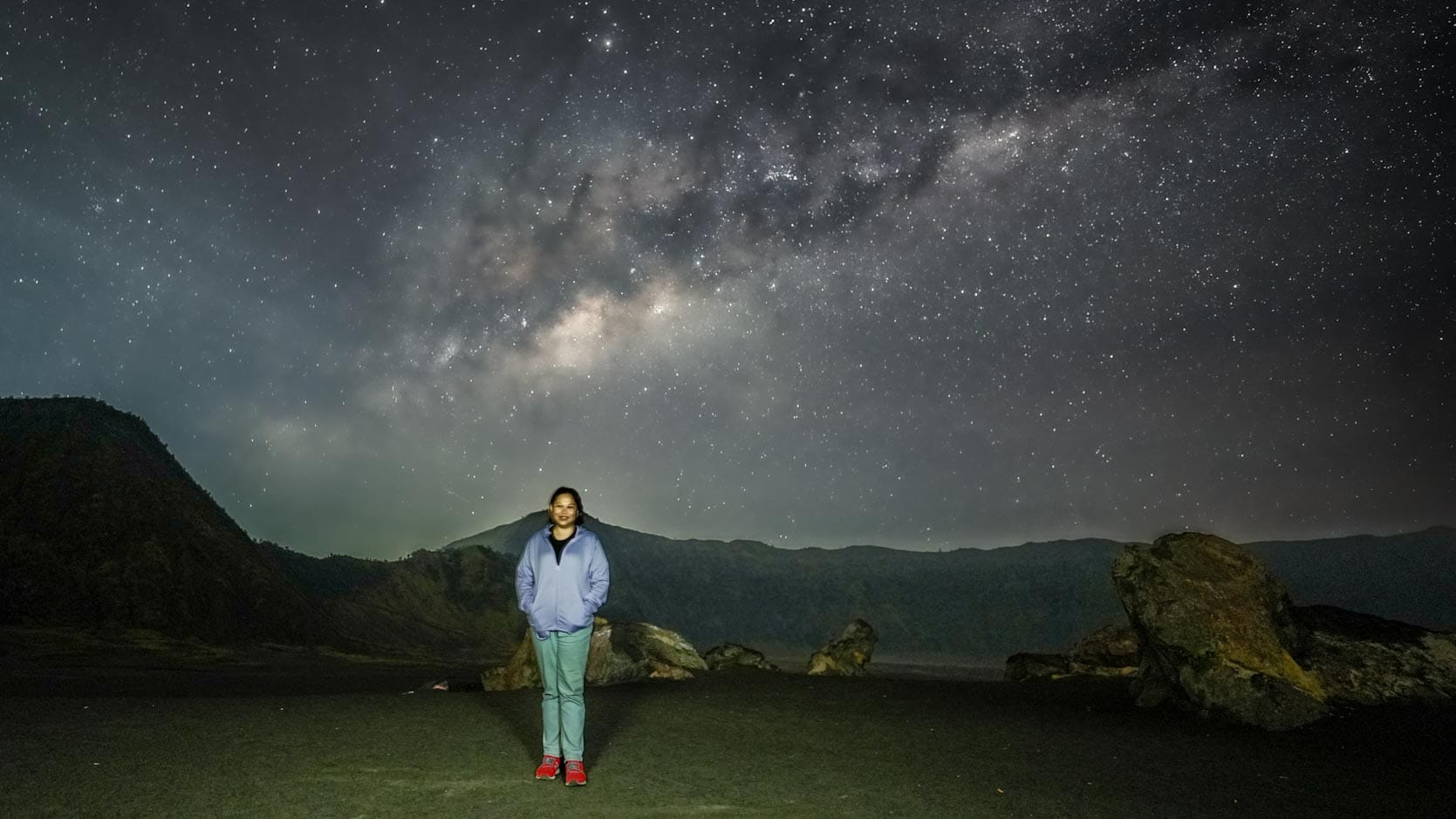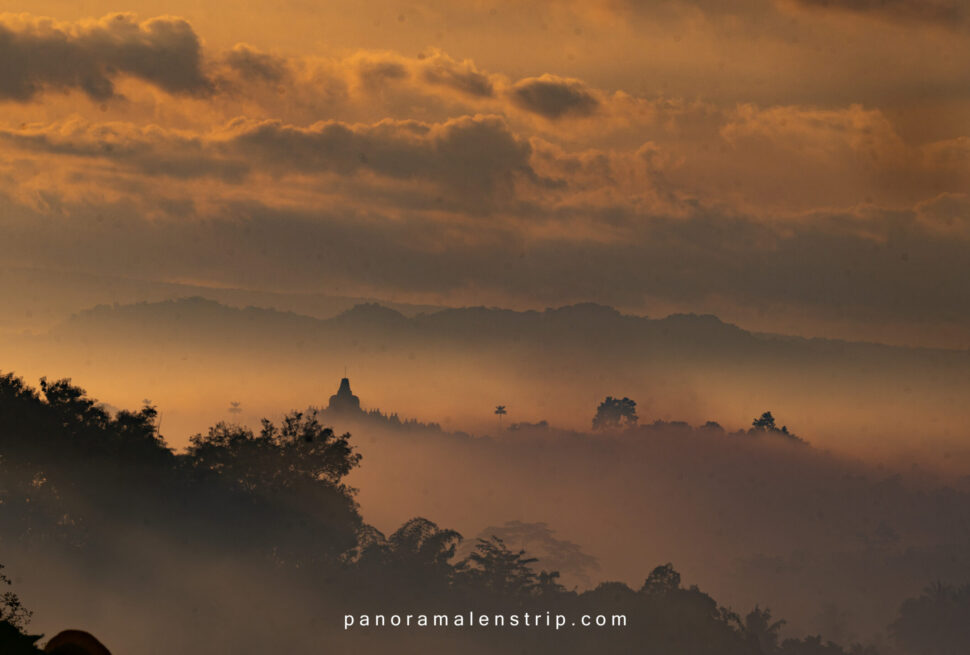
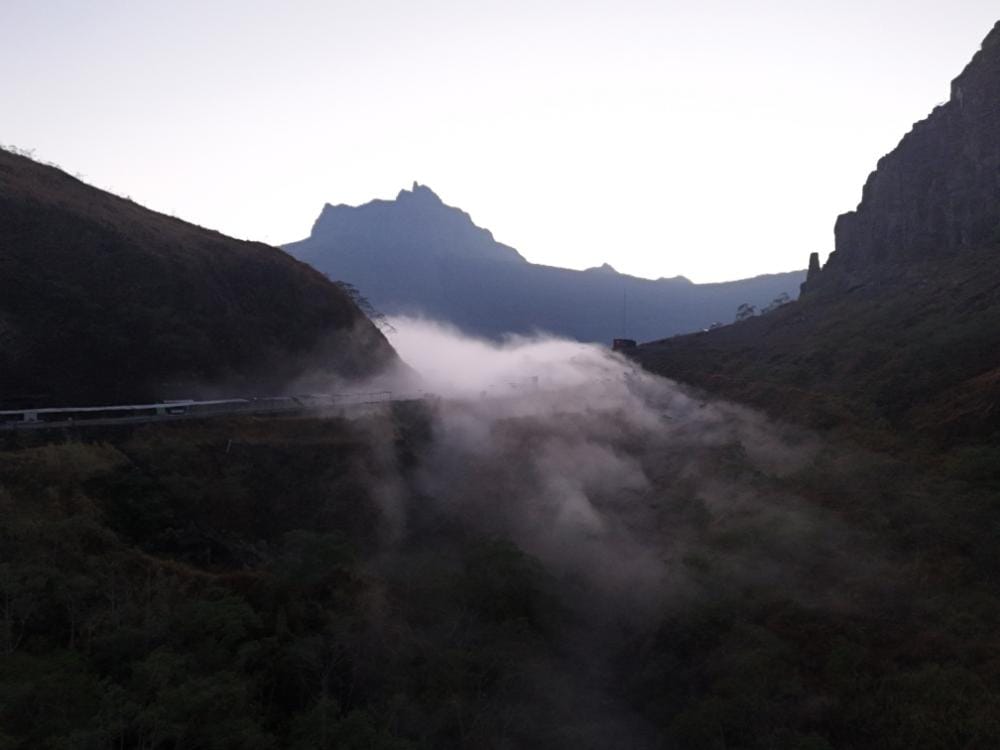
Some volcanoes are admired from a distance; Mount Kelud invites travelers to step closer and experience a landscape shaped by fire, time, and dramatic renewal. What makes this East Java destination stand out is not only its active volcanic identity, but also the rare combination of a vast caldera, steep crater walls, shifting mist, and viewpoints that feel remarkably personal compared with more crowded mountain attractions. For photographers, explorers, and nature lovers alike, Mount Kelud offers something few places can match: a powerful volcanic setting that remains visually stunning even after major change.
This guide will explain why Mount Kelud has become a premier volcano destination in East Java, from its eruption history and evolving crater scenery to the best access routes and the advantages of private tours. Readers will also learn when to arrive for sunrise and sunset, what to expect on the trek, and which viewpoints deliver the most memorable panoramas. Whether the goal is landscape photography, a quiet adventure, or a deeper understanding of Indonesia’s volcanic geography, Mount Kelud continues to reward those who visit with patience and respect.
By the end of this article, travelers will have a clear, practical roadmap for experiencing the caldera, the crater, and the surrounding highland views in the most rewarding way possible.
1. Why Mount Kelud Stands Out in East Java
A Volcano That Balances Power and Accessibility
Mount Kelud stands out in East Java because it offers something many volcano destinations do not: a rare combination of active volcanic character, dramatic caldera scenery, and a tourism experience that is relatively easy to access. For travelers who want more than a standard mountain visit, it delivers a landscape shaped by eruption, erosion, and time, all within a setting that feels both powerful and approachable.
Why It Draws So Much Attention
Its visual identity is unmistakable. Steep volcanic slopes, a broad caldera, crater views, and shifting layers of mist create a scene that feels almost cinematic, especially in the early morning. Photographers are drawn to the contrast between rugged geology and soft light, while nature-focused visitors appreciate the sense of scale and atmosphere that Mount Kelud provides. The volcano’s reputation is equally important: it is known across Indonesia for its dynamic history, which gives every viewpoint a deeper sense of meaning.
A Premier Destination in the Region
Compared with many other volcanoes in East Java, Mount Kelud is especially compelling because it combines natural drama with a visitor experience that can be planned efficiently. This makes it suitable for sunrise trips, private photography outings, and short exploration itineraries. The core question, then, is simple: what makes Mount Kelud a premier volcano destination? The answer lies in its rare blend of geological significance, striking scenery, and rewarding access for travelers seeking an authentic volcanic landscape.
2. Mount Kelud’s Volcano Identity and Eruption History
A Stratovolcano Shaped by Repeated Eruptions
Mount Kelud is a classic stratovolcano, built layer by layer from lava, ash, and pyroclastic material over thousands of years. This volcanic structure explains why the mountain has such steep slopes, a dramatic summit profile, and a landscape that continues to evolve with each major eruption. Unlike older, heavily eroded mountains, Mount Kelud still feels active and dynamic, with terrain that reflects both destruction and renewal.
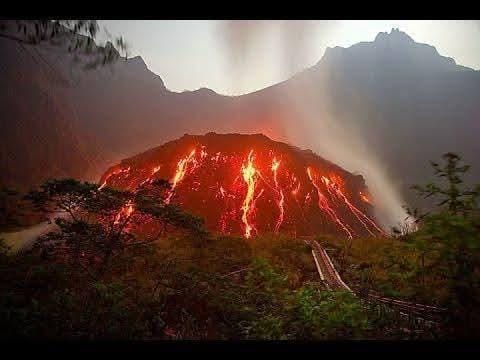
The 2014 Eruption and the Loss of the Lava Dome
The 2014 eruption marked a major turning point in Mount Kelud’s visual identity. Before that event, the volcano was especially known for its lava dome, a prominent feature that gave the crater a distinct shape and presence. The eruption removed much of that dome, dramatically altering the summit area and reshaping the volcano’s appearance. In practical terms, this changed the destination from a landscape defined by a single central mass to one marked by a more open, raw, and exposed volcanic basin.
Why It Still Feels Powerful Today
Even after the 2014 changes, Mount Kelud remains one of East Java’s most compelling volcanic destinations. Its transformed crater, ash-covered slopes, and rugged relief create a striking sense of scale and geological power. For travelers and photographers, this is part of the appeal: the mountain offers a visible record of nature’s force, making each viewpoint feel both scenic and historically significant.
3. Caldera Landscape, Craters, and Signature Viewpoints
A Landscape Shaped by Fire and Time
Mount Kelud is memorable not only for its volcanic history, but for the striking caldera scenery that surrounds it. The mountain presents a layered visual experience: steep black cliffs, broad crater walls, and sweeping green slopes that soften the dramatic volcanic forms. This contrast is one of the main reasons travelers and photographers return again and again.
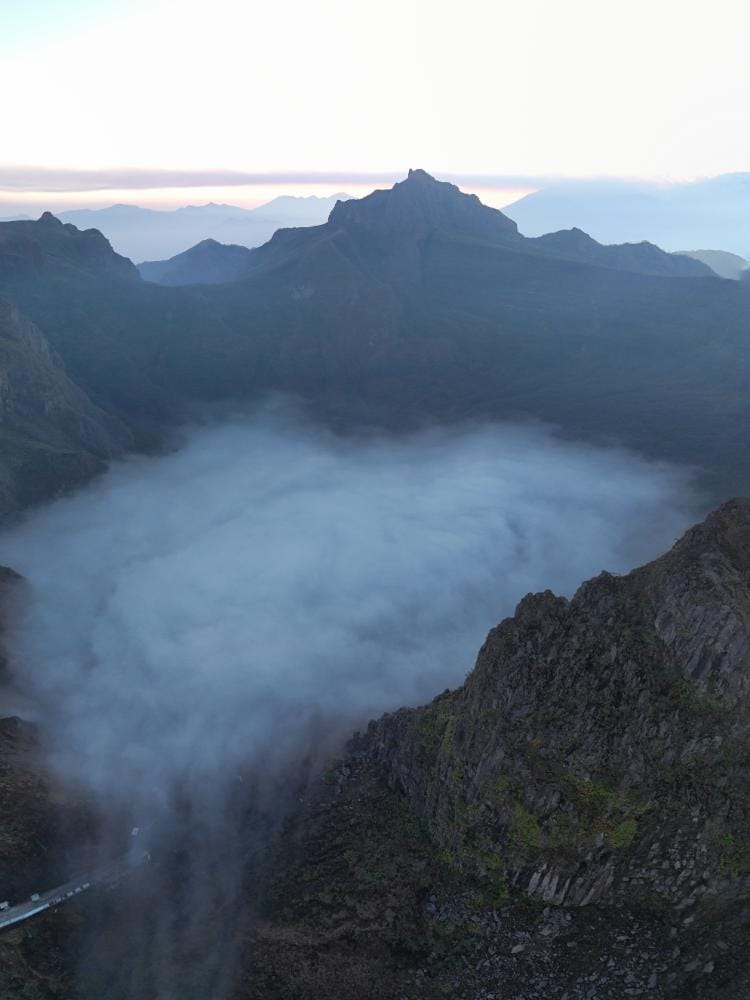
The caldera zone is especially compelling because its atmosphere changes throughout the day. In the early morning, mist often rises through the valley, creating a quiet, almost cinematic scene. By contrast, late afternoon light can reveal the texture of the ridgelines and the rugged edges of the crater with far greater depth. If you want the strongest visual impact, aim for times when clouds are moving quickly across the landscape, as this adds motion and scale to wide-angle photos.
Signature Viewpoints for Immersive Sightseeing
Several viewpoints around Mount Kelud offer different perspectives on the crater and surrounding slopes. Some overlook the crater interior, while others frame the mountain from a distance, giving a better sense of the full caldera shape. This variety makes the destination ideal for immersive sightseeing, especially for visitors who enjoy comparing foreground cliffs, midground ridges, and distant volcanic layers.
For landscape photography, bring a lens that captures both wide panoramas and tighter detail. A 24–70mm range is often useful for balancing expansive scenery with crater textures.
4. Best Access Routes and the Sugihwaras Entrance
Reaching Mount Kelud from the Kediri Side
For most travelers, the most practical way to visit Mount Kelud is through the Kediri side, where road access is straightforward and the route is well-suited to private vehicles, motorbikes, and small-group tours. Among the available access points, the Sugihwaras entrance is especially convenient because it offers a clear travel flow from the parking area to the crater zone.
Why Sugihwaras Is a Smart Entry Point
After arriving at the entrance, visitors typically continue to the parking area and then move closer to the crater by local transport or a short onward transfer, depending on current site arrangements. The distance from the lower access point to the main crater area is manageable, which helps keep the visit comfortable for a broad range of travelers, including families, casual sightseers, and photographers carrying equipment.
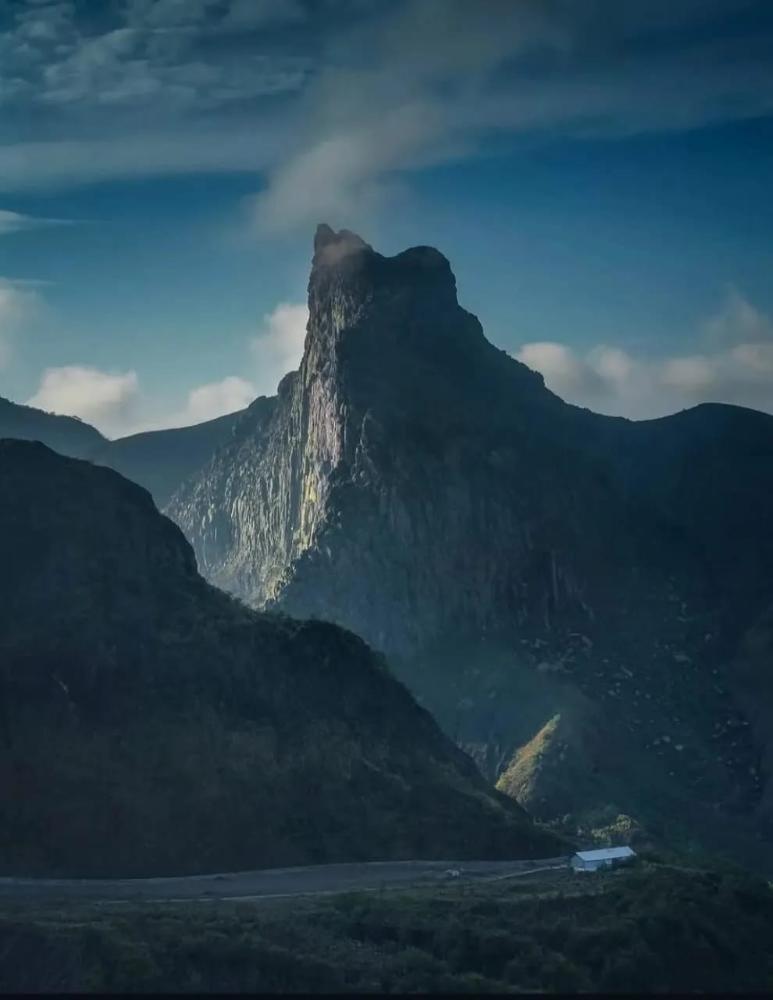
The approach is one reason Mount Kelud continues to work so well for private or small-group visits. The route is direct, the scenery becomes more dramatic as elevation increases, and the transition from road access to volcanic viewpoints feels efficient rather than physically demanding. For travelers planning a flexible itinerary, this access pattern makes it easy to combine the crater area with sunrise stops, photo breaks, or a slower-paced exploration of the surrounding highland landscape.
If you want a destination that is impressive yet still approachable, the Sugihwaras route helps make Mount Kelud a practical and rewarding choice.
5. Private Tour Advantages for Photographers and Explorers
Why Private Tours Work Especially Well at Mount Kelud
A private tour can make a meaningful difference at Mount Kelud, especially for photographers, videographers, and travelers who prefer a calm, highly organized experience. Unlike fixed-group itineraries, a private arrangement gives you the freedom to adjust departure time, pause longer at viewpoints, and move at a pace that suits your creative goals. This is especially useful when lighting changes quickly around the caldera and crater rim.
For photographers, flexibility is often the biggest advantage. If mist lingers over the valley, your guide can wait for a clearer opening rather than rushing onward. If you want a longer stop for wide landscape shots, drone framing, or short-form video clips, the route can be adapted accordingly. For explorers, a private tour also reduces time lost to coordination, making the visit more efficient from entrance to viewpoint.
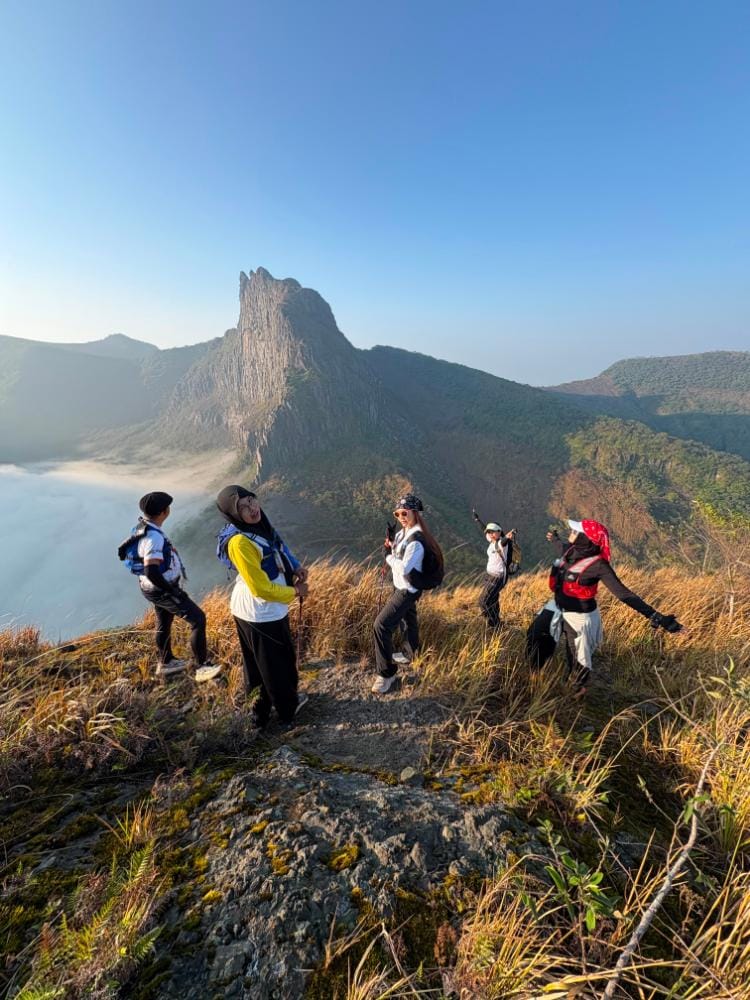
More Comfortable Route Planning and Quiet Observation
Mount Kelud rewards unhurried observation. A private guide can help shape the itinerary around weather conditions, crowd levels, and your preferred level of walking. This can include timing stops for softer light, selecting less busy photo points, and building in rest breaks when needed. For guests who want a more focused and comfortable experience, that personalized structure can significantly improve the overall visit.
Private tours are also ideal for travelers who want to absorb the volcanic landscape without distraction. With fewer schedule pressures, it becomes easier to study the crater scenery, capture thoughtful compositions, and enjoy Mount Kelud as a place of both natural power and visual detail.
6. Sunrise and Sunset Timing for the Best Volcano Views
Why Timing Matters at Mount Kelud
The most dramatic views at Mount Kelud often happen at sunrise or late afternoon, when low-angle light reveals the volcano’s texture in a way midday sun cannot. Arriving before first light is especially valuable because the landscape changes quickly: cool blue shadows soften the crater walls, then warm gold and amber tones gradually illuminate the cliffs, ridgelines, and mist-filled valleys. In clear conditions, this transition can create one of the most photogenic scenes in East Java.
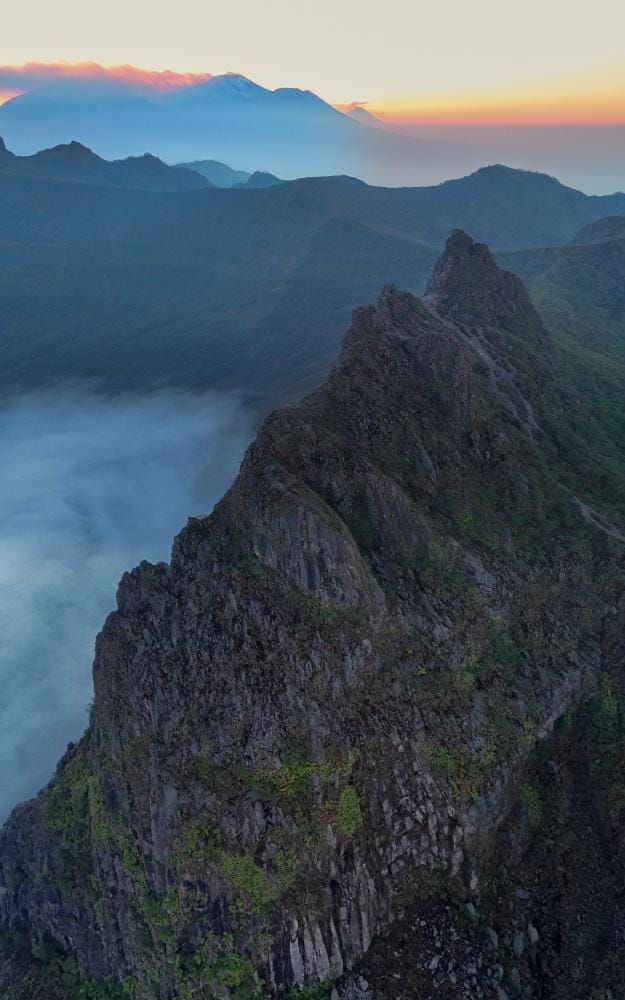
Sunrise: The Best Window for Atmosphere
For sunrise, plan to arrive at least 45–60 minutes early. This gives travelers time to park, move to a viewpoint, and settle in before the light shifts. At Mount Kelud, the dawn often brings layered mist, which can sit below the ridge and make the caldera look especially expansive. If the sky is partly clear, the first light can catch the crater edge and surrounding slopes with remarkable contrast.
Sunset: Rich Color and Strong Silhouettes
Sunset offers a different mood. The cliffs and crater take on deeper orange and red tones, and the volcanic terrain can appear more sculpted as shadows lengthen. Late afternoon is also a practical time for visitors who prefer softer temperatures and calmer conditions.
Weather and Visibility
Volcanic scenery is highly weather-dependent. Light clouds and mist can enhance the view, but heavy fog or rain may obscure the crater entirely. Checking local forecasts and building flexibility into your schedule is the best way to increase your chances of experiencing Mount Kelud at its most striking.
7. What to Expect on the Trek and Around the Crater Area
Trekking Conditions and Terrain
The on-site experience at Mount Kelud is generally manageable, but visitors should expect a mix of paved access roads, stepped sections, and short walking paths with uneven surfaces. The main viewpoints are typically reached without a full technical climb, which makes the area accessible to a wide range of travelers. That said, the terrain around the crater can be steep in places, and early morning conditions often include mist, damp ground, or reduced visibility.
Moving Between Scenic Points
Most visitors explore Mount Kelud by combining walking with local transport, such as motorbike taxis in designated areas. This can be especially helpful when moving between the entrance road, crater viewpoints, and higher photo stops. Roads inside the volcanic zone are usually narrow and winding, so private tours are often the most comfortable option for those who want a smoother, time-efficient visit. Drivers familiar with the route can also help avoid unnecessary stops and keep the experience relaxed.
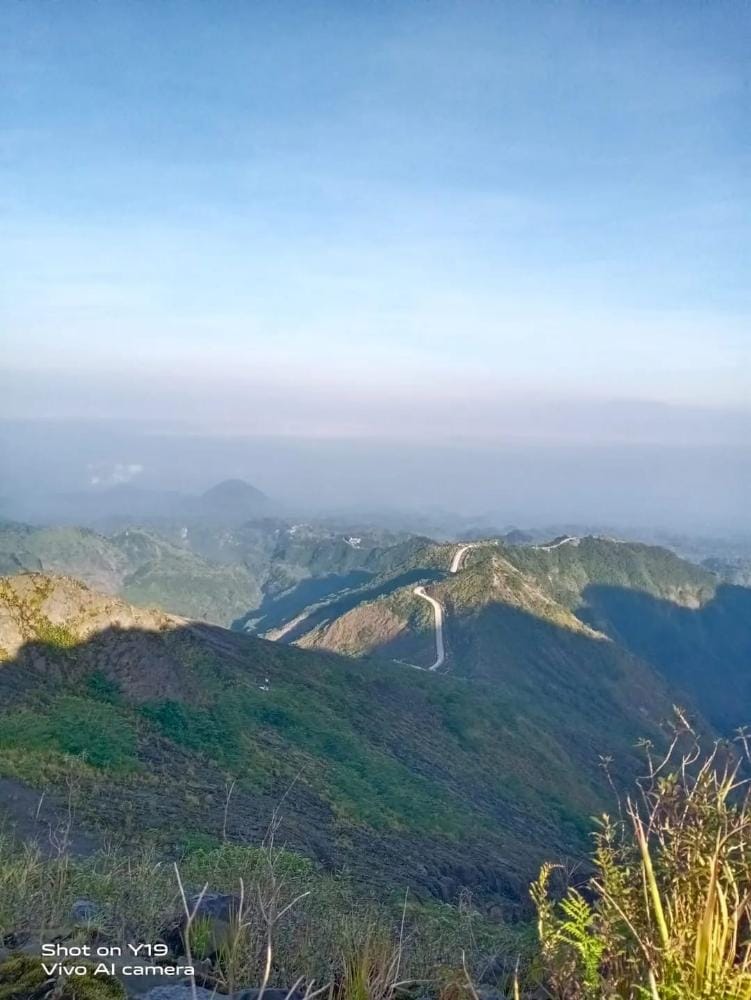
Practical Comfort and Safety Tips
Wear sturdy shoes with good grip, as loose gravel and uneven steps can make casual sandals less suitable. Bring water, sun protection, and a light layer for cooler highland air. Visitors who plan to photograph Mount Kelud should allow extra time for walking between viewpoints, especially if they want to wait for better light or changing crater conditions. The most enjoyable visits usually come from pacing the route carefully and staying aware of weather, road conditions, and local guidance.
8. Why Mount Kelud Remains a Must-Visit Destination
A Volcano That Combines Power and Accessibility
Mount Kelud remains a standout destination in East Java because it offers something rare: a dramatic volcanic landscape that is still relatively accessible for many travelers. Its active history, caldera setting, and ever-changing crater environment make it a compelling place for those interested in geology, natural history, and landscape exploration. Even after major eruptions reshaped the mountain, the site continues to draw visitors who want to witness the scale and character of an Indonesian volcano up close.
Strong Value for Private Tours and Photography
For private-tour travelers, Mount Kelud is especially rewarding. Routes such as the Sugihwaras access point allow for a more tailored experience, whether the focus is sunrise, crater viewpoints, or a slower pace for photography. Early departures can help visitors catch mist-filled valleys, soft dawn light, and clear layers of volcanic terrain before the area becomes busier. Photographers often find that the mountain’s ridgelines, crater clouds, and broad caldera views create excellent composition opportunities throughout the day.
A Destination That Stays Memorable
What keeps Mount Kelud firmly on the list of must-visit destinations is the balance it offers: raw geological power, manageable access, and striking visual appeal. It is not only a place to see a volcano, but a place to experience how nature reshapes itself and leaves behind a landscape of lasting beauty. For travelers seeking both meaning and memorable views, Mount Kelud continues to deliver.
Conclusion
Mount Kelud stands out in East Java because it offers far more than a dramatic volcanic profile. It combines a powerful eruption history, a striking caldera landscape, accessible routes, and exceptional viewpoints that reward both careful travelers and experienced photographers. From the Sugihwaras entrance to the crater rim, every stage of the journey reveals a different side of the volcano: misty slopes, rugged terrain, and a crater environment that feels both raw and unforgettable. For those seeking a more personalized experience, private tours add clear value by improving timing, flexibility, and access to the best light for sunrise and sunset photography.
What makes Mount Kelud truly premier is the balance it achieves between adventure and comfort, intensity and beauty, history and living landscape. It is a destination that invites observation, reflection, and discovery in equal measure. Whether the goal is to capture the crater’s shifting atmosphere, explore the trek with greater ease, or simply experience one of Java’s most remarkable volcanoes, Mount Kelud consistently delivers. If you are ready to see East Java from a truly unforgettable perspective, now is the time to plan a journey that goes beyond the ordinary.