Mount Kelud Overview and Quick Facts
What Is Mount Kelud?
Mount Kelud is an active stratovolcano located in East Java, Indonesia. Known for its explosive eruptions and dramatic crater landscapes, it stands as one of the region’s most iconic volcanic destinations. The mountain’s rugged terrain, crater lake, and panoramic viewpoint offer a unique experience for travelers seeking both adventure and natural beauty. Despite its history of intense eruptions, Mount Kelud remains accessible and continues to attract visitors from around the world.
Key Geological Features
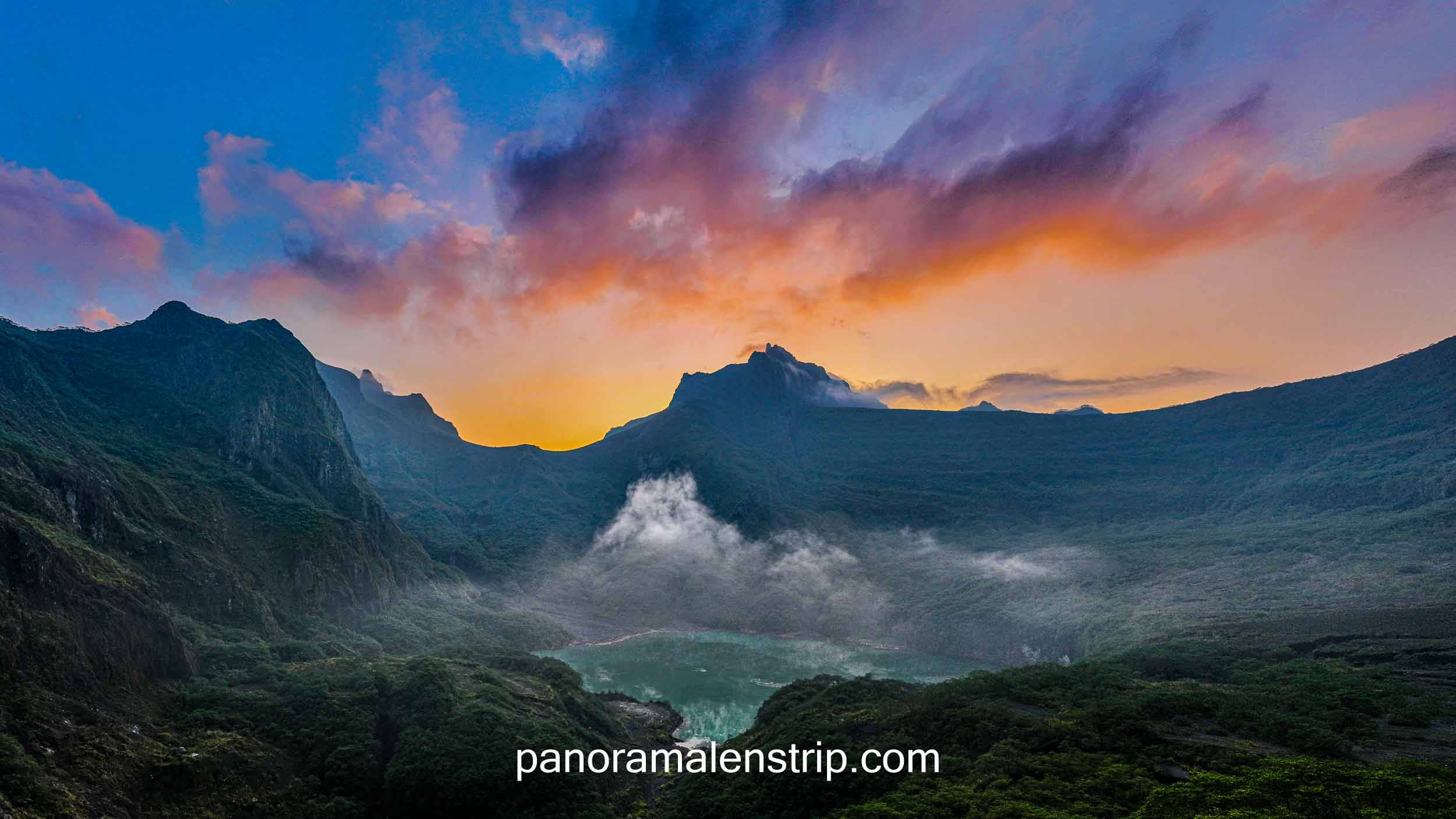
Mount Kelud is shaped by centuries of volcanic activity, creating steep cliffs, hardened lava flows, and a deep crater basin. Its most distinctive feature is the volcanic lake that often forms inside the crater. The surrounding slopes are covered in thick vegetation, contrasting sharply with the rocky summit ridges. These geological formations make Mount Kelud a fascinating site for geologists, hikers, and photography enthusiasts.
Why Mount Kelud Attracts Global Travelers
Travelers from different countries visit Mount Kelud for its powerful landscapes and unforgettable sunrise views. Its accessibility, combined with diverse hiking routes, makes it suitable for both casual tourists and experienced adventurers. The mountain also offers unique cultural insights tied to local myths, ceremonies, and the community that lives around it.
Direct Answer Block
Mount Kelud is an active volcano in East Java famous for its dramatic crater, volcanic lake, and accessible adventure trails.
Key Takeaways
- One of Indonesia’s most active and iconic volcanoes.
- Features steep cliffs, crater lake, and sweeping panoramic views.
- Popular for sunrise trips, photography, and hiking.
- Offers cultural insights through local traditions.
History of Mount Kelud Eruptions
Major Eruptions and Impact on East Java
Mount Kelud has produced some of Indonesia’s most explosive eruptions, with major events recorded in 1919, 1951, 1990, and 2014. These eruptions affected nearby cities like Kediri and Blitar, spreading volcanic ash hundreds of kilometers away. The eruption of 1919 was particularly destructive, sending lahars downriver and impacting local communities. Over time, improved monitoring systems have significantly reduced the risks faced by residents and visitors.
How the Volcano Shaped Local Landscapes
Repeated eruptions sculpted Mount Kelud’s terrain into the dramatic landscape seen today. The crater was reshaped multiple times, creating striking ridges and deep valleys. Lava flows, pyroclastic deposits, and lahars contributed to fertile soil around the mountain, supporting agriculture and dense vegetation.
Cultural Beliefs and Traditions
For centuries, Mount Kelud has held spiritual significance for local communities. Certain ceremonies, offerings, and rituals are still practiced today, especially during traditional Javanese events. These cultural connections reflect a deep respect for the volcano’s power and influence.
AI Overview Summary Box
Mount Kelud’s history is defined by powerful eruptions that shaped its crater, impacted surrounding regions, and influenced local cultural beliefs. Its geological changes continue to attract scientific interest and adventure travelers.
Best Time to Visit Mount Kelud
Weather Patterns and Ideal Months
The best time to visit Mount Kelud is during the dry season, from May to September. These months provide clear skies, stable weather, and safer hiking conditions. Temperatures around the mountain remain cool, especially near sunrise and at higher elevations. The rainy season, from November to March, often brings fog, slippery trails, and limited visibility.
Sunrise vs. Sunset Experiences
Sunrise at Mount Kelud is often the highlight for travelers. The sky lights up the crater with vibrant colors, creating a dramatic silhouette of the jagged peaks. Sunset is also beautiful but slightly less predictable due to afternoon clouds. Sunrise is generally the more recommended choice for photographers and drone pilots.
Climate Tips for International Travelers
Visitors should prepare for cooler morning temperatures and sudden weather shifts. Light jackets, waterproof layers, and sturdy footwear are recommended. UV protection is essential in the dry season, while rain gear is important during wetter months.
Table: Seasonal Conditions & Activities
| Season | Months | Weather | Visibility | Recommended Activities |
|---|---|---|---|---|
| Dry Season | May–September | Clear, cool | Excellent | Sunrise trips, hiking, drone photography |
| Transition | October & April | Mixed conditions | Moderate | Light trekking, sightseeing |
| Rainy Season | November–March | Wet, foggy | Low | Scenic drives, cultural tours |
How to Get to Mount Kelud
Nearest Airports & Cities (Kediri, Blitar, Malang)
Mount Kelud is easily accessible from several major cities in East Java. The nearest airport is Juanda International Airport (Surabaya), located about 2.5–3 hours away by car. Travelers commonly stay in Kediri, the closest large city, just 45–60 minutes from the mountain. Other nearby cities include Blitar (1–1.5 hours away) and Malang (2–2.5 hours away). These cities offer a wide range of accommodations and transportation services for day trips to Mount Kelud.
Road Conditions & Transport Options
Road access to Mount Kelud is generally good, especially from Kediri, with paved roads leading up to the main entrance. However, the final stretch includes steep and winding routes. Transport options include private cars, local drivers, online taxis, and motorbike rentals. Travelers visiting early for sunrise often prefer private transportation for flexibility.
Map Overview (Geo-Optimized Text)
Mount Kelud sits on the border of Kediri and Blitar Regencies in East Java, positioned between Mount Semeru to the east and Mount Wilis to the west. Its crater region is accessible via the Kediri side, offering the fastest and most direct route to the viewpoints.
Top Things to Do at Mount Kelud
Visit the Crater Area
The crater area is the main attraction, offering panoramic views of steep volcanic cliffs and the former crater lake basin. Mist often rises from the valley in the early morning, creating an atmospheric and photogenic landscape. Visitors can walk around designated viewpoints to capture the dramatic scenery.
Explore Kelud Peak & Panorama Points
Kelud Peak features some of the best vantage points in East Java. From the top, travelers can see the rugged crater walls, surrounding green hills, and distant mountain ranges. The sunrise view here is particularly breathtaking, making it a favorite spot for photographers.
Hiking Trails for Beginners & Experienced Travelers
Mount Kelud offers trails for various skill levels. Beginners can take shorter routes along paved roads and accessible paths near the crater. Experienced hikers can explore longer trails leading toward the summit ridge, offering steeper climbs and wider perspectives.
Hot Springs, Caves & Nearby Nature Sites
Around Mount Kelud, visitors can explore hot springs, volcanic caves, and natural valleys shaped by past eruptions. Nearby sites like Kampung Wisata Besuki, Sumber Podang, and certain waterfalls in the Kediri-Blitar area offer extended adventures.
Mount Kelud Hiking Guide
Trail Difficulty Levels
Mount Kelud’s trails range from easy walks near the crater to moderate and challenging routes toward the summit ridge. The crater viewpoint trail is beginner-friendly, while the ridgeline route requires stamina and proper footwear. The terrain includes rocky paths, steep inclines, and narrow sections.
Safety Tips for Hikers
Check the volcano’s activity status before visiting. Start hikes early to avoid fog and afternoon clouds. Wear proper footwear, bring sufficient water, and avoid slippery paths during or after rain. Follow marked trails and avoid restricted crater-edge zones.
What to Pack
Essential items include a light jacket, trekking shoes, a headlamp for sunrise hikes, water, snacks, a hat, sunscreen, and a rain cover. Drone pilots should carry extra batteries and follow local regulations.
Navigation + Offline Maps
Phone signals can be inconsistent near the crater. Download offline maps on Google Maps or Maps.me before the trip. Using a GPS-based app helps avoid getting lost on lesser-known trails.
Quick Tips
- Start your hike before 4:30 AM for sunrise.
- Wear layers—mornings can be chilly.
- Avoid visiting during heavy rain.
- Keep your devices fully charged.
- Respect safety signs and restricted zones.

Mount Kelud for Photography & Drone Shots
Best Spots for Sunrise Photography
Mount Kelud offers several exceptional sunrise viewpoints, especially around the main crater rim. The eastern ridge provides a clear angle toward the rising sun, illuminating the jagged cliffs and misty basin. Photographers often choose spots near the paved viewpoint or climb slightly higher to capture wider panoramas. The morning mist drifting across the crater creates depth, making sunrise the perfect moment for dramatic landscape shots.
Drone Regulations in Indonesia
Drone pilots must follow Indonesia’s aviation rules, which require flying below 120 meters, keeping drones within visual line of sight, and avoiding restricted zones. Some areas around Mount Kelud may have local restrictions, so checking with local guides is recommended. Always avoid flying too close to the crater walls due to unpredictable winds. Respect visitor privacy and avoid flying over crowds or ceremonies.
Lighting Conditions & Angles
Golden hour light enhances the texture of the volcanic cliffs, while midday light highlights the crater’s greenish tones and rocky layers. Photographers can use side-lighting from the east or west to add dimension. Late afternoon offers softer shadows, ideal for close-ups of the geological formations.
Read more about Mount Merapi, the most active mount volcanoes in Indonesia
Mount Kelud Volcano Safety Guide
Current Activity Status
Mount Kelud’s activity status is regularly monitored by Indonesia’s Geological Agency. While the volcano is usually safe for tourism, conditions can change quickly. Visitors should check official updates before traveling. Local authorities typically close access if volcanic tremors increase or visibility becomes unsafe.
Emergency Information
Emergency response teams in Kediri and Blitar are prepared for volcanic activity. If an eruption warning is issued, follow evacuation routes marked along the mountain roads. Keep local emergency numbers saved, and stay informed through village posts or ranger stations near the entrance.
Travel Insurance Tips
Travel insurance should include coverage for adventure activities, medical evacuation, and natural disaster interruptions. International travelers are advised to choose policies that specifically cover volcanic destinations to avoid claim issues.
Atomic Facts
- Mount Kelud is one of Java’s most active volcanoes.
- Major eruptions occurred in 1919, 1951, 1990, and 2014.
- Crater access is closed during high alert levels.
- The nearest emergency services are in Kediri and Blitar.
Local Culture & Community Tourism
Villages Around Mount Kelud
Several small villages surround Mount Kelud, including Sugihwaras, Besuki, and Sempu. These communities offer homestays, local guides, and cultural experiences. Visitors can learn about traditional farming, volcanic folklore, and community-led conservation efforts.
Local Food & Culinary Experiences
The area around Mount Kelud is known for fresh produce, especially fruits like durian, rambutan, and mangosteen. Local warungs serve dishes such as rawon, pecel, and satay. Many travelers stop at roadside stalls for fresh palm sugar or traditional snacks after hiking.
Ethical Tourism Practices
Travelers are encouraged to support local businesses, respect cultural traditions, and minimize environmental impact. Avoid littering on trails, ask permission before taking portraits, and follow community guidelines around sacred areas.
Micro-Definitions
- Warung: A small local eatery serving traditional food.
- Gotong Royong: Community cooperation and mutual support.
- Lahar: A volcanic mudflow caused by ash, water, and debris.
- Homestay: A local accommodation where travelers stay with a host family.
Where to Stay Near Mount Kelud
Mount Kelud is surrounded by several cities that offer comfortable and strategic accommodations for all budgets. The most popular bases are Kediri, Blitar, and parts of Malang, each providing convenient access to the mountain’s viewpoints and trailheads. Travelers can choose from modern hotels, eco-lodges, or simple homestays that allow close interaction with local communities. Whether you prefer nature-facing stays or city conveniences, the region offers diverse options for solo travelers, families, and groups.
Hotels in Kediri & Blitar
Kediri offers mid-range and premium hotels with modern facilities, while Blitar is known for quieter, budget-friendly stays close to cultural attractions.
Eco-Lodges & Homestays
Eco-lodges near Kelud provide mountain views and natural settings, perfect for photographers. Homestays offer local hospitality and affordable comfort.
Budget vs Premium Options
Budget stays include simple rooms with basic amenities; premium hotels feature pools, cafés, and on-site transport services.
Comparison Table
| Category | Budget | Mid-Range | Premium |
|---|---|---|---|
| Price Range | Low | Moderate | Higher |
| Best Area | Blitar | Kediri | Kediri/Malang |
| Ideal For | Backpackers | Families | Comfort Seekers |
| Facilities | Basic | Standard | Full-Service |
Example Travel Itinerary Ideas
Whether you have one day or several, Mount Kelud offers flexible itineraries suited for nature lovers and adventure travelers. From crater exploration to scenic panoramas, you can tailor your visit for quick trips or multi-destination journeys across East Java.
1-Day Quick Trip Plan
• Early morning drive to Mount Kelud
• Visit crater viewpoint and peak panorama
• Quick coffee stop in local village
• Afternoon return to Kediri or Blitar
2-Day Adventure Plan
Day 1: Explore crater, hike to peak, sunset photography
Day 2: Visit nearby waterfalls, caves, or hot springs; enjoy local culinary stops
Multi-Destination Route (Kelud–Bromo–Batu)
Start at Kelud for sunrise, continue to Bromo for volcanic panoramas, then spend a relaxing day in Batu for cafés, museums, and hot springs.
Essential Travel Tips for International Visitors
Traveling to Mount Kelud is generally smooth, but understanding local customs and logistics can make your experience easier and more enjoyable.
Language & Local Customs
Most locals speak Bahasa Indonesia, but basic English is understood in hotels. Greeting gently and showing respect to elders is appreciated.
Payment Methods
Cash is widely used, especially in rural areas. ATMs are available in Kediri and Blitar, but bring cash when visiting the mountain.
Connectivity & SIM Cards
Telkomsel and XL provide the best coverage around Kelud. Buy a local SIM at airports or city kiosks for smooth navigation and communication.
Checklist Box
- Local SIM card
- Cash for parking & food stalls
- Light jacket or windbreaker
- Offline maps ready
- Respect local customs
- Keep emergency numbers saved
Mount Kelud vs Other East Java Volcanoes
East Java is home to some of Indonesia’s most dramatic volcanic landscapes, and Mount Kelud stands proudly among giants like Bromo and Ijen. While all three offer unique geological character and breathtaking scenery, Kelud is often praised for its accessibility and its rugged, less-commercialized terrain. The road leading toward its crater rim makes it easier for travelers who want big views without long hikes, yet still delivers a dramatic volcanic atmosphere.
Compared with Bromo’s iconic sunrise and massive caldera, Kelud provides a more intimate volcanic encounter, closer viewpoints, and a quieter atmosphere. Against Ijen’s famous blue fire and sulfur crater lake, Kelud offers stronger adventure appeal with steep ridges and panoramic cliffs.
Choosing which one to visit first depends on your travel style—Kelud for fewer crowds and raw geology, Bromo for easy sunrise viewpoints, and Ijen for rare natural phenomena. Many travelers combine all three for the ultimate East Java volcano circuit.
Bromo vs Kelud
Kelud is quieter, less crowded, and more rugged; Bromo is easier for all travelers and perfect for sunrise seekers.
Ijen Vs Kelud
Kelud offers steep cliffs and panoramic peaks; Ijen is defined by its turquoise crater lake and blue fire phenomenon.
Read more about the other Dramatic Mount Volcanoes: https://panoramalenstrip.com/merapi-volcano-tour-yogyakarta/
Which One Should You Visit First?
Visit Kelud for off-the-beaten-path adventure and dramatic terrain; choose Bromo or Ijen for iconic bucket-list experiences.
Comparison Table
| Feature | Mount Kelud | Mount Bromo | Mount Ijen |
|---|---|---|---|
| Crowd Level | Low | High | Medium |
| Difficulty | Moderate | Easy | Moderate–Hard |
| Highlight | Crater cliffs | Sunrise caldera | Blue fire & crater lake |
| Accessibility | Good | Very good | Fair |
| Best For | Adventure & scenery | Sunrise views | Unique natural phenomena |
Eco-Friendly and Responsible Tourism
Mount Kelud’s environment is fragile, and responsible tourism helps preserve its beauty for future generations. Reducing environmental impact begins with simple habits—stay on marked paths, avoid picking plants, and bring reusable water bottles to minimize plastic waste. Support the local economy by choosing community-run homestays, hiring local guides, and purchasing food from nearby villages. This ensures tourism revenue directly benefits the people who protect and maintain the region.
Visitors should also follow waste-management etiquette: carry out all trash, avoid single-use plastics, and use designated bins when available. Respect wildlife, maintain quiet at sacred or community-managed sites, and take time to understand local customs. By practicing responsible travel, you help keep Mount Kelud’s landscapes clean, culturally respected, and sustainable for the next generation of explorers.
Conclusion
Mount Kelud is one of East Java’s most underrated volcanic destinations—dramatic cliffs, sweeping panoramas, and a blend of adventure and accessibility make it perfect for international explorers. Whether you’re hiking to its crater, capturing sunrise shots, or visiting nearby villages, Kelud offers a raw and authentic travel experience. With sustainable tourism on the rise, now is the best time to discover this extraordinary volcano. Plan wisely, travel responsibly, and explore the powerful landscapes of Mount Kelud. Start your East Java adventure today and witness the beauty that awaits.