Introduction
Why dressing right for Mount Bromo matters
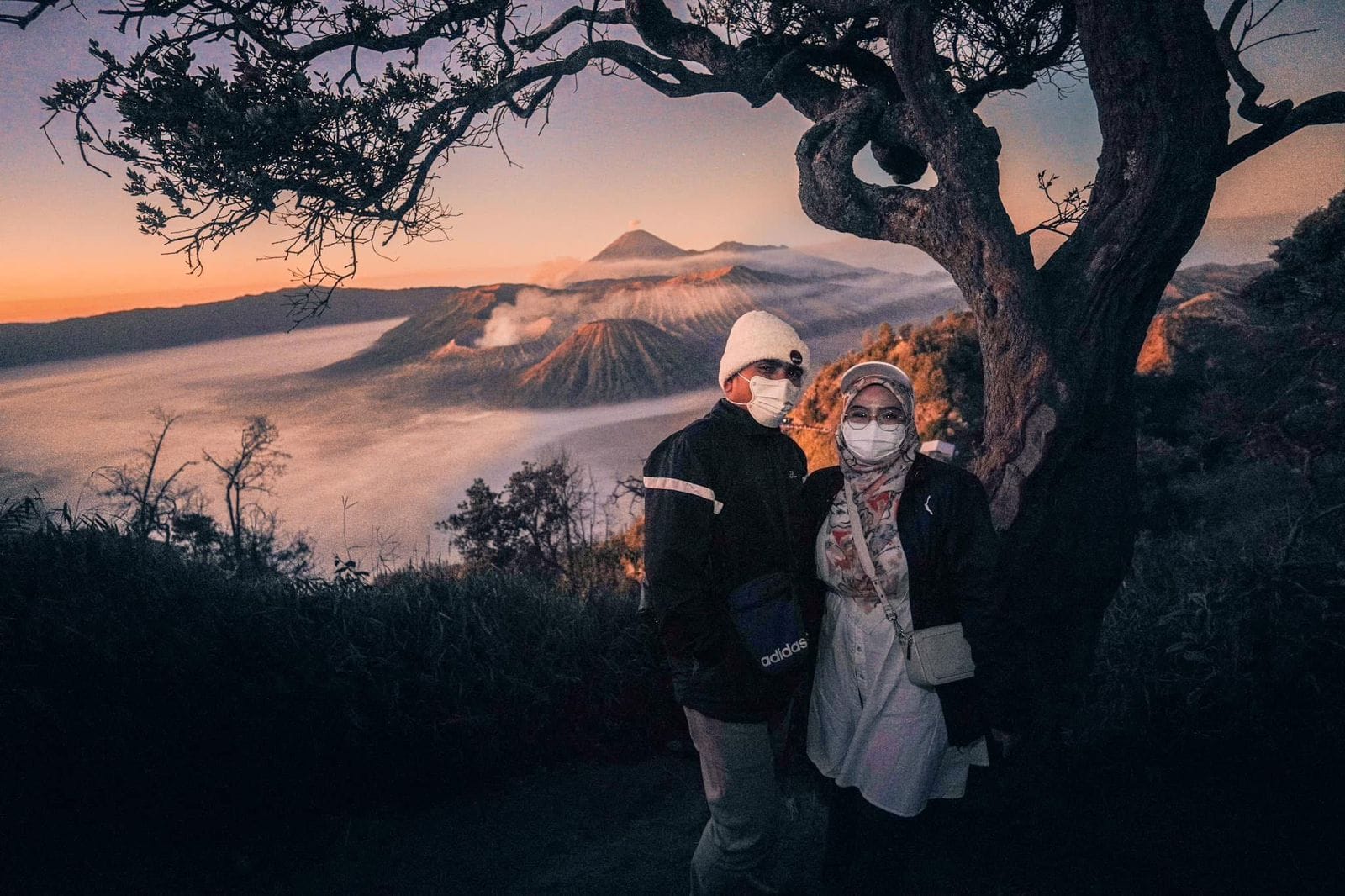
Knowing exactly what to wear for a Bromo Trip is crucial. Proper clothing ensures a comfortable experience instead of a freezing morning when exploring this iconic volcano. Mount Bromo’s weather is famously unpredictable — one moment it’s misty and cold, and the next it’s warm under the blazing sun. Many first-time visitors underestimate how chilly the high altitude can be, especially before sunrise. Temperatures can drop below 10°C, and the wind on the caldera can be intense. Dressing appropriately helps you stay warm, mobile, and ready to explore without distractions. Whether you join a Mount Bromo Trekking Tour, waiting for sunrise, or exploring the sea of sand, the right outfit ensures you stay focused on the breathtaking views instead of shivering from the cold.
Overview of Bromo’s unpredictable weather
Before deciding what to wear for a Bromo Trip, it’s essential to understand that Bromo’s climate changes rapidly throughout the day. Early mornings are cold and foggy, especially during sunrise tours, while midday temperatures rise quickly, making layered clothing essential. Rain can occur unexpectedly, particularly between November and April, while the dry season brings strong, dusty winds. Because Bromo sits at an elevation of over 2,300 meters, temperature drops drastically at night. Visitors should always be prepared with warm, moisture-wicking clothes, windproof jackets, and comfortable shoes. Dressing in layers allows you to adjust easily to the changing weather conditions. Packing smart for the climate not only adds comfort but also ensures safety during hikes, a relaxing picnic at Bromo, and photography sessions at this stunning volcano.
Climate Guide: What to Wear for a Bromo Trip
Altitude and temperature variations
When planning what to wear for a Bromo Trip, keep in mind that Mount Bromo’s elevation of over 2,300 meters significantly impacts its temperature. Days may start freezing cold, only to warm up rapidly by late morning. Temperatures can range from 5°C before sunrise to around 20°C during the day. The higher you climb, the more intense the chill and wind become, especially at viewpoints like Penanjakan. This variation means layering is crucial — a thermal base, a mid-layer for warmth, and an outer jacket to block wind and dust. Because of the thin mountain air, the cold feels sharper, so even in the dry season, mornings can be biting. Tourists who underestimate this often end up renting extra jackets on-site. Packing with altitude in mind ensures you stay comfortable from dawn to noon without overpacking.
Dry season vs. rainy season overview
To decide what to wear for a Bromo Trip, you must understand how different the seasons are. The dry season (May to October) brings clear skies and excellent Bromo sunrise visibility but also the coldest mornings. Temperatures can drop to 5°C, and the air is dusty, requiring scarves or masks. Lightweight layers and sunglasses are ideal for day trips. In contrast, the rainy season (November to April) transforms the landscape into lush greenery, but trails become muddy and slippery. A waterproof jacket, quick-dry pants, and non-slip boots are must-haves. Even though temperatures are milder, humidity can make the climb challenging. Each season requires different packing priorities — insulation and dust protection for the dry months, and waterproof, breathable gear for the wet season.
What to expect during sunrise and midnight tours
If you’re wondering what to wear for a Bromo Trip during sunrise or midnight tours, prepare for freezing temperatures and strong winds. Most sunrise tours start around midnight or 2 AM, meaning you’ll spend several hours outdoors before dawn. The air is cold, often below 10°C, with high humidity. Warm thermal layers, gloves, and a windproof jacket are non-negotiable. The viewpoint areas, especially King Kong Hill and Penanjakan, can be crowded, so having flexible, layered clothing helps adjust as your body warms up during the hike. Once the sun rises, the temperature climbs rapidly, so wear layers you can remove easily. Don’t forget a hat and sunglasses for post-sunrise adventures, as UV rays become strong quickly. Dressing smartly ensures you stay warm at dawn yet comfortable by daylight.
Essential Clothing: What to Wear for a Bromo Trip
Base layers – comfort meets warmth
A proper base layer is the foundation of what to wear for a Bromo Trip. This first layer sits closest to your skin and helps regulate body temperature. Choose materials like merino wool or synthetic blends that wick away moisture and keep you dry even when you sweat during the hike. Avoid cotton, as it traps moisture and can make you feel colder. A long-sleeve thermal top paired with leggings or thermal pants works perfectly for the early morning chill. Since temperatures rise after sunrise, breathable fabrics help prevent overheating. Investing in good-quality base layers ensures warmth, comfort, and flexibility, allowing you to enjoy every step from the jeep ride to the crater rim.
Outer layers – protection from cold and wind
The outer layer is your shield against Mount Bromo’s harsh conditions and a key part of what to wear for a Bromo Trip. A windproof and water-resistant jacket is essential to withstand cold winds and possible drizzle. Look for jackets with adjustable hoods, multiple pockets, and ventilation zippers for comfort. During the dry season, dust storms can occur, so wearing a lightweight outer shell also keeps volcanic ash away from your clothes. In colder months, pair your jacket with a fleece or padded mid-layer for added insulation. The right outerwear keeps you warm during sunrise yet light enough to carry once the day warms up. Choose darker colors to hide dust and make your photos look sleek against the volcanic background.
Best Footwear: What to Wear for a Bromo Trip
Choosing the right footwear is one of the most crucial parts of what to wear for a Bromo Trip. The terrain is rugged — loose sand, volcanic gravel, and steep slopes make sturdy shoes essential. Hiking boots or trail shoes with good grip and ankle support are ideal. Avoid open sandals or casual sneakers, as they allow dust and sand to enter easily. During the rainy season, waterproof shoes are highly recommended to prevent slipping on wet trails. Comfort is key since you’ll be walking, climbing, and exploring for hours. Also, wear thick socks to keep your feet warm in the early morning cold. Good footwear not only enhances comfort but also prevents injuries, ensuring your trip remains enjoyable.
Accessories – small items that make a big difference
When deciding what to wear for a Bromo Trip, don’t overlook accessories — they often make the experience more comfortable. A warm beanie or headband helps retain body heat, while gloves protect your hands from the cold. Sunglasses and a scarf or buff shield you from dust and strong sunlight. A lightweight backpack is great for storing extra layers, snacks, and water. In the dry season, bring a face mask to protect against volcanic dust; in the rainy season, a compact rain poncho can be a lifesaver. Even small items like sunscreen and lip balm matter, as high-altitude air can dry out your skin quickly. These accessories may seem minor, but they make your Bromo adventure much more enjoyable and stress-free.
What to Wear for a Bromo Trip by Season
Dry Season (May to October)
During the dry season, knowing what to wear for a Bromo Trip is essential to stay comfortable amid chilly mornings and warm afternoons. This period offers the clearest skies, making it ideal for sunrise photography, but it also brings biting cold air before dawn. Start with a thermal base layer to trap heat, add a fleece or light down jacket, and finish with a windbreaker to block dust from the volcanic terrain. Since temperatures rise after sunrise, wear moisture-wicking fabrics and pants that can convert into shorts if needed. A scarf or face mask helps protect against dust stirred up by jeep rides and strong winds. Don’t forget sunglasses and sunscreen — the UV rays can be intense once the sun is up. Lightweight hiking shoes or boots with good traction are best for navigating sandy slopes. Dressing in layers allows flexibility, ensuring you stay warm early in the morning and cool later in the day. Pack a light day bag for storing layers as the temperature shifts, and you’ll be ready for every moment of your Bromo adventure.
Rainy Season (November to April)
If your visit falls during the wet months, planning what to wear for a Bromo Trip becomes all about waterproofing and comfort. Rainfall is frequent, especially in the afternoons, so a durable waterproof jacket with a hood is a must. Quick-dry clothing is your best friend — avoid heavy cotton as it takes too long to dry. Opt for synthetic or nylon pants that resist moisture and pair them with waterproof hiking boots or shoes with excellent grip to handle muddy trails. A poncho or rain cover for your backpack adds extra protection for your gear. Humidity can make you sweat even when it’s raining, so wear breathable layers that keep you dry without overheating. Early mornings are still chilly, so a light fleece or thermal top underneath your rain jacket will help maintain warmth. Don’t forget to bring extra socks and a microfiber towel. By dressing smartly, you can stay dry, comfortable, and ready to explore the misty beauty during a Bromo Volcano Tour even when the rain starts to fall.
Sunrise Guide: What to Wear for a Bromo Trip
Layering tips for midnight departure
Most tours, including a Bromo Tour Package from Surabaya, start around midnight, so understanding what to wear for a Bromo Trip during these early hours is crucial for warmth and endurance. Temperatures at that time can drop below 10°C, and the wind can be fierce. The key is layering. Begin with a thermal base layer to retain heat, add an insulating mid-layer like fleece or a padded jacket, and top it off with a windproof or waterproof outer shell. Avoid bulky clothes — layering with thinner materials provides better temperature control. As you hike or take jeep rides to the viewpoint, your body warms up, so wearing removable layers lets you adjust easily. Don’t skip a hat and gloves; your extremities lose heat the fastest. Once the sun rises, temperatures climb quickly, and you can peel off outer layers to stay comfortable. Proper layering ensures that you’re warm during the wait for sunrise but not overheated once daylight breaks over the volcanic landscape.
Must-have gear for photography sessions
For photography enthusiasts planning what to wear for a Bromo Trip, balancing comfort and practicality is key. Sunrise photography at Bromo demands patience — you’ll spend long hours in cold conditions waiting for the perfect light. Wear insulated yet flexible layers that let you move freely while adjusting your camera gear. Gloves with touchscreen tips are essential so you can operate your camera without freezing your hands. Choose dark, neutral-colored clothing to avoid reflections in photos. A beanie or headband keeps you warm without obstructing your viewfinder. Dust protection is also important, so bring a scarf or mask to cover your face and protect your camera lens. Waterproof or dust-resistant bags are vital to safeguard equipment, especially during windy or rainy days. Comfortable hiking boots help you move between viewpoints or climb the crater easily. With the right outfit and accessories, you’ll stay warm, mobile, and ready to capture Bromo’s legendary sunrise in stunning clarity.
Packing Tips for Comfort and Convenience
Lightweight yet functional essentials
When preparing what to wear for a Bromo Trip, aim for packing light without sacrificing function. The goal is mobility — you’ll often switch between walking, riding jeeps, and hiking steep paths. Opt for quick-dry fabrics, compact jackets, and breathable layers. Roll clothes instead of folding to save space and minimize wrinkles. Multi-purpose items, such as a jacket that doubles as a pillow or a scarf that works as dust protection, are incredibly useful. Footwear should be sturdy but not bulky, and extra socks are always worth packing. Include essentials like sunglasses, gloves, and a compact rain poncho. Don’t overload with too many “just-in-case” outfits; focus on items you’ll actually wear. A small, durable daypack is perfect for keeping essentials like water, snacks, and an extra layer accessible. By keeping your luggage lightweight and strategic, you can move comfortably through every phase of your Mount Bromo adventure.
How to pack smart for jeep tours and hikes
Knowing what to wear for a Bromo Trip also means knowing how to pack smart for the experience. Jeep tours and short hikes to the crater require quick transitions, so organization matters. Use packing cubes or compression bags to separate warm layers from daytime clothes. Keep essentials — gloves, hat, camera, and snacks — in an easily accessible outer pocket. For jeep rides, carry a windproof jacket or poncho at the top of your bag since the open-air vehicles can be cold and dusty. Bring a reusable water bottle, power bank, and a microfiber towel for convenience. Avoid bulky bags; a small backpack is enough for your sunrise journey. If you plan to hike the crater, wear your heaviest items, such as boots and jackets, to save space and reduce pack weight. Smart packing ensures you’re always ready — whether you’re capturing sunrise views or trekking across the sea of sand.
Recommended Outfit for Men: What to Wear for a Bromo Trip
Practical clothing ideas and color coordination
When deciding what to wear for a Bromo Trip, men should focus on layering, practicality, and comfort. Early mornings at Mount Bromo can be freezing, so a thermal undershirt paired with a fleece jacket and a windproof outer layer works perfectly. Lightweight hiking pants made from quick-dry material are ideal for both the cold sunrise and the warmer mid-morning hike. Avoid jeans, as they can become stiff and uncomfortable in the cold. For footwear, waterproof hiking boots or trail shoes with strong grip are a must, especially for walking on sand and volcanic terrain. Neutral tones such as olive, grey, or black are not only practical — they also hide dust and dirt well. A beanie and gloves keep you warm before sunrise, while a cap and sunglasses will protect you once the sun comes up. Don’t forget a scarf or face mask to guard against dust during jeep rides. A small backpack to store removable layers ensures flexibility as temperatures change throughout the day. Dressing smart and coordinated not only enhances your comfort but also helps you look camera-ready against the dramatic Bromo landscape.
Recommended Outfit for Women: What to Wear for a Bromo Trip
Balancing comfort, style, and warmth
For female travelers wondering what to wear for a Bromo Trip, the key is to blend functionality with style. Temperatures near sunrise can drop below 10°C, so layering is essential. Start with a warm base layer or thermal leggings and a long-sleeved top. Add a cozy fleece or puffer jacket for insulation and finish with a windproof outer shell. Choose flexible hiking pants or leggings that allow movement while keeping you warm. Avoid skirts or dresses as the terrain is dusty and uneven. For footwear, waterproof hiking boots are best for comfort and safety. Accessories like a knitted hat, gloves, and scarf add warmth and style while protecting against the cold wind. Neutral or earth tones like beige, khaki, and dark green photograph beautifully against the volcanic backdrop. Sunglasses and sunscreen are also essential once the sun rises. Carry a lightweight backpack to store extra layers, snacks, and your camera. This practical yet stylish approach ensures you stay warm before dawn, comfortable while hiking, and effortlessly photogenic throughout your Bromo adventure.
What Not to Wear for a Bromo Trip
Common mistakes travelers make
When planning what to wear for a Bromo Trip, it’s just as important to know what not to wear. One of the biggest mistakes travelers make is underestimating the cold. Thin sweaters or light jackets won’t be enough to handle temperatures near freezing during sunrise tours. Avoid wearing jeans — while they seem practical, they retain moisture and can become heavy and uncomfortable. Open-toed shoes, sandals, or sneakers without grip are risky choices since Bromo’s terrain includes sand, gravel, and steep slopes. Bright white clothing may look good in photos but gets dirty quickly due to dust and volcanic ash. Avoid heavy bags or bulky coats that restrict movement, especially when climbing the crater or getting in and out of jeeps. Jewelry and unnecessary accessories can get in the way and offer little value during the trip. Lastly, cotton clothing should be avoided because it absorbs sweat and dries slowly, making you feel colder. Dressing smartly isn’t about fashion alone — it’s about safety, comfort, and convenience. By steering clear of these common mistakes, you’ll be able to enjoy the Bromo experience without discomfort or hassle.
Optional Items for Extra Comfort
Portable accessories to enhance your experience
Beyond the essentials, bringing a few optional items can greatly elevate your comfort level when planning what to wear for a Bromo Trip. One highly recommended addition is a portable neck warmer or buff — it shields you from cold air during the sunrise and doubles as dust protection during jeep rides. Hand warmers are another great item, especially for those early morning hours when temperatures dip below 10°C. A pair of lightweight thermal socks adds extra warmth without bulk, while compact rain covers or ponchos can save you from unexpected showers. For photographers, a camera strap with padding makes long shoots more comfortable, and a microfiber cloth helps clean dust off lenses easily. Don’t forget a travel pillow or blanket if you’ll be on the road for several hours. A reusable water bottle and small thermos for hot drinks are also lifesavers in the cold. Packing these little extras ensures that you not only survive but truly enjoy the beauty of Bromo. They make your trip smoother, warmer, and far more enjoyable — small comforts that go a long way in an environment as unpredictable as Mount Bromo.
Safety and Cultural Considerations
Respecting local customs through proper attire
When deciding what to wear for a Bromo Trip, it’s not only about staying comfortable — it’s also about showing respect to local traditions. Mount Bromo is a sacred site for the Tenggerese people, who perform ceremonies like Yadnya Kasada at the volcano. Travelers should dress modestly when visiting villages or local temples. Avoid wearing overly revealing clothing such as shorts, sleeveless tops, or tight-fitting outfits. Instead, opt for long pants and shirts with sleeves to show cultural respect while protecting yourself from the sun and dust. When entering temples or sacred areas, it’s courteous to wear a sarong or scarf around your waist, similar to Balinese customs. Safety-wise, sturdy footwear and layered clothing are vital to protect against sharp rocks, cold winds, and sudden temperature shifts. Also, wearing bright colors can help others spot you easily during hikes, especially in foggy conditions. Respectful and mindful dressing ensures a positive experience with the locals while keeping you safe throughout your adventure. A little cultural sensitivity combined with practical attire goes a long way in preserving both comfort and harmony at this sacred volcano.
Sustainable Packing: What to Wear for a Bromo Trip
Eco-friendly choices for responsible travelers
Being mindful about what to wear for a Bromo Trip also means choosing sustainable and eco-friendly gear. Mount Bromo’s fragile ecosystem deserves respect, so pack clothing made from recycled, organic, or long-lasting materials. Opt for reusable items like stainless steel water bottles, bamboo cutlery, and eco-friendly rain ponchos instead of disposable plastics. Fast-drying, durable clothes reduce the need for frequent washing and last longer, minimizing waste. Avoid single-use raincoats or wet wipes that can pollute the environment. Footwear should be sturdy enough to last multiple adventures rather than being discarded after one trip. You can also rent jackets or boots locally to support small businesses and reduce luggage weight. When packing toiletries, choose biodegradable soap and sunscreen to avoid harming the local soil and water. Bring a reusable bag for collecting your trash during the trip. Traveling sustainably doesn’t require drastic changes — just mindful choices that protect Bromo’s natural beauty. By prioritizing eco-friendly packing, you not only reduce your environmental footprint but also set an example for others, ensuring that future generations can continue to experience the breathtaking landscapes of Mount Bromo responsibly.
How to Get to Mount Bromo from Surabaya – Travel Guide
Conclusion
Key takeaways for dressing right at Mount Bromo
Understanding what to wear for a Bromo Trip is the key to having a comfortable, safe, and unforgettable adventure. Mount Bromo’s unique climate — from freezing dawns to sunny mid-mornings — requires smart, layered clothing. Always start with a thermal base layer to retain warmth, add a mid-layer like fleece for insulation, and top it off with a windproof or waterproof jacket to protect against strong winds and sudden weather changes. Sturdy hiking boots, gloves, a beanie, and a scarf are must-haves for early morning tours, while breathable fabrics and sunglasses keep you comfortable once the sun rises. Your clothing choices should adapt to both dry and rainy seasons — lighter layers and dust protection for the dry months, waterproof outerwear for the wet season. Beyond comfort, dressing appropriately shows respect for the local culture and ensures safety while exploring volcanic terrain. Don’t overlook sustainable packing — eco-friendly gear helps preserve Bromo’s beauty for future visitors. Ultimately, the right outfit allows you to focus on the experience itself — the glowing sunrise, the whispering winds, and the breathtaking views — instead of worrying about the cold or discomfort. Dress wisely, travel responsibly, and enjoy every magical moment at Mount Bromo.
FAQs
1. What should I wear to see the Bromo sunrise?
For what to wear for a Bromo Trip at sunrise, layer up. Wear thermals, a fleece or jacket, gloves, a beanie, and sturdy hiking boots. Layers keep you warm before dawn and easy to adjust once the sun rises.
2. Are jeans suitable for hiking at Bromo?
No, jeans aren’t ideal for what to wear for a Bromo Trip. They trap moisture and restrict movement. Opt for quick-dry hiking pants or leggings instead.
3. Can I rent jackets or boots at Bromo?
Yes, rentals are available near viewpoints. However, bringing your own gear is more comfortable and hygienic for what to wear for a Bromo Trip.
4. What’s the best material for base layers?
Choose merino wool or synthetic fabrics for what to wear for a Bromo Trip. They keep you warm and dry, unlike cotton, which holds moisture.
5. How cold does it get at Bromo in the morning?
Before sunrise, temperatures can drop to 5–10°C. Pack warm layers and wind protection when planning what to wear for a Bromo Trip to stay cozy during the chilly dawn.


[…] Packing the right gear and clothing can make or break your experience at Mount Bromo. The weather near the volcano can be unpredictable — freezing cold before sunrise and warm by mid-morning. To stay comfortable, safe, and ready for adventure, here are the most important Tips for Visiting Bromo Volcano when it comes to what to wear and bring. […]
[…] at Mount Bromo can be warm at first but quickly turns cool as the sun dips behind the hills. Wearing layered clothing is essential — a light jacket or windbreaker helps you stay warm without feeling too heavy during the day. […]
[…] Safety tip: Always wear a mask or scarf; sulfur fumes can be strong near the rim. […]