Introduction to Mount Ijen
Ijen Sunrise & Blue Flame – Mount Ijen is one of Indonesia’s most fascinating volcanoes. Drawing travelers from all over the world to witness the magical Ijen Sunrise and Blue Fire. Located in East Java, this active volcano stands 2,799 meters above sea level and offers one of the most surreal natural displays on Earth. The journey begins at midnight, where trekkers hike through the darkness to reach the crater rim just in time to see the world-famous Ijen Sunrise and Blue Fire phenomenon. The Ijen Sunrise and Blue Fire adventure isn’t just about scenery — it’s a spiritual journey that connects you with nature’s raw power. Every step on the trail builds anticipation, leading to one of the most breathtaking views in Indonesia. For those seeking beauty, challenge, and wonder in one trip, the Ijen Sunrise and Blue Fire experience delivers it all.
Where is Mount Ijen Located?
Mount Ijen is located in East Java, Indonesia, on the border between Banyuwangi and Bondowoso regencies. It’s part of the Ijen volcanic complex, which consists of several craters and volcanic peaks surrounded by lush forests and coffee plantations. The mountain rises about 2,799 meters above sea level, offering incredible panoramic views of the surrounding highlands. This remote yet accessible destination is best known for its Ijen Sunrise and Blue Fire, attracting adventurers and photographers from all over the world.
Reaching Ijen typically involves traveling from Banyuwangi, the nearest city, which serves as the main gateway to the mountain. From Banyuwangi, it takes about 1.5 to 2 hours by car to reach Paltuding Base Camp, the starting point for the hike. Many visitors begin their journey at midnight to witness the rare and mesmerizing Ijen Sunrise and Blue Fire before dawn. The combination of glowing blue flames, produced by burning sulfuric gases, and the golden sunrise over the turquoise crater lake creates an otherworldly scene found nowhere else on Earth. For anyone traveling through East Java, visiting Mount Ijen to witness the stunning Ijen Sunrise and Blue Fire is an absolute must — a true natural wonder of Indonesia.
Why Ijen is Famous Among Travelers
Mount Ijen has earned global fame for its extraordinary natural wonders, especially the Ijen Sunrise and Blue Fire phenomenon. This rare combination draws adventurers, photographers, and nature lovers from around the world. The blue fire, a mesmerizing electric-blue flame rising from the crater, is caused by burning sulfuric gas — a sight that can only be witnessed in a few places on Earth, and Ijen is the most accessible. The experience of hiking through the night to witness this glowing spectacle feels almost otherworldly.
As dawn approaches, the magic continues when the first light of the Ijen Sunrise and Blue Fire. Reveals a stunning turquoise crater lake surrounded by rugged volcanic cliffs. The contrast between the fiery blue glow at night and the soft golden sunrise in the morning makes this destination unforgettable. Beyond its natural beauty, Ijen is also famous for the hardworking sulfur miners who carry heavy loads up and down the crater, adding a human story of strength and endurance to the landscape.
In essence, the Ijen Sunrise and Blue Fire adventure is more than just a visual wonder — it’s a full sensory experience blending science, nature, and culture into one breathtaking journey.
The Allure of the Blue Fire Phenomenon
The main reason thousands of travelers embark on a midnight hike up Mount Ijen is to witness the legendary Ijen Sunrise and Blue Flame. This natural phenomenon occurs when sulfuric gases escaping from the volcano’s vents ignite upon contact with oxygen. Producing dazzling blue flames that dance across the crater floor. The effect is most visible in complete darkness, which is why the hike usually begins around midnight. As you approach the crater, the surreal glow illuminates the rocky terrain, creating an otherworldly atmosphere that feels like stepping into another planet. The Ijen Sunrise and Blue Flame isn’t just a visual spectacle; it’s an unforgettable emotional and sensory journey that leaves every visitor in awe.
Understanding the Ijen Crater (Kawah Ijen)
The Ijen Sunrise and Blue Fire experience takes place within the stunning Kawah Ijen, a volcanic crater located in East Java, Indonesia. This natural wonder is home to the world’s largest acidic crater lake, glowing a surreal turquoise color under the morning sun. Formed by volcanic activity thousands of years ago, the crater continues to emit sulfur gases, creating an otherworldly landscape that feels alive with energy. At night, these gases ignite upon contact with oxygen, producing the famous electric-blue flames that draw adventurers from around the world. The combination of this rare blue fire and the magical sunrise makes the Ijen Sunrise and Blue Fire one of the most breathtaking natural spectacles in Asia.
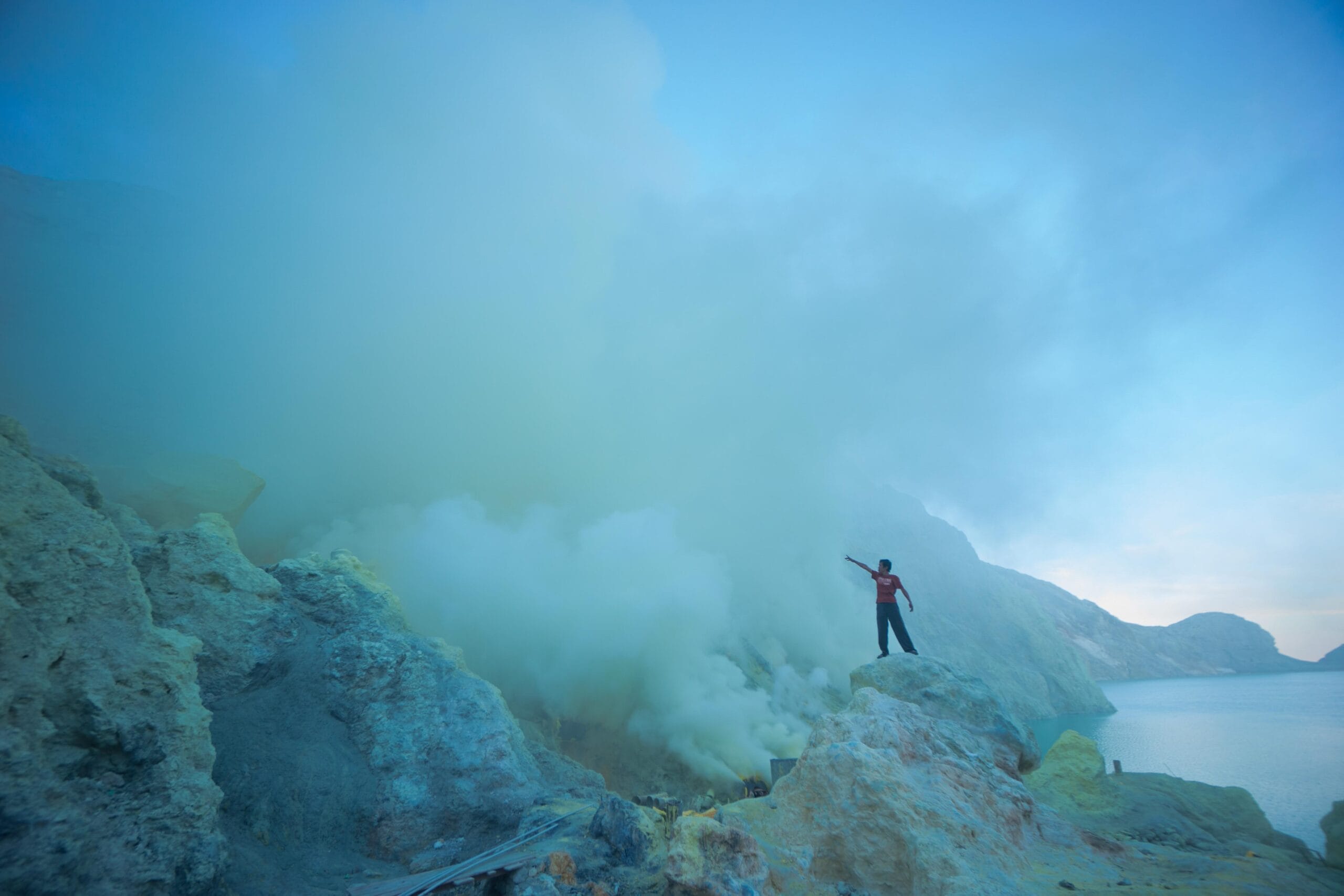
Beyond its geological beauty, the crater is also a site of human resilience. Sulfur miners descend into the depths of Ijen daily, enduring extreme conditions to collect bright yellow sulfur chunks by hand. Their presence adds depth and humanity to the awe-inspiring scenery. As dawn breaks, the contrast between the fiery glow of the crater and the soft light of sunrise paints an unforgettable view. Visiting Kawah Ijen allows travelers to witness both the raw power of nature and the strength of those who live beside it — truly defining the spirit of the Ijen Sunrise and Blue Fire adventure.
Geological Formation and Characteristics
The geological structure of Mount Ijen is as fascinating as the Ijen Sunrise and Blue Flame itself. The volcano is part of the Ijen Caldera, a massive volcanic depression formed by a powerful eruption thousands of years ago. Over time, subsequent volcanic activity created the Ijen Crater, which now holds a 200-meter-deep acidic lake rich in sulfur. The constant interaction of magma and groundwater produces sulfuric gases that contribute to the blue flame phenomenon. The crater’s rugged landscape, steep trails, and unique color palette of yellow, blue, and turquoise make it a dream destination for geologists and photographers alike. Despite its volatile environment, Mount Ijen continues to attract adventurers eager to witness the perfect blend of scientific wonder and raw natural beauty. Exploring its geological history allows visitors to better understand how powerful forces beneath the Earth shape such extraordinary spectacles like the Ijen Sunrise and Blue Flame.
The Sulfur Mining Tradition
The sulfur mining activity at Mount Ijen is an integral part of the Ijen Sunrise and Blue Flame experience. Every day, local miners descend into the crater to extract solidified sulfur from deposits created by the volcano’s fumes. Using simple tools and carrying loads of up to 70–90 kilograms on their shoulders, these miners display incredible strength and endurance. The bright yellow sulfur blocks contrast vividly against the blue fire at night and the turquoise lake at dawn, adding both color and humanity to the landscape. The work is physically demanding and often dangerous, with exposure to toxic gases and steep paths. Yet, despite the risks, the miners remain resilient, proud, and welcoming to visitors.
A Glimpse into the Miners’ Daily Life
Witnessing the miners’ daily life during the Ijen Sunrise and Blue Flame trek offers a humbling perspective. These hardworking men begin their shifts before dawn, navigating treacherous terrain to collect bright yellow sulfur chunks from the crater floor. Many miners make two or three trips a day, carrying heavy loads up the steep slopes and earning modest wages for their efforts. Their faces are often covered with scarves or masks to shield against the toxic fumes, and yet they maintain a sense of pride in their work. Tourists are often moved by their determination and humility, realizing that behind the beauty of the blue flames lies a story of struggle and strength. Some miners also sell hand-carved sulfur souvenirs to supplement their income. Seeing their resilience firsthand transforms the Ijen Sunrise and Blue Flame journey from a mere sightseeing trip into an experience.
Preparing for the Ijen Night Hike
Getting ready for the Ijen Sunrise and Blue Flame adventure requires both physical preparation and proper planning. The hike to Mount Ijen is moderately challenging, with steep and dusty paths leading up to the crater. Though it’s only about 3 kilometers each way, the altitude, cold night air, and sulfur fumes make it more demanding than it looks. Wearing the right gear is also essential: sturdy hiking shoes, layered clothing, a headlamp, and a gas mask are must-haves. It’s also wise to bring water, energy snacks, and gloves for extra comfort. Above all, be mentally ready for the darkness and sulfur smell — it’s all part of the unique adventure. With the right preparation, your Ijen Sunrise and Blue Flame journey will be safe, rewarding, and unforgettable.
Physical Readiness and Fitness Tips
To fully enjoy the Ijen Sunrise and Blue Flame hike, you need a decent level of fitness. The trek usually takes about 1.5 to 2 hours to reach the crater rim, followed by a steep descent into the crater to witness the blue fire. Preparing your body in advance with regular walks, hikes, or stair climbing will make a big difference. Focus on building stamina and leg strength, as the incline can reach up to 40 degrees in some sections. Don’t rush the climb; take short breaks and stay hydrated. The higher altitude might make breathing a bit harder, so pace yourself and enjoy the journey. Proper sleep before the hike is essential, as the trek begins around midnight. Remember, the Ijen Sunrise and Blue Flame experience isn’t a race — it’s about savoring the beauty of nature step by step.
Best Season to Visit Ijen Crater
Choosing the right time to visit is key to enjoying the Ijen Sunrise and Blue Flame at its best. The ideal season to hike Mount Ijen is during the dry months when the weather is clear. During this period, you have a higher chance of seeing the blue flames clearly and witnessing a stunning sunrise without heavy fog or rain. The rainy season, from November to March, can make the paths muddy and visibility poor, though it’s still possible to hike with caution. Early mornings after a dry night offer the clearest views. It’s also worth noting that temperatures can drop significantly before dawn, so bring warm clothing. Planning your visit around the right season not only ensures safety but also enhances your chances of capturing those once-in-a-lifetime moments of the Ijen Sunrise and Blue Flame, glowing beautifully above the turquoise crater lake.
Permits and Entrance Fees
Before starting your Ijen Sunrise and Blue Flame hike, you’ll need to purchase an entry permit. The fees help maintain the conservation area and support local tourism management. As of recent updates, the entrance fee for foreign visitors is around IDR 100,000–150,000 on weekdays and IDR 250,000 on weekends or holidays. Indonesian citizens pay a lower rate. Permits are typically purchased at the Paltuding entrance gate, the official starting point of the trek. It’s best to bring cash, as card payments aren’t always accepted. It’s important to respect park regulations and keep your permit with you at all times. By securing your permit, you help protect this natural wonder and contribute to the preservation of the Ijen Sunrise and Blue Flame experience for future travelers.
Guided Tour vs Solo Hike
When planning your Ijen Sunrise and Blue Flame adventure, you can choose between joining a guided tour or hiking solo. Both options have their advantages. A guided tour is ideal for first-timers, as experienced local guides know the best routes, safety precautions, and photography spots. They also provide essential gear such as gas masks and headlamps. Plus, guides can share valuable insights about the volcano’s history, geology, and the lives of local sulfur miners. Whether guided or solo, witnessing the Ijen Sunrise and Blue Flame is a breathtaking experience — one that rewards every traveler willing to take on the challenge of the night hike.
The Night Hike Experience
The Ijen Sunrise and Blue Fire hike begins just after midnight under a starry East Java sky. The trail stretches around three kilometers, winding uphill through volcanic terrain. Hikers follow the path with headlamps, surrounded by the cool night air. Every step builds anticipation for the magical sights waiting ahead. The silence of the mountain adds to the thrill of this nocturnal adventure. Local guides lead the way, ensuring safety and sharing fascinating stories about the volcano. As you climb higher, faint sulfur smells hint at the power beneath your feet.
Reaching the crater rim, the first glimpse of the Ijen Sunrise and Blue Fire feels otherworldly. Blue flames flicker from the depths, glowing against the darkness like liquid light. The scene is mesmerizing and worth every effort of the climb. As dawn approaches, the fire fades, replaced by the soft glow of sunrise over the turquoise crater lake. The combination of night’s mystery and morning’s beauty makes this trek unforgettable. Experiencing both the Ijen Sunrise and Blue Fire in one hike offers a rare blend of wonder, adventure, and peace.
Starting Point and Trail Overview
The journey to witness the Ijen Sunrise and Blue Flame begins at Paltuding Base Camp, located about 1,850 meters above sea level. This is where hikers check in, rent gas masks, and start their trek. The trail from Paltuding to the crater rim stretches about 3 kilometers, with an elevation gain of roughly 500 meters. The first section is a steady incline through a dusty path, while the final stretch becomes steeper and rockier. Along the way, small rest stops offer benches and snacks for tired hikers. Once you reach the rim, you’ll need to carefully descend into the crater (about 45 minutes) to see the blue fire up close. Although the route is well-marked, it can be slippery and challenging, especially in the dark. Still, the reward — seeing the Ijen Sunrise and Blue Flame up close — makes every step worth the effort.
What Time the Hike Begins
The timing of the Ijen Sunrise and Blue Flame hike is crucial. Most guided tours begin around midnight, with departures from Banyuwangi or Bondowoso. Arriving at Paltuding around 1:00 AM you can start reach the crater rim by 3:00 AM. This schedule gives you enough time to descend into the crater to witness the blue fire before it fades as dawn approaches. The hike’s timing is perfectly aligned to let you experience both the mysterious glow of the flames and the breathtaking sunrise that follows. It’s important to be punctual since the blue fire is visible only in total darkness. By the time the sun begins to rise around 5:00–5:30 AM, you’ll be at the best viewing spot to enjoy the spectacular Ijen Sunrise and Blue Flame scene — a blend of natural elements that few places on Earth can match.
How Long It Takes to Reach the Crater
The trek to the Ijen Sunrise and Blue Flame usually takes around two hours to reach the crater rim and an additional 30–45 minutes to descend into the crater. The duration depends on your fitness level, pace, and weather conditions. The path is steep but well-trodden, with several resting points where you can catch your breath and admire the view of the starry sky. Once you reach the rim, the descent requires careful footing as the terrain becomes rocky and uneven. Seeing the blue fire up close makes the effort worthwhile, especially as the faint smell of sulfur intensifies. After spending about 30 minutes observing the phenomenon, most hikers climb back up to the rim to witness the sunrise over the lake. Altogether, the round-trip hike takes about 4–5 hours. The time invested pays off in full once you experience the magical contrast of the Ijen Sunrise and Blue Flame.
Challenges You Might Face Along the Way
The Ijen Sunrise and Blue Flame hike, while rewarding, presents several challenges that hikers should prepare for. The most common difficulty is the steep incline, which can be exhausting for beginners. The cold night air, combined with the thin oxygen at higher altitudes, can also make breathing harder. As you approach the crater, the air becomes thick with sulfur gas — which can sting your eyes and throat if you’re not wearing a proper gas mask. The rocky path inside the crater is slippery and uneven, demanding caution and balance. Fatigue is another factor, as the hike begins after midnight when your body naturally craves rest. Despite these obstacles, staying calm, hydrated, and well-prepared will help you overcome them. Each challenge makes reaching the top even more rewarding, and the breathtaking view of the Ijen Sunrise and Blue Flame at the end is a prize worth every step.
Witnessing the Blue Flame
Witnessing the Ijen Sunrise and Blue Flame is a once-in-a-lifetime experience that combines science, adventure, and natural wonder. The electric-blue flames that illuminate the darkness are not ordinary fire but a rare phenomenon caused by the combustion of sulfuric gases. These flames can reach up to 5 meters high, glowing vividly against the black volcanic rock. As the night transitions to dawn, the eerie blue gives way to a golden sunrise, revealing the vast, turquoise crater lake below. This visual transformation — from darkness to light — symbolizes the power and beauty of nature in its purest form. Visitors are often left speechless by the surreal contrast between the glowing blue fire and the calm morning light. Whether you’re a photographer, an adventurer, or simply a lover of nature, the Ijen Sunrise and Blue Flame is an experience that will stay with you long after you’ve left the mountain.
The Science Behind the Blue Flames
The mesmerizing blue glow that defines the Ijen Sunrise and Blue Flame is not actually lava but ignited sulfuric gas. When volcanic gases rich in sulfur emerge from cracks in the Earth at high temperatures (around 600°C), they ignite upon contact with oxygen, creating brilliant blue flames. These flames flow down the crater’s surface, sometimes appearing like rivers of glowing lava. This phenomenon is extremely rare and can only be clearly observed in total darkness, making Ijen one of the few places on Earth where it’s visible. The acidic crater lake adds to the otherworldly scene, with mist and reflections enhancing the ethereal glow. Understanding the science behind the flames makes the experience even more fascinating — it’s nature’s chemistry show at its finest. The combination of science and spectacle is what makes the Ijen Sunrise and Blue Flame not just a hike, but an unforgettable journey into the heart of a living volcano.
Best Time to See the Blue Fire Clearly
Timing is everything when it comes to witnessing the Ijen Sunrise and Blue Flame. The blue fire is most visible between midnight and 4:00 AM, before the first light of dawn appears. As the sky brightens, the flames fade and become less visible. This is why hikers start their ascent around midnight to ensure they reach the crater in complete darkness. Clear weather is also crucial — on nights with no rain or heavy fog, the flames shine brightest and can be seen from a distance. Wind direction plays a role too; strong winds can spread the sulfur gases, making the flames harder to see. For the best viewing experience, plan your visit during the dry season and check the local weather forecast before your hike. Arriving early gives you a better chance to enjoy the full spectacle of the Ijen Sunrise and Blue Flame — an unforgettable fusion of fire and dawn.
Safety Tips Near the Crater
While the Ijen Sunrise and Blue Flame is breathtaking, safety should always be your top priority. The air near the crater contains sulfuric gases that can be harmful if inhaled, so wearing a proper gas mask is essential. Avoid lingering too long near the fumaroles, especially when the wind blows the gas toward you. Always follow your guide’s instructions and stay within marked areas — venturing too close to the lake can be dangerous due to unstable ground. Bring a reliable headlamp to navigate the rocky descent, and wear closed shoes with good grip to prevent slipping. It’s also important to stay hydrated, as the hike and gas exposure can be physically draining. If you start to feel dizzy or short of breath, move away from the crater and rest in fresh air. By staying cautious and prepared, you’ll be able to safely enjoy the spectacular Ijen Sunrise and Blue Flame experience to the fullest.
Catching the Breathtaking Ijen Sunrise
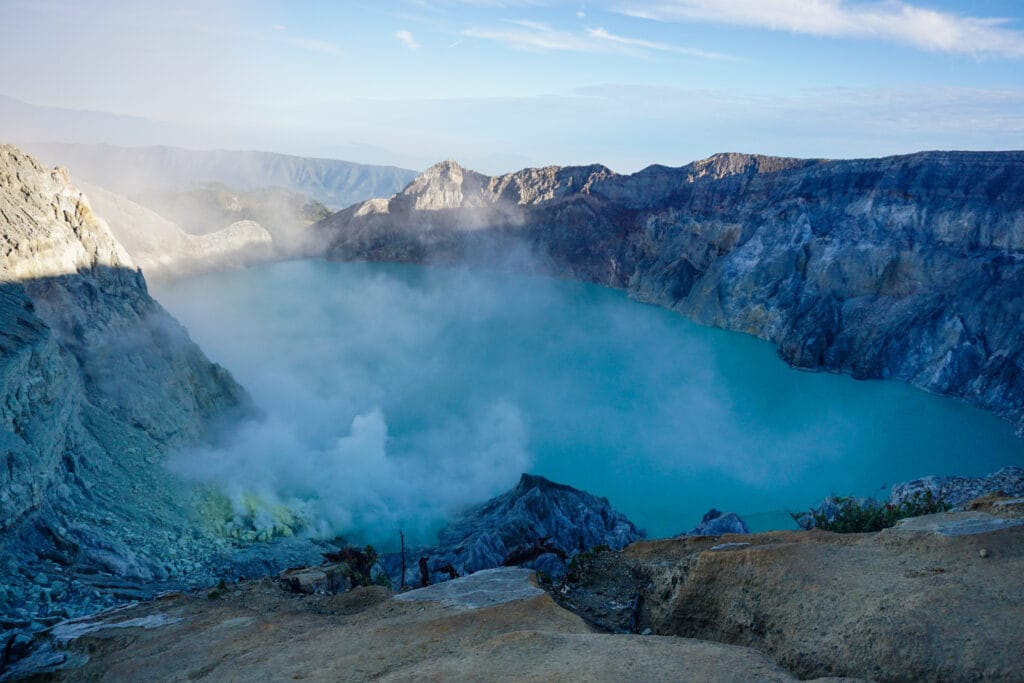
After witnessing the mesmerizing blue fire, the next highlight of your Ijen Sunrise and Blue Flame adventure is the sunrise itself. As dawn breaks, the sky above Mount Ijen transforms into a breathtaking palette of pink, orange, and gold. The first light gently illuminates the turquoise crater lake, revealing its surreal beauty. The contrast between the cool hues of the lake and the warm glow of sunrise creates a scene that feels almost dreamlike. From the crater rim, you can also see layers of mist rolling over nearby peaks, giving the landscape a mystical feel. This magical moment is why many travelers brave the midnight hike — to see one of Indonesia’s most spectacular natural shows. The Ijen Sunrise and Blue Flame experience captures both extremes of nature — fire and light — in a single unforgettable journey. Whether you’re an adventurer or a photographer, this sunrise will stay in your memory forever.
Sunrise Viewpoint Spots
The best way to enjoy the Ijen Sunrise and Blue Flame is by finding the perfect spot to witness it. The most popular viewpoint is right on the crater rim, where you can see both the turquoise lake and the sun rising behind Mount Raung in the distance. If you arrive early, you’ll have time to secure a good place before the crowd gathers. Another excellent viewpoint is slightly above the rim on the left side of the crater — from here, you get a panoramic perspective of the entire volcanic landscape. Some guides also lead visitors to hidden viewpoints offering less crowded experiences. Bring a flashlight or headlamp for early navigation and a warm jacket since it can be cold before sunrise. Once the sun appears, the transformation from darkness to color is magical — the perfect ending to your Ijen Sunrise and Blue Flame adventure.
What Makes Ijen Sunrise Special
What makes the Ijen Sunrise and Blue Flame so special is the combination of contrasts — the eerie blue fire that burns through the night giving way to the soft, golden rays of morning. As the first light touches the crater, the once-dark and mysterious landscape becomes a vision of vibrant colors. The turquoise lake glows under the sunlight, surrounded by smoky cliffs and volcanic peaks. Few places on Earth offer such a powerful transition from darkness to dawn. The crisp mountain air, the sound of wind, and the breathtaking view all combine to create an experience that feels deeply spiritual. Watching the sunrise here isn’t just about the view; it’s about the feeling of accomplishment after a challenging night hike. You’ve witnessed both the raw power and the delicate beauty of nature in one journey — and that’s what makes the Ijen Sunrise and Blue Flame truly unforgettable.
Photography Tips for Stunning Shots
Capturing the magic of the Ijen Sunrise and Blue Flame requires the right approach and timing. To photograph the blue flames, use a camera capable of long exposure (between 2–5 seconds) to capture the faint glow in the darkness. A tripod helps keep your shots steady. For the sunrise, arrive early at the crater rim to secure a clear vantage point. As dawn approaches, switch your camera settings to a lower ISO and faster shutter speed to capture the golden tones without overexposure. Wide-angle lenses work best for showcasing the vast crater and lake. Don’t forget to take photos of the sulfur miners too — their silhouettes against the rising sun tell a powerful story. If you’re using a smartphone, use night mode for the blue fire and HDR for sunrise shots. With patience and the right technique, your photos of the Ijen Sunrise and Blue Flame will truly reflect the awe of the experience.
Essential Packing List for the Hike
Packing wisely can make or break your Ijen Sunrise and Blue Flame adventure. Because the hike takes place at night and involves exposure to sulfur gas, temperature changes, and rugged terrain, preparation is key. Start with layered clothing to adapt to both cold mountain air and warmer conditions as you hike. A gas mask is essential for protection against toxic fumes, while a headlamp is crucial for navigating the dark trail. Good hiking shoes, gloves, and a waterproof jacket are also must-haves. Bring drinking water, snacks, and a small backpack to keep your essentials handy. Optional items like a camera, power bank, and trekking poles can enhance comfort and convenience. Keep your load light but complete — every item should serve a purpose. By packing efficiently, you’ll stay comfortable and safe while fully immersing yourself in the awe-inspiring Ijen Sunrise and Blue Flame experience from start to finish.
Clothing and Footwear Recommendations
Choosing the right outfit is essential for the Ijen Sunrise and Blue Flame hike. Since temperatures can drop to around 5–10°C before dawn, wear layered clothing to stay warm. A moisture-wicking base layer, a fleece jacket, and a windproof outer shell are perfect for keeping your body comfortable. Avoid cotton, as it retains moisture and can make you feel cold. A pair of sturdy, non-slip hiking shoes or boots is vital for navigating the steep and rocky terrain safely. Bring gloves, a beanie, and a scarf to protect yourself from the cold mountain wind. Once the sun rises, temperatures increase quickly, so you can remove layers as needed. Comfort and practicality should always come before fashion. Remember, the right clothing not only ensures your safety but also allows you to enjoy the Ijen Sunrise and Blue Flame adventure without discomfort or distraction.
Safety Gear and Essentials
Safety gear plays a critical role in the Ijen Sunrise and Blue Flame journey. The most important item is a proper gas mask, as sulfuric fumes near the crater can be hazardous. Many guides provide masks, but it’s best to bring your own for comfort and reliability. A strong headlamp or flashlight is essential for navigating the pitch-dark trail. Bring spare batteries just in case. A first aid kit with bandages, pain relievers, and eye drops is also recommended. Gloves can protect your hands when gripping rocks during the descent into the crater. Trekking poles help reduce strain on your knees during both ascent and descent. Don’t forget to pack enough water, energy snacks, and perhaps a small towel or wet wipes for comfort. Being well-equipped ensures your safety and allows you to fully appreciate the wonder of the Ijen Sunrise and Blue Flame without worry.
Optional but Useful Items
While some items aren’t essential, they can greatly enhance your Ijen Sunrise and Blue Flame experience. A lightweight camera tripod helps capture long-exposure shots of the blue fire. Portable power banks ensure your camera or phone won’t die mid-hike. A small thermos with hot tea or coffee is perfect for warming up during rest stops. Sunglasses come in handy once the sun rises, especially with the bright reflection off the lake. Some hikers also bring trekking poles for stability on steep paths. If you plan to spend more time exploring, a compact rain poncho or dry bag will protect your gear from moisture. Finally, carry extra face masks or a bandana to help filter dust during the ascent. These thoughtful additions can turn a challenging trek into a smoother, more enjoyable adventure — letting you focus on soaking in the magic of the Ijen Sunrise and Blue Flame.
Staying Safe During the Ijen Hike
Safety is the foundation of a memorable Ijen Sunrise and Blue Flame experience. Although the hike is popular and well-managed, the environment around Mount Ijen is still an active volcanic zone, demanding awareness and preparation. Hikers must be cautious of sulfur gases, slippery terrain, and fatigue from the midnight start. Wearing a gas mask and sturdy shoes is non-negotiable. Staying hydrated and taking breaks is equally important to prevent exhaustion. Always follow your guide’s advice and stay within designated areas, especially near the crater lake, where the ground can be unstable. Check weather forecasts before your hike — rain can make the trail muddy and dangerous. Most importantly, respect nature’s limits; if conditions worsen, prioritize safety over photos or exploration. With the right mindset and preparation, you’ll not only stay safe but also enjoy every moment of the breathtaking Ijen Sunrise and Blue Flame journey with peace of mind.
Understanding Sulfur Gas Risks
The beauty of the Ijen Sunrise and Blue Flame comes with one major hazard — sulfur gas. The fumes emitted by the volcano are made of sulfur dioxide, which can irritate the lungs, eyes, and throat if inhaled in large amounts. When descending into the crater, the gas becomes more concentrated, especially when the wind shifts direction. This is why wearing a proper gas mask is crucial. Avoid spending too long near active vents and move quickly through areas with dense smoke. If your eyes begin to sting or breathing feels difficult, move to higher ground where the air is clearer. It’s also wise to follow your guide closely since they understand wind patterns and safe zones. Understanding and respecting these risks ensures that your Ijen Sunrise and Blue Flame adventure remains safe, allowing you to witness this extraordinary natural event without harm.
Importance of a Gas Mask
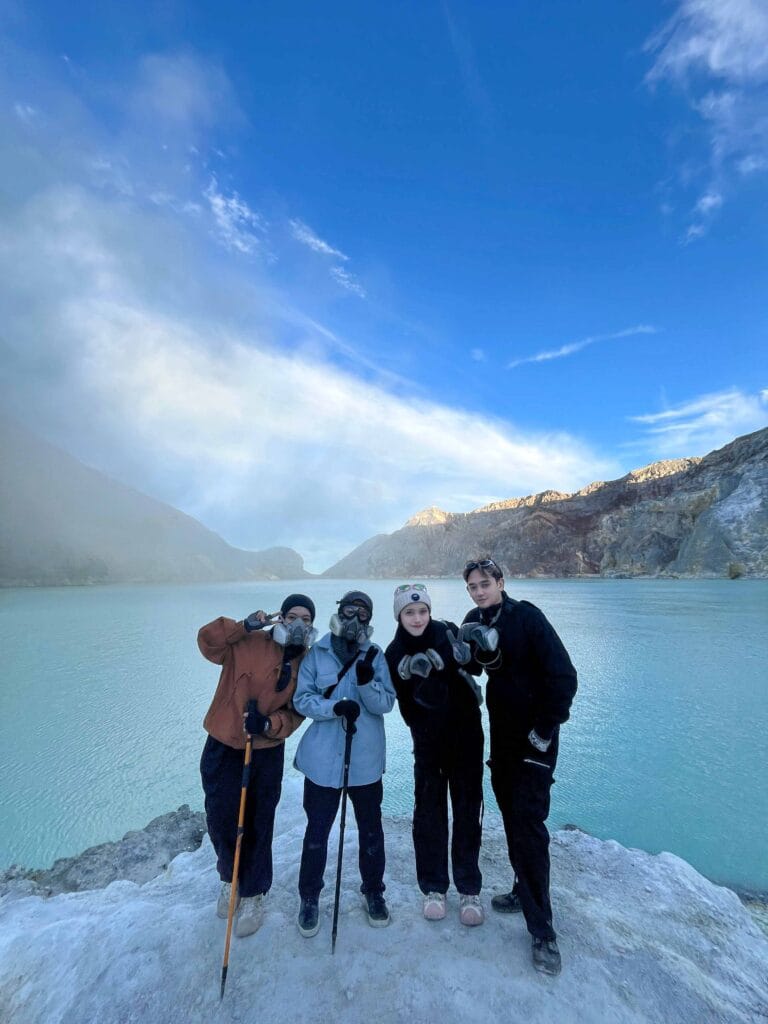
A gas mask is your most vital piece of equipment during the Ijen Sunrise and Blue Flame hike. The sulfur gases emitted near the crater can be toxic and overwhelming without proper protection. Simple face masks or scarves won’t provide enough filtration — only a certified gas mask with replaceable filters can protect your lungs effectively. Most guided tours include them, but bringing your own ensures a better fit and hygiene. Make sure the mask seals properly around your nose and mouth to prevent leaks. You should also test breathing through it before starting your descent into the crater. Having a gas mask not only safeguards your health but also lets you stay longer near the blue flames for photos and observation. With it, you can focus on enjoying the beauty of the Ijen Sunrise and Blue Flame without worrying about the dangers of toxic fumes.
Dealing with Steep and Slippery Terrain
Navigating the steep paths of Mount Ijen is part of the challenge that makes the Ijen Sunrise and Blue Flame hike so rewarding. The trail includes loose gravel, rocky slopes, and sections that become slippery, especially during or after rain. Proper footwear with good grip is essential for safety. Take small, steady steps and use trekking poles for balance. When descending into the crater, move slowly and follow your guide’s lead — visibility is often limited in the dark. Gloves can protect your hands if you need to steady yourself on rocks. Always keep your flashlight pointed toward the ground to avoid tripping. Remember, the goal is not speed but safety. By staying mindful of your footing and maintaining balance, you’ll make it to the viewpoint with confidence. Once you reach the top, the stunning Ijen Sunrise and Blue Flame view will make every careful step worthwhile.
Environmental and Ethical Travel Tips
Preserving the natural beauty of Mount Ijen is essential to ensure future generations can enjoy the same magical Ijen Sunrise and Blue Flame experience. As tourism grows, visitors must travel responsibly and minimize their environmental impact. This means respecting both nature and the people who live and work in the area. Ethical travel starts with simple actions — following marked trails, avoiding littering, and treating local miners and guides with kindness. Understanding that Ijen is not just a tourist destination but also a livelihood for many helps create a more meaningful experience. Supporting eco-friendly accommodations, local businesses, and community-based tours can make a positive difference. The Ijen Sunrise and Blue Flame journey offers travelers a rare chance to witness nature’s power; in return, we should protect and respect it. Practicing sustainable and ethical habits ensures that Ijen’s unique beauty — from its blue fire to its breathtaking sunrise — remains unspoiled for years to come.
Respecting Local Communities and Miners
A key aspect of the Ijen Sunrise and Blue Flame experience is understanding and respecting the lives of the sulfur miners who work in the crater. These hardworking men carry heavy loads of sulfur, often exceeding 70 kilograms, up steep slopes daily. When visiting, always be polite, offer space on narrow paths, and avoid photographing miners without their consent. Purchasing small handmade souvenirs or local snacks helps support the community directly. Engaging respectfully with locals also enriches your travel experience, offering deeper insight into their traditions and challenges. Remember that for the miners, this is not a tourist attraction but their workplace. Treat them with empathy and appreciation for the labor that makes your visit possible. By showing gratitude and respect, travelers contribute to a more ethical and sustainable form of tourism, keeping the spirit of the Ijen Sunrise and Blue Flame adventure compassionate and culturally aware.
Leave No Trace Principles
One of the best ways to preserve the Ijen Sunrise and Blue Flame environment is by following Leave No Trace principles. This simple yet powerful philosophy emphasizes minimizing human impact on nature. Always carry your trash back down the mountain — even biodegradable waste like fruit peels can disrupt the ecosystem. Stick to designated trails to prevent erosion and avoid disturbing wildlife or natural formations. Refrain from taking sulfur rocks or plants as souvenirs, as this damages the environment and disrespects local regulations. Use reusable bottles and containers to reduce plastic waste, and avoid single-use items during your hike. The beauty of Ijen Sunrise and Blue Flame lies in its untouched nature, and every visitor plays a role in keeping it that way. By leaving no trace, you help ensure that future adventurers can witness the same pristine landscapes and surreal blue flames that make Ijen so extraordinary.
Supporting Eco-Friendly Tourism
Eco-friendly tourism is the key to sustaining the delicate ecosystem around the Ijen Sunrise and Blue Flame. Choosing environmentally responsible tour operators and accommodations helps reduce your carbon footprint and supports local conservation efforts. Look for tours that limit group sizes and follow safety and environmental guidelines. Many eco-lodges near Banyuwangi use solar power, organic food, and waste recycling systems — staying at these places directly benefits the local environment. Bringing refillable water bottles, avoiding disposable plastics, and choosing public or shared transportation can also make a big difference. Supporting eco-friendly businesses not only preserves Ijen’s natural wonders but also strengthens the local economy. Remember, your travel choices have the power to protect or harm this fragile volcanic region. By embracing sustainable travel practices, you ensure that the Ijen Sunrise and Blue Flame remains a natural treasure that continues to inspire responsible travelers around the world.
Alternative Attractions Near Ijen
While the Ijen Sunrise and Blue Flame is undoubtedly the highlight of any East Java trip, the surrounding region offers many other beautiful attractions worth exploring. Extending your stay allows you to discover hidden gems, from serene waterfalls to vibrant local markets and untouched landscapes. Just a short drive from Ijen, you’ll find places like Jagir Waterfall and the lush coffee plantations of Banyuwangi. These areas showcase East Java’s rich biodiversity and cultural heritage. Visiting these alternative sites also helps distribute tourism benefits across the community, easing pressure on Ijen itself. For adventure seekers, nearby volcanoes like Mount Raung and Mount Bromo provide exciting hiking opportunities. Whether you’re chasing waterfalls, enjoying local cuisine, or exploring other volcanic wonders, the region surrounding the Ijen Sunrise and Blue Flame offers endless possibilities for those seeking both nature and culture beyond the crater.
Visit the Jagir Waterfall
If you’re seeking a refreshing escape after the Ijen Sunrise and Blue Flame hike, Jagir Waterfall is a must-visit. Located just a short drive from Banyuwangi, this beautiful site is often called the “twin waterfall” because of its multiple cascades flowing down lush, green cliffs. The clear, cool waters make it a perfect spot to relax and recover after the challenging Ijen trek. The area around the waterfall is peaceful, surrounded by rice fields and small villages that offer a glimpse into local life. Visitors can swim in the natural pool or simply enjoy the soothing sound of the water. Entrance fees are affordable, and local stalls nearby sell fresh coconut water and snacks. A visit to Jagir complements the Ijen Sunrise and Blue Flame experience perfectly — from fiery volcanoes to tranquil waterfalls, it showcases East Java’s stunning diversity and natural balance.
Exploring Banyuwangi Region
The Banyuwangi region is the gateway to the Ijen Sunrise and Blue Flame, but it offers much more than just a starting point. Known as “The Sunrise of Java,” Banyuwangi is rich in culture, nature, and adventure. You can explore coffee and cocoa plantations, visit traditional Osing villages, or relax on the pristine beaches of Pulau Merah and Baluran National Park. The local markets are full of flavor and color, offering authentic Indonesian cuisine and handmade crafts. Banyuwangi also hosts cultural festivals that celebrate local traditions, music, and dance. For nature enthusiasts, hiking trails and eco-tourism activities abound, making it a paradise for sustainable travelers. Staying an extra day or two allows you to experience the area’s vibrant spirit and hospitality. Beyond the Ijen Sunrise and Blue Flame, Banyuwangi offers a deeper connection to East Java’s culture and breathtaking natural wonders.
Other Volcano Adventures in East Java
If the Ijen Sunrise and Blue Flame adventure leaves you craving more volcanic exploration, East Java has plenty to offer. Mount Bromo is the most famous, featuring its iconic sunrise over the Sea of Sand and a smoking crater that draws travelers from around the world. Mount Semeru, Indonesia’s highest peak, offers a more challenging trek for experienced hikers. Meanwhile, Mount Raung presents rugged terrain and dramatic views, perfect for those seeking solitude and adventure. Each volcano has its own character — from the mystical landscapes of Bromo to the serene yet powerful aura of Ijen. Combining these destinations into a multi-day itinerary lets you experience the full volcanic beauty of East Java. Whether you’re chasing sunrises, craters, or cloud-covered peaks, these volcanoes complement the awe of the Ijen Sunrise and Blue Flame, creating a journey that captures the heart of Indonesia’s wild landscapes.
Sample Ijen Night Hike Itinerary
Planning your Ijen Sunrise and Blue Flame adventure is easier with a well-structured itinerary. The hike usually begins at midnight and finishes after sunrise, combining the magical blue fire and the golden dawn in one unforgettable journey. The trail from Paltuding Base Camp to the crater rim takes about 1.5 to 2 hours, depending on your pace. From there, it’s another 30 minutes down into the crater to witness the blue flames up close. After sunrise, hikers typically return to the base around 7–8 AM. Rest stops along the way provide opportunities to hydrate and take photos. Having a guide ensures safety, as they know the best spots and the safest routes. After the hike, most travelers enjoy breakfast in Banyuwangi or visit nearby attractions like Jagir Waterfall. This Ijen Sunrise and Blue Flame itinerary perfectly balances adventure, beauty, and comfort — ideal for first-time visitors.
Suggested Time Schedule
A typical Ijen Sunrise and Blue Flame hike follows a midnight-to-morning schedule designed to capture both natural wonders in one trip. Here’s a suggested timeline:
12:00 AM: Depart from your hotel in Banyuwangi or Bondowoso.
1:00 AM: Arrive at Paltuding Base Camp, register, and prepare your gear.
1:30 AM: Begin your uphill hike to the crater rim.
3:00 AM: Reach the crater rim and descend carefully into the crater to see the blue fire.
4:30 AM: Climb back up to the rim before dawn.
5:00 AM: Watch the breathtaking sunrise over the turquoise crater lake.
6:30 AM: Start your descent back to Paltuding.
8:00 AM: Return to your hotel for breakfast and rest.
This timeline ensures you make the most of the Ijen Sunrise and Blue Flame experience, balancing exploration, safety, and comfort for an unforgettable adventure.
Transportation and Accommodation Options
Reaching the Ijen Sunrise and Blue Flame requires some planning, but transportation options are plentiful. Most travelers stay in Banyuwangi, the nearest city with easy access to the Ijen base camp. You can rent a private car, join a tour, or hire a local driver familiar with the mountain routes. The journey from Banyuwangi to Paltuding takes about 1.5 hours. For accommodation, there are options for every budget — from eco-lodges and guesthouses to comfortable resorts offering mountain views. Many hotels provide early wake-up calls and packed breakfasts for hikers. If you’re coming from Bondowoso, the drive is longer but offers scenic views through coffee plantations. Booking your tour or driver in advance is recommended, especially during peak seasons. Whether you travel independently or with a guide, planning ahead ensures a smooth Ijen Sunrise and Blue Flame experience that’s both convenient and memorable.
Conclusion
Embarking on the Ijen Sunrise and Blue Flame adventure is journey into one of nature’s most surreal spectacles. From the moment you start trekking under a blanket of stars to the instant you witness the ethereal blue fire dancing in the darkness, every step feels extraordinary. As dawn breaks, the golden light of sunrise unveils the turquoise crater lake. Few places on Earth combine such raw power, beauty, and mystery in a single experience. Beyond its natural wonders, the Ijen hike also connects you to the human spirit, and the warmth of local guides. The Ijen Sunrise and Blue Flame is not merely a sightseeing trip; it’s a humbling reminder of our smallness before nature’s grandeur. Whether you’re an adventurer, a photographer, or a seeker of wonder, this journey stays etched in your memory forever — a perfect blend of fire, light, and life at the top of East Java’s volcanic heart.
Why the Ijen Night Hike is a Once-in-a-Lifetime Experience
The Ijen Sunrise and Blue Flame night hike stands out as one of Indonesia’s most unforgettable adventures. It’s not just the challenge of hiking in darkness or the thrill of reaching the summit. It’s the rare combination of elements that makes it magical. Seeing the world’s only visible blue fire is a phenomenon that happens in just a few volcanic sites on Earth. And Ijen offers one of the most accessible and mesmerizing displays. As the flames fade with the coming dawn, the sky transforms into shades of orange and pink, illuminating the vast crater lake below. The silence of the mountain, broken only by the hiss of sulfur gas creates an otherworldly atmosphere. It’s an experience that stirs every sense and emotion. Standing on the rim, you feel deeply connected to nature and your own inner strength. The Ijen Sunrise and Blue Flame journey is not just a hike — it’s a spiritual encounter, a once-in-a-lifetime moment that reminds you how beautiful and powerful our planet truly is.
FAQs
How difficult is the Ijen night hike?
The Ijen Sunrise and Blue Flame hike is moderately challenging. The 3 km trail takes about 1.5 to 2 hours uphill, with steep sections and uneven terrain. Good fitness and steady pacing make it manageable for most travelers.
Can you see the blue fire all year round?
Yes, the blue fire at Ijen burns year-round because it’s caused by ignited sulfuric gas. However, it’s best viewed between midnight and 4 AM, when the sky is darkest and visibility is clear.
Is it safe to hike Ijen at night?
Yes, it’s safe if you follow local guides and wear a gas mask. The Ijen Sunrise and Blue Flame route is well-marked, but caution is needed near the crater due to sulfur gas and slippery paths.
What should I wear for the Ijen hike?
Wear warm layers, hiking shoes, and gloves — temperatures can drop below 10°C at night. A waterproof jacket is useful, and don’t forget a flashlight or headlamp for the dark trail.
Are there toilets or facilities on the trail?
Basic toilets are available at the Paltuding base camp before the hike. There are no facilities along the trail or inside the crater during the Ijen Sunrise and Blue Flame trek.

[…] with basic fitness. Reaching the rim before sunrise adds a sense of accomplishment to the mount Ijen sunrise […]
[…] the Ijen Blue Fire temporarily closed in 2026?Yes, the Ijen Blue Fire is temporarily closed, and visitors cannot see the flames as of January 2026. Critical maintenance […]
[…] Learn more: Ijen Sunrise and Blue Flame: Night Hike to Catch […]