

Is the Ijen Blue Fire temporarily closed in 2026?
Yes, the Ijen Blue Fire is temporarily closed, and visitors cannot see the flames as of January 2026. Critical maintenance work on the sulfur extraction pipes, rather than natural volcanic activity, caused this shutdown. While the electric blue flames remain dark, the Taman Wisata Alam (Nature Park) Kawah Ijen remains open. You can still hike to the rim to catch the spectacular sunrise and view the massive turquoise acid lake, even though officials restricted access to the “sulfur kitchen” for safety.
Current Status of Ijen Blue Fire Phenomenon
As of early January 2026, ground reports confirm that the blue fire phenomenon remains invisible. Travelers planning a trip to East Java must adjust their expectations, as authorities strictly enforce the “Ijen Blue Fire temporarily closed” status to protect both tourists and workers.
The closure specifically targets the crater floor’s sulfur mining area. PT Candi Ngrimbi, the sulfur mining company, and local management limited access to a radius of approximately 500 meters from the gas source. This effectively bars entry to the steep, rocky path leading down into the caldera, where visitors typically scramble in the dark to see the flames.
However, the destination retains its appeal. Closing the blue fire sector does not shut down the mountain. Trekking routes to the crater rim remain fully accessible, allowing hikers to experience the high-altitude atmosphere and the sweeping panoramic views that established Banyuwangi as a global tourism hotspot.
Atomic Facts: Ijen Travel Update
- Location: Border of Banyuwangi and Bondowoso Regencies, East Java, Indonesia.
- Current Status: Blue Fire viewing area closed; Sunrise trekking open.
- Primary Cause: Industrial pipe maintenance and sulfur flow management.
- Expected Duration: Indefinite until repairs conclude; check monthly updates.
Image Suggestion: A split-screen comparison. Left side shows the vibrant blue fire from 2024. Right side shows the current misty crater floor with maintenance pipes visible.
Alt Text: Comparison of active Ijen Blue Fire versus current 2026 sulfur pipe maintenance site.
Why Is the Blue Fire Extinguished Now?
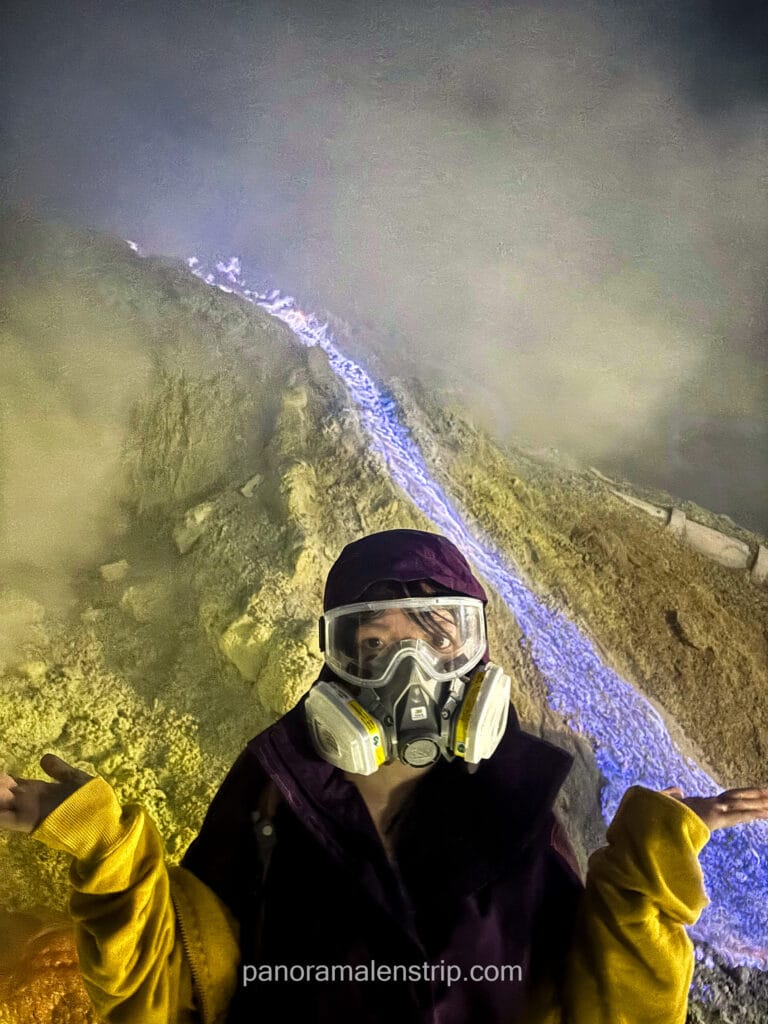
To understand why the Ijen Blue Fire is temporarily closed, you must understand the mechanics behind the magic. The blue fire represents the combustion of high-pressure sulfuric gases emerging from cracks at temperatures up to 600°C.
Currently, technicians suppress the fire as a deliberate, technical necessity. They are “rejuvenating” or replacing the ceramic and metal pipes that channel liquid sulfur from fumaroles to collection points. Over time, corrosive sulfur clogs and damages these pipes.
The Mechanics of the Shutdown
To replace these pipes safely, technicians must stop the gas from igniting. The mining team controls the high-pressure gas flow and often uses water to cool the “dapur belerang” (sulfur kitchen). This cooling process creates steam and actively extinguishes the flames that would otherwise ignite upon contact with oxygen.
Contrary to rumors, the fire did not disappear due to depleted sulfur reserves or permanent geological changes. Heavy machinery and human activity make the area dangerous for tourists, which forced authorities to temporarily close the descent path.
Can You Still Hike Mount Ijen Crater?
Social media often spreads the misconception that the entire park closed down. This is false. While the Ijen Blue Fire is temporarily closed, the hike to the top of Mount Ijen remains active and serves as a bucket-list experience.
The management, Balai Besar Konservasi Sumber Daya Alam (BBKSDA) Jawa Timur, continues to welcome thousands of visitors. However, tour operators shifted the itinerary from a “Blue Fire Expedition” to a “Sunrise and Landscape Trek.” This change offers a safer and more relaxed hiking experience, as visitors no longer need to rush down the dangerous rocky path into the crater in pitch darkness.
Comparison: Full Blue Fire Tour vs. 2026 Sunrise Tour
| Feature | Standard Blue Fire Tour (Pre-2026) | Current Sunrise Tour (2026) |
|---|---|---|
| Start Time | 12:00 AM – 1:00 AM | 2:00 AM – 3:00 AM |
| Difficulty | Very High (Steep descent into crater) | Moderate (Hike to rim only) |
| Primary Sight | Electric Blue Flames | Sunrise & Turquoise Acid Lake |
| Gas Mask | Mandatory (Heavy fumes) | Recommended (Wind shifts) |
| Access | Crater Floor + Rim | Crater Rim Only |
Data Source: Local travel advisories and BBKSDA regulations.
Visitors should also note the “Ijen Rijig” program. The park closes totally to all visitors on the first Friday of every month for a massive cleanup operation. Check the calendar to ensure your intended hiking date does not fall on this specific maintenance day.
The Impact on Local Sulfur Miners
The phrase “Ijen Blue Fire temporarily closed” carries different weight for the local community. The miners of Mount Ijen, famous for carrying baskets of solidified sulfur weighing up to 90 kilograms, form the backbone of this ecosystem.
Current maintenance work directly ties to their livelihood. The pipe repairs aim to streamline the flow of liquid sulfur, which eventually solidifies into the yellow rocks they harvest. During this repair phase, mining activity changes significantly.
For tourists, the iconic photo opportunity of miners emerging from the smoke at the lake’s edge remains unavailable. However, you can still see miners operating along the rim and transport paths. They often assist with the heavy logistics of the pipe repair. Engage with them respectfully and support them by purchasing small items (like molded sulfur souvenirs, if available and safe to transport) to help sustain their income during this operational shift.
Image Suggestion: A portrait of a sulfur miner resting near the crater rim with the green lake in the background, steam rising behind him.
Alt Text: Traditional sulfur miner carrying heavy load at Mount Ijen crater rim during pipe repairs.
Top Things to Do While Blue Fire Is Closed
Even with the blue flames absent, the Ijen Plateau remains one of Southeast Asia’s most photogenic landscapes. Here is how you can maximize your trip while the Ijen Blue Fire is temporarily closed.
1. Witness the Turquoise Acid Lake
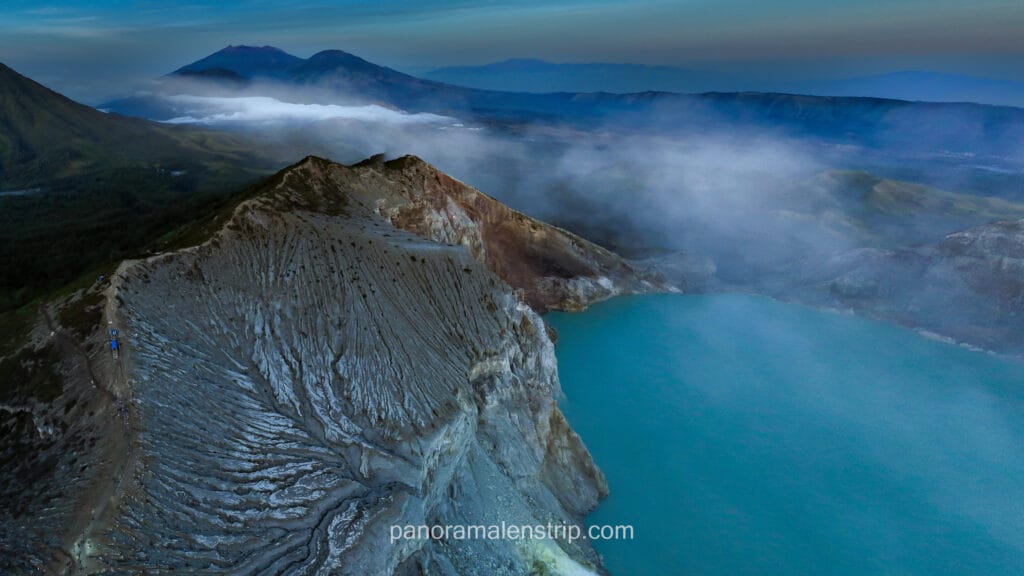
Without the distraction of the blue fire, shift your focus to the crater lake itself. It ranks as the largest highly acidic crater lake in the world, with a pH of roughly 0.5. As the sun rises, the water transforms from a deep, ominous grey to a vibrant, surreal turquoise. Seeing this color transition from the rim offers a visual spectacle that requires no descent into the crater.
2. The Golden Sunrise
The view from the top of Ijen (2,769 masl) provides an unobstructed line of sight over the Bali Strait. On a clear morning, you can spot the towering silhouette of Mount Agung in Bali and the rugged peaks of the neighboring Mount Raung. A “sea of clouds” phenomenon often blankets the lower caldera during sunrise.
3. The Dead Forest
On the hike down, explore the “Dead Forest” near the crater rim. This area features skeletal, burnt trees that past volcanic activity destroyed. Against the backdrop of white fog and grey ash, these blackened tree trunks create a moody, cinematic atmosphere perfect for photography.
4. Explore Nearby Waterfalls
Since the hike starts later and ends earlier (usually by 8:00 AM), you gain extra time to explore Banyuwangi. Visit Jagir Waterfall, located just a short drive from the base camp. It provides a refreshing way to clean off volcanic dust and relax after the morning trek.
Also read: Sunrise and Ijen’s Blue Fire Photography Tips
Planning Your Trip: Logistics and Safety
Navigating a trip while the Ijen Blue Fire is temporarily closed requires updated logistics.
Best Time to Start
Since you cannot go down to the blue fire area, starting your hike at midnight serves no purpose and leaves you waiting in the cold. We recommend starting between 2:00 AM and 3:00 AM in 2026. This pace allows you to reach the rim (a 1.5 to 2-hour walk) exactly as the sky begins to lighten.
Gear Requirements
- Gas Masks: Even without descending, wind can blow sulfur plumes toward the rim. We highly recommend a proper respirator for comfort and safety.
- Warm Clothing: Temperatures at the top can drop to 8–10°C before sunrise. Pack windbreakers.
- Headlamps: The path up lacks lighting. While local guides often provide flashlights, bringing your own reliable headlamp ensures better visibility.
Ticket Booking
Purchase tickets online through the official BBKSDA East Java website. We advise booking in advance, especially for weekends, as officials still enforce daily quotas to preserve the environment.
Find our best ijen’s tour packages here!
Conclusion
While news that the Ijen Blue Fire is temporarily closed may disappoint some, let it not deter you from visiting East Java in 2026. The technical maintenance causing this closure ensures the safety of the site and the sustainability of sulfur mining. The Ijen Crater remains a majestic destination, offering world-class trekking, breathtaking sunrises, and a unique glimpse into the life of active volcanoes. Adjust your expectations, focus on the stunning daylight scenery, and you will still experience an unforgettable adventure.
Check the latest status from official channels before you travel, and always prioritize safety over Instagram shots.
Frequently Asked Questions (FAQ)
Is the Ijen Blue Fire permanently gone?
No, the phenomenon is not permanently gone. Maintenance crews temporarily extinguished it to repair pipes. The fire will return once they restore the gas flow.
When will the Ijen Blue Fire reopen in 2026?
We have no fixed date for reopening as it depends on when the mining company completes technical repairs. Check updates from TWA Kawah Ijen management or local guides monthly.
Is it worth visiting Ijen without the Blue Fire?
Absolutely. The sunrise view, the massive turquoise acid lake, and the dramatic volcanic landscape remain spectacular. Many visitors actually prefer the “sunrise-only” trip as it demands less physical effort and offers greater safety.
Why is the Blue Fire not visible in January 2026?
The fire remains invisible because technicians stopped or diverted the high-pressure gas flow to repair the ceramic sulfur pipes. They also use water to cool the area, which prevents the gas from igniting into blue flames.
Do I need a gas mask if the Blue Fire is closed?
Yes, carry a gas mask. The volcano emits sulfur gas continuously. If the wind direction changes, it blows toxic fumes onto the hiking trail at the rim, which causes respiratory irritation.
Also read: Ijen Sunrise: The Magical Morning Over the Blue Flame Volcano

Is it opened again?
yes it is check our new article here Ijen Blue Fire Reopens Today: Latest Access & Safety Guide