What Makes Ijen Sunrise Special for Travelers
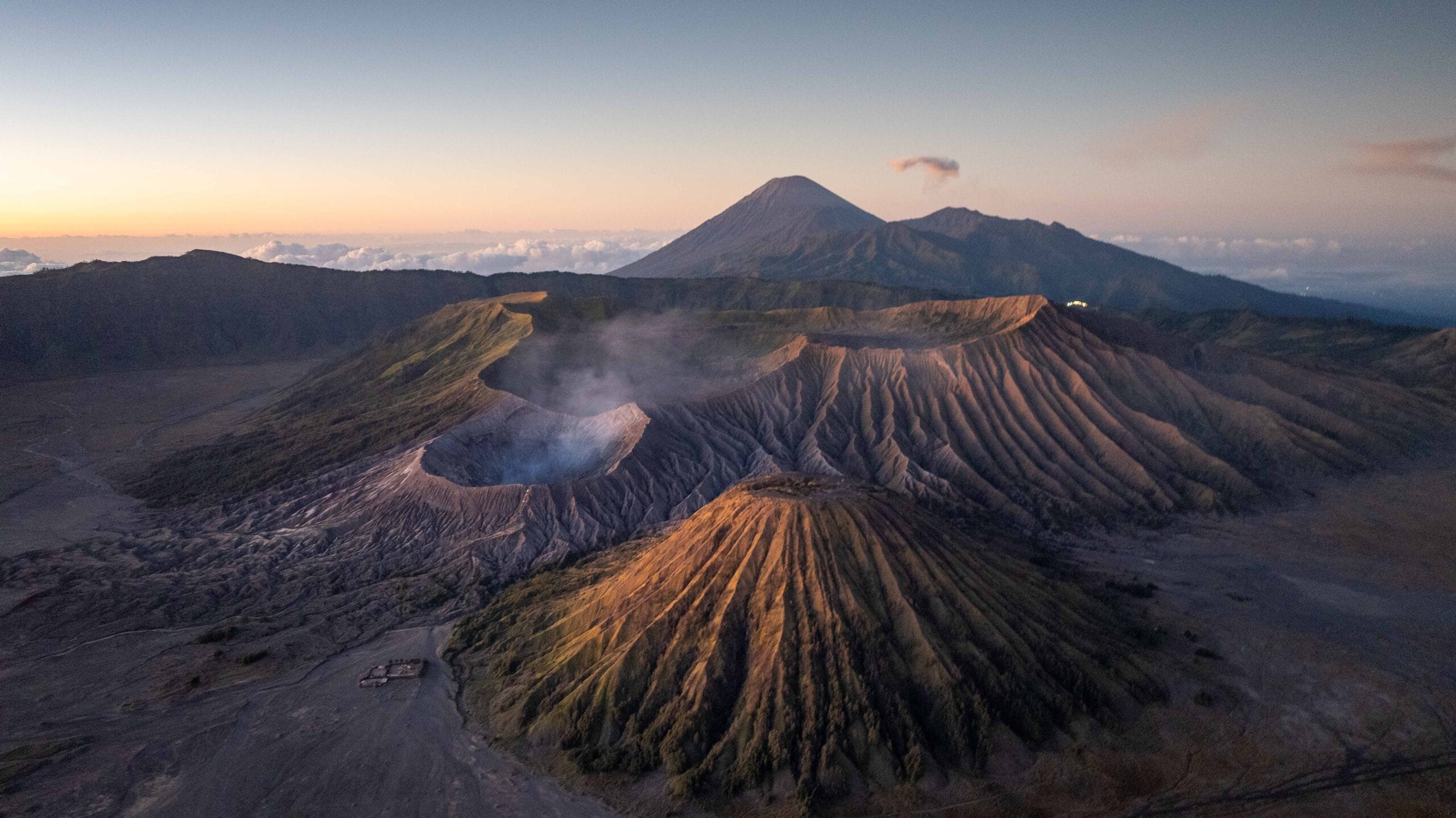
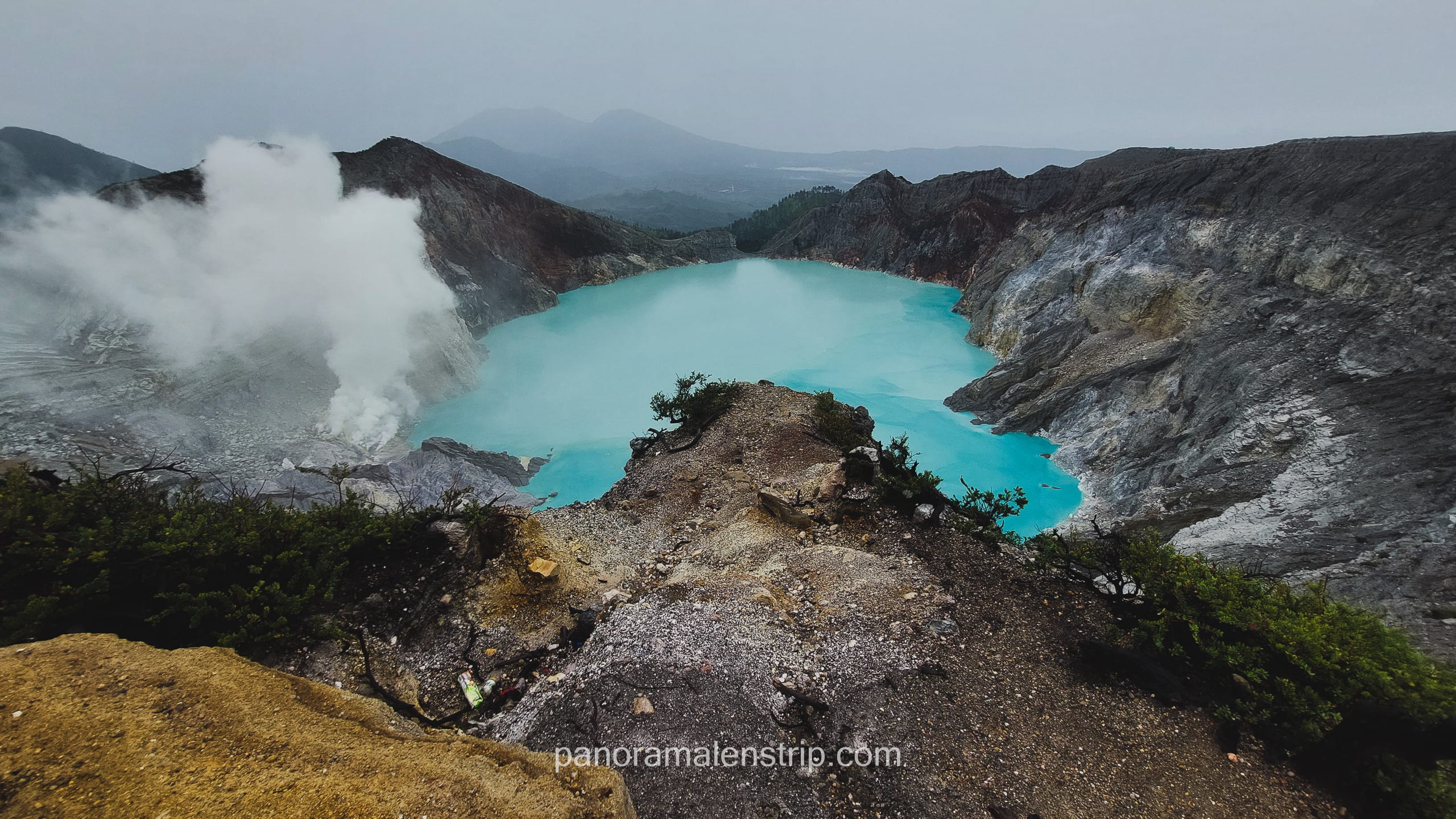
Ijen sunrise offers a rare mix of raw nature and calm beauty. As dawn breaks, soft light reveals the vast Ijen Crater and its turquoise acidic lake. The scene feels dramatic yet peaceful. Many travelers describe the moment as surreal and deeply moving. The contrast between dark volcanic rock and glowing sky creates a striking ijen sunrise view.
Mount Ijen stands in East Java, a region known for active volcanoes and diverse landscapes. Unlike crowded viewpoints elsewhere, Ijen still feels wild and authentic. The hike is challenging but achievable for most travelers with basic fitness. Reaching the rim before sunrise adds a sense of accomplishment to the mount Ijen sunrise experience.
Another unique element is the surrounding atmosphere. Cool mountain air, drifting mist, and distant sulfur vents shape a landscape found nowhere else. On clear mornings, visibility stretches across the crater, making sunrise colors more intense. The silence before sunrise heightens every detail.
Travelers also value Ijen sunrise for photography. The light changes quickly, offering golden, blue, and pastel tones within minutes. This natural transition keeps the experience dynamic. For many visitors to East Java, watching sunrise at Mount Ijen becomes the highlight of their trip and a memory tied to effort, patience, and awe.
Also read: Best Camera Settings for Ijen Sunrise Shots
Best Season for Ijen Sunrise Explained Clearly
The best season for Ijen sunrise is the dry season, which runs from April to October. During these months, weather conditions support clear skies and stable trails. Sunrise visibility improves, and the chance of cloud cover is lower. This period offers the highest success rate for seeing the crater clearly at dawn.
From June to September, conditions are especially favorable. Rainfall drops significantly, and wind patterns help disperse volcanic gas. As a result, hikers enjoy safer access and better views. These months often produce the iconic Ijen sunrise view seen in travel media.
The rainy season, from November to March, brings frequent clouds and sudden showers. While sunrise is still possible, visibility becomes unpredictable. Trails may turn slippery, and authorities sometimes restrict access for safety. Because of this, the rainy season is not considered the best season for Ijen sunrise.
For travelers planning flights, accommodation, and guides, timing matters. Choosing the dry season increases the chance of a smooth hike and a rewarding sunrise moment. If your goal is clear scenery and safe conditions, plan your visit within the dry months. This simple choice greatly improves the overall Mount Ijen experience.
Dry Season vs Rainy Season at Mount Ijen
Dry Season Conditions for Ijen Sunrise Views
The ijen dry season offers the most reliable conditions for sunrise hikes. Clear skies improve ijen sunrise visibility, especially near the crater rim. Trails remain firm and easier to navigate in the dark. Morning temperatures stay cold but manageable with proper clothing.
Wind during the dry season often helps reduce sulfur gas buildup. This improves breathing comfort and overall safety. Park closures are also less frequent. Because of these advantages, the dry season attracts more visitors, especially from June to August. Starting early helps avoid crowds and secure a good viewing spot.
Rainy Season Risks and Limitations
The ijen rainy season presents several challenges for travelers. Heavy rain increases the risk of slips and falls, affecting ijen trail safety. Clouds may block sunrise views entirely, even if the hike goes smoothly. Sudden weather changes can force early turnarounds.
Gas levels may also concentrate when wind is low, leading to temporary closures. While some travelers still attempt sunrise hikes during this season, success rates drop. For those with limited time, the rainy season often leads to disappointment. Choosing the right season remains the key factor in enjoying Mount Ijen at sunrise.
Best Months to See Ijen Sunrise Clearly (Month-by-Month)
Choosing the best month for Ijen sunrise depends on weather stability, visibility, and crowd levels. While the dry season offers overall advantages, each month brings different conditions that affect the sunrise experience. Understanding these changes helps travelers plan more accurately and avoid common disappointments.
April to June: Ideal Balance of Weather and Crowds
April to June marks the early dry season at Mount Ijen. Rainfall decreases, and skies begin to clear. During these months, sunrise visibility improves steadily. Trails dry out, making night hikes safer and more comfortable. Many travelers consider this period the best month for Ijen sunrise because conditions are reliable without heavy crowds.
Temperatures remain cool before dawn, but wind levels are moderate. This helps reduce gas concentration near the crater rim. Sunrise colors during these months often appear soft and layered, with gentle transitions from blue to gold. For travelers seeking calm conditions and strong visual rewards, April to June offers an excellent balance.
July to September: Peak Visibility but Busy Trails
July to September is the peak season for Mount Ijen. Rain is rare, and clear skies are common. These months provide the highest chance of sharp, unobstructed views across the volcanic crater. Many iconic photos of ijen sunrise in July come from this period.
However, popularity brings crowds. Trails can become busy, especially during school holidays. Starting earlier than usual helps avoid congestion at the summit. Wind is stronger during these months, which improves gas dispersal but can feel colder at sunrise. Despite the crowds, this period remains the most visually consistent time to visit.
October to March: Weather Challenges Explained
October to March covers the rainy season and shoulder months. Weather becomes unpredictable, with frequent clouds and sudden rain. Sunrise visibility drops, and the chance of complete cloud cover increases. Trails may turn muddy, increasing risk during night hikes.
Authorities sometimes close access due to weather or gas levels. While some clear mornings still occur, success is uncertain. Travelers with limited schedules often avoid these months. For most visitors, this period is not considered the best month for Ijen sunrise.
Weather Factors That Affect Ijen Sunrise Quality
Several natural elements shape the quality of Ijen sunrise. Understanding these factors helps travelers set realistic expectations and choose safer conditions.
Cloud Cover and Wind Direction
Cloud cover is the main factor affecting sunrise visibility. Even light clouds can block colors and crater views. Wind patterns play a key role in clearing or trapping clouds around the summit. Strong, consistent wind often creates clearer skies by sunrise.
Wind direction also affects temperature. Colder wind can lower comfort levels but usually improves visibility. Calm air increases the chance of lingering clouds and haze over the volcanic crater.
Sulfur Gas Movement at Sunrise
Sulfur gas is a natural part of Mount Ijen’s environment. Gas levels depend on volcanic activity and wind patterns. During sunrise, shifting air can trap gas near the crater rim or disperse it quickly.
Good wind flow reduces gas concentration, improving safety and comfort. Poor circulation can lead to temporary closures. Monitoring conditions before the hike is essential for a safe and enjoyable sunrise experience.
Best Time of Day to Reach the Summit for Sunrise
Reaching the summit at the right time is essential for a successful Ijen sunrise. Most travelers begin the hike between 1:30 and 3:00 AM. This schedule allows enough time to reach the crater rim before first light. The hike usually takes 1.5 to 2.5 hours, depending on pace and trail conditions.
To plan correctly, aim to arrive at the summit by 4:45 AM. This timing gives a buffer before sunrise, which often occurs between 5:00 and 6:00 AM. Arriving early allows hikers to rest, adjust to the cold, and choose a clear viewpoint. It also reduces stress caused by crowds.
Weather and fitness level can affect timing. Strong wind or slippery trails may slow progress. For safety, steady pacing is better than rushing. Guides often recommend leaving earlier during peak season to avoid congestion near the top.
For those seeking clear answers, the rule is simple. Start early, walk steadily, and reach the summit before dawn. This approach provides the best chance of witnessing a full Ijen sunrise experience without feeling rushed or overwhelmed.
Ijen Sunrise vs Blue Fire: When Should You Go?
Choosing between Ijen sunrise and blue fire depends on your travel goals and physical readiness. Both experiences are unique but require different timing and conditions.
| Aspect | Sunrise | Blue Fire |
|---|---|---|
| Best season | Dry season | Dry season |
| Time | 5:00–6:00 AM | 1:00–4:00 AM |
| Visibility | Weather dependent | Darkness required |
Ijen sunrise highlights landscape and color. As daylight spreads, the volcanic crater and surrounding mountains appear in layers. This option suits travelers who enjoy scenery and photography. It requires an early start but is less demanding than the blue fire hike.
Blue fire focuses on a rare natural phenomenon. It requires descending into the crater before dawn. The hike is steeper and more physically demanding. Gas masks are mandatory due to sulfur gas exposure.
If you prefer comfort and wide views, sunrise is ideal. If you seek a rare and intense experience, blue fire may suit you better. Some travelers combine both, but it requires careful planning and strong stamina
Photography Tips for Capturing Ijen Sunrise
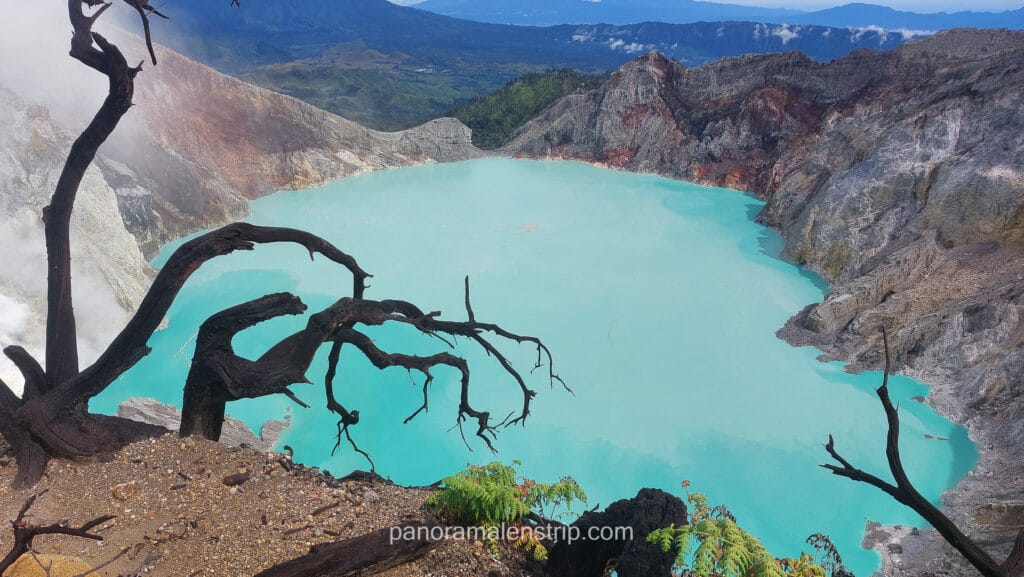
Ijen sunrise photography rewards preparation and patience. Light changes quickly, so arrive early to scout angles. Choose a position that shows both the sky and the crater for a balanced ijen landscape photo.
Use a wide-angle lens to capture scale. A tripod helps stabilize shots during low light before sunrise. As the light increases, adjust exposure frequently to avoid overexposed highlights.
Dress warmly to stay steady while shooting. Cold hands reduce control and timing. Wind can also affect stability, so shield your camera when possible.
Focus on layers. Foreground rocks, the crater lake, and the sky add depth. Avoid rushing shots. The best images often appear minutes after the sun rises, when colors soften and contrast improves.
Common Mistakes When Planning Ijen Sunrise Trips
Many travelers miss the full experience due to simple planning errors. Choosing peak rainy months often leads to poor visibility and trail risks. Weather should always guide your schedule.
Ignoring gas conditions is another mistake. Sulfur gas levels can change quickly. Always follow local guidance and safety rules.
Arriving too late for sunrise reduces viewing options and increases crowd pressure. Starting early ensures flexibility and comfort.
Underestimating cold temperatures also affects enjoyment. Pre-dawn temperatures can be very low. Proper clothing improves focus, safety, and overall experience at Mount Ijen.
Safety, Regulations, and Closures by Season
Safety is a top priority when visiting Mount Ijen. The Mount Ijen authority monitors volcanic activity, sulfur gas levels, and weather conditions to protect hikers. Following official guidance ensures a safe experience, especially during pre-dawn hikes.
Park closure policy depends on multiple factors. During the rainy season, heavy rain can make trails slippery and unsafe, leading to temporary closures. Similarly, high sulfur gas concentration can prompt authorities to restrict access until conditions improve. Visitors are advised to check the latest updates before planning a hike.
Hiking in the dry season generally offers safer conditions. Trails are firmer, and visibility is better, but hikers should still be cautious of steep paths and uneven terrain. Guides are available and recommended for all visitors, especially those unfamiliar with the trail or local hazards.
Safety equipment, such as masks for sulfur gas, is mandatory when entering the crater. Wearing sturdy footwear, warm clothing, and carrying sufficient water enhances comfort and reduces risk. Paying attention to weather forecasts and official warnings allows travelers to enjoy sunrise without compromising safety.
By respecting regulations and understanding seasonal risks, visitors can fully appreciate the beauty of Ijen sunrise while minimizing danger. Planning, preparation, and adherence to rules ensure the experience remains memorable and secure.
Is the Best Season for Ijen Sunrise Worth It?
The best season for Ijen sunrise, the dry months from April to October, is worth planning for. Clear skies, stable trails, and lower gas concentrations provide the safest and most visually rewarding experience. Arriving early ensures a prime view of the crater and surrounding landscape.
Choosing the dry season maximizes success while minimizing hazards. The stunning combination of sunrise colors, volcanic formations, and crisp mountain air makes the effort of an early hike worthwhile. For travelers seeking memorable scenery in East Java, timing your visit correctly guarantees a rewarding Mount Ijen sunrise experience.
Also read: Ijen Sunrise Viewpoint – Best Sunrise Experience at Mount
FAQ SECTION
What is the best season for Ijen sunrise?
The dry season from April to October offers the clearest sunrise views and safest trails.
What is the best month to see Ijen sunrise?
June to August provides the most consistent weather and visibility.
Can you see Ijen sunrise during the rainy season?
Yes, but clouds, rain, and closures often reduce visibility and safety.
Is Ijen open year-round for sunrise hikes?
No, Mount Ijen may close temporarily due to gas levels or weather.
What time should I start hiking for sunrise at Ijen?
Most hikers begin between 1:30 and 3:00 AM.
Is sunrise or blue fire better at Mount Ijen?
Sunrise offers scenery, while blue fire is unique but requires earlier access.
Is Mount Ijen cold at sunrise?
Yes, temperatures can drop below 10°C before sunrise.