

Introduction to Tumpak Sewu
What Makes Tumpak Sewu Special
Tumpak Sewu Waterfall stands out as one of Indonesia’s most breathtaking natural wonders thanks to its dramatic “curtain waterfall” formation. Unlike typical waterfalls that drop from a single point, Tumpak Sewu Waterfall features hundreds of thin water streams flowing down a semicircular cliff—creating a massive, silky curtain effect. Its multi-layered cascade, lush jungle surroundings, and towering cliffs make it feel like stepping into a hidden world straight out of a fantasy movie. Whether you’re an adventure traveler, a photographer, or simply a nature lover, this waterfall delivers an unforgettable experience.
The Meaning Behind the Name “Tumpak Sewu”
The name “Tumpak Sewu” comes from the Javanese language and translates to “a thousand waterfalls.” The name perfectly captures the visual impression created by the numerous water streams that fall simultaneously. Locals say the waterfall resembles thousands of silver threads dropping from the cliffs, which is why the name fits so beautifully. This poetic meaning adds a cultural touch that makes the place even more magical.
Why It’s Known as Indonesia’s Most Stunning Waterfall
Many travelers and photographers claim Tumpak Sewu as the most beautiful waterfall in Indonesia, and for good reason. The combination of height, shape, and scenery is unmatched. Perched on the edge of a deep canyon with a perfect panoramic viewpoint above, it offers a view that’s rare to find anywhere else in the world. The hike down to the base adds an extra thrill—river crossings, bamboo ladders, and rocky passages make the journey exciting. Once you reach the bottom, the towering waterfall walls surround you with mist and roaring sound, making the experience feel incredibly immersive.
Location & Geography
Where Tumpak Sewu Is Located
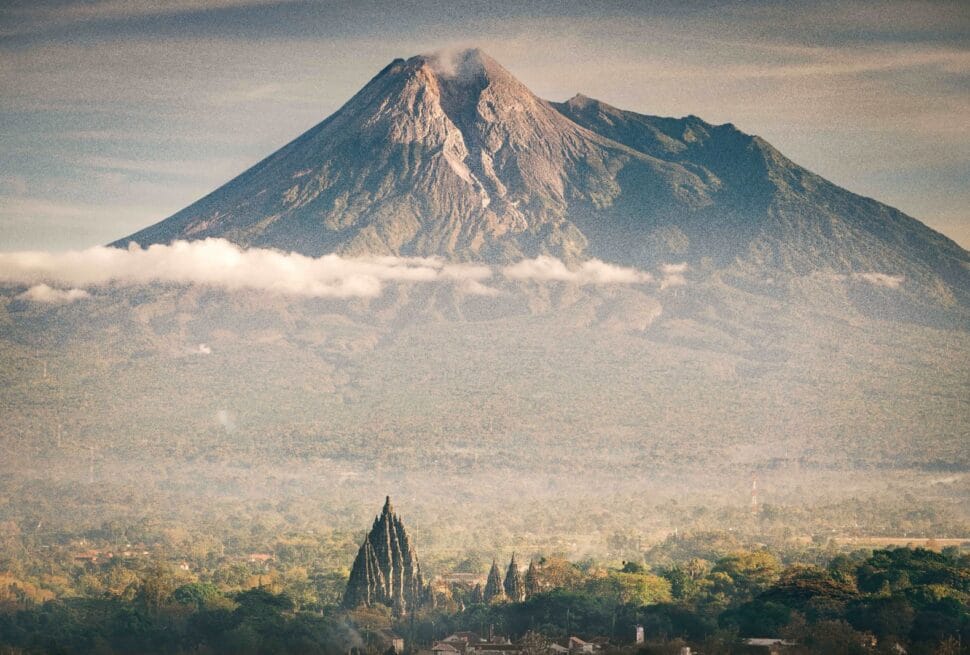
Tumpak Sewu Waterfall is located in Lumajang Regency, East Java, right on the natural border between Lumajang and Malang. It sits roughly 2–3 hours southeast of Malang City, making it a popular day-trip destination from Malang. The waterfall lies at the foot of Mount Semeru, the highest volcano in Java, which contributes to its dramatic geological structure.
Overview of Lumajang & East Java Region
Lumajang is known for its rich natural landscapes—volcanoes, waterfalls, rivers, and dense forests. Its rural villages and peaceful scenery contrast the bustling cities like Surabaya and Malang. East Java itself is home to some of Indonesia’s most iconic destinations, including Mount Bromo, Mount Semeru, and Ijen Crater. Tumpak Sewu fits perfectly into this adventurous region, offering one of its most rewarding nature experiences.
Geological Formation of the Waterfall
Tumpak Sewu was formed over thousands of years by erosion caused by volcanic activity and river flow from Mount Semeru. The water cascades down a massive horseshoe-shaped cliff made of volcanic rock and sediment. The waterfall’s formation is unique because the flow spreads out across multiple points instead of a single stream, creating its iconic curtain effect. The canyon below the waterfall is carved by continuous water movement, making the landscape dynamic and ever-changing.
Best Time to Visit Tumpak Sewu
Dry Season vs. Rainy Season
The dry season (April–October) is the best time to visit Tumpak Sewu. Trails are safer, water levels are manageable, and visibility is excellent. During the rainy season (November–March), the waterfall becomes even more powerful—but the trek can be slippery, muddy, and dangerous due to stronger river currents and the risk of flash floods.
For most travelers, the dry season offers the most comfortable and safest experience.
Ideal Hours for Photography
The best time for photography is early morning, especially between 6:00 AM and 8:00 AM. This is when:
- The sunlight hits the waterfall perfectly
- Mist rises beautifully from the canyon
- Crowds are minimal
- The upper viewpoint offers soft, golden lighting
Sunset can also be beautiful, but lighting inside the canyon becomes more limited.
Weather Tips for Travelers
- Always check the weather before your visit; avoid heavy rain days.
- Wear proper hiking shoes—the trail becomes slippery easily.
- Bring a waterproof bag for your camera and phone.
- Expect humidity; lightweight clothing is recommended.
- Hydrate well, especially if you plan to hike down to the base.
If you’d like, I can continue writing the next sections or merge this into the full long-form article later.
How to Get to Tumpak Sewu
Reaching Tumpak Sewu is part of the adventure itself. Whether you’re starting from Malang, Surabaya, or traveling independently, the routes are straightforward but require some planning. The roads leading to the waterfall are mostly smooth, though the final stretch goes through rural villages and winding paths. Here’s a complete guide to help you reach Tumpak Sewu conveniently and safely.
From Malang
Malang is the closest major city to Tumpak Sewu and the most popular starting point for travelers. The journey typically takes 2 to 3 hours, depending on traffic and weather. From Malang City, head south toward Dampit and follow the main road passing Tirtoyudo before reaching the village of Sidomulyo, where the main entrance to Tumpak Sewu is located.
The route is filled with beautiful landscapes—rolling hills, rice terraces, and the occasional glimpse of Mount Semeru on a clear day. Most travelers prefer hiring a private car or joining a local tour because the roads can be narrow in some areas. Motorbike riders, however, love the scenic route and the freedom to take stops along the way.
Once you arrive at the parking area, you’ll walk about 10–15 minutes to the upper viewpoint. If you plan to descend to the base, allocate extra time, as the hike down takes around 30–45 minutes.
From Surabaya
Surabaya is farther from Tumpak Sewu, but it’s still a common starting point thanks to its international airport and large number of transportation options. The drive from Surabaya to Tumpak Sewu takes around 4 to 5 hours.
To get there from Surabaya, head south toward Malang via the toll road. Once you reach Malang, continue along the same route mentioned above—passing Dampit and Tirtoyudo. The toll roads make the journey comfortable, but traffic during weekends and holidays may add extra time.
Many travelers prefer stopping for a night in Malang to rest before continuing the next morning. This makes the trip more relaxed and allows you to enjoy sunrise at the waterfall.
If you’re traveling independently, buses and trains from Surabaya to Malang are available daily. From Malang, you can rent a motorbike or hire a car to reach Tumpak Sewu.
Transport Options (Car, Motorbike, Tour Package)
There are three main ways to reach Tumpak Sewu:
1. Private Car
The most comfortable and convenient option. You can rent a car with a driver from Malang or Surabaya. Drivers familiar with the route ensure a smooth ride and save you from navigating rural roads on your own. Ideal for groups, families, or travelers carrying camera gear.
2. Motorbike
Perfect for adventurous travelers. Motorbike rentals are easy to find in Malang, and the roads are generally safe. The ride is scenic, but be cautious during rainy weather, as some routes may get slippery. Don’t forget a raincoat and helmet.
3. Guided Tour Package
If you want a worry-free experience, a tour package is the best choice. Most tours include:
- Round-trip transport
- Entrance tickets
- Local guide
- Optional visits to Goa Tetes or nearby waterfalls
Tours can be private or shared, depending on your budget.

Entrance Fees & Opening Hours
Tumpak Sewu is traveler-friendly, with affordable entrance fees and flexible opening hours. Knowing the costs and timing helps you plan your visit efficiently.
Ticket Prices
The entrance fee to Tumpak Sewu is very affordable:
- Local visitors: Approximately IDR 20,000
- Foreign visitors: Approximately IDR 30,000–50,000
These prices may vary slightly depending on local management, but overall, it remains one of the best-value attractions in East Java. Some travelers may also be asked to pay an additional small fee if they choose to visit Goa Tetes, located nearby.
Parking Fees
Parking costs are also budget-friendly:
- Motorbike: Around IDR 5,000
- Car: Around IDR 10,000
The parking area is safe, and local staff monitor the vehicles throughout the day.
Best Time to Arrive
To enjoy the best experience, it’s highly recommended to arrive early in the morning, ideally between 6:00 AM and 8:00 AM. Early arrival gives you:
- Soft, golden lighting for photos
- Cooler temperatures
- Fewer crowds
- More time for the descent and exploration
Tumpak Sewu is open from sunrise to sunset, but entering late in the afternoon is not advised, especially if you plan to go down to the base. The trek takes time, and visibility decreases quickly near evening.
Arriving early also allows you to explore nearby attractions like Goa Tetes or other hidden waterfalls around Lumajang without feeling rushed.
Hike & Trekking Experience
Exploring Tumpak Sewu isn’t just about enjoying the views—it’s an adventure that takes you deep into one of East Java’s most dramatic landscapes. The hike combines steep descents, river crossings, bamboo ladders, and rocky paths, making it both thrilling and challenging. Whether you’re a beginner with good fitness or an experienced trekker, the journey to the base of the waterfall will leave a lasting impression. Here’s everything you need to know before starting your hike.
Difficulty Level
The hike to the base of Tumpak Sewu is considered moderate to challenging, depending on your fitness level and experience. While the walk to the upper viewpoint is easy and suitable for all ages, the descent to the canyon requires more effort.
The trek involves:
- Steep slopes
- Slippery mud sections
- Bamboo ladders
- Rope-assisted climbs
- Walking across flowing streams
Most travelers complete the descent in 30–45 minutes and the ascent in 45–60 minutes, though this varies based on pace. The trail can be physically demanding, especially for those not used to hiking. However, many beginners manage it successfully with patience and proper footwear. Anyone with mobility issues or severe fear of heights may find the hike too challenging, so it’s important to assess your comfort level before going down.
Trail Conditions
The trail conditions at Tumpak Sewu are natural and unpaved, keeping the experience adventurous and authentic. Expect a mix of terrains as you make your way down:
1. Forest Path
The first part of the trail consists of a clear dirt path through local vegetation. It’s relatively easy but can become muddy after rain.
2. Steep Descent
The second section includes narrow paths and steep slopes. Bamboo railings and wooden steps are installed in some areas to assist visitors. Take your time here, as these parts tend to be slippery.
3. Bamboo Ladders
One of the most iconic features of the hike is the bamboo ladders. These structures help you descend vertical or semi-vertical sections. Although they may look intimidating, they are stable and maintained by locals.
4. Rocky Canyon Floor
Once you reach the bottom, you’ll walk along rocky riverbeds and streams. The water flow varies depending on the season, so be prepared for wet feet. The final stretch takes you through a stunning, narrow canyon with towering walls on both sides before the waterfall reveals itself.
Overall, the trail is safe when taken slowly and carefully. Rushing can lead to slips, so prioritize control over speed.
River Crossing Safety Tips
Since water plays a big role in the trail, river crossing safety is essential. Here are simple but important precautions:
- Follow the guide’s instructions if you hire one—they know the conditions best.
- Wear sandals or shoes with good grip, as smooth rocks become slippery when wet.
- Cross slowly and sideways, keeping your balance low and steady.
- Use available ropes to support yourself across deeper sections.
- Avoid crossing during heavy rain, as water levels can rise quickly.
- Keep electronics in waterproof bags to protect them from splashes or accidental dips.
With these safety habits, river crossings become manageable and even fun.
Recommended Gear to Bring
Being well-prepared makes the entire hike safer and more enjoyable. Here’s the gear you should bring for the best experience:
- Sturdy hiking shoes or waterproof sandals
- Lightweight clothing that dries quickly
- Waterproof bag or dry bag for your phone and camera
- Trekking pole for extra balance, especially on steep sections
- Gloves to grip ropes and bamboo ladders
- Refillable water bottle to stay hydrated
- Snacks or energy bars
- Small towel for drying off after river crossings
- Camera or GoPro with a strap for hands-free movement
If you have a drone, pack it securely—some parts of the trail require both hands, so having a protective case is important.

Main Viewpoints
Tumpak Sewu offers several spectacular viewpoints that allow you to experience its beauty from every angle. Whether you prefer an easy viewpoint from above or a challenging descent into the canyon, each perspective delivers a different level of awe. Here’s a complete guide to the main viewpoints you shouldn’t miss.
Upper Viewpoint (Panoramic View)
The upper viewpoint is the most iconic spot at Tumpak Sewu, offering a sweeping, postcard-perfect panorama of the entire waterfall. From here, you can see the horseshoe-shaped cliffs and hundreds of thin water streams cascading down the vertical walls. It’s also the most accessible viewpoint—only a 10- to 15-minute walk from the parking area.
This spot is ideal for:
- First-time visitors
- Drone pilots
- Sunrise lovers
- Photographers seeking wide-angle shots
Arriving early in the morning ensures you capture the mist rising gently from the canyon, adding a magical touch to your photos. The viewing platform is sturdy, and the area is spacious enough for multiple visitors, although sunrise crowds can be expected on weekends.
What makes this viewpoint so special is the sheer scale of the waterfall. Standing there, you’ll feel like you’re looking at a living painting carved by nature over thousands of years. If you’re not planning to hike to the bottom, the upper viewpoint still gives you a world-class experience.
Descent to the Base
For adventurous travelers, the descent into the canyon is one of the most thrilling parts of visiting Tumpak Sewu Waterfall. This section of the Tumpak Sewu Waterfall Indonesia trail reveals a completely different world—one where you can feel the waterfall’s power up close. The path takes you through dense jungle terrain, bamboo ladders, rocky slopes, and shallow streams before finally opening up to the breathtaking base of Tumpak Sewu.
At the bottom, the atmosphere is nothing short of magical. Towering cliff walls surround you, mist rises like natural fog, and the roar of the cascade fills the entire canyon. This spot is ideal for close-up photography, dramatic long-exposure shots, and capturing human silhouettes to show just how massive Tumpak Sewu Waterfall truly is. Many visitors say this moment feels like stepping into a fantasy film set.
Because the descent can be challenging, it’s important to move slowly and stay mindful of your footing—especially on wet rocks and bamboo ladders. However, as highlighted in every Tumpak Sewu Waterfall travel guide, the reward is absolutely worth it. Standing at the base offers one of the most dramatic and unforgettable natural experiences in all of Indonesia.
Hidden Angles for Photography
Tumpak Sewu is full of hidden corners and lesser-known viewpoints that offer unique compositions. Photographers and explorers often wander around the canyon floor to find creative shots.
Some hidden angles worth exploring include:
- Side angles from the left and right of the canyon floor, capturing the curve of the waterfall
- Low-angle shots from the center pool area where mist creates soft, dreamy lighting
- Drone angles from above the canyon, providing symmetrical views
These angles highlight the waterfall’s curtain effect, the canyon’s depth, and the lush greenery surrounding the cliffs. If you love photography, you’ll quickly discover that every few steps reveal a new perspective worth capturing.
Learn more: Bromo Tumpak Sewu Photography Spots, Where is The Best?
Tumpak Sewu Highlights
Beyond its stunning viewpoints, Tumpak Sewu offers several unique features that set it apart from other waterfalls in Indonesia. From its curtain-like water formation to the perfect lighting conditions for sunrise, there’s much to appreciate whether you’re a photographer or casual traveler.
The Curtain-Style Waterfall
Tumpak Sewu is famous for its distinctive curtain-style formation, where numerous thin streams of water fall simultaneously along a semicircular cliff. This creates the illusion of hundreds—possibly thousands—of waterfalls flowing at once.
Unlike single-drop waterfalls, the water here spreads widely across the rock walls, giving it a dramatic and elegant appearance. During the rainy season, the curtain becomes thicker and more powerful, while in the dry season it becomes softer but more defined. The natural symmetry and ongoing motion of the water make it one of the most unique waterfalls in Southeast Asia.
GoPro, Drone, and Photography Tips
Whether you’re using a smartphone, DSLR, GoPro, or drone, Tumpak Sewu is a paradise for photography lovers. Here are some tips to capture its beauty more effectively:
GoPro Tips
- Use wide-angle mode to capture the scale of the canyon.
- Bring a waterproof case, as the mist at the base can be heavy.
- Try slow-motion videos during river crossings for cinematic content.
Drone Tips
- Fly only during calm weather—strong winds can make maneuvers difficult.
- Capture top-down shots to highlight the curtain effect.
- Avoid flying too low in the canyon to prevent signal interference.
DSLR/Phone Camera Tips
- Use a tripod for long-exposure shots at the base.
- Shoot during golden hours for warm tones and soft light.
- Bring a lens cloth to constantly wipe mist droplets.
With the right angles and lighting, even a beginner can capture professional-looking photos here.
Drone Photography Tips for Tumpak Sewu: Best Angles and Rules
Best Spots for Sunrise Light
Tumpak Sewu is stunning at any time of day, but sunrise brings a unique atmosphere. Early morning light creates:
- Beautiful shadows on the canyon walls
- Soft, golden hues across the waterfall
- Misty layers that float upward like smoke
- A calm atmosphere with fewer visitors
The upper viewpoint is the best spot for sunrise, offering a clear angle where sunlight breaks through the hills. If you’re descending to the base, consider starting early—but ensure it’s bright enough for safety. For photography, the period between 6:00 AM and 8:00 AM provides the best natural lighting.
Nearby Attractions
Tumpak Sewu is surrounded by several other natural wonders, making the area ideal for a full-day or multi-location adventure. Here are the top attractions worth visiting while you’re in Lumajang.
Goa Tetes Cave
Located just a short trek from Tumpak Sewu, Goa Tetes Cave feels like a mystical playground of dripping water, small pools, and natural rock formations. The cave is layered with mineral deposits that give it unique textures and colors.
Inside, you’ll find:
- Mini waterfalls
- Natural terraces
- Photo-friendly rock walls
- Small chambers to explore
The path is wet, so expect to get soaked—but that’s part of the fun. Many travelers say Goa Tetes feels like a “mini adventure” after the main waterfall visit.
Kapas Biru Waterfall
Just a 30-minute drive from Tumpak Sewu, Kapas Biru is another breathtaking gem in Lumajang. This waterfall features a tall, free-falling drop surrounded by lush greenery. The trek to reach it is moderately challenging, with several steep sections.
“Kapas Biru” means “Blue Cotton”, a name inspired by the misty, soft-looking water flow. It’s less crowded than Tumpak Sewu, making it perfect for those who want a quieter nature experience.
Coban Sriti Twin Waterfall
A bit further and more challenging to reach, Coban Sriti rewards adventurous travelers with a striking pair of twin waterfalls emerging side by side between massive cliff walls. The trek can involve river crossings and rock hopping, but the view is worth every step.
Coban Sriti is raw, untouched, and dramatic—an ideal spot for experienced hikers or photographers seeking rare landscapes. The twin streams fall powerfully into a deep canyon, creating a majestic atmosphere you’ll remember for years.
Learn more: Top Adventure Activities Tumpak Sewu Waterfall
Local Culture & Community
Tumpak Sewu isn’t just a natural wonder—it’s also surrounded by a warm, welcoming local community whose lifestyle adds depth to your travel experience. The villages, people, and traditions around the waterfall play an important role in preserving the beauty and safety of the area. Visiting Tumpak Sewu gives you the chance not only to explore nature but also to connect with the local culture of East Java.
Villages Around Tumpak Sewu
The area surrounding Tumpak Sewu Waterfall is enriched by several small villages, with Sidomulyo and Besukcukit being the closest. These communities live in harmony with nature, with most locals working as farmers growing crops like corn, cloves, coffee, and bananas. The terraced fields and plantations you’ll see along the way create an authentic rural atmosphere that beautifully complements the journey to Tumpak Sewu Waterfall.
As you walk through these villages, you’ll get a genuine glimpse of daily life—children playing outdoors, farmers heading to their fields at sunrise, and locals carrying traditional woven baskets. The peaceful environment feels worlds away from busy cities, setting the perfect tone for your adventure.
Traditional Javanese culture is still strongly preserved here. Locals often speak Javanese, simple bamboo houses line the small roads, and small shrines or community gathering spots appear throughout the villages. Many travelers say that the charm of Tumpak Sewu Waterfall extends far beyond the cascade itself—it’s also found in the warmth, simplicity, and hospitality of the people who live around it.
Friendly Locals & Guided Tours
The people around Tumpak Sewu are known for their warmth. Visitors often share stories of how locals helped them navigate trails, offered drinks, or shared friendly conversations. Many locals are used to assisting tourists and are very approachable if you need directions or recommendations.
If you’re planning to descend to the waterfall base, hiring a local guide is highly recommended. Guides not only ensure safety but also enrich your experience by sharing insights about the area’s geography, myths, and local culture. They know the trail conditions, the safest river crossings, and the best spots for photography.
Some benefits of hiring a guide include:
- Learning local stories and hidden facts
- Safer navigation through bamboo ladders and slippery paths
- Helping support the local economy
- Getting help with taking photos or videos
Most guides charge reasonable fees and are flexible with timing. Supporting them means supporting the community that cares for and maintains the natural environment of Tumpak Sewu.
Food & Rest Areas
A day trip to Tumpak Sewu can be physically demanding, especially if you plan to hike to the base. Thankfully, the area provides several affordable food stalls, rest areas, and refreshment spots where you can relax, refuel, and enjoy local cuisine.
Local Warungs
Around the entrance and parking area, you’ll find several warungs—small traditional eateries run by local families. These warungs serve home-style meals that are simple, delicious, and budget-friendly. Common dishes you may find include:
- Nasi goreng (fried rice)
- Mie goreng (fried noodles)
- Tempe and tofu dishes
- Fried bananas (pisang goreng)
- Fresh coconut water
- Local coffee
Eating at a warung not only satisfies your hunger but also gives you the chance to support local businesses. Most dishes are prepared fresh, and the portions are generous. Many travelers appreciate the comforting flavor of home-cooked food after an intense trek.
Best Places to Rest
There are several rest shelters near the entrance and the viewing area where you can relax before or after the hike. These shelters usually have:
- Wooden benches
- Shaded roofs
- Open-air seating
- Scenic views of the surrounding hills
If you need a longer break, you can head to the village areas where locals may offer outdoor seating under trees or near plantations. Resting here gives you a chance to take in the calm rural atmosphere and mingle with villagers.
For those visiting during the dry season, resting in shaded areas is essential since the sun can be strong, especially midday. If you plan to explore nearby attractions like Goa Tetes or Kapas Biru, take a short rest between hikes to keep your energy levels balanced.
Refreshments Available
Besides cooked meals, there are plenty of refreshment options around Tumpak Sewu. Look for stalls selling:
- Bottled water
- Iced tea
- Fresh coconut
- Cold sodas
- Snacks like chips, biscuits, and fruit
Staying hydrated is important, especially during the challenging descent. Buying refreshments from local vendors also helps contribute to the community’s livelihood. Prices are generally affordable, and locals often greet visitors with warm smiles and friendly service.
Where to Stay
Tumpak Sewu can be explored as a day trip from Malang, but staying nearby gives you more time to enjoy the area, especially if you plan to visit multiple waterfalls. Whether you’re looking for rustic homestays, mid-range hotels, or budget accommodation, there are plenty of options for every type of traveler
Homestays Near Tumpak Sewu
The closest accommodation options are local homestays located in villages around the waterfall. These homestays offer basic but comfortable lodging, often including:
- Clean rooms
- Simple beds
- Shared or private bathrooms
- Home-cooked breakfast
- A warm, family-like atmosphere
Choosing a homestay allows you to experience authentic Javanese hospitality. Many hosts are knowledgeable about the area and can arrange guides, transport, and additional tours for you. Homestays are ideal for travelers who want early access to sunrise viewpoints without rushing from the city.
Some homestays even overlook beautiful rice fields or mountain landscapes, making your stay peaceful and refreshing.
Hotels in Malang & Lumajang
For more comfort and better facilities, staying in Malang or Lumajang is a great choice. Both cities offer a wide range of hotels, from affordable options to more luxurious stays.
Malang is particularly popular due to its cooler climate, cafés, attractions, and accessibility. Many travelers choose to spend the night in Malang before heading to Tumpak Sewu early in the morning.
Lumajang, on the other hand, is closer and quieter. While hotel options are fewer, it’s convenient if you plan to explore multiple waterfalls in the region without long drives.
Best Budget & Mid-Range Options
For budget travelers, guesthouses and simple lodges around Malang offer comfortable rooms at affordable prices. These often include amenities like Wi-Fi, private bathrooms, and breakfast.
Mid-range travelers can find stylish boutique hotels and villas in Malang, providing extra comfort such as:
- Swimming pools
- On-site restaurants
- Scenic views
- Modern interiors
Staying in either budget or mid-range accommodation still provides easy access to Tumpak Sewu while keeping your trip relaxing and enjoyable.

Safety Tips for Travelers
Exploring Tumpak Sewu is an unforgettable experience, but the rugged terrain and natural conditions mean that safety should always come first. With steep trails, river crossings, and unpredictable weather, being prepared ensures you enjoy the adventure without unnecessary risks.
Slippery Paths
The trails around Tumpak Sewu are naturally wet, muddy, and slippery—especially closer to the river and waterfall base. Wooden ladders and ropes installed along the descent often get moist, which increases the risk of slipping.
To stay safe:
- Wear shoes with strong grip (avoid flat sneakers or sandals).
- Take slow, steady steps—never rush.
- Hold onto ropes and bamboo railings during steep sections.
- Keep your hands free by storing items in a backpack.
- Avoid stepping on moss-covered rocks; they are extremely slippery.
During the rainy season, the danger increases significantly. If the trail seems too wet or crowded, wait a few minutes for a clearer path or continue only if you’re confident in your footing.
Avoiding Flash Flood Zones
Tumpak Sewu’s river system can swell rapidly after strong rain. Flash floods are rare but possible, especially during December–March.
Here’s how to stay safe:
- Always check the weather forecast before visiting.
- Avoid visiting during heavy rain or stormy conditions.
- If the water current seems stronger than usual, do not attempt river crossings.
- Follow the instructions of local guides—they often know early signs of rising water.
- Do not linger too long in narrow ravine areas where water flow can build up quickly.
If you hear unusually strong water noises or see muddy water rushing downstream, immediately move to higher ground. Your safety is more important than photos.
Travel Insurance Suggestions
Because Tumpak Sewu involves trekking, river crossings, and potential hazards, having travel insurance is a smart choice.
Look for insurance that covers:
- Trekking and adventure activities
- Emergency evacuation
- Medical expenses for injuries
- Lost or damaged gear (useful for cameras and drones)
Insurance adds peace of mind, especially if you’re traveling from overseas or planning a multi-day trip around East Java.
Suggested Itineraries
Whether you have just a few hours or an entire weekend, Tumpak Sewu offers memorable experiences for every travel style. Here are suggested itineraries to help plan your adventure.
Half-Day Visit
Perfect for travelers with limited time or those on a tight schedule.
Ideal for: Fast-paced travelers, photographers, road trippers.
Suggested Schedule:
- 06:00 – Arrive at Tumpak Sewu entrance (great light, fewer crowds)
- 06:10 – Walk to the Upper Viewpoint
- 06:20–07:30 – Enjoy sunrise, take panoramic photos
- 07:30–09:00 – Optional: Descend halfway or explore easy trails
- 09:00 – Return to entrance
- 09:30 – Enjoy snacks at local warungs
- 10:00 – Continue trip to Goa Tetes or Kapas Biru (optional)
Highlights:
Panoramic views, morning mist, short trekking, less physically demanding.
Full-Day Adventure
Recommended for travelers who want to experience everything—from the viewpoint to the base of the waterfall.
Ideal for: Adventure lovers, hikers, drone/GoPro users.
Suggested Schedule:
- 06:00 – Arrive at entrance
- 06:15 – Sunrise at Upper Viewpoint
- 07:00–08:00 – Begin trek down to the base
- 08:00–10:00 – Explore the base, take long exposure shots, enjoy the spray
- 10:00–12:00 – Continue to Goa Tetes for cave exploration
- 12:00–13:00 – Lunch at nearby warungs
- 13:00–15:00 – Visit Kapas Biru Waterfall
- 15:00 – Return to Malang or your accommodation
Highlights:
Waterfall base adventure, Goa Tetes, multiple viewpoints, full photography experience.
2D1N Malang–Tumpak Sewu Trip
The best choice for those who want a comfortable, well-paced journey without rushing.
Ideal for: Couples, families, photographers, and travelers wanting a scenic getaway.
Day 1: Malang → Lumajang
- Visit Kapas Biru or Coban Sriti
- Explore small villages around Pronojiwo
- Check-in at a homestay
- Enjoy sunset views of Semeru Volcano (optional)
- Relax and prepare for early morning trek
Day 2: Sunrise at Tumpak Sewu
- 05:00 – Walk to Upper Viewpoint
- 06:00 – Sunrise & photography session
- 07:00–09:00 – Trek to the base
- 09:00–10:00 – Explore waterfall base & Goa Tetes
- 11:00–12:00 – Lunch & rest
- Return to Malang or continue traveling to Bromo or Ijen
Highlights:
Slow-paced, less tiring, immersive cultural and natural experiences.
Conclusion
Why Tumpak Sewu is a Must-See in Indonesia
Tumpak Sewu Waterfall isn’t just another tourist spot—it’s a jaw-dropping natural masterpiece shaped by centuries of flowing water and volcanic forces. With its dramatic curtain-like cascade and towering cliffs, it stands out as one of the most breathtaking waterfalls in Southeast Asia.
What makes Tumpak Sewu Waterfall truly unforgettable is the blend of adventure and tranquility it offers. From mist-filled sunrise views to thrilling descents into its hidden ravine, every moment feels magical. Combined with the warmth of the local community, it creates an experience that stays with you long after your journey ends. Whether you’re a photographer, nature lover, or adventure seeker, Tumpak Sewu Waterfall deserves a top spot on your Indonesia travel bucket list.
FAQs
Is Tumpak Sewu Safe to Visit?
Yes, it’s safe as long as you follow the marked trails, wear proper footwear, and avoid visiting during heavy rain.
Do You Need a Guide?
A guide is not mandatory but highly recommended, especially for the descent to the waterfall base.
Can Beginners Hike Here?
Yes, beginners can hike, but the trail is steep and slippery—take your time and go with a guide if unsure.
Is Drone Photography Allowed?
Yes, drones are allowed at the upper viewpoint, but always fly responsibly and avoid crowds.
How Long Is the Trek?
The full trek down and back usually takes 2–3 hours depending on your pace and trail conditions.

[…] There are two main routes to reach the bottom of Tumpak Sewu, and each affects the overall Tumpak Sewu waterfall hike difficulty in different ways. […]
[…] struggle to capture Tumpak Sewu because its scale overwhelms cameras faster than human vision. I tested multiple viewpoints and […]