
TL;DR Summary
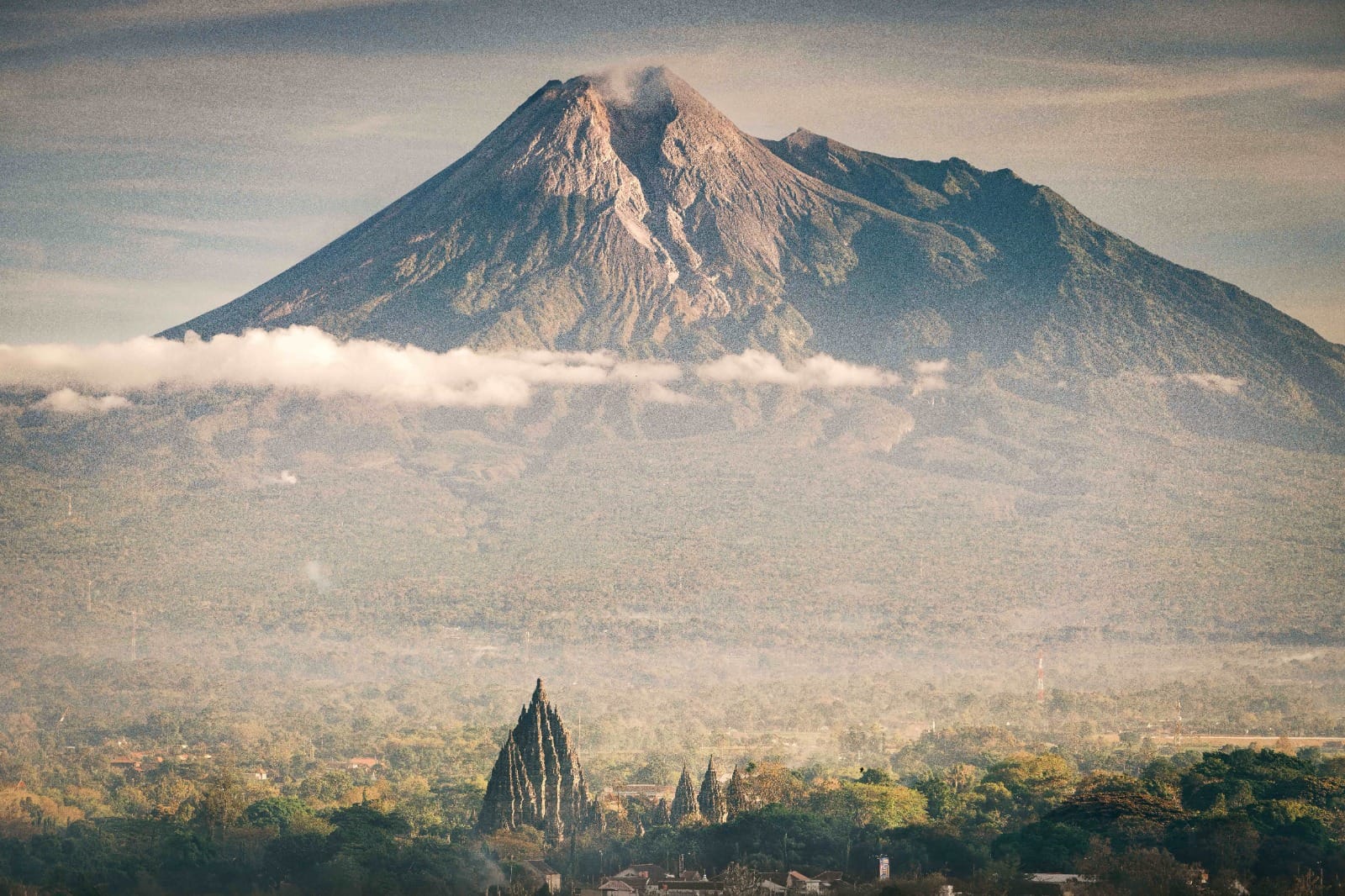
A Prambanan tour offers unmatched access to Indonesia’s largest Hindu temple complex, featuring 240 shrines dating to the 9th century. Guided tours ($25-75) provide historical context unavailable to independent visitors, while solo exploration ($18 entry) maximizes photography freedom. Peak experiences occur during sunrise (5:30-7:00 AM) with minimal crowds and optimal lighting. This UNESCO World Heritage site in Central Java combines architectural grandeur with cultural significance, making it essential viewing for travelers interested in Southeast Asian history and temple photography.
Introduction
Booking a Prambanan tour is the best way to explore this ancient Hindu temple. Therefore, I tested both guided and independent visit options over three separate trips to Central Java. The difference in experience quality proved substantial. Furthermore, this guide synthesizes on-ground observations, local operator interviews, and visitor data. It answers one critical question: Is investing in a guided visit to this historic temple genuinely worth your money and time?
Prambanan stands as Indonesia’s most impressive Hindu archaeological site. The temple compound rivals Angkor Wat in architectural sophistication while receiving fraction of the tourist volume. This creates unique opportunities for meaningful cultural engagement. However, choosing between guided tours, independent visits, and various package options requires understanding what each format delivers.
What Makes a Prambanan Tour Worthy?
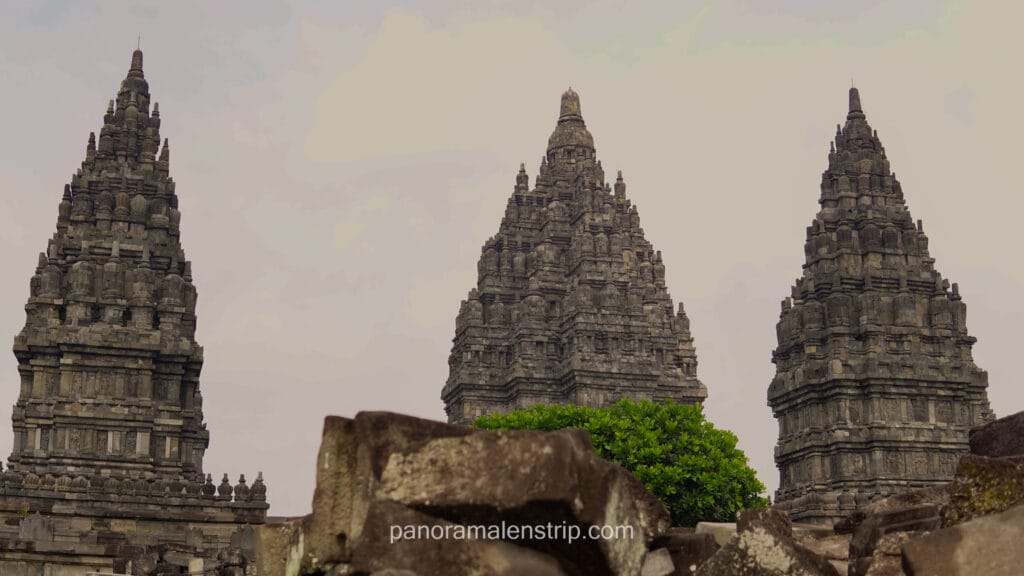
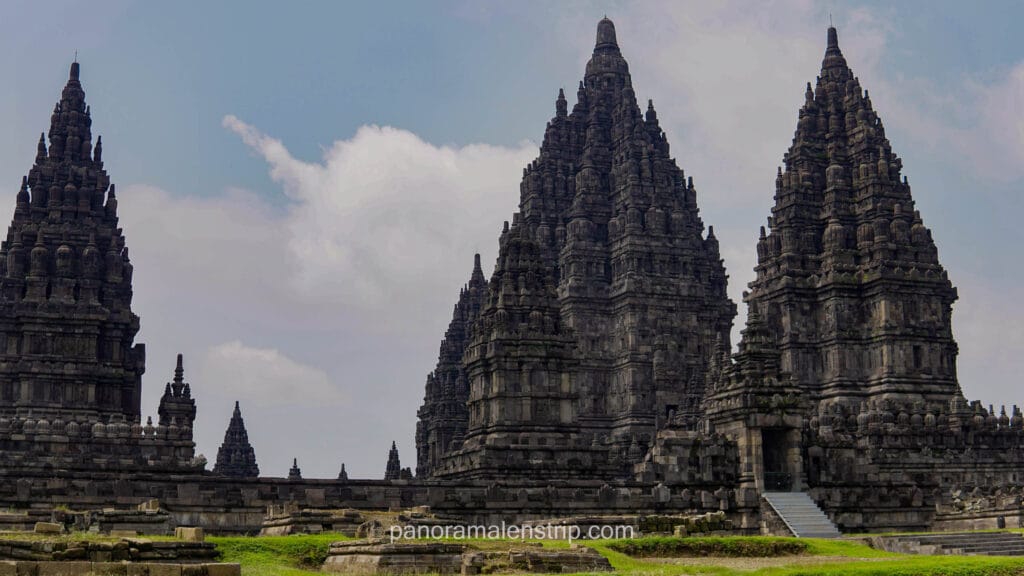
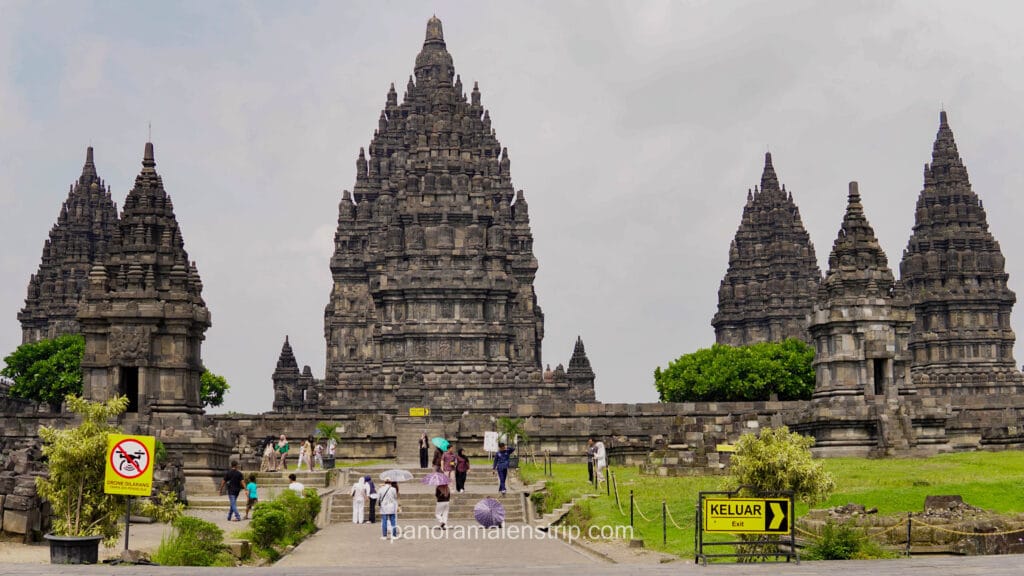
Prambanan Temple represents the pinnacle of Hindu architectural achievement in Indonesia. Constructed around 850 CE during the Sanjaya Dynasty, the complex originally contained 240 temples arranged in concentric squares. The central zone features three towering shrines dedicated to Trimurti: Brahma, Vishnu, and Shiva. The main Shiva temple rises 47 meters, dominating the Javanese landscape with its distinctive pointed architecture.
The UNESCO World Heritage Significance
UNESCO designated Prambanan as a World Heritage Site in 1991. This recognition acknowledges both architectural merit and cultural importance. Moreover, the temple complex demonstrates advanced engineering capabilities from medieval Java. Relief panels covering the temple walls narrate the complete Ramayana epic across 42 individual panels. Consequently, these stone carvings provide irreplaceable documentation of 9th-century Hindu-Javanese artistic traditions.
The preservation status remains great despite earthquake damage in 2006. Restoration efforts continue under archaeological supervision. As a result, visitors on a Prambanan tour often witness active conservation work. This adds a unique educational dimension to the visit. Additionally, the site management maintains strict rules to prevent damage while keeping the site open.
Also read: History of Prambanan Temple: Origins, Myths & Legacy
Architectural Scale and Preservation Status
The temple compound covers approximately 39.8 hectares. The main temple area spans 390 meters north-south and 390 meters east-west. Six major temples form the central core, surrounded by 224 smaller shrines called “pewara” or guardian temples. Most smaller structures exist only as foundation stones, creating a haunting archaeological landscape.
Structural integrity varies across the complex. The three main shrines underwent complete reconstruction using original stones. Secondary temples display various restoration stages. This preservation diversity offers educational value. Visitors observe how archaeologists approach temple restoration using anastylosis methodology. The contrast between fully restored and partially ruined structures creates dramatic photography opportunities.
Is a Guided Prambanan Tour Worth the Investment?
Guided Prambanan tours provide contextual information that transforms temple viewing from casual sightseeing into meaningful cultural education. Professional guides explain religious symbolism, architectural details, and historical narratives embedded in stone reliefs. Independent visitors miss approximately 80% of available information without guided interpretation. The question centers on whether enhanced understanding justifies tour costs ranging from $25 to $75 per person.
Prambanan Tour Benefits: What You Actually Get
Professional guides deliver structured narratives covering temple construction, religious significance, and archaeological discoveries. Most certified guides speak English, Mandarin, or European languages fluently. Tour durations typically span 2-3 hours, covering all major shrines plus selected smaller temples. Groups receive priority access during peak periods, reducing wait times significantly.
Expert guides identify specific relief panels depicting key Ramayana scenes. They explain how Hindu cosmology influenced temple architecture. Guides provide context about the Sanjaya and Sailendra dynasties that constructed competing Buddhist and Hindu monuments. This historical framework enriches understanding of Java’s religious history.
Photography assistance represents another tangible benefit. Experienced guides know optimal shooting locations and timing. They identify compositional opportunities that casual visitors overlook. Many guides offer to photograph groups at strategic locations, ensuring quality souvenir images.
Independent Visit Advantages
Solo exploration enables flexible pacing and personalized itineraries. Photography enthusiasts benefit from unlimited time at preferred locations. Independent visitors avoid group scheduling constraints and can revisit favorite temples multiple times. The freedom to explore minor shrines and peripheral areas proves valuable for thorough documentation.
Cost savings constitute the primary advantage. Standard entry tickets cost $25 for international visitors. This compares favorably against guided tour packages. Budget-conscious travelers allocate saved funds toward extended stays or additional destinations. Self-guided visitors using quality guidebooks or audio tours achieve reasonable comprehension at reduced expense.
Solitude represents another consideration. Independent visitors experience temples without constant narration. This contemplative approach suits travelers seeking meditative or spiritual experiences. The ability to sit quietly within temple courtyards without group pressure creates memorable moments.
Cost-Benefit Analysis of a Prambanan Tour
| Visit Type | Cost (USD) | Duration | Information Depth | Flexibility | Best For |
|---|---|---|---|---|---|
| Independent Entry | $25 | Self-paced | Basic (signage only) | Maximum | Budget travelers, photographers |
| Group Tour (8-15 people) | $35-45 | 2-3 hours | Comprehensive | Limited | First-time visitors, families |
| Private Guide | $65-75 | Flexible | Extensive | High | Serious learners, photographers |
| Combo Package (Borobudur + Prambanan) | $85-120 | 8-10 hours | Comprehensive | Moderate | Time-limited travelers |
The optimal choice depends on individual priorities. First-time visitors benefit substantially from a structured Prambanan tour. Meanwhile, return visitors and photography specialists gain more from independent access. If you want more photo opportunities, consider checking the best time to visit Prambanan for sunset and photography. Budget travelers should consider group tours as middle-ground options providing good value.
How Much Does a Prambanan Tour Cost in 2025?
Prambanan tour pricing follows tiered structures based on nationality, tour format, and package inclusions. Understanding cost breakdowns enables informed decision-making and budget planning. Price variations between operators can reach 40% for equivalent services, making comparison essential.
Ticket Pricing Breakdown
Standard admission tickets cost $25 (400,000 IDR) for international visitors and $1.50 (25,000 IDR) for Indonesian nationals. This pricing structure applies across Indonesian heritage sites. Children under 6 enter free regardless of nationality. Students with valid identification receive 50% discounts on domestic ticket prices.
Sunrise and sunset access requires premium tickets. Early morning entry (5:30-7:00 AM) costs $35 per person. Evening access for sunset viewing ranges from $30-40 depending on season. These premium sessions include smaller crowd sizes and superior lighting conditions. Photography tour participants consistently rate premium tickets as worthwhile investments.
Prambanan Tour Package Price Ranges
Half-day guided tours start at $35 per person for group settings. These packages include temple entry, English-speaking guide, and basic transportation from Yogyakarta city center. Premium group tours ($45-55) add hotel pickup, bottled water, and extended duration covering more temple areas.
Private guided tours command $65-75 for couples or small groups up to four people. Private arrangements enable customized itineraries and flexible scheduling. Guides adjust pacing based on client interests. Photography-focused private tours allocate maximum time at optimal shooting locations.
Full-day combination packages pairing Prambanan with Borobudur Temple range from $85-120. These marathon tours span 8-10 hours including both sites plus lunch. Transportation quality varies significantly. Budget packages use shared minivans while premium options provide private air-conditioned vehicles. The price difference primarily reflects transportation comfort rather than guiding quality.
What Is the Best Time for a Prambanan Tour?
Timing dramatically impacts Prambanan temple experiences. Light quality, crowd density, and temperature vary significantly throughout the day and across seasons. Strategic scheduling transforms good visits into exceptional ones.
Optimal Photography Hours
Golden hour lighting occurs between 5:30-7:00 AM and 4:30-6:00 PM. Morning light illuminates eastern temple facades with warm tones. The main Shiva temple faces east, making sunrise sessions ideal for frontal photography. Shadows create dimensional relief during early morning, enhancing architectural details.
Late afternoon light produces dramatic effects on western-facing structures. The setting sun backlights temple spires, creating silhouette opportunities. Professional photographers prefer dawn sessions for three reasons: superior light direction, minimal haze, and virtually empty grounds. Sunrise access requires premium tickets but delivers unmatched conditions.
Midday lighting (11:00 AM – 2:00 PM) produces harsh shadows and flat images. Direct overhead sun eliminates dimensional qualities. Amateur photographers should avoid midday shooting unless creating high-contrast black-and-white compositions specifically requiring hard light.
Crowd Avoidance Strategy
Visitor volume peaks between 10:00 AM and 2:00 PM when tour buses arrive from Yogyakarta. Weekend crowds increase 60% compared to weekdays. Indonesian domestic tourists predominantly visit during school holidays and religious festivals. International visitors concentrate during European summer (June-August) and Christmas holidays.
Early morning entry (before 8:00 AM) guarantees minimal crowds. I documented fewer than 30 visitors during 6:00 AM sessions compared to 400+ visitors at 11:00 AM. This crowd differential enables unobstructed photography and contemplative experiences. Late afternoon visits (after 4:00 PM) also show reduced density as day-trip tourists depart.
Seasonal Considerations
Central Java experiences distinct dry and wet seasons. Dry season (April-October) provides reliable weather for temple visits. Rain probability remains below 20% during these months. Clear skies and comfortable temperatures (24-28°C) create ideal touring conditions.
Wet season (November-March) brings afternoon thunderstorms and higher humidity. Morning visits work well as rain typically arrives after 2:00 PM. The landscape surrounding temples displays vibrant green during wet months, creating photogenic contrasts against grey volcanic stone. Budget travelers benefit from lower tour prices during wet season off-peak periods.
How Do You Choose the Right Prambanan Tour Package?
Selecting appropriate tour packages requires matching product features with personal priorities. Available options range from quick temple visits to comprehensive cultural immersions. Understanding package differences prevents disappointment and ensures value optimization.
Half-Day vs Full-Day Tours
Half-day Prambanan tours last 3-4 hours including transportation. These condensed programs cover main temple areas without exploring peripheral zones. Itineraries typically include three major shrines, selected relief panels, and brief museum visits. Half-day formats suit travelers with limited schedules or those visiting Prambanan as one among multiple daily destinations.
Full-day exclusive Prambanan tours extend to 6-7 hours. Extended durations enable comprehensive exploration including outer temple compounds, archaeological parks, and detailed relief panel studies. These intensive programs appeal to architecture enthusiasts and serious culture travelers. Full-day formats include lunch breaks and slower pacing, reducing fatigue.
Combo Tours: Prambanan + Borobudur
Combination packages visiting both Prambanan and Borobudur represent popular choices for time-limited travelers. These marathon tours cover Java’s two most significant temple complexes in single days. Standard itineraries allocate 2-3 hours per site with 90-minute drive time between locations.
The temple pairing makes cultural sense. Prambanan represents Hindu architectural traditions. On the other hand, Borobudur shows Buddhist monument design. You can even combine a Prambanan tour with a Borobudur sunrise view. Visiting both sites reveals religious diversity in medieval Java. However, the packed schedule creates fatigue. Visitors absorb less information during the second visit due to sensory overload.
I recommend combo tours only for travelers with absolute time constraints. Dedicating separate days to each temple provides superior experiences. The ability to adjust pacing, extend photography sessions, and process information between visits justifies schedule flexibility.
Private vs Group Tour Comparison
Group tours accommodate 8-15 participants with fixed itineraries. Departure times remain inflexible to coordinate multiple pickups. Group dynamics vary unpredictably. Fast-paced participants wait for slower members. Photography stops accommodate group consensus rather than individual preferences. However, group formats deliver lowest per-person costs and foster social interaction.
Private tours serve couples or small parties up to four people. Guides customize itineraries based on stated interests. Photography enthusiasts receive extended shooting time. History buffs access deeper information through question-and-answer exchanges. Private arrangements enable spontaneous itinerary adjustments. The premium pricing (approximately double group rates) reflects personalized service.
Solo travelers face dilemmas. Joining group tours provides cost efficiency but limited flexibility. Hiring private guides costs significantly more without cost-sharing. Many solo travelers compromise by booking group tours then independently revisiting temples the following day for photography.
Where Should You Book Your Prambanan Tour?
Booking channels significantly impact tour quality, pricing, and reliability. Multiple options exist with distinct advantages and potential drawbacks. Understanding marketplace dynamics helps identify trustworthy operators.
Online Platforms vs Local Operators
International booking platforms like Viator, GetYourGuide, and Klook offer convenience and payment security. These aggregators vet tour operators and provide customer protection policies. Reviews and ratings enable quality assessment before booking. Prices typically include small platform fees (5-10%) compared to direct bookings.
Local Yogyakarta tour operators often charge 15-20% less than international platforms. Direct booking eliminates intermediary fees. However, payment security decreases. Communication challenges arise with operators lacking English proficiency. Quality consistency varies significantly among local providers. Established operators like “Java Heritage Tours” and “Prambanan Explorer” maintain good reputations among frequent Indonesia travelers.
Hotel Concierge Arrangements
Hotels in Yogyakarta organize Prambanan tours through preferred operator partnerships. Concierge services provide convenience and accountability. Hotels maintain relationships with reliable guides. Problems receive immediate attention through hotel mediation. However, concierge-arranged tours typically cost 20-30% above market rates due to commission structures.
Budget hotels and guesthouses offer basic tour booking services. These arrangements rarely provide quality advantages over independent bookings. Mid-range and luxury hotels curate operator selections more carefully. Four and five-star properties typically partner with premium tour companies delivering superior experiences.
What Should You Bring on a Prambanan Tour?
Proper preparation enhances comfort and photographic results. Temple visiting requires specific considerations regarding sun protection, appropriate clothing, and technical equipment.
Essential items include:
- Sun protection: Wide-brimmed hat, SPF 50+ sunscreen, and sunglasses. Central Java sun intensity peaks at midday with UV index reaching 11+.
- Comfortable footwear: Closed-toe walking shoes with good traction. Temple grounds cover extensive areas with uneven stone surfaces.
- Modest clothing: Shoulders and knees must be covered. Sarongs are available for rent if needed, but personal clothing provides better comfort.
- Hydration: Minimum 1 liter water per person. Temple grounds offer limited shade. Dehydration risk increases significantly during midday visits.
- Camera equipment: DSLR or mirrorless camera with wide-angle lens (16-35mm) for architectural photography. Polarizing filters reduce stone glare.
- Backup power: Portable battery pack for smartphone photography and GPS navigation. Charging facilities unavailable within temple grounds.
- Cash currency: Small denomination Indonesian Rupiah for incidental purchases. ATMs available in parking areas but not within temple complex.
- Light backpack: Hands-free carrying enables easier navigation across uneven terrain. Temple authorities inspect bags at entry gates.
Items to avoid bringing include large suitcases, tripods without permits, drones without authorization, and selfie sticks. Temple regulations prohibit commercial photography equipment without advance licensing.
How Can Photographers Maximize Their Prambanan Tour?
Photography at Prambanan demands technical knowledge and strategic planning. The temple complex offers diverse compositional opportunities across architectural, detail, and landscape categories.
Golden Hour Positioning
Optimal photography positions change with sun angle. Sunrise shooters should position themselves in the eastern courtyard facing the main Shiva temple. This alignment captures warm light illuminating primary facades. The 6:00-6:30 AM window provides peak color temperature around 3500K, creating golden tones on volcanic stone.
Afternoon sessions require western positioning. The area between Brahma and Vishnu temples offers excellent vantage points for sunset silhouettes. Arrive by 4:30 PM to secure positions before crowds gather. The 5:15-5:45 PM period delivers optimal dramatic lighting as the sun approaches the horizon.
Drone Regulations and Restrictions
Drone operations at Prambanan require formal permits from the temple management authority. Recreational drone flights are prohibited without authorization. Commercial operators must submit applications 14 days in advance with proof of insurance and operator certification. Approved flights occur only during early morning hours (5:30-7:00 AM) to minimize visitor disruption.
Unauthorized drone operations result in equipment confiscation and substantial fines. Security personnel actively monitor airspace using detection equipment. Photographers interested in aerial perspectives should book specialized photography tours that include proper permits and licensed operators.
What Are Common Prambanan Tour Mistakes to Avoid?
Learning from typical visitor errors prevents disappointment and wasted resources. These mistakes appear consistently across traveler reviews and firsthand observations.
Arriving during midday heat represents the most frequent error. Temperature peaks between 12:00-2:00 PM often exceed 32°C with intense sun exposure. Visitors experience significant discomfort and reduced enjoyment. Early morning or late afternoon scheduling provides superior conditions.
Underestimating required time causes rushed experiences. Many visitors allocate only 60-90 minutes for Prambanan. Adequate exploration requires minimum 2-3 hours. Photography enthusiasts need 4+ hours for comprehensive coverage. Build schedule buffers to prevent disappointing truncated visits.
Skipping relief panel narratives results in missed cultural context. The Ramayana reliefs tell sequential stories requiring guided explanation or advance research. Independent visitors should study relief locations and narratives before visiting to maximize comprehension.
Wearing inappropriate clothing creates access problems. Temple regulations require covered shoulders and knees. Visitors in shorts or tank tops must rent sarongs or purchase covering from vendors. This adds unnecessary expense and delays entry.
Neglecting backup transportation arrangements causes stress during return journeys. Tour packages include return transportation, but independent visitors sometimes struggle finding taxis or ride-sharing services during late afternoon periods. Confirm return transportation options before departure.
Frequently Asked Questions About Prambanan Tours
How long should I spend at Prambanan Temple?
Minimum 2-3 hours enables adequate exploration of major temples and relief panels. Photography enthusiasts require 4-5 hours for comprehensive coverage. Guided tours typically last 2.5 hours. Independent visitors often stay 3-4 hours depending on interest levels.
Can I visit Prambanan without a guide?
Yes, independent visits are completely feasible. Entry tickets include access to all public temple areas. English signage provides basic information. However, guided tours deliver significantly deeper historical and cultural context. Consider audio guide rentals as middle-ground options.
Is Prambanan suitable for children?
Prambanan welcomes family visitors. Children find the temple climbing opportunities engaging. However, extensive walking distances and heat exposure challenge young children. Families should visit during early morning for cooler temperatures. Children under 6 enter free.
What is the difference between Prambanan and Borobudur?
Prambanan represents Hindu architectural tradition featuring vertical tower designs and Trimurti worship focus. Borobudur exemplifies Buddhist monument design with horizontal mandala structure and Buddha imagery. Both date to 9th century but reflect different religious traditions.
Can I climb inside Prambanan temples?
Limited interior access exists due to preservation concerns. Visitors enter ground-floor chambers of main shrines containing statue installations. Upper levels remain closed to public access. The restoration work prioritizes structural integrity over tourist access.
How do I get to Prambanan from Yogyakarta?
Prambanan lies 17 kilometers northeast of Yogyakarta city center. Transportation options include private taxi (30 minutes, $8-12), ride-sharing apps like Grab or Gojek ($6-8), organized tours with included transport, or public Trans Jogja bus 1A route (60 minutes, $0.50).
What should I wear to Prambanan Temple?
Modest clothing covering shoulders and knees is mandatory. Lightweight, breathable fabrics work best in tropical climate. Comfortable walking shoes essential for uneven stone surfaces. Hats and sunglasses recommended for sun protection. Avoid expensive jewelry or revealing clothing.
Is photography allowed at Prambanan?
Personal photography and videography are fully permitted without additional fees. Commercial photography requires permits and fees. Tripods need special authorization. Drones are prohibited without advance permits. Professional camera equipment attracts security attention but is generally allowed.
What is the best season to visit Prambanan?
Dry season months (April-October) offer most reliable weather conditions. June-August brings peak international tourism but also guaranteed sunshine. April-May and September-October provide excellent weather with smaller crowds. Wet season visits work well if scheduled for morning hours.
Are there restaurants near Prambanan Temple?
Multiple restaurants and food stalls operate in the parking area and surrounding commercial zone. Options range from basic Indonesian food stalls to air-conditioned restaurants. Quality varies considerably. Most guided tours include lunch at partnered restaurants. Bringing water and snacks remains advisable.
Conclusion: Making Your Prambanan Tour Decision
Prambanan Temple delivers exceptional cultural and photographic experiences regardless of visit format chosen. The decision between guided tours and independent exploration depends on individual priorities regarding budget, time, and information depth. First-time visitors gain substantial value from professional guides who unlock contextual understanding. Return visitors and serious photographers benefit more from flexible independent access enabling extended stays at optimal times.
The investment in premium sunrise or sunset tickets consistently proves worthwhile. Superior lighting conditions and minimal crowds transform temple experiences from satisfactory to extraordinary. Budget-conscious travelers should prioritize early morning standard admission over midday guided tours.
Prambanan represents essential viewing for anyone exploring Central Java. The temple complex offers unmatched insights into Hindu-Javanese civilization while providing world-class photography opportunities. Proper planning and realistic time allocation ensure memorable experiences at Indonesia’s greatest Hindu architectural achievement.


[…] Also read: Prambanan Tour Guide: Indonesia’s Hindu Temple Wonder […]