
Introduction to Prambanan Temple
A Glimpse of Ancient Majesty
Standing tall against the backdrop of Mount Merapi, Prambanan Temple is one of Indonesia’s most captivating cultural landmarks. Built in the 9th century, this magnificent Hindu temple complex reflects the grandeur of ancient Java’s civilization. When you embark on a Prambanan Tour, you’ll be greeted by rows of intricately carved stone towers dedicated to the Trimurti — Brahma, Vishnu, and Shiva. The temple’s symmetrical design and detailed reliefs tell stories from the Ramayana, offering visitors not just a sight to behold but a deep dive into spiritual artistry.
A Prambanan Tour is more than just exploring a historical site; it’s a journey through time that reveals how faith and craftsmanship intertwined to create something eternal. As you walk through the temple grounds, you’ll feel a sense of reverence that connects you to centuries of devotion. Whether you’re a history lover, a photographer, or a curious traveler, Prambanan’s stunning beauty never fails to impress. Every stone whispers a story, making each step a reminder of the greatness of Java’s ancient past.
So, if you’re seeking a travel experience filled with culture, heritage, and wonder, a Prambanan Tour is an unforgettable way to witness Indonesia’s spiritual heart.
Why Prambanan is a Must-Visit in Indonesia
Prambanan Temple stands as the largest Hindu temple complex in Indonesia and Southeast Asia. Recognized for its towering spires and divine symbolism, it offers travelers a glimpse of Indonesia’s deep spiritual roots. What makes it special is the balance of serenity and splendor — the sacred aura of the temple combined with the natural charm of Yogyakarta’s countryside. A Prambanan Tour allows you to witness the harmony between art, religion, and nature.
From sunrise to sunset, the temple reveals different moods — golden rays illuminating its spires in the morning and soft hues painting its stones in the evening. The complex isn’t just about ancient ruins; it’s alive with performances, cultural events, and timeless legends. Each visit during a Prambanan Tour brings a new perspective, a new appreciation for Indonesia’s cultural richness. For travelers eager to experience the country’s spiritual and artistic legacy, Prambanan remains a highlight that captures the soul of Java.

History of Prambanan Temple
Origins and the Legend of Roro Jonggrang
The origins of Prambanan Temple date back to the 9th century during the reign of the Sanjaya Dynasty. Dedicated to the Hindu gods Shiva, Vishnu, and Brahma, the temple was built to honor the divine trinity. However, its creation is wrapped in local folklore — the famous legend of Roro Jonggrang. According to the tale, Prince Bandung Bondowoso fell in love with Princess Roro Jonggrang, who demanded he build a thousand temples in one night. When the task was nearly complete, she deceived him, leading to her transformation into stone — now believed to be part of Prambanan’s main temple statue.
This legend enriches the Prambanan Tour experience, adding a romantic and mythical layer to the temple’s grandeur. As you explore its towers and reliefs, you’ll see how myth and history blend seamlessly, creating an atmosphere of mystery and reverence.
The Rise and Fall Through Centuries
After its golden age, Prambanan was abandoned due to a massive eruption of Mount Merapi and the shift of power to East Java. Over centuries, the temple fell into ruin, hidden under layers of volcanic ash and vegetation. Yet, even in its decay, Prambanan retained its charm — a sleeping giant waiting to be rediscovered. A Prambanan Tour today allows visitors to trace this journey from glory to oblivion and back again.
When Dutch explorers stumbled upon the ruins in the 19th century, it sparked global interest in Javanese archaeology. The temple became a symbol of cultural resilience and historical pride, showing how civilizations rise and endure through time.
Restoration and UNESCO World Heritage Status
In the 20th century, extensive restoration efforts began to bring Prambanan back to its former glory. With the help of archaeologists and historians, thousands of scattered stones were carefully reassembled. In 1991, Prambanan was officially recognized as a UNESCO World Heritage Site, acknowledging its universal cultural value.
Today, visitors on a Prambanan Tour can admire not just ancient architecture but also the dedication of those who revived it. The temple’s restoration stands as a symbol of Indonesia’s respect for heritage and its commitment to preserving history for future generations. Every visit on a Prambanan Tour is a tribute to centuries of devotion, artistry, and perseverance.
Architectural Wonders of Prambanan
The Main Temples – Shiva, Vishnu, and Brahma
When you embark on a Prambanan Tour, the first sight that captures your attention is the majestic row of towering temples dedicated to the Hindu Trimurti — Shiva, Vishnu, and Brahma. The central temple, standing 47 meters tall, honors Shiva as the destroyer and transformer. On either side, the temples of Vishnu and Brahma complete the sacred triad, symbolizing balance within the universe. Each temple faces east, showcasing perfect symmetry that reflects the brilliance of ancient Javanese engineering and devotion.
Inside these temples, you’ll find stone reliefs depicting Hindu epics and statues of divine beings carved with astonishing precision. A Prambanan Tour allows you to step into this sacred geometry and experience how the architecture embodies both spiritual and cosmic harmony. Every tower, corridor, and stairway was designed to lead worshippers closer to enlightenment — a perfect blend of faith and artistry that continues to inspire awe centuries later.
The complex layout, resembling a mandala, mirrors the Hindu concept of the cosmos, making Prambanan not just an architectural site but a spiritual map of the universe. This is what makes a Prambanan Tour feel more like a pilgrimage through time than a simple sightseeing experience.
Intricate Stone Carvings and Symbolism
The artistry of Prambanan lies in its intricate stone carvings, which adorn nearly every inch of the temple walls. These reliefs vividly narrate stories from the Ramayana and Bhagavata Purana, carved with such skill that they still appear alive despite centuries of weathering. During a Prambanan Tour, travelers can trace these carvings like reading a sacred book — each panel unveiling lessons about virtue, devotion, and destiny.
What makes these carvings special is not only their beauty but also their hidden meanings. Each motif — from floral patterns to celestial dancers — symbolizes divine balance and the eternal connection between humans and gods. The level of detail, achieved without modern tools, is a testament to the extraordinary craftsmanship of the Mataram Kingdom’s artisans. Every corner tells a story, and every shadow cast by the sun breathes new life into the temple’s reliefs.
A Prambanan Tour wouldn’t be complete without taking time to appreciate this sacred artistry, which continues to speak across centuries about human creativity and devotion.
Surrounding Shrines and Temples
Beyond the main Trimurti temples, Prambanan is surrounded by smaller shrines and companion temples that enrich its spiritual landscape. Among them are Nandi, Garuda, and Hamsa temples — each devoted to the sacred vehicles of the gods. Exploring these shrines during your Prambanan Tour gives you a deeper understanding of Hindu cosmology and how each structure contributes to the temple’s celestial order.
A short walk from the main courtyard reveals dozens of perwara (guard) temples that once numbered around 240. Though many now stand in ruins, they still evoke a sense of grandeur and devotion. As the sun rises or sets, light filters through the gaps, creating a golden glow that feels almost divine — a moment every visitor remembers.
Every detail of the complex, from the layout to the carvings, was designed to symbolize harmony between heaven and earth. Taking a Prambanan Tour here is like walking through an open-air scripture — one written in stone, faith, and time.
Best Time to Visit Prambanan
Ideal Seasons for Clear Views and Comfort
Planning your Prambanan Tour at the right time can make a big difference in your overall experience. The best months to visit are during the dry season, which runs from April to October. During this period, the weather is sunny and pleasant, allowing you to explore the temple complex comfortably without worrying about sudden rain. The clear skies also make it perfect for photography, especially if you want to capture the temple with the majestic Mount Merapi in the background.
Morning visits, around 7:00–9:00 AM, offer cool air and softer sunlight, while late afternoons, before sunset, provide a magical golden glow on the temple spires. These moments are ideal for travelers seeking both comfort and captivating views. Taking your Prambanan Tour during weekdays can also help you avoid large crowds, ensuring a more peaceful experience as you wander among the ancient stones and sacred shrines.
Visiting During Cultural Events and Ramayana Ballet
If you’re looking to experience more than just the temple’s beauty, plan your Prambanan Tour around one of its cultural events, particularly the Ramayana Ballet performance. Held in an open-air theatre near the temple, this stunning show combines dance, drama, and music to bring the ancient epic to life — all with Prambanan Temple dramatically lit in the background.
Performances usually take place between May and October, aligning perfectly with the dry season. It’s an unforgettable cultural experience that captures the spirit of Javanese art and storytelling. Whether you’re watching the sunrise over the temple or enjoying the ballet under the stars, Prambanan offers timeless moments that make every visit feel truly special.
How to Get to Prambanan Temple
From Yogyakarta City Center
Reaching Prambanan Temple from Yogyakarta city center is easy and convenient, making it a popular inclusion in every Prambanan Tour. The temple is located about 17 kilometers east of Yogyakarta, and the journey typically takes 30 to 45 minutes depending on traffic. Visitors can choose from several options: private cars, taxis, ride-hailing apps, or public transportation.
For a comfortable experience, hiring a private car or joining an organized Prambanan Tour allows flexibility in timing and stops along the way. If you prefer a local experience, you can take TransJogja Bus Line 1A, which runs from Malioboro Street directly to the Prambanan stop. From there, it’s only a short walk to the main gate.
Cycling enthusiasts can also rent a bike and follow scenic rural routes, passing through rice fields and small Javanese villages. It’s a peaceful way to enjoy the journey before arriving at one of Indonesia’s greatest landmarks.
From Solo and Borobudur Temple
For those coming from Solo (Surakarta), Prambanan Temple lies about 60 kilometers away and can be reached in around 1.5 hours by car. You can take a direct bus, train, or private transfer. Many visitors traveling between Yogyakarta and Solo find Prambanan to be the perfect midway stop for a cultural break.
Meanwhile, travelers visiting Borobudur Temple often combine the two UNESCO sites in one itinerary. A Prambanan Tour that includes Borobudur offers a fascinating contrast — one temple dedicated to Buddhism and the other to Hinduism, both representing Java’s rich spiritual heritage. It’s a full-day trip, usually starting with sunrise at Borobudur and ending with sunset at Prambanan.
Transportation Tips for Tourists
To make the most of your visit, plan your Prambanan Tour in advance and start early to avoid traffic and crowds. Bring small cash for parking or entry fees, and confirm your return transport if using local buses. If you’re staying in Yogyakarta, consider renting a scooter or hiring a driver for the day, as it gives you the freedom to explore nearby attractions too.
For eco-conscious travelers, electric car rentals and guided cycling tours are also available. Whatever mode of transport you choose, the route to Prambanan is as scenic as the destination itself — filled with glimpses of rural Java, traditional houses, and friendly locals along the way.
Things to Do Around Prambanan
Watch the Ramayana Ballet Performance
One of the most enchanting experiences during a Prambanan Tour is watching the Ramayana Ballet, performed at the open-air theatre near the temple complex. The show combines traditional Javanese dance, live music, and elaborate costumes to retell the ancient Hindu epic of Prince Rama and Princess Sita. What makes it truly magical is the backdrop — the illuminated Prambanan Temple under the night sky.
Performances are held several nights a week, especially during the dry season (May–October). Attending the ballet adds a cultural dimension to your Prambanan Tour, blending history, art, and spirituality into a single unforgettable evening.
Explore Sewu, Lumbung, and Bubrah Temples
Just north of Prambanan, you’ll find a cluster of smaller yet equally fascinating temples — Sewu, Lumbung, and Bubrah. These Buddhist temples showcase the harmonious coexistence of Hinduism and Buddhism in ancient Java. Sewu, in particular, is the second-largest Buddhist temple complex in Indonesia after Borobudur.
Exploring these sites on your Prambanan Tour reveals the region’s rich architectural diversity. Many travelers are amazed at how close these temples are to each other, symbolizing unity in faith despite different beliefs. The tranquil atmosphere makes it an ideal spot for reflection and photography.
Visit Plaosan and Ratu Boko Temple Complexes
If you have extra time, extend your Prambanan Tour to visit Plaosan Temple, located just 2 kilometers away. Known as the “Twin Temples,” Plaosan is admired for its symmetrical design and elegant stone carvings that depict Buddhist imagery. It’s a serene and less-crowded alternative to Prambanan, perfect for travelers seeking peace and beauty.
Another nearby highlight is Ratu Boko Palace, perched on a hill about 3 kilometers south of Prambanan. This archaeological site offers sweeping views of the Prambanan plain and is especially stunning during sunset. The mix of palace ruins and panoramic scenery makes it a must-see stop for anyone on a Prambanan Tour.
These nearby temples and cultural sites enrich the overall experience, turning a simple visit into a full-day exploration of Central Java’s sacred landscape. Together, they paint a vivid picture of Indonesia’s spiritual history, making your journey both educational and inspiring.
Prambanan Tour Packages and Entrance Fees
Ticket Prices and Opening Hours
Before starting your Prambanan Tour, it’s important to know the entrance fees and operating hours so you can plan your visit efficiently. Prambanan Temple is open daily from 6:30 AM to 5:00 PM, allowing visitors to explore both early in the morning and later in the afternoon. The site is usually less crowded during weekdays and right after opening hours, which makes it perfect for quiet exploration and photography.
As of recent years, the entrance ticket for international visitors typically ranges around USD 25 (IDR 375,000) per adult, and USD 15 (IDR 225,000) for children. Combo tickets that include access to Borobudur and Ratu Boko are also available, offering better value for travelers who plan to explore multiple heritage sites. Purchasing tickets online in advance is highly recommended, especially during weekends and national holidays.
If you’re planning a Prambanan Tour, you can also opt for sunrise or sunset experiences from nearby viewpoints, such as Ratu Boko Hill, where the temple glows beautifully in golden light. Keep in mind that guided tours and cultural performances may have separate fees, depending on your chosen package.
Guided Tours vs. Self-Guided Visits
When planning your Prambanan Tour, one of the key decisions is whether to explore independently or with a guide. A guided tour offers valuable insight into the temple’s rich history, architectural symbolism, and mythological stories. Professional guides are available at the entrance and can communicate in English and several other languages. They can help you navigate the large complex efficiently while sharing fascinating details you might otherwise miss.
On the other hand, a self-guided visit provides the freedom to move at your own pace and focus on areas that interest you most. Many travelers prefer to download digital maps or use mobile apps for self-guided exploration. Either way, both options offer a rewarding experience — whether you’re captivated by the carvings, taking photographs, or simply soaking in the spiritual atmosphere.
For the best of both worlds, some visitors choose a Prambanan Tour package that combines short guided segments with free exploration time. This balance allows for both educational depth and personal discovery.
Combined Tours with Borobudur
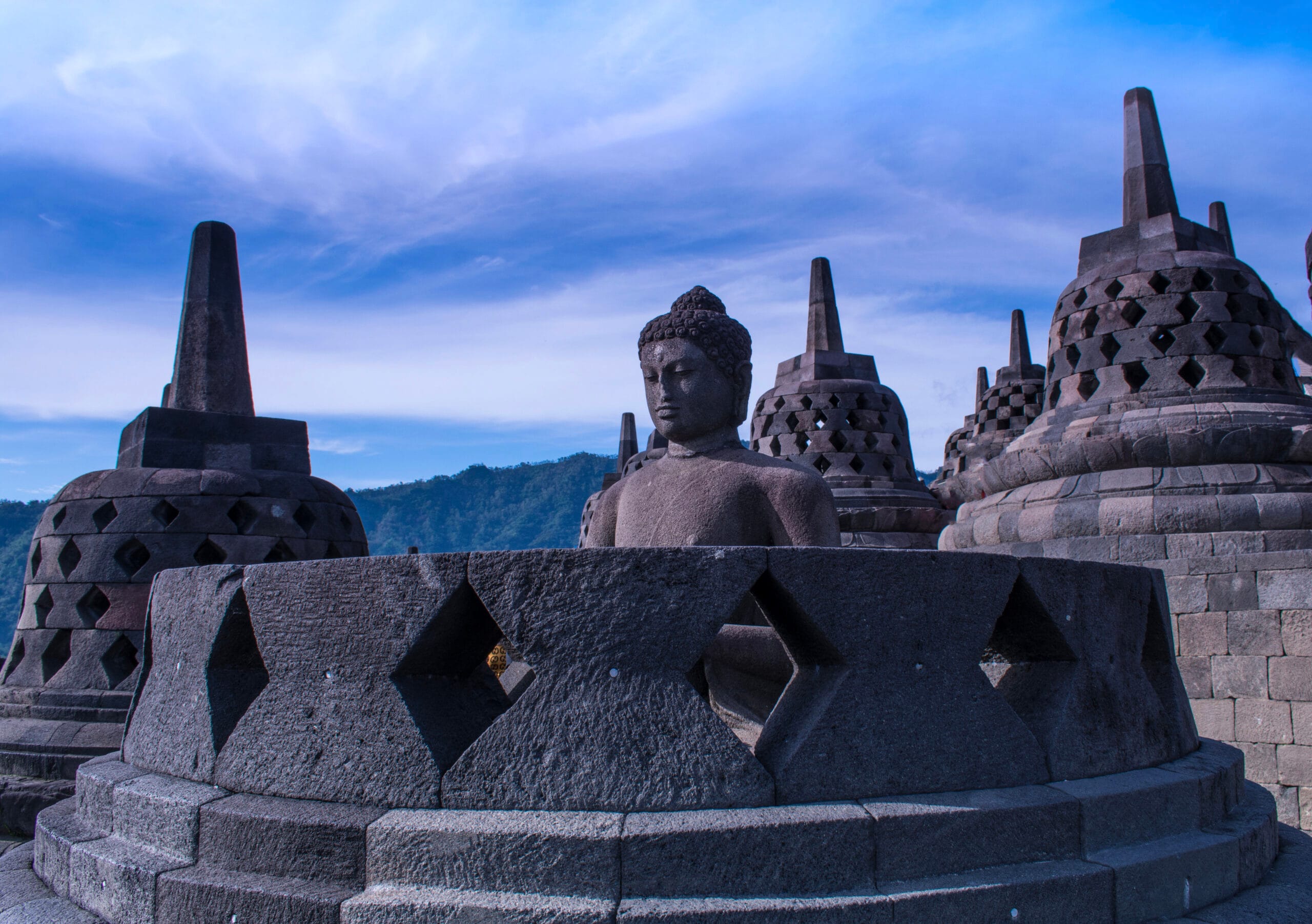
A highlight for many travelers is joining a combined Prambanan and Borobudur Tour, which showcases the two greatest temples of Central Java in one day. This experience allows visitors to explore Borobudur, the world’s largest Buddhist temple, in the morning — often during sunrise — and Prambanan, the grand Hindu complex, in the afternoon. The contrast between the two sites reveals Java’s harmonious blend of Buddhist and Hindu influences, making it one of the most enlightening day trips in Indonesia.
Most combined tours include private transportation, an English-speaking guide, entrance tickets, and meals, ensuring a smooth and comfortable journey. Some even add bonus stops like Mendut Temple, Pawon Temple, or Ratu Boko Palace for a complete cultural experience.
Booking such a Prambanan Tour in advance ensures convenience, expert guidance, and plenty of time to enjoy each site without rushing. Whether you choose a group tour, private guide, or luxury package, every option offers a deeper connection to Java’s timeless heritage and spiritual beauty.
Tips for Visiting Prambanan Temple
What to Wear and Bring
When preparing for your Prambanan Tour, comfort and respect should guide your outfit choices. Since Prambanan is both a historical and sacred site, dressing modestly is appreciated. Lightweight, breathable clothing is best for Yogyakarta’s tropical climate, especially if you’re visiting during the dry season. Avoid overly revealing attire and opt for something that covers your shoulders and knees — long skirts, pants, or light trousers are ideal.
Bring essentials such as a hat, sunscreen, reusable water bottle, and sunglasses to stay comfortable while exploring under the sun. A small backpack is useful for carrying your items, while comfortable walking shoes are a must, as the temple complex is vast. If you’re visiting during the rainy season, pack a foldable umbrella or light raincoat. These small preparations can make your Prambanan Tour much smoother and more enjoyable.
Finally, don’t forget your camera or smartphone — there are countless opportunities for stunning photos. But more importantly, bring curiosity and patience, as each part of the temple reveals a unique story.
Photography and Drone Guidelines
Photography is a big part of any Prambanan Tour, and the site offers breathtaking backdrops at every corner. Visitors are encouraged to take photos, but be respectful of the sacred atmosphere. The best lighting for photography is early morning or late afternoon when the sunlight adds a golden glow to the stone carvings.
Tripods and professional photography equipment are allowed but may require special permission for commercial use. Drones, on the other hand, are restricted and can only be used with prior approval from the temple management and local authorities. Unauthorized drone use may result in fines or confiscation. Always follow the posted rules to ensure safety and respect for the heritage site.
When taking photos of locals or performers (especially during cultural events), always ask for permission first. A mindful approach to photography ensures that your Prambanan Tour remains both memorable and respectful.
Respecting Local Customs and Rules
Prambanan is not just a tourist site; it’s a sacred space with deep religious significance. Visitors are expected to behave respectfully throughout their Prambanan Tour. Keep your voice low, avoid climbing restricted areas, and refrain from touching ancient carvings. The temple grounds are well-marked with signs indicating where visitors can walk safely.
Additionally, smoking and littering are strictly prohibited. Dispose of trash only in designated bins to help preserve the site’s beauty. When visiting during ceremonies or festivals, be especially mindful of worshippers. Respecting these customs not only enhances your experience but also supports the preservation of Prambanan’s spiritual atmosphere for generations to come.
Following these simple tips ensures your Prambanan Tour is meaningful, enjoyable, and culturally sensitive — a true journey into Indonesia’s living heritage.
Where to Stay Near Prambanan
Luxury Resort and Hotels
If you’re looking for comfort and elegance during your Prambanan Tour, several luxury accommodations near the temple offer world-class hospitality. The most notable is Plataran Heritage Borobudur & Prambanan, known for its elegant design and panoramic views of the temple complex. Other top-rated options include The Phoenix Hotel Yogyakarta and Hyatt Regency Yogyakarta, both offering premium amenities and easy access to major attractions.
These hotels often provide private tours, spa services, and traditional Javanese dining experiences — ideal for travelers who want to combine culture and relaxation. Staying at one of these luxury resorts ensures your Prambanan Tour feels seamless, comfortable, and indulgent.
Budget Accommodations
Travelers on a tighter budget will find plenty of affordable lodging options without sacrificing comfort. Guesthouses like Sambisari Homestay and Surokarsan Inn offer cozy stays close to the temple area. Many backpacker hostels and local inns in Kalasan and Depok districts provide simple yet clean rooms, free Wi-Fi, and local breakfast options.
A Prambanan Tour doesn’t have to be expensive — budget accommodations allow visitors to experience local hospitality and authentic Javanese life. Many of these homestays are run by friendly families who are happy to share cultural insights and travel tips.
Best Stays for Couples and Families
For couples seeking a romantic escape, boutique resorts like Tjokro Klaten Hotel or Amata Borobudur Resort provide a tranquil retreat surrounded by nature. Some even offer temple-view rooms and candlelit dinners, making your Prambanan Tour even more special.
Families can opt for spacious villas or hotels with child-friendly facilities. Properties such as Eastparc Hotel Yogyakarta feature pools, playgrounds, and family suites — perfect for relaxing after a day of exploration.
Whether you prefer luxury comfort, cultural immersion, or budget-friendly simplicity, the accommodation choices near Prambanan cater to every traveler’s needs. Staying close to the site lets you witness sunrise or sunset easily, extending the magic of your Prambanan Tour beyond the temple gates and into every part of your journey.
Local Food and Restaurants
Must-Try Javanese Dishes Near Prambanan
No Prambanan Tour is complete without indulging in authentic Javanese cuisine. Around the temple complex, you’ll find plenty of local warungs (small eateries) serving traditional dishes like Gudeg, a sweet jackfruit stew that represents Yogyakarta’s culinary soul. Nasi Liwet and Ayam Goreng Kalasan are also must-tries, offering fragrant rice and tender chicken seasoned with local spices.
Don’t forget to sample Bakpia, a flaky pastry filled with mung bean paste — a perfect souvenir or snack after your Prambanan Tour. Local food is both affordable and flavorful, giving travelers a genuine taste of Central Java’s cultural richness.
Top-Rated Restaurants and Cafés
For those seeking a more refined dining experience, several restaurants near Prambanan combine traditional flavors with modern presentation. Abhayagiri Restaurant offers stunning views of the temple and Mount Merapi, making it a perfect dinner spot. The Heritage Resto and Prambanan Café serve local and international dishes in a serene setting.
Whether you choose a local eatery or an upscale restaurant, exploring Javanese food culture enhances your Prambanan Tour, connecting you to the traditions and hospitality of Yogyakarta.

Hidden Gems Near Prambanan
Local Villages and Handicraft Workshops
Beyond the temple walls, a Prambanan Tour can lead you to charming local villages like Bugisan and Tlogo, where artisans craft batik, silver jewelry, and traditional pottery. Visitors can watch or even join workshops to learn how these crafts are made. Supporting these workshops not only preserves local culture but also adds an authentic touch to your journey.
Exploring these creative communities provides a deeper connection to Central Java’s heritage, enriching your Prambanan Tour with hands-on cultural experiences.
Scenic Spots for Sunrise and Sunset Views
For photographers and nature lovers, there are many scenic spots around the temple for sunrise and sunset. Ratu Boko Hill and the Plaosan Temple complex offer panoramic views of Prambanan bathed in golden light. Early morning visits provide calm moments, while sunset reveals dramatic silhouettes of temple spires.
Capturing these breathtaking views adds magic to your Prambanan Tour, turning each moment into a timeless memory.
Cultural Etiquette and Visitor Conduct
Dress Modestly and Behave Respectfully
When visiting during your Prambanan Tour, remember that this is a sacred Hindu temple complex. Dress modestly — covering shoulders and knees — and speak quietly within temple grounds. Avoid climbing restricted structures and always follow local signage.
Respectful behavior ensures that future generations can continue to enjoy this UNESCO site. Your mindful actions help preserve the sanctity and beauty of the Prambanan Tour experience.
Supporting Local Communities
Travel responsibly by choosing local guides, artisans, and eateries. Supporting small businesses during your Prambanan Tour contributes to sustainable tourism and community development. Buying handmade souvenirs or joining local performances helps keep the cultural spirit alive.
By engaging ethically and respectfully, you not only enrich your own journey but also give back to the people who make Prambanan so vibrant.
Practical Travel Information
Accessibility and Facilities
A well-planned Prambanan Tour is made easier thanks to the site’s excellent facilities. The complex features accessible pathways for wheelchairs, clean restrooms, and rest areas for visitors. Information boards are available in multiple languages, making navigation simple for international tourists.
Nearby parking, souvenir shops, and eateries ensure convenience throughout your Prambanan Tour, letting you focus on exploring comfortably and safely.
Safety and Health Tips
Safety is a priority while exploring Prambanan. Bring water to stay hydrated and wear sunscreen to protect from the tropical sun. Be cautious on uneven stone paths, especially after rain. If visiting with children, keep them close around crowded areas.
Emergency assistance and first-aid stations are available on-site, ensuring a worry-free experience during your Prambanan Tour. Staying alert and prepared allows you to enjoy every part of this incredible cultural journey with peace of mind.
Bali Bromo Yogyakarta Trip Adventure
Conclusion
A Prambanan Tour is more than just a visit to a historical site — it’s a journey through Indonesia’s spiritual and cultural heart. Standing tall since the 9th century, Prambanan Temple invites you to witness the grandeur of ancient Hindu architecture, the legends of Roro Jonggrang, and the artistic brilliance of Java’s past. Each spire, carving, and courtyard tells a timeless story that continues to inspire awe among travelers from around the world.
From exploring nearby temples like Sewu, Plaosan, and Ratu Boko, to watching the captivating Ramayana Ballet under the stars, every moment during your Prambanan Tour feels like stepping into a living museum. Beyond the temple complex, the surrounding villages, traditional workshops, and flavorful Javanese cuisine reveal a deeper layer of authenticity — the warmth and creativity of the local people.
A well-planned Prambanan Tour combines history, culture, and nature in perfect harmony. Whether you’re a first-time visitor, a history enthusiast, or a cultural explorer, Prambanan offers something unforgettable for everyone. Take time to appreciate the intricate details, respect the sacred atmosphere, and capture the stunning landscapes that make this UNESCO World Heritage Site one of Asia’s finest treasures.
As the sun sets behind the temple’s towering silhouettes, you’ll understand why Prambanan is not just a destination — it’s an experience that connects you with the spirit of Indonesia’s heritage and the beauty of human devotion carved in stone.
FAQs
How long should I spend at Prambanan?
About 2–3 hours is enough for a full Prambanan Tour.
Can I visit Prambanan and Borobudur in one day?
Yes, many Prambanan Tour packages include both temples in one day.
Is Prambanan safe for solo travelers?
Yes, it’s safe and friendly for solo visitors.
What time is best to visit for photography?
Morning or sunset gives the best light for photos.
Are there guides available on-site?
Yes, local guides can be hired at the entrance.