
Introduction to Borobudur Temple
Why Borobudur is a Must-Visit Destination
A Trip to Borobudur is more than just a journey—it’s an unforgettable exploration of Indonesia’s rich culture, history, and spirituality. Nestled in the lush Kedu Valley of Central Java, Borobudur Temple stands as one of the world’s greatest Buddhist monuments and a UNESCO World Heritage Site. This ancient marvel attracts travelers from around the globe who seek to witness its breathtaking architecture and serene atmosphere. What makes a Trip to Borobudur so special is the harmony it offers between nature and heritage—where misty mountains and green rice fields frame a centuries-old temple that radiates peace and enlightenment. Whether you’re a history enthusiast, a photography lover, or a spiritual traveler, Borobudur offers a once-in-a-lifetime experience that leaves a lasting impression. Visiting at sunrise adds an extra layer of magic as the first rays of light illuminate the intricate stone carvings, symbolizing the awakening of the human soul.
A Glimpse into Borobudur’s History
A Trip to Borobudur is like stepping back in time to the golden age of the Sailendra Dynasty in the 8th and 9th centuries. Built entirely from volcanic stone without modern tools, Borobudur showcases the brilliance of ancient Javanese craftsmanship and Buddhist symbolism. Historians believe it was constructed as a massive mandala—a sacred diagram representing the universe—reflecting the path to enlightenment through its nine ascending platforms. Over the centuries, the temple was buried under volcanic ash and jungle growth, forgotten until its rediscovery in the 19th century. Today, a Trip to Borobudur allows visitors to witness this restored wonder and appreciate the stories carved into over 2,600 relief panels that depict Buddhist teachings and daily life in ancient Java.
Spiritual and Cultural Significance of a Trip to Borobudur
Borobudur is not just a sightseeing experience—it’s a spiritual journey. The temple symbolizes the path to Nirvana, where each level represents a stage of enlightenment. Pilgrims walk clockwise around the temple’s tiers, meditating on the carved reliefs that tell stories of Buddha’s life and moral lessons. The peaceful aura surrounding Borobudur invites visitors to reflect, breathe deeply, and reconnect with their inner selves. Beyond its spiritual depth, a Trip to Borobudur also immerses travelers in Javanese culture through local traditions, art, and hospitality. From the gentle smiles of locals to the scent of incense wafting through the air, Borobudur offers a rare harmony between cultural heritage and spiritual serenity.
Planning Your Trip to Borobudur
How to Get to Borobudur
Planning your Trip to Borobudur starts with choosing the best route to reach this iconic temple. Borobudur is located in Magelang, Central Java, around 40 kilometers from Yogyakarta, one of Indonesia’s most popular tourist cities. Whether you’re traveling from nearby provinces or flying in from abroad, access to Borobudur is convenient and well-connected. A Trip to Borobudur can be arranged through private car rentals, tour packages, or even public transportation, depending on your budget and travel style. The journey itself offers scenic views of lush green landscapes, small villages, and volcanic mountains, making the travel experience as memorable as the destination itself.
From Yogyakarta
For most travelers, a Trip to Borobudur begins in Yogyakarta, the cultural heart of Java. From this city, it takes about 1.5 hours by car to reach the temple. You can hire a private driver, book a group tour, or take a local bus from Jombor Terminal heading to Borobudur. A Trip to Borobudur from Yogyakarta is not only convenient but also flexible—allowing you to stop at other attractions like the Mendut Temple or try traditional Javanese snacks along the way. If you prefer a hassle-free option, many hotels in Yogyakarta offer sunrise tours that depart early morning so you can catch the stunning sunrise over the temple’s stupas.
From Semarang or Surabaya
Another way to enjoy your Trip to Borobudur is by starting from Semarang or Surabaya. Semarang, the capital of Central Java, is about 3 hours away by car. It’s an ideal choice for travelers flying into Ahmad Yani International Airport who want to explore Central Java’s heritage sites. Meanwhile, if you begin your Trip to Borobudur from Surabaya, expect a longer journey—around 6 to 7 hours by car or train to Yogyakarta, then an additional 1.5-hour drive to Magelang. This route is perfect for those who wish to combine their Borobudur visit with other famous attractions like Mount Bromo or Ijen Crater in East Java. No matter where you start, the journey to Borobudur offers a fascinating look at Java’s rural life and natural beauty.
Trip to Borobudur Entry Fees and Opening Hours
When planning your Trip to Borobudur, it’s essential to know the entry fees and visiting hours. The temple is open daily from 6:00 AM to 5:00 PM, but the most magical experience happens during the special sunrise session, starting as early as 4:30 AM. The regular entry ticket for international visitors is approximately IDR 500,000, while the sunrise access costs a bit more but is worth every rupiah for the breathtaking view. A Trip to Borobudur also gives you the option to join a guided tour, which provides fascinating insights into the temple’s carvings and symbolism. Tickets can be purchased online or at the entrance gate, and it’s recommended to bring cash for convenience.
How Long to Spend at Borobudur
To make the most of your Trip to Borobudur, allocate at least half a day to fully explore the site. The temple complex is vast, and walking through its multiple levels takes time, especially if you enjoy photography or meditation. A Trip to Borobudur usually includes exploring nearby attractions such as Pawon and Mendut temples, cycling through local villages, or visiting the Borobudur Museum. If you’re a sunrise visitor, you can finish your temple exploration by mid-morning and still have the rest of the day to enjoy local food or relax in a nearby café with a view of the surrounding hills. Staying overnight in Borobudur village is another great option if you prefer a slower, more immersive experience that connects you deeply with the area’s cultural rhythm.
Best Time to Visit Borobudur
Weather and Seasonal Considerations for a Trip to Borobudur
A Trip to Borobudur is best enjoyed when you plan around Java’s tropical climate. The region experiences two main seasons — the dry season from May to October and the rainy season from November to April. During the dry months, skies are clear, making it ideal for photography and comfortable temple exploration. Travelers planning a Trip to Borobudur during the wet season should prepare for occasional showers, though mornings often remain clear enough for sightseeing. Early mornings are always recommended, as temperatures are cooler and the light is softer for photos. Regardless of the season, Borobudur’s mist-covered surroundings offer a mystical atmosphere that adds to its allure.
Visiting During Sunrise and Sunset on a Trip to Borobudur
A Trip to Borobudur becomes truly magical when experienced during sunrise or sunset. The sunrise, in particular, reveals the temple in a breathtaking golden glow, as the first rays of light illuminate the stupas and distant volcanoes. During sunset, the fading light casts long shadows that emphasize the temple’s intricate carvings and peaceful setting. A Trip to Borobudur during these hours also offers cooler temperatures and fewer crowds, perfect for those seeking serenity and reflection. To witness sunrise, visitors often enter through Manohara Resort, which offers early access before the temple officially opens.
Ideal Months for the Perfect Experience
The best months for a Trip to Borobudur are between May and August, when the weather is dry, visibility is clear, and the skies are often painted with beautiful hues at dawn. During these months, visitors can comfortably explore without worrying about rain or slippery steps. A Trip to Borobudur in this period also coincides with local festivals, allowing you to experience cultural performances and traditional ceremonies. The pleasant climate enhances every moment, from walking around the temple to enjoying a local meal overlooking the green valleys.
Learn more: Best Time to Visit Borobudur | Complete Traveler Guide
Exploring the Majestic Borobudur Temple
Architecture and Design on a Trip to Borobudur
A Trip to Borobudur offers a glimpse into one of the most impressive examples of ancient architecture in Southeast Asia. Built in the 9th century, Borobudur was designed as a massive mandala — a sacred geometric symbol representing the universe. Every level, relief, and statue was meticulously crafted from volcanic stone, showcasing the artistry of ancient Javanese builders. When you take a Trip to Borobudur, you’ll notice its symmetry and alignment with the cardinal points, symbolizing harmony between human life and cosmic order.
The Nine Levels of Enlightenment on a Trip to Borobudur
During a Trip to Borobudur, visitors ascend through nine stacked platforms that symbolize stages toward enlightenment. The lower levels depict the world of desire, illustrated through detailed carvings of human life and moral lessons. The middle terraces represent the form realm, where worldly attachments begin to fade. Finally, the circular upper levels represent the formless realm, where ultimate enlightenment is achieved. Each level of a Trip to Borobudur invites spiritual reflection, guiding visitors from the earthly plane toward inner peace.
The Stupas and Buddha Statues You Meet on a Trip to Borobudur
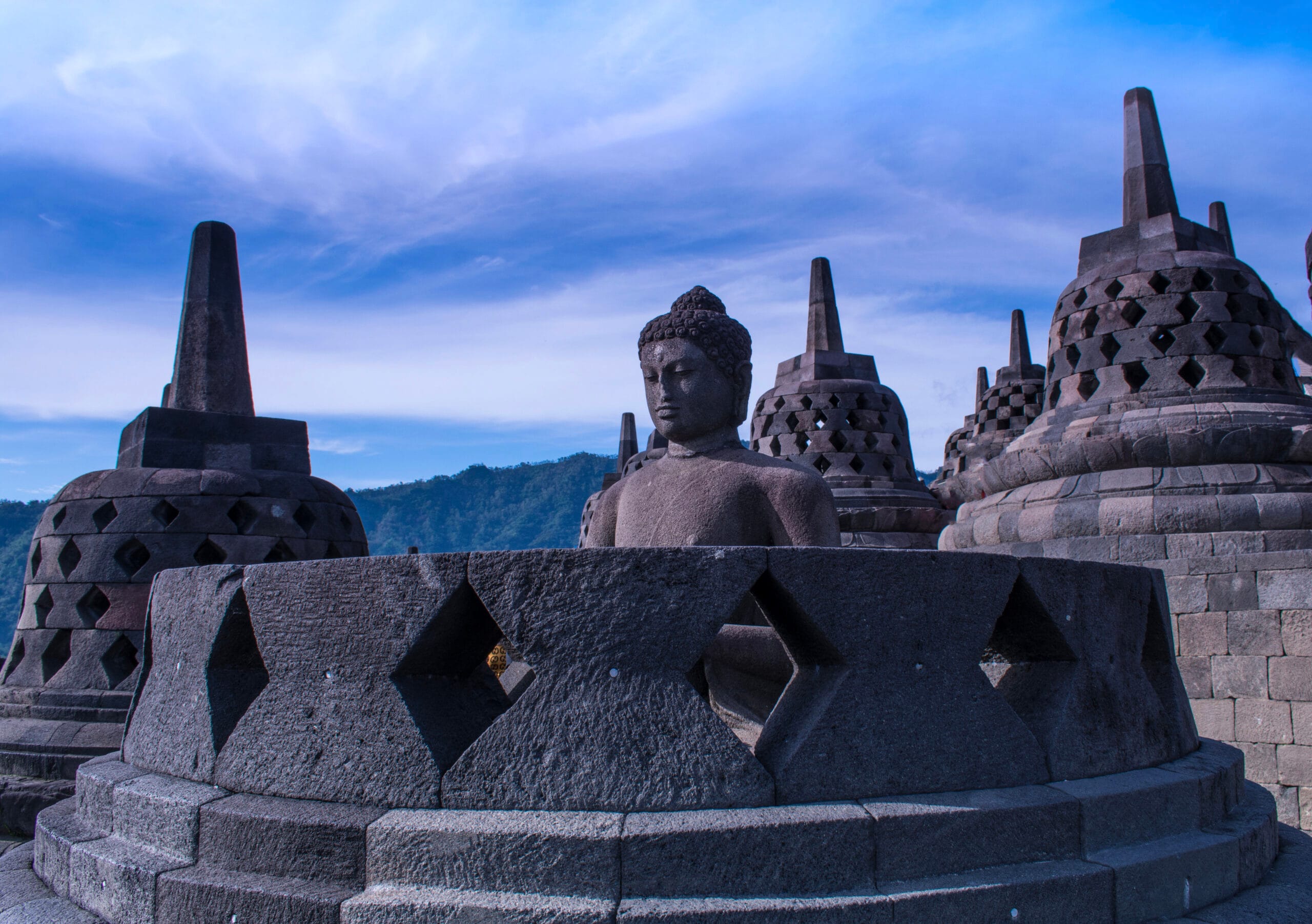
One of the highlights of a Trip to Borobudur is the sight of its 72 stupas, each containing a seated Buddha in meditation. These bell-shaped structures symbolize purity and wisdom, standing as timeless guardians of peace. The central stupa, located at the very top, represents Nirvana — the ultimate goal of Buddhist enlightenment. A Trip to Borobudur is incomplete without walking among these stupas, feeling the calm energy that radiates from each perfectly carved stone figure.
The Famous Borobudur Sunrise Experience
Why Sunrise is Magical on a Trip to Borobudur
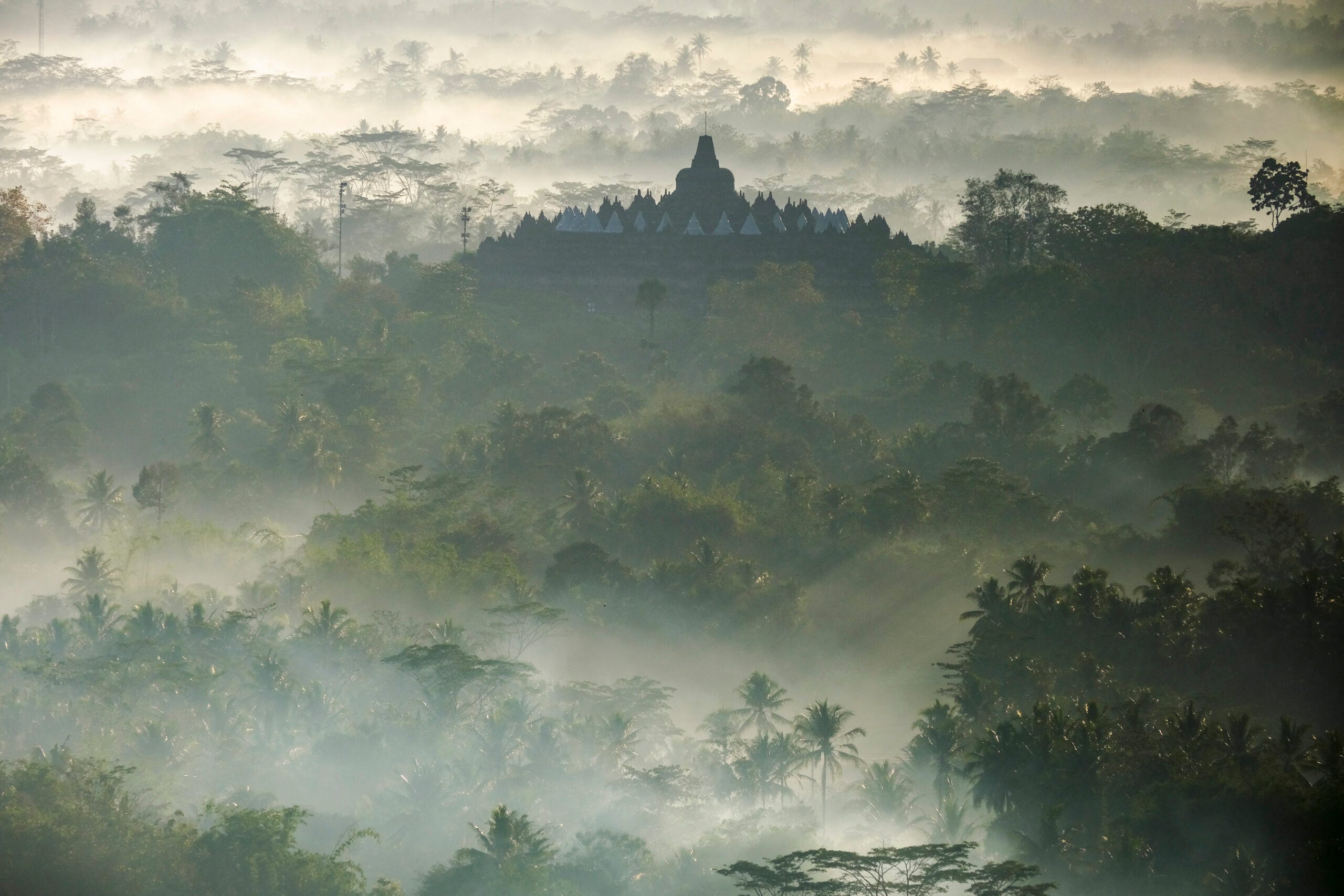
A Trip to Borobudur during sunrise is nothing short of extraordinary. As dawn breaks, soft golden light bathes the temple, revealing the silhouettes of stupas against a backdrop of mist-covered hills and Mount Merapi. This tranquil moment feels spiritual — almost like time stands still. Many travelers describe this sunrise experience as life-changing, as it evokes a deep sense of peace and connection to nature. The combination of silence, morning mist, and sacred architecture creates a scene that words can hardly capture.
Best Spots for Sunrise Photos on a Trip to Borobudur
For photography lovers, a Trip to Borobudur at sunrise offers countless breathtaking angles. The upper circular terraces provide the best panoramic views, where you can capture the sun rising behind the stupas. Another excellent spot is Punthuk Setumbu Hill, located just a few kilometers away, offering a distant yet magnificent view of the temple bathed in morning light. A Trip to Borobudur becomes even more rewarding when you capture these magical moments to remember forever.
Tips for a Peaceful Sunrise on a Trip to Borobudur
To make the most of your sunrise visit, arrive early — around 4:30 AM — to secure a good viewing spot. Wear comfortable clothing and bring a flashlight for the dark early hours. The sunrise is best enjoyed quietly; take time to meditate, breathe deeply, and simply absorb the serenity of the place. Avoid loud conversations, and remember to respect the sacred atmosphere. Bring your camera, but don’t forget to pause and appreciate the beauty with your own eyes.
Things to Do Around Borobudur
Visit Mendut and Pawon Temples
A Trip to Borobudur is not complete without exploring the nearby temples of Mendut and Pawon. These two smaller temples, located along a straight line with Borobudur, are believed to form a spiritual axis representing the stages of enlightenment. Mendut Temple, with its large seated Buddha and intricate carvings, dates back to the early 9th century. Pawon, on the other hand, is smaller but equally significant for its elegant design and detailed stonework. When you take a Trip to Borobudur, visiting these temples provides a deeper understanding of ancient Javanese Buddhist traditions and the region’s sacred heritage.
Cycling Through Borobudur Village
For a more immersive experience, a Trip to Borobudur should include cycling through the surrounding villages. The countryside is filled with rice fields, traditional houses, and friendly locals going about their daily lives. Renting a bicycle or joining a guided cycling tour lets you explore hidden gems, like local pottery workshops and batik makers. Cycling here offers not only scenic beauty but also a connection with the cultural soul of Java. You can stop by small warungs (local eateries) to taste authentic Javanese snacks or watch farmers working in the fields as Mount Merapi towers majestically in the background.
Explore Borobudur Museum
A Trip to Borobudur would be incomplete without visiting the Borobudur Museum, located near the main temple complex. This museum showcases the temple’s history, including artifacts discovered during excavations and restoration projects. There’s also a scale model of Borobudur that helps visitors understand its architectural design and symbolism. During your Trip to Borobudur, the museum offers fascinating insights into the temple’s construction, its rediscovery in the 19th century, and the preservation efforts that continue today.
Try Local Culinary Delights
No Trip to Borobudur is complete without tasting the local food. The area around Borobudur offers delicious Central Javanese cuisine such as nasi megono, tempe mendoan, and getuk trio (sweet cassava cake). After your temple exploration, enjoy a meal at a nearby café overlooking the green valley or sip a cup of freshly brewed kopi Borobudur, a local coffee with a rich aroma. A Trip to Borobudur allows you to savor both the spiritual and culinary richness of the region, creating a wholesome travel experience.
Accommodation Options Near Borobudur
Luxury Resorts for a Trip to Borobudur
For travelers seeking comfort, a Trip to Borobudur can include luxurious stays at resorts that combine modern amenities with traditional Javanese architecture. Places like Plataran Borobudur Resort & Spa and Amanjiwo offer elegant rooms, infinity pools, and panoramic views of the temple and mountains. Staying here makes your Trip to Borobudur a rejuvenating escape filled with serenity, fine dining, and world-class service.
Mid-Range Hotels
If you prefer comfort without the high price tag, a Trip to Borobudur offers plenty of mid-range hotel options. Hotels like Saraswati Borobudur and Shankara Borobudur provide cozy accommodations within walking distance of the temple. During your Trip to Borobudur, these hotels offer a perfect balance between affordability and convenience, complete with amenities like swimming pools and in-house restaurants serving local delicacies.
Budget Guesthouses and Homestays
For travelers on a tighter budget, a Trip to Borobudur can still be incredibly comfortable thanks to the many homestays and guesthouses in the surrounding villages. These family-run lodgings provide a warm, authentic experience, where you can interact with locals and learn about Javanese traditions. A Trip to Borobudur that includes a village stay lets you enjoy homemade meals, early morning walks through rice paddies, and insights into local life that luxury hotels can’t offer.
What to Pack for Your Borobudur Trip
Clothing Essentials
When preparing for your Trip to Borobudur, pack lightweight, breathable clothing suitable for Indonesia’s tropical climate. Comfortable walking shoes are essential, as the temple’s stone steps can be steep and uneven. A hat, sunglasses, and a light jacket for early morning chill are also recommended. Since Borobudur is a sacred site, dress modestly—avoid sleeveless tops and short shorts. A Trip to Borobudur that’s well-planned with appropriate attire ensures both comfort and cultural respect.
Photography Gear
A Trip to Borobudur offers incredible photography opportunities, so be sure to bring your camera, extra batteries, and memory cards. If you’re capturing the sunrise, a tripod is useful for steady shots in low light. Drone enthusiasts can also bring their devices but must follow local regulations. Capturing the play of light over the temple’s stupas during your Trip to Borobudur will leave you with unforgettable memories.
Travel Necessities
Don’t forget travel essentials for your Trip to Borobudur such as sunscreen, insect repellent, reusable water bottles, and personal medications. Bring a small backpack for convenience while exploring the temple and nearby attractions. A Trip to Borobudur is smoother when you’re well-prepared, allowing you to focus on the beauty and tranquility of this sacred wonder instead of minor travel hassles.
Travel Tips for Visiting Borobudur
Respect Local Customs and Dress Codes
A Trip to Borobudur is not just a travel experience—it’s a spiritual journey that deserves respect and mindfulness. Since Borobudur is an ancient Buddhist monument, visitors are encouraged to dress modestly. Avoid wearing sleeveless tops, short skirts, or shorts. Lightweight, breathable clothing that covers your shoulders and knees is ideal, especially under the tropical sun. Many visitors wrap a sarong around their waist, which can be borrowed or rented at the entrance. When taking photos, always be mindful not to climb on the stupas or touch sacred statues. During your Trip, maintaining respect for local customs ensures a harmonious experience that honors both the temple’s sanctity and the culture of Central Java.
Responsible Tourism Practices
Sustainable travel plays a key role in making your Trip to Borobudur meaningful and ethical. As one of Indonesia’s most visited heritage sites, Borobudur faces challenges from over-tourism and environmental impact. Responsible travelers can make a difference by reducing plastic waste, avoiding littering, and supporting local businesses. Opt for eco-friendly accommodations or locally guided tours that contribute to the community. During your Trip, choose to buy handicrafts made by local artisans and enjoy meals at family-owned restaurants. Small actions like carrying reusable water bottles or saying “thank you” (terima kasih) in the local language help preserve the cultural and environmental integrity of this sacred destination.
Safety Tips for a Trip to Borobudur
When planning your Trip to Borobudur, keeping safety in mind ensures a worry-free adventure. The temple complex can get crowded, especially during sunrise, so keep personal belongings secure and avoid leaving valuables unattended. Wear comfortable shoes with good grip to navigate the steep stone steps safely. If you visit during the rainy season, be cautious as the stones may become slippery. Staying hydrated is also crucial—carry a water bottle but remember to avoid eating or drinking within the temple area. During your Trip to Borobudur, always follow the site’s rules, stay within designated pathways, and listen to local guides for directions and historical insights.
Cultural Etiquette on a Trip to Borobudur
How to Show Respect at the Temple
A Trip to Borobudur is an opportunity to engage with centuries of spiritual tradition, so showing proper respect is essential. Begin by maintaining a calm and quiet demeanor as you walk around the temple. Avoid loud conversations or disruptive behavior that might disturb others’ meditation or reflection. Always walk clockwise around the temple—this is known as pradakshina, a traditional Buddhist practice symbolizing respect and reverence. When taking photos, be discreet and avoid blocking pathways or posing on sacred structures. A Trip to Borobudur becomes far more enriching when you approach it with humility and mindfulness, treating it not just as a tourist site but as a living monument of faith.
Dos and Don’ts for Visitors
To make your Trip to Borobudur smooth and respectful, follow these simple etiquette rules. Do wear modest attire, keep the environment clean, and be courteous to fellow visitors and temple staff. Do greet locals with a smile and show appreciation for their hospitality. Don’t touch Buddha statues or attempt to climb stupas for photos—it’s considered disrespectful and potentially damaging to the ancient structure. Don’t bring food, alcohol, or smoking materials into the temple area. Practicing these basic manners not only ensures a pleasant visit but also contributes to the preservation of this sacred heritage for future generations.

Combining Borobudur with Other Attractions
Prambanan Temple
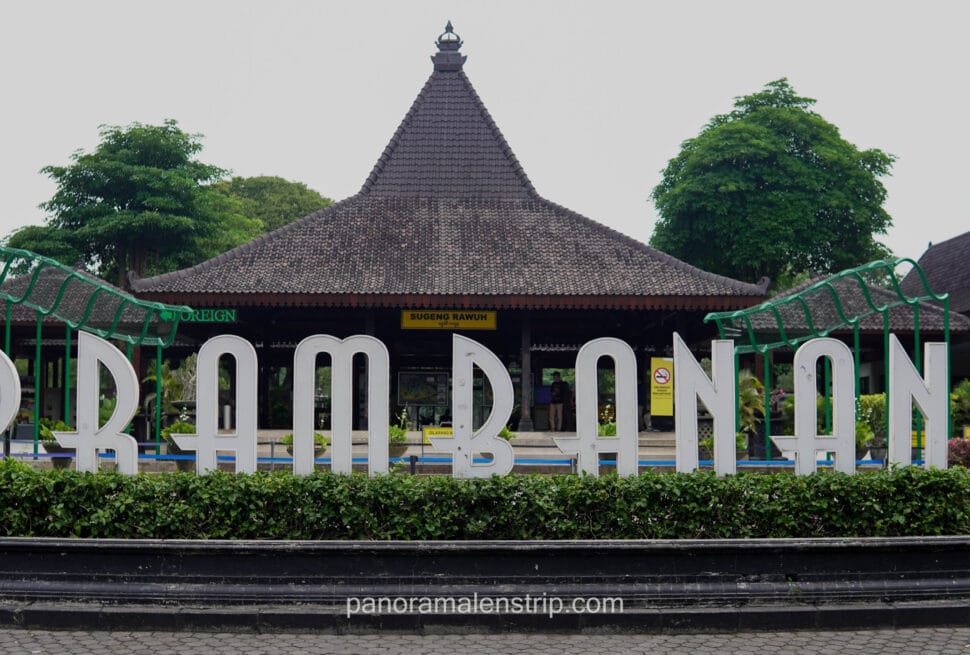
A Trip to Borobudur can easily be combined with a visit to Prambanan Temple, another UNESCO World Heritage Site located about 90 minutes away in Yogyakarta. While Borobudur represents Buddhist culture, Prambanan showcases the grandeur of Hindu architecture with its tall, pointed towers dedicated to the Trimurti gods: Brahma, Vishnu, and Shiva. Visiting both temples on your Trip to Borobudur allows travelers to appreciate Indonesia’s rich history of religious harmony and cultural diversity. The intricate carvings and evening Ramayana Ballet performances at Prambanan make it an unforgettable companion to Borobudur’s serenity.
Mount Merapi Tour
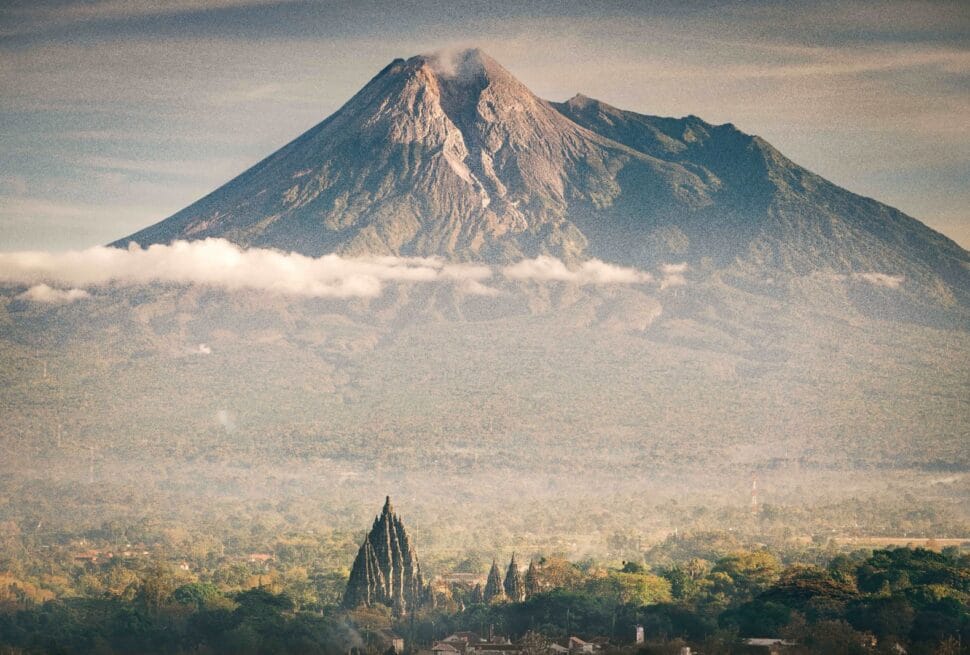
For adventure seekers, a Trip to Borobudur can be extended with a Mount Merapi Jeep Tour. Mount Merapi, one of Indonesia’s most active volcanoes, offers thrilling experiences and panoramic views of Java’s landscape. You can explore lava trails, visit small museums detailing past eruptions, and enjoy sunrise vistas that rival Borobudur’s own. A Trip to Borobudur combined with a Merapi adventure provides the perfect balance between cultural exploration and outdoor excitement.
Yogyakarta City Exploration
No Trip to Borobudur is complete without exploring Yogyakarta, the vibrant cultural capital of Java. The city is home to the royal palace (Kraton), traditional batik workshops, and bustling markets filled with local crafts. During your Trip, spend a day in Yogyakarta to experience its lively street food scene and artistic heritage. You can also visit Malioboro Street for shopping or explore the historic Taman Sari Water Castle. Combining Borobudur with Yogyakarta gives travelers a full spectrum of Javanese life—where ancient spirituality meets modern creativity, creating a rich, well-rounded journey through Central Java’s heart.
Photography Tips for Capturing Borobudur
Best Angles and Lighting for a Trip to Borobudur
A Trip to Borobudur offers endless opportunities for breathtaking photography, especially when you know the right angles and lighting. The best time to capture the temple’s magnificence is during sunrise, when soft golden light bathes the stupas and mist lingers over the valley. Standing on the upper terraces facing east allows you to frame Mount Merapi in the background, creating a stunning contrast between nature and architecture.
Midday and Sunset Trip to Borobudur Photography
During midday, focus on capturing close-up shots of the intricate stone reliefs and Buddha statues, as the sunlight brings out their textures and details. For sunset shots, head to the western side of the temple to capture the warm glow illuminating the carvings. When planning your Trip to Borobudur, remember that early morning and late afternoon light produce the most atmospheric results. Whether you use a smartphone or a professional camera, a Trip to Borobudur guarantees memorable images that perfectly blend culture, spirituality, and beauty.
Drone Photography Guidelines
With modern technology, drone enthusiasts often include aerial shots in their Trip to Borobudur photography plans. However, drone usage around Borobudur Temple is strictly regulated to preserve the sanctity of the site and ensure visitor safety. If you wish to fly a drone, you must obtain official permission from local authorities or the temple management. The best practice is to capture aerial views from designated areas outside the main temple grounds, such as Punthuk Setumbu Hill or Svargabumi Park, which offer spectacular panoramic perspectives. During your Trip to Borobudur, fly responsibly—avoid flying directly over the temple, maintain altitude limits, and respect privacy and cultural sensitivity. Following these rules ensures that your Trip to Borobudur remains both enjoyable and respectful toward this UNESCO-protected site.
Capturing Local Life and Traditions
A Trip to Borobudur is not just about photographing the temple; it’s also about capturing the essence of the people and culture that surround it. The nearby villages, like Candirejo and Karanganyar, are filled with daily life scenes that tell the story of rural Java—farmers working in rice fields, artisans crafting batik, and children riding bicycles along narrow paths. Morning and late afternoon provide the best lighting to photograph village life. When taking portraits, always ask for permission and engage with locals respectfully. During your Trip to Borobudur, participate in cultural activities such as traditional dance performances or local ceremonies to capture authentic moments that reflect the soul of the community. By documenting these experiences, your Trip to Borobudur becomes more meaningful and personal.
Local Experiences and Souvenirs on a Trip to Borobudur
Traditional Handicrafts for a Trip to Borobudur
A Trip to Borobudur isn’t complete without exploring the region’s beautiful handicrafts. Local artisans specialize in stone carving, bamboo weaving, and wooden sculptures inspired by Buddhist symbols. Many of these crafts are made using traditional techniques passed down through generations. Purchasing handmade souvenirs supports local livelihoods and preserves cultural traditions. When you take a Trip to Borobudur, consider visiting small workshops to see how these artisans work and even try your hand at crafting. A Trip to Borobudur becomes even more rewarding when you bring home meaningful souvenirs that reflect the area’s artistry.
Batik Workshops on a Trip to Borobudur
Batik, Indonesia’s famous wax-resist dyeing art, is a must-try during your Trip to Borobudur. Several local studios around the temple offer workshops where visitors can learn the intricate process of creating batik patterns by hand. Using melted wax and natural dyes, you’ll discover how patience and creativity come together in this centuries-old craft. Joining a workshop during your visit not only allows you to create your own souvenir but also connects you with local artisans who take pride in their cultural heritage. Supporting these workshops helps sustain local craftsmanship and provides a deeper appreciation of Javanese art.
Local Market Visits
A Trip to Borobudur also offers vibrant market experiences. The local markets in Magelang and Borobudur Village are filled with fresh produce, handmade crafts, and traditional snacks. Wandering through these markets gives you a glimpse into everyday life in Central Java. You can sample local specialties like getuk lindri (sweet cassava cake) or buy natural products like coconut oil and herbal teas. During your Trip to Borobudur, don’t miss the chance to interact with friendly vendors and learn about local ingredients and recipes. These markets are a cultural feast for the senses and a perfect way to connect with the community.
Sustainable Travel in Borobudur
Supporting Local Communities on a Trip to Borobudur
A sustainable Trip to Borobudur begins with supporting local communities. Choosing locally owned accommodations, dining in family-run restaurants, and purchasing handmade crafts directly from artisans all contribute to community growth. Many villages around Borobudur, such as Candirejo and Wanurejo, have developed eco-tourism programs that allow travelers to experience authentic Javanese culture. When you take a Trip to Borobudur, participating in these community-based tours helps promote economic empowerment and cultural preservation. By contributing to local livelihoods, your Trip to Borobudur becomes more impactful and responsible.
Eco-Friendly Activities
To make your Trip to Borobudur more environmentally conscious, engage in eco-friendly activities that minimize your carbon footprint. Cycling tours, walking excursions, and using electric vehicles for short trips are great alternatives to car travel. Many resorts and homestays around Borobudur encourage guests to join tree-planting programs or traditional farming experiences. A sustainable trip focused on eco-friendly exploration not only reduces environmental impact but also deepens your connection to nature and the local ecosystem.
Reducing Environmental Impact
Minimizing waste and respecting the environment are essential parts of a responsible Trip to Borobudur. Carry reusable water bottles, avoid plastic straws, and properly dispose of trash in designated areas. When visiting the temple, refrain from touching the carvings or leaving any marks. Additionally, choose eco-conscious accommodations that prioritize energy conservation and waste management. Each small step contributes to preserving the natural and cultural beauty of Borobudur for future generations. By integrating sustainability into your Trip to Borobudur, you transform travel into a positive force for both people and the planet.
Bali Bromo Yogyakarta Trip Adventure Package
Read more about Easy and Adventure tour
Conclusion
Reflecting on the Spiritual Journey
A Trip to Borobudur is more than just a sightseeing adventure — it’s a transformative journey through time, culture, and spirituality. Standing before this majestic monument, surrounded by misty hills and ancient stone carvings, visitors often feel a deep sense of peace and reflection. Each step taken along Borobudur’s circular pathways symbolizes the stages of enlightenment, guiding travelers from the physical world toward inner serenity. Whether you come for the architecture, history, or simply to witness its breathtaking sunrise, a Trip to Borobudur offers a rare chance to connect with something much greater than yourself.
During your visit, it’s impossible not to feel the energy that radiates from the temple — the same spiritual essence that has drawn pilgrims for over a thousand years. As you ascend each level, you’re not just exploring an ancient structure; you’re retracing the spiritual footsteps of millions who sought wisdom and peace here. The calm wind, the chanting of monks in the distance, and the warm smiles of locals create an atmosphere that soothes both mind and soul.
A Trip to Borobudur ultimately leaves travelers with a renewed appreciation for mindfulness, balance, and gratitude. It reminds us that beauty and enlightenment can be found not only in grand monuments but in the quiet moments of observation, connection, and stillness. The temple’s timeless charm continues to inspire visitors from all corners of the world — each one leaving with their own story of reflection and awakening.
Final Travel Advice for Visitors
As you prepare for your Trip to Borobudur, take time to plan thoughtfully so that every moment becomes memorable and meaningful. Start early — both in the day and in your travel planning. Arriving at sunrise is one of the best decisions you can make, as it allows you to witness the temple bathed in golden light before the crowds arrive. Bring comfortable shoes, modest clothing, and a spirit of respect for the sacred site you’re visiting.
Another useful tip is to stay overnight nearby, giving yourself time to explore surrounding attractions like Mendut Temple, local villages, and the Borobudur Museum. Hiring a local guide adds immense value to your experience — they’ll share stories, symbolism, and hidden details that bring the monument’s carvings to life.
Sustainable travel is also key during your Trip to Borobudur. Respect the environment, support small local businesses, and always follow site regulations to help preserve this magnificent cultural treasure for future generations. Carry reusable items, dispose of waste properly, and avoid touching delicate carvings.
In essence, Borobudur is not just a place to visit; it’s a place to feel, learn, and grow. As you end your journey, take a final moment to gaze at the temple and breathe in the stillness that defines this sacred site. The memories of your Trip to Borobudur will linger long after you leave — reminding you of the balance between humanity, nature, and the eternal pursuit of enlightenment.
FAQs
What is the best time to visit Borobudur?
The best time for a Trip to Borobudur is April–October. Visit early morning for cool weather and stunning sunrise views.
How far is Borobudur from Yogyakarta?
Borobudur is about 40 km or 1 hour from Yogyakarta—a scenic start to your Trip to Borobudur.
Can visitors climb the temple?
Yes, but access may require a guided tour. Check rules before your Trip to Borobudur.
Is sunrise entry ticket different?
Yes. Sunrise tickets allow early entry around 4:30 a.m.—a highlight of any Trip to Borobudur.
What should I wear?
Dress modestly and comfortably. Light clothes, covered shoulders/knees, and good shoes make your Trip to Borobudur easier.
[…] Also read: Trip to Borobudur: The Complete Travel Guide […]
[…] served as signs or warnings from the spirit kingdom atop Merapi. Over time, eruptions also reshaped landscapes surrounding Borobudur and Prambanan, burying ancient settlements and contributing to archaeological discoveries. Today, […]
[…] Also read: Trip to Borobudur: The Complete Travel Guide […]
[…] Watching the Borobudur sunrise view from inside the temple grounds offers the most immersive experie… The central stupa area provides a balanced, panoramic perspective where symmetry and light work together. As the sun rises, the stupas appear in silhouette before slowly revealing their details. […]
[…] have guided over photography Borobudur tour across Indonesian heritage sites in the past eight years. Borobudur Temple remains the single most […]