TL;DR
- The best time to visit Prambanan is during the dry season, May–October, for clear skies and strong golden hour light
- Best time of day: 4:30 PM–6:15 PM for sunset silhouette compositions
- Top vantage point: Northwest corner of the main compound; Ratu Boko plateau for elevated perspective
- Wet season (Nov–Apr) offers fewer crowds, dramatic clouds — a legitimate counter-season for moody photography
- Essential gear: 16–24mm wide-angle, 70–200mm telephoto, sturdy tripod, circular polarizer
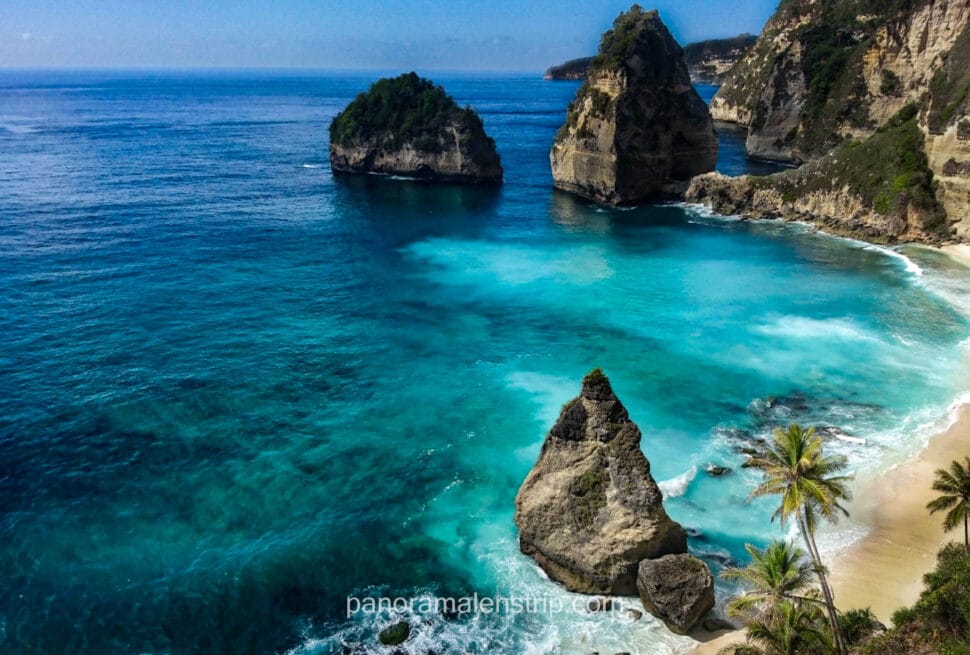
- Prambanan pairs with Borobudur, Mount Bromo, Kelimutu, and Komodo for a full Indonesia photography circuit
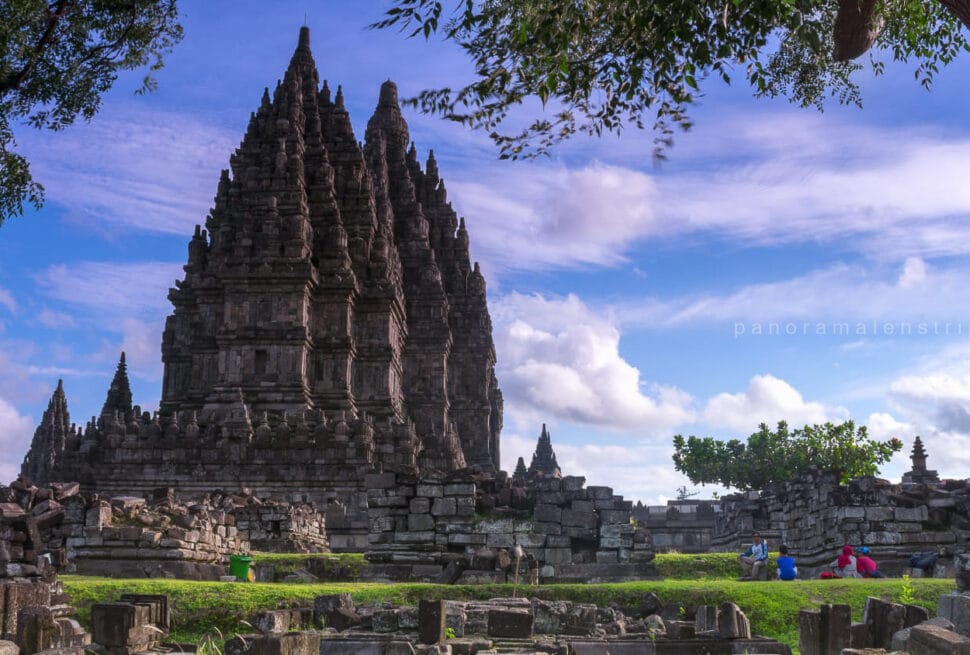
The best time to visit Prambanan for photography is May through October, at golden hour. Our local photography guides at Panorama Lens Trip have documented this UNESCO World Heritage site across every season and light condition. The dry season delivers unmatched atmospheric clarity. Sunset transforms the temple’s 47-meter Shiva spire into one of Southeast Asia’s most powerful photographic subjects.
When Is the Best Time of Year to Visit Prambanan Temple?
The best time to visit Prambanan is during the dry season, running from May through October. Skies remain consistently clear, and humidity drops sharply. Golden hour produces warm amber and copper tones across the stone spires. Visibility to Mount Merapi — a critical compositional background element — is highest between June and September.
What Makes the Dry Season Ideal for Photography at Prambanan?
During dry season, low humidity reduces atmospheric haze in wide-angle compositions. Dust particles in the lower atmosphere scatter light efficiently. This creates the rich warm tones that define strong sunset photography at heritage sites. July and August represent peak dry conditions, with the most consistent golden hour windows across the compound.
Can You Visit Prambanan During the Wet Season?
Yes — and for specific photography styles, the wet season outperforms the dry season. Low-hanging clouds create dramatic, moody backdrops behind the temple spires. Rainfall clears the air, producing unusually vivid color saturation immediately after a shower. Crowd levels drop sharply between November and March, which means cleaner compositions with fewer tourists in frame. The trade-off is unpredictable light windows and the need for weather-sealed camera bodies.
Prambanan by Season — Photography Conditions at a Glance
| Month | Weather | Light Quality | Crowd Level | Recommended Gear |
|---|---|---|---|---|
| May–Jun | Dry, clear | Excellent | Moderate | Wide-angle, polarizer |
| Jul–Aug | Peak dry | Outstanding | High | Telephoto, ND filter |
| Sep–Oct | Transitional | Very Good | Moderate | Standard zoom |
| Nov–Dec | Early wet | Dramatic | Low | Weather-sealed body |
| Jan–Feb | Heavy wet | Variable | Very Low | Waterproof bag, primes |
| Mar–Apr | Late wet | Soft, diffused | Low | Tripod, remote shutter |
What Time of Day Is Best for Photographing Prambanan Temple?
Sunset — specifically the 45-minute window between 4:30 PM and 6:15 PM — is the single strongest time of day to photograph Prambanan. The temple’s tallest spires face west, catching direct warm light as the sun descends. The silhouette-to-detail ratio at this hour is unmatched at any other time of day.
Why Is Sunset the Most Sought-After Window at Prambanan?
Prambanan’s central Shiva temple rises 47 meters above the compound floor. At golden hour, the stone surface takes on a deep amber tone that midday light cannot replicate. Photographers can work the exposure triangle — balancing ISO 100–400, f/8–f/11, and a 1/60–1/250s shutter — to retain foreground detail and a luminous sky simultaneously. The usable light window lasts approximately 45 minutes before contrast becomes too low for clean exposures.
Is Sunrise Worth the Early Start at Prambanan?
Sunrise at Prambanan offers a fundamentally different photographic experience. The east-facing outer corridors receive the first light directly. Blue hour — the 20-minute window before sunrise — produces a cool, even luminosity ideal for long-exposure stone texture work. Crowds are minimal before 7:00 AM. The trade-off is softer, less saturated color, but for architectural detail and intimate compositions, sunrise is a significantly underrated window.
Where Are the Best Photography Spots Inside Prambanan Complex?
The northwest corner of the main compound and the Sewu Temple cluster, 800 meters north, are the two strongest primary vantage points inside the complex. Both offer clear sightlines to the central spires with controllable foreground elements. Neither requires a special permit beyond the standard compound entry ticket.
Which Vantage Points Deliver the Strongest Foreground-to-Spire Compositions?
The northwest corner aligns the three main towers — Shiva, Vishnu, and Brahma — into a single cohesive frame. A 16–24mm wide-angle lens maximizes spire verticality against the sky. The seasonal lotus pond, active between December and March, adds a natural reflection element to foreground compositions. For compressed perspective and isolated spire detail, a 70–200mm telephoto from the outer compound boundary is the more effective focal length choice.
How Does the Ratu Boko Plateau Compare to Prambanan for Sunset Shots?
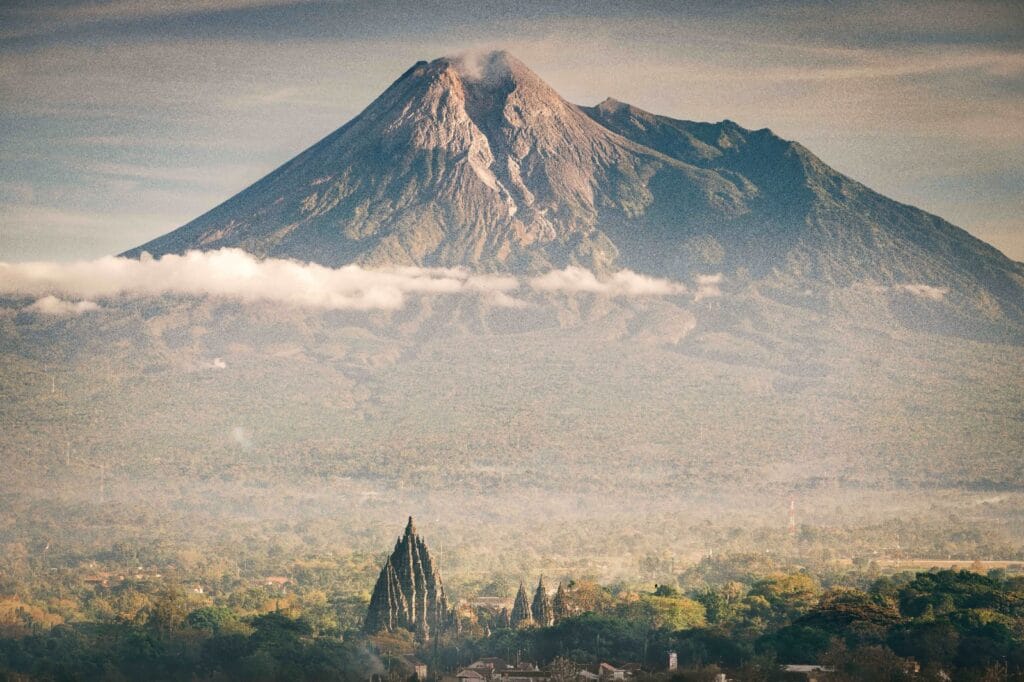
Ratu Boko sits 196 meters above the Prambanan plain, approximately 3 kilometers south. From its hilltop gates, photographers frame Prambanan in the mid-ground with Mount Merapi’s silhouette behind it. This layered topography — ancient ruins, Hindu temple, active volcano — is unique to this single viewpoint. No other accessible location in Java produces the same depth-of-field narrative in a single frame.
Learn more: Prambanan Sunset Tour: Best Vantage Points & Timing Strategy
How Should Photographers Plan Their Visit to Prambanan?
Knowing the best time to visit Prambanan is only half the equation — logistics determine whether you actually reach that golden hour window. Arrive at the compound no later than 3:30 PM during dry season. Book tickets online in advance to eliminate queue time that directly eats into usable light. A specialist photography guide removes all trial-and-error and provides direct access to lesser-known compound angles.
What Camera Gear Should You Bring to Prambanan?
- Wide-angle lens (16–24mm): Essential for spire-to-sky and foreground-led compositions
- Telephoto lens (70–200mm): For isolated spire detail and compressed Ratu Boko frames
- Sturdy tripod: Required for blue hour and post-sunset long exposures
- Circular polarizer: Reduces stone surface glare and deepens sky contrast in dry season
- ND filter (6-stop): Enables long-exposure cloud movement in wet season conditions
- Weather-sealed body: Strongly recommended from November through March
Drone photography at Prambanan requires a permit from the Indonesian Ministry of Tourism. Processing typically takes 3–5 business days. Panorama Lens Trip handles all permit coordination for guests on our photography tours.
What Are the Entry Rules and Ticket Options for Prambanan?
Prambanan opens at 6:30 AM and closes at 5:15 PM. The compound closes before full sunset in most months, making Ratu Boko the primary sunset shooting platform for the final light window. A combined Prambanan–Borobudur ticket (approximately USD 40–50) delivers the best value for multi-day photography itineraries in Central Java. According to visitor flow data from the Prambanan site authority, 68% of international visitors arrive between 9:00 AM and 1:00 PM — meaning the golden hour window operates at significantly lower foot traffic density.
📲 See exactly what your golden hour frames at Prambanan — and across Bali, Bromo, Flores, and Komodo — could look like. Explore our latest field galleries on Instagram and find your next composition before you land.
Learn more about photography guide, rules, angle, and legality in Prambanan through article: Prambanan Photography Guide: Drone Rules & Angles
How Does Prambanan Fit Into a Broader Indonesia Photography Itinerary?
Prambanan functions as the cultural anchor of a Java-centered photography itinerary. It pairs naturally with Borobudur’s pre-dawn mist shoot, 1.5 hours west by car. It also serves as the logical departure point for a Mount Bromo caldera extension, 8 hours east by road. For a 10–14 day circuit, Prambanan is the ideal Day 2–3 stop before moving into East Java or flying directly to Flores and Komodo.
Which Other Indonesian Destinations Pair Well With Prambanan for Photographers?
- Borobudur (Central Java): Pre-dawn mist rising over stupas — the strongest sunrise composition in Southeast Asia
- Mount Bromo (East Java): Caldera rim at golden hour with an active volcanic plume as a mid-frame subject
- Kelimutu Crater Lakes (Flores): Three differently colored lakes at altitude — an unmatched color palette for wide-angle landscape work
- Komodo Island (East Nusa Tenggara): Coastal golden hour with Komodo dragons as accessible foreground subjects
- Tegallalang Rice Terraces (Bali): Layered green topography for expansive landscape and leading-line compositions
Each destination has a specific seasonal window. A structured itinerary aligns those windows into one continuous shooting schedule across 10–14 days.
🗺️ Map out your complete Indonesian photography route — from Prambanan’s spires to Bromo’s caldera and Komodo’s coastline — with a free, no-obligation itinerary consultation from our expert team. Walk away with a personalized shooting schedule built around your travel dates. Get your consultation now!
Frequently Asked Questions About Visiting Prambanan
What Month Is the Best Time to Visit Prambanan?
July and August are the best time to visit Prambanan for photography. Skies are clear, humidity is low, and Mount Merapi is frequently visible on the horizon. These two months represent peak dry season conditions with the most reliable golden hour windows at the compound.
How Long Should I Spend at Prambanan for Photography?
A dedicated photography visit requires a minimum of three hours. Arrive at 3:30 PM, scout vantage points until 4:30 PM, shoot golden hour until the compound closes, then move to Ratu Boko for the final 30 minutes of sunset light above the plain.
Is Prambanan Better Than Borobudur for Photography?
Prambanan and Borobudur serve fundamentally different photographic purposes. Prambanan excels at sunset silhouette work and vertical architectural compositions. Borobudur is the superior sunrise location due to its hilltop elevation and consistent low-mist conditions at dawn. Both sites belong in a serious Indonesia photography itinerary.
Can I Photograph Inside Prambanan Temple at Night?
Standard compound access closes at 5:15 PM. Special permits for evening events — such as the Ramayana Ballet, performed on full moon nights from May through October — occasionally allow tripod access after hours. Contact the Prambanan site authority directly for the event calendar and permit requirements.
Is Prambanan Worth Visiting Without a Photography Guide?
The compound is fully accessible without a guide. However, a specialist photography guide identifies the exact vantage points, manages permit logistics, and positions guests inside the compound before optimal light arrives. For travelers investing in a premium photography trip, the time-to-shot-quality ratio improves measurably with local expertise.
The Clearest Framework for Planning Your Prambanan Visit
The best time to visit Prambanan combines two variables: season and time of day. The dry season from May to October delivers the most reliable golden hour conditions. Sunset — the 45-minute window before the compound closes — produces the strongest silhouette and warm-tone compositions. Ratu Boko plateau adds a layered topographic perspective available at no other accessible site in Java. For serious photographers, Prambanan is not a single-afternoon stop. It is the cultural and compositional anchor around which a full multi-island Indonesia photography route is built.
Also read: Prambanan Photography Guide: Drone Rules & Angles