TL;DR — Key Takeaways
- The Tumpak Sewu viewpoint delivers the iconic panoramic shot. It suits all fitness levels and requires no technical gear.
- The base trail rewards fit, experienced hikers. It offers close-up angles, cave access, and immersive mist environments.
- The viewpoint produces more consistently publishable photographs. The base rewards creative risk-takers willing to work harder.
- Morning light (06:00–08:30) is optimal at both locations. The wet season (November–April) maximizes water volume and visual drama.
- A 16–35mm wide-angle lens is essential at the viewpoint. A 24–70mm with an ND filter performs best at the base.
- You can visit both in a single long day. Allow 5–7 hours total, including travel, descent, and ascent.
- Tumpak Sewu pairs naturally with Mount Bromo and Ijen Crater on a multi-destination East Java itinerary.
Our guides have led over 60 photography groups to Tumpak Sewu waterfall in East Java. Every group asks the same question on arrival: “Do we really need to hike down?” The Tumpak Sewu viewpoint delivers one of Indonesia’s most dramatic panoramas. The base trail unlocks a completely different world. Both experiences are legitimate. But they are not interchangeable. This article gives you a direct, experience-based answer so you can plan with confidence.
What Is the Tumpak Sewu Viewpoint and What Can You Actually See?
The Classic Vista: What the Viewpoint Delivers
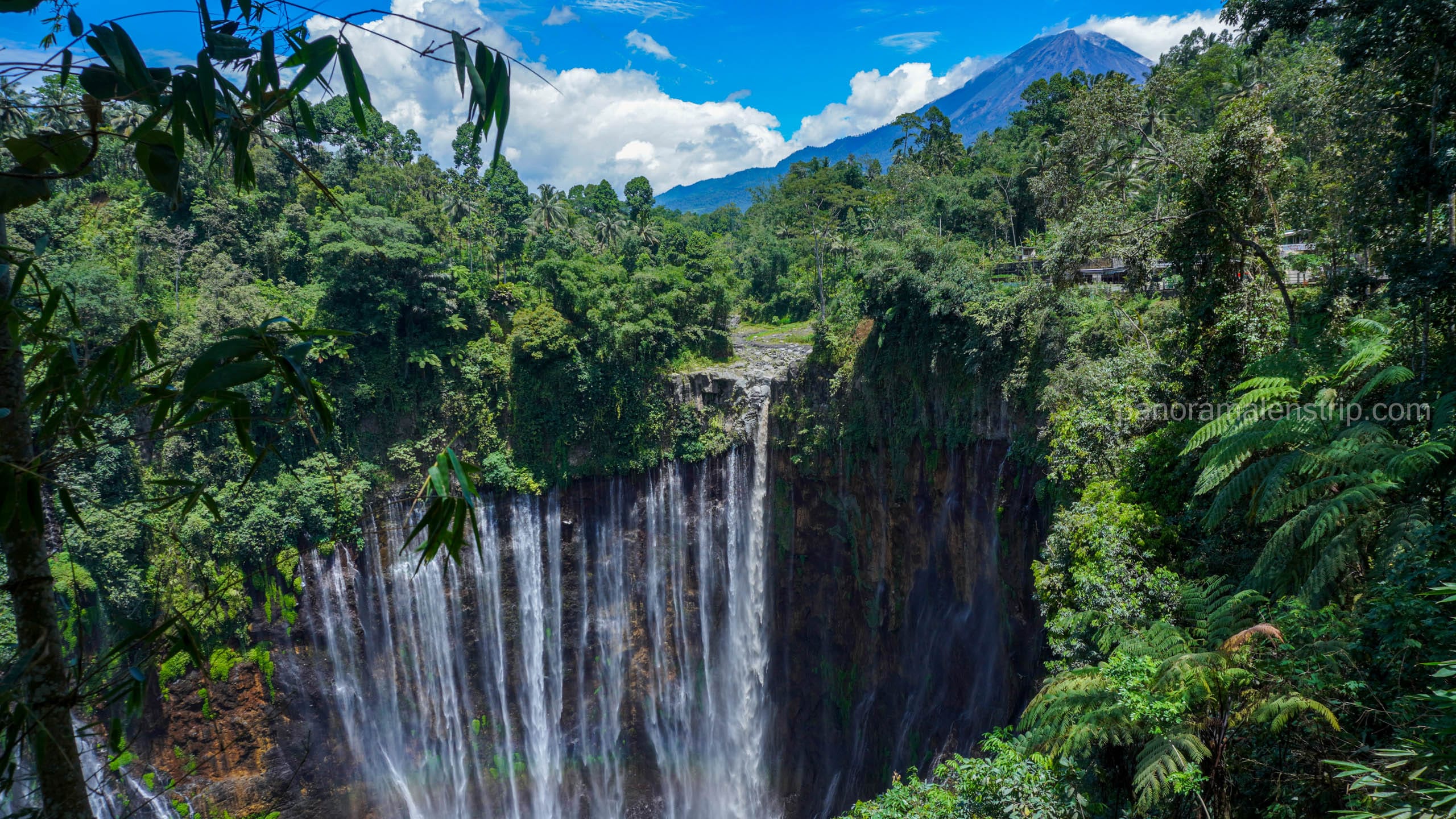
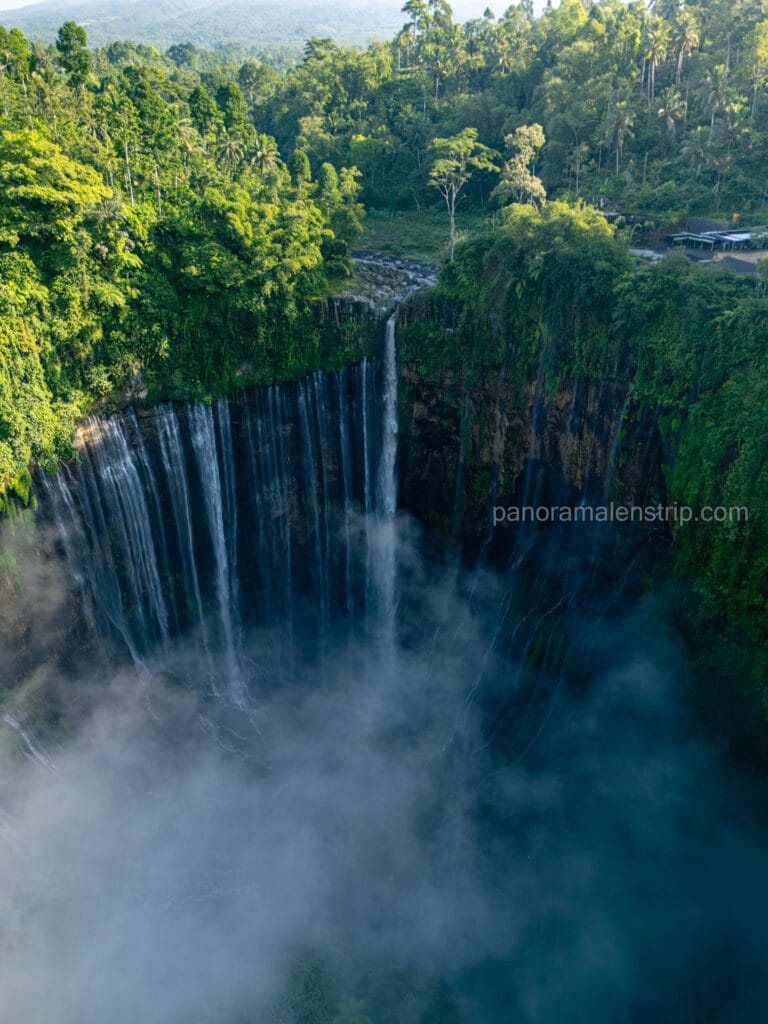
The Tumpak Sewu viewpoint is an elevated platform overlooking a 120-meter curtain waterfall in Lumajang Regency, East Java. It sits roughly 300 meters above the canyon floor. From this position, the full width of the waterfall spread is visible in a single frame. The East Java escarpment and surrounding jungle canopy form a layered, high-contrast backdrop. Most travel photographs of Tumpak Sewu — including those widely shared across photography publications — are captured from this exact position.
The platform is paved and accessible via a short, well-maintained path. Arriving visitors typically reach the viewpoint within 10–15 minutes of the entrance gate. Guardrails are present along the primary observation area. This makes it one of the most accessible natural viewpoints in all of Indonesia.
Who Is the Tumpak Sewu Viewpoint Best Suited For?
The viewpoint suits any traveler who prioritizes the iconic wide-angle composition over physical challenge. It is ideal for families, senior travelers, and visitors with limited mobility. A 16–35mm wide-angle lens captures the full curtain spread without distortion. Shooting in the early morning allows the soft, directional light to illuminate the waterfall face without harsh shadow bands. The viewpoint also works for videographers seeking stable, wide establishing shots of the canyon.
What Does Hiking to the Tumpak Sewu Base Actually Involve?
Trail Difficulty, Duration, and Physical Demands
The descent to the base of Tumpak Sewu is a moderate-to-hard hike. The trail drops steeply through jungle canopy along the Coban Sewu canyon wall. Rope-assisted sections are standard on the most technical parts of the descent. The trail surface is consistently wet, including exposed basalt rock and compacted clay. Round-trip hiking time is 3–5 hours, excluding photography stops at the Glidik River and cave formations.
Physical fitness requirements are real and non-negotiable. The ascent back to the rim is demanding, particularly after hours at the base. Local porters are available and highly recommended for camera gear weighing over 10 kilograms. All visitors should wear trail shoes with significant grip. Flip-flops and casual sneakers create a genuine injury risk on the descent.
Learn more: Tumpak Sewu Waterfall Hike: Full Guide
What You Gain at the Base That the Viewpoint Cannot Offer
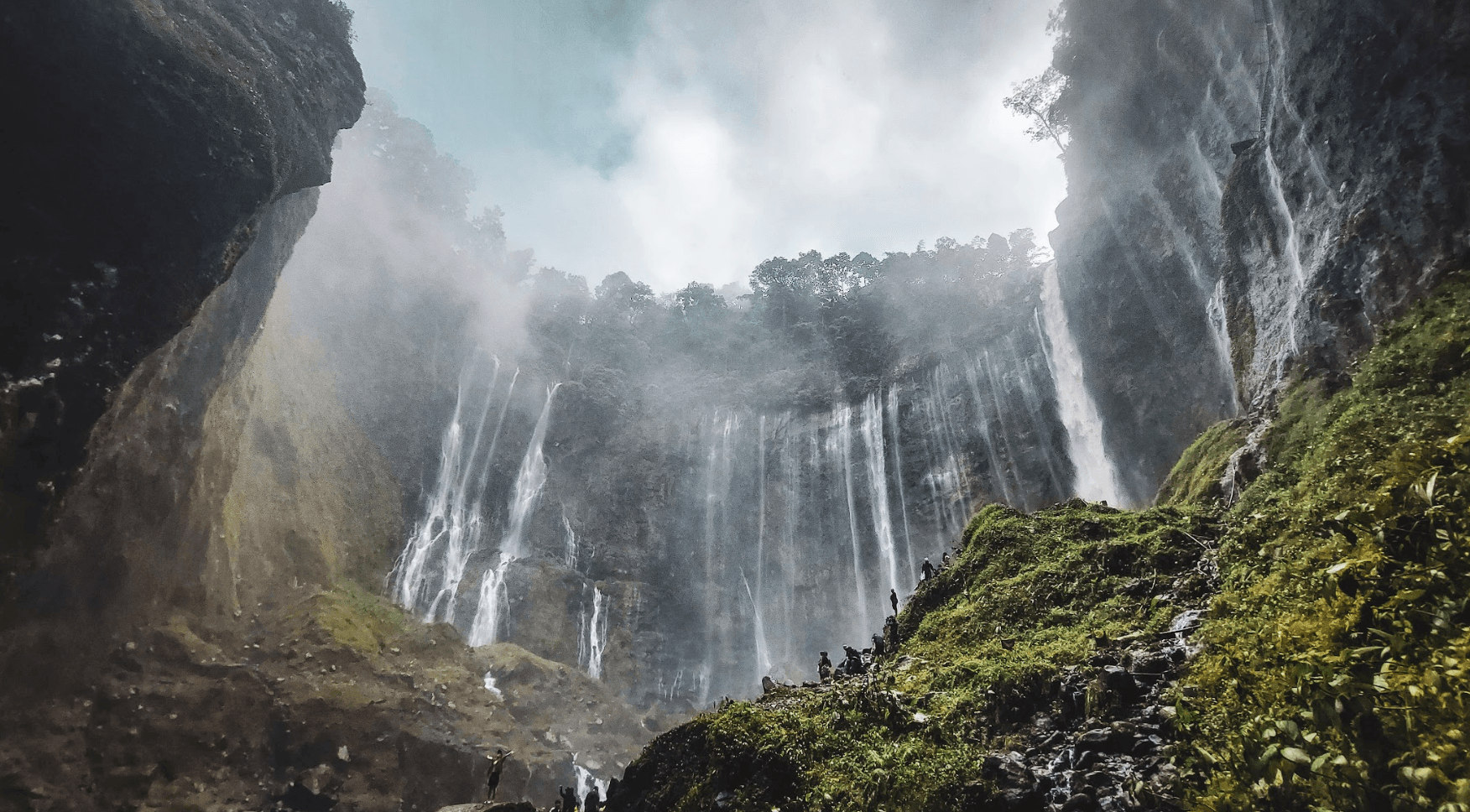
At the base, the waterfall scale becomes physically overwhelming rather than visually distant. The spray environment creates natural diffused light. This eliminates harsh highlights that challenge proper exposure at the viewpoint. Photographers gain access to multiple compositional angles, including lateral views, upward-facing perspectives, and close-range detail shots of the cascade hitting the canyon floor.
The cave behind the primary waterfall curtain is accessible only from the base trail. Shooting from inside the cave provides a natural frame around the full waterfall drop. Leading lines from the Glidik River guide the eye toward the cascade. This compositional richness is simply unavailable from the elevated platform above. Long-exposure photography at the base, using a polarizing filter and ND filter, produces silky waterfall textures with exceptional foreground detail.
Also read: Tumpak Sewu Waterfall Trekking Guide for First-Time Visitors
Tumpak Sewu Viewpoint vs Base: A Side-by-Side Comparison
Both options deliver genuine photographic value. The deciding factor is your physical capacity and creative intent. Use this table as a direct planning reference.
| Feature | Viewpoint | Base Trail |
|---|---|---|
| Difficulty | Easy | Moderate–Hard |
| Time Required | 30–60 minutes | 3–5 hours |
| Best For | Wide panoramic shots | Intimate, multi-angle compositions |
| Physical Fitness Required | Low — all levels | High — fit adults only |
| Ideal Lens | 16–35mm wide-angle | 24–70mm + ND filter |
| Accessibility | Families, all ages | Fit adults with proper footwear |
| Unique Photographic Element | Full curtain waterfall spread | Cave framing, river foreground, mist light |
| Crowd Level | High during peak hours | Moderate — fewer visitors reach the base |
| Entrance Fee (2025) | Included in main ticket | Same ticket — no additional cost |
| Recommended Tripod Use | Optional | Strongly recommended |
The viewpoint suits travelers who prioritize a reliable, publishable wide-angle composition within a short visit window. The base trail suits dedicated photography enthusiasts who want creative depth, compositional variety, and an immersive physical experience. Both can be completed in a single day with proper planning.
When Is the Best Time to Visit Tumpak Sewu — Viewpoint or Base?
Optimal Seasons for Water Flow and Visibility
The wet season — November through April — produces the highest water volume at Tumpak Sewu. During this period, the curtain waterfall spreads to its full width. The visual impact from the viewpoint is at its most dramatic. However, the base trail becomes significantly more treacherous in wet conditions. Jungle mist is heavier, which reduces sharp detail at long focal lengths but creates atmospheric mood in wide compositions.
The dry season — May through October — makes the base trail safer and more accessible. Water flow decreases, which some photographers prefer for controlled long-exposure work. The canyon walls are drier, creating more stable footing on the descent. Visibility from the viewpoint is sharper and more consistent during dry months.
Time of Day and the Light Window for Photographers
Golden hour begins at approximately 06:00 in East Java. The first light strikes the waterfall face directly between 06:30 and 08:00. This 90-minute window is the most productive shooting period at both locations. At the viewpoint, soft morning light avoids the high-contrast midday shadows that flatten the curtain’s texture. At the base, morning light filters through the jungle canopy and produces natural fill light within the canyon. After 09:30, direct sun creates strong highlights on the white water that require active management of the exposure triangle — shutter speed, aperture, and ISO must be balanced carefully to retain detail in the brightest zones.
What Do Experienced Photographers Say About Both Options?
This perspective reflects what our own data from client trip reviews confirms. Consistent compositional discipline at the viewpoint produces highly sharable, publication-ready images. The base rewards photographers who arrive with a specific creative brief rather than open-ended exploration.
📸 See what the golden hour actually looks like at Tumpak Sewu. Our Indonesia photography galleries show real images captured at both the viewpoint and the base — shot during genuine expeditions, not stock-photo recreations. Browse the gallery to see exactly what your morning shoot could produce before you finalize your itinerary.
Also read: Tumpak Sewu Photography Guide for Landscape Photographers
The Counter-Narrative: Is the Hike to the Base Actually Overrated?
The common assumption among photography travelers is clear: more effort equals better images. The base trail is longer, harder, and more technical — so it must be worth it. This assumption deserves direct scrutiny.
In our experience leading photography groups across East Java, approximately 6 in 10 clients identified their viewpoint images as their most widely published photographs from the Tumpak Sewu visit. The base produces creative variety, but also introduces significant technical challenges. Spray interference at close range affects lens clarity and requires constant sensor protection. The diffused mist light that creates beautiful atmosphere also reduces sharpness in long-focal-length shots. The physical exhaustion of the descent frequently affects a photographer’s patience and steadiness during the final hour at the base.
Furthermore, the base trail does not guarantee solitude. On peak season weekends, the canyon floor sees moderate foot traffic. The viewpoint, despite its reputation for crowds, empties significantly during the early morning golden hour window before tour groups arrive after 08:30.
The most honest assessment is this: the viewpoint produces more consistently usable images for a wider range of photographers. The base rewards those with specific compositional goals, strong physical fitness, and technical waterfall photography experience. Neither location is universally superior. The right choice depends entirely on your creative intent and physical capacity — not on which option sounds more adventurous.
How to Plan the Perfect Tumpak Sewu Itinerary Around Indonesia
Tumpak Sewu is one anchor point within a broader East Java photography circuit. The waterfall pairs naturally with Mount Bromo’s caldera at sunrise — a completely different topography, offering volcanic landscapes, golden hour light over the sea of sand, and wide-angle opportunities across the crater rim. Ijen Crater adds a third visual environment: the electric-blue sulfuric flames visible only before dawn, surrounded by turquoise acidic lake water.
Sempu Island and the southern coast of East Java extend the itinerary further into coastal and marine landscape photography. Travelers from Europe, the US, Australia, and Dubai typically combine East Java with Bali, Lombok, or Sumatra to create a multi-week Indonesian photography expedition. Each destination requires different gear priorities, different ideal seasons, and different shooting windows. A well-structured long day tour itinerary prevents wasted travel time and maximizes usable light at every location.
🗺️ Stop building your Indonesia itinerary from scratch. Our specialist team has mapped every photography window, transfer time, and seasonal variable across East Java, Bali, Lombok, and beyond. Book a free, no-obligation route consultation and walk away with a complete, personalized Indonesia photography itinerary — ready to confirm, with no pressure to commit on the call. Contact us now!
Frequently Asked Questions About the Tumpak Sewu Viewpoint and Base Trail
Is the Tumpak Sewu viewpoint worth visiting without doing the hike?
Yes. The Tumpak Sewu viewpoint delivers one of Indonesia’s most iconic waterfall panoramas. It requires minimal physical effort and suits all fitness levels. The wide-angle view of the full 120-meter curtain waterfall is a complete photographic experience on its own. The hike to the base adds creative depth but is not necessary for a rewarding visit.
How difficult is the trail to the base of Tumpak Sewu?
The base trail is rated moderate to hard. It involves steep descents, rope-assisted sections, and consistently wet terrain. Round-trip hiking time is 3–5 hours. Proper grip footwear is essential. The trail is not suitable for young children, senior travelers, or anyone with knee or ankle limitations.
What camera gear should I bring to Tumpak Sewu?
At the viewpoint, a 16–35mm wide-angle lens on a full-frame sensor produces optimal results. At the base, bring a 24–70mm zoom, a polarizing filter, and an ND filter (6-stop minimum) for long-exposure waterfall shots. A sturdy tripod is strongly recommended at the base. Bring sealed dry bags for all camera equipment — spray and humidity are significant at both locations.
Can I visit both the viewpoint and the base in one day?
Yes, but planning is critical. Begin at the viewpoint during the golden hour window (06:00–08:30). Descend to the base immediately after. Allow 3–5 hours for the full base experience. Return to the rim by early afternoon to avoid the heat of the mid-afternoon ascent. Total time commitment is 5–7 hours, excluding travel to and from the entrance gate.
What is the entrance fee for Tumpak Sewu in 2025?
The standard entrance fee covers access to both the viewpoint platform and the base trail descent. No additional fee applies for the trail. Parking and local guide fees are typically charged separately. Rates are set by the local village cooperative and are subject to seasonal adjustment. Confirm current rates with your tour operator before arrival.
Is Tumpak Sewu suitable for beginner hikers?
The viewpoint is fully suitable for beginners. The base trail is not recommended for those without prior hiking experience. Beginner hikers who wish to descend should engage a local guide and should not carry heavy camera equipment without porter support. The rope sections require basic upper-body strength and comfort with exposed, steep terrain.
Conclusion
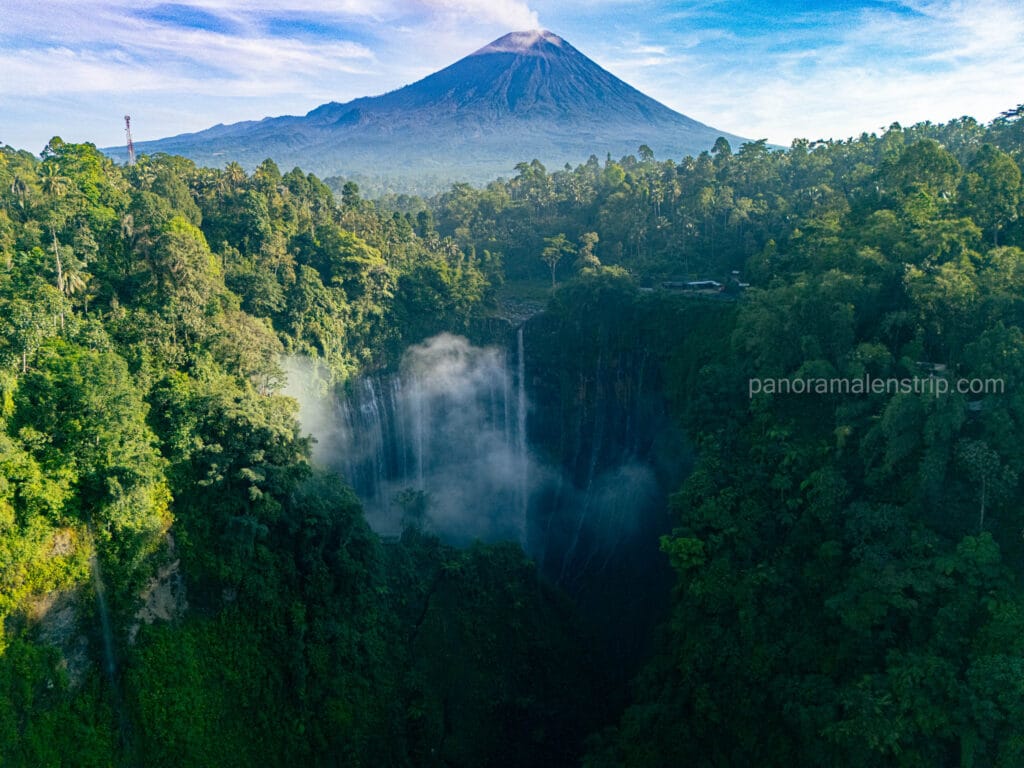
The Tumpak Sewu viewpoint and the base trail are two distinct photographic and physical experiences. They share the same waterfall but offer fundamentally different creative outcomes. The viewpoint is accessible, reliable, and produces iconic wide-angle compositions that consistently perform across photography publications. The base trail is demanding, immersive, and rewards photographers who arrive with specific creative goals and genuine physical preparedness.
Neither option is objectively superior. The right choice is the one that aligns with your fitness level, your creative intent, and your available time. Panorama Lens Trip has guided photographers through both routes across all seasons. We know which light window works, which gear to carry, and how to build an East Java itinerary that maximizes every available hour of productive shooting light.
Also read: Tumpak Sewu Waterfall: Complete Travel & Photo Guide