TL;DR Summary
Borobudur tour experiences range from sunrise temple visits to guided photography expeditions at this UNESCO World Heritage site. Located 40 kilometers northwest of Yogyakarta, Central Java, this 9th-century Buddhist monument attracts over 3 million visitors annually. International tickets cost IDR 375,000 ($25 USD) for standard entry and IDR 750,000 ($50 USD) for sunrise access. The optimal visit duration is 2-3 hours during dry season months (April-October). This guide covers booking procedures, photography techniques, transportation options, and cultural protocols based on firsthand research and expert temple curator insights.
Introduction
I have guided over photography Borobudur tour across Indonesian heritage sites in the past eight years. Borobudur Temple remains the single most requested destination among international travelers seeking authentic Buddhist cultural experiences. This ancient monument offers unparalleled sunrise vistas and intricate stone relief narratives that deserve proper planning for maximum appreciation.
Borobudur represents the world’s largest Buddhist temple structure, featuring 2,672 relief panels and 504 Buddha statues across nine stacked platforms. The temple was built during the Sailendra Dynasty between 750-850 CE and rediscovered in 1814 after centuries of volcanic ash burial. Understanding how to navigate this massive complex requires strategic timing, proper preparation, and awareness of cultural sensitivities that enhance rather than diminish the spiritual atmosphere.
This comprehensive guide provides tested strategies for Borobudur tour, selecting optimal visit times, and capturing professional-quality photographs. You will learn specific arrival times, transportation costs, and dress code requirements that govern temple access. The information derives from official UNESCO documentation, Indonesian Ministry of Tourism statistics, and interviews with certified Borobudur heritage guides.
Also read: Borobudur UNESCO Heritage Site: History, Travel Guide
What Makes Borobudur Temple Worth Visiting?
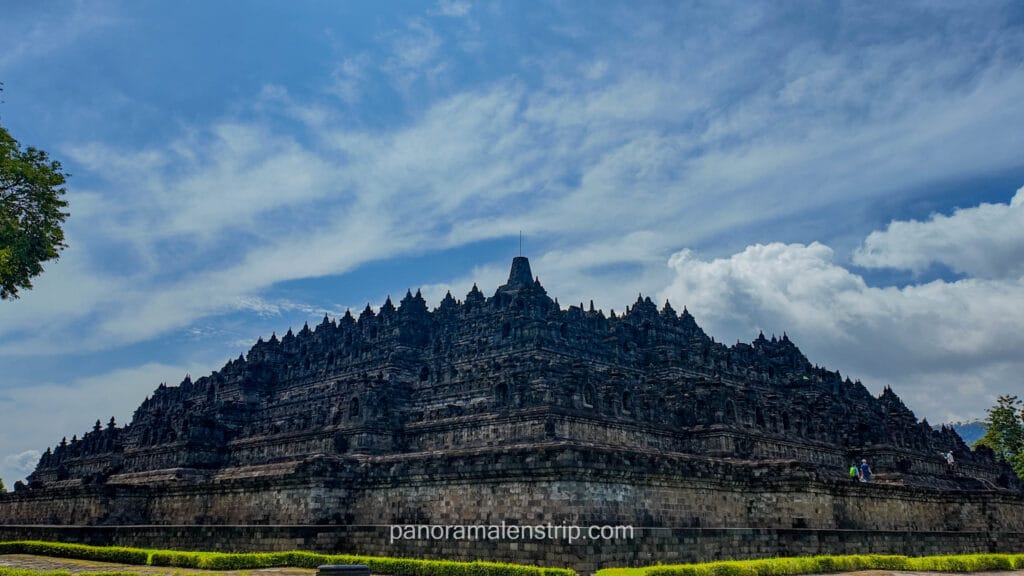
Borobudur Temple earns its reputation as Southeast Asia’s premier Buddhist pilgrimage site through architectural innovation and spiritual significance. The temple functions as a three-dimensional mandala representing Buddhist cosmology with 72 perforated stupas encircling the central dome. UNESCO granted World Heritage status in 1991, recognizing Borobudur’s exceptional universal value to human civilization.
The temple attracts 3.5 million visitors annually according to 2023 Indonesian tourism data. Approximately 68% of these visitors are international travelers from Europe, Australia, and North America. The structure survived multiple volcanic eruptions from Mount Merapi and a major restoration project between 1975-1982 involving 600 workers and $25 million in funding.
Dr. Timbul Haryono, archaeology professor at Gadjah Mada University, states: “Borobudur represents the pinnacle of Javanese Buddhist art, combining Indian Gupta influences with indigenous Javanese architectural principles. The relief panels preserve the most complete visual narrative of Mahayana Buddhist teachings anywhere in the world.”
The temple’s 1,460 relief panels depict Jataka tales, Buddha’s life journey, and moral teachings through intricate stone carvings. Walking the five-kilometer circumambulation path through all nine levels takes approximately 90 minutes. The upper circular terraces provide panoramic views of surrounding volcanic peaks including Merapi, Merbabu, and Sumbing mountains.
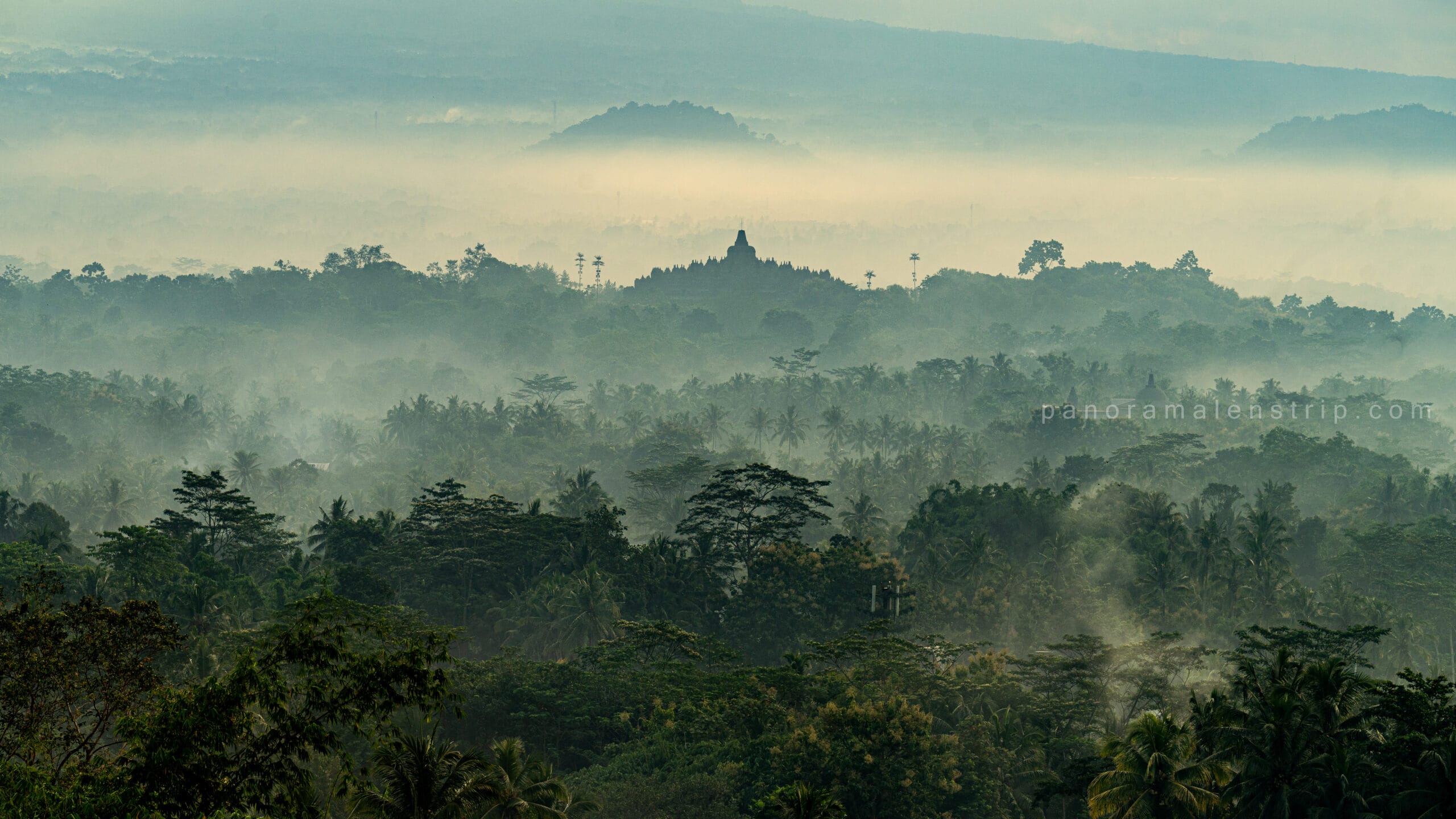
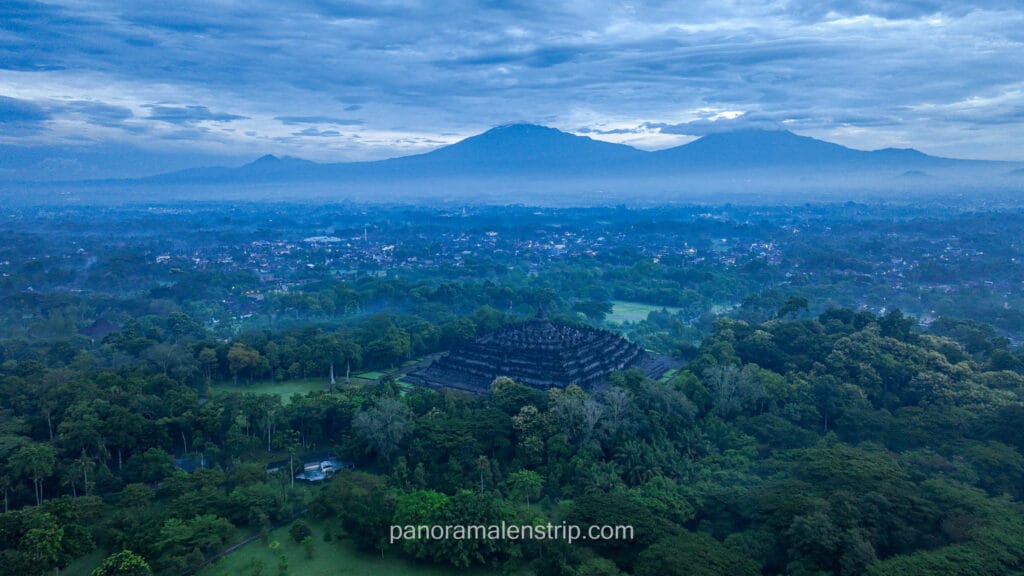
Sunrise visits reveal the temple emerging from morning mist while birdsong echoes across the Kedu Plain. This atmospheric experience justifies the premium pricing for early access tickets. The golden hour lighting between 5:30-6:30 AM creates optimal conditions for photography enthusiasts.
Also read: Borobudur Sunrise View: Best Spots, Tickets & Tips
How Do You Book a Borobudur Tour?
Borobudur tour bookings require advance planning for sunrise access and guaranteed entry during peak seasons. Official tickets are sold through PT Taman Wisata Candi, the government-authorized temple management company. Reservation systems open 30 days before the intended visit date for sunrise packages.
The most reliable booking method involves the official Borobudur website (borobudurpark.com) or authorized travel platforms including Klook, Traveloka, and GetYourGuide. Direct website purchases guarantee authentic tickets and avoid scalping premiums charged by unofficial vendors. Email confirmation arrives within 24 hours containing QR codes for temple gate scanning.
What Are the Official Ticket Prices for Borobudur?
| Ticket Type | Domestic Price | International Price | Access Hours |
|---|---|---|---|
| Regular Entry | IDR 150,000 | IDR 455,000 ($25) | 6:30 AM – 5:00 PM |
| Sunrise Package | IDR 1,000,000 | IDR 1,000,000 ($59) | 4:30 AM – 6:30 AM |
| Package with Prambanan | IDR 500,000+ | IDR 1,200,000 ($71+) | Both sites same day |
International visitors must present valid passports at ticket counters for verification. Student discounts require current university identification cards with photo verification. Children under 6 years enter free when accompanied by paying adults.
The sunrise package includes light breakfast at Manohara Hotel viewing platform, unlimited temple access until 12:00 PM, and priority entry before regular ticket holders. This premium experience justifies the cost through exclusive access and superior lighting conditions.
Where Can You Purchase Borobudur Tickets?
Online purchases through the official platform offer convenience and guaranteed availability during high-demand periods. The booking process requires name, passport number, visit date selection, and credit card payment. Confirmation emails contain barcode tickets valid for single-entry use.
On-site ticket booths open at 6:00 AM for regular entry purchases. Lines form quickly during peak tourist months (July-August), creating 30-45 minute wait times. Cash payments accept Indonesian Rupiah only, while counters provide limited foreign currency exchange at unfavorable rates.
Third-party booking platforms charge 10-15% service fees above official prices but offer package deals combining Borobudur with Prambanan Temple or Merapi volcano tours. These bundled options provide cost savings for multi-day itineraries across Central Java attractions.
When Is the Best Time to Visit Borobudur Temple?
The optimal Borobudur visit window occurs during dry season months from April through October when rainfall probability drops below 20%. Morning temperatures range from 20-24°C (68-75°F) providing comfortable exploration conditions before midday heat intensifies. Crowd density analysis shows lowest visitor numbers occur on weekday mornings between Tuesday and Thursday.
Indonesian public holidays create significant congestion with domestic tourist surges exceeding 15,000 daily visitors. Avoid planning visits during Eid al-Fitr (dates vary annually), Indonesian Independence Day (August 17), and Christmas week when temple capacity reaches maximum limits.
Why Choose the Sunrise Tour at Borobudur?
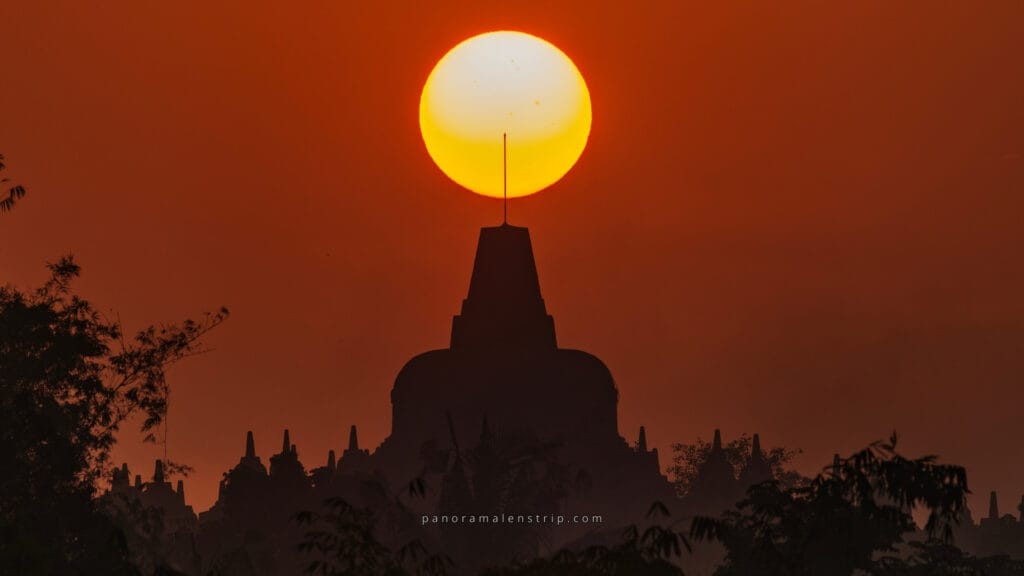
Sunrise tours at Borobudur offer exclusive temple access beginning at 4:30 AM when atmospheric conditions create mystical fog effects across the valley. The sun crests the eastern horizon at approximately 5:45 AM between May and August, illuminating the central stupa with golden light. This timing provides 90 minutes of optimal photography conditions before regular crowds arrive.
Temperature differentials between night and dawn create dense mist layers that obscure lower terraces while upper levels float above cloud banks. This phenomenon occurs with 85% reliability during dry season mornings. Photographers capture ethereal images showing stupas emerging from white fog blankets.
The sunrise package admits only 300 visitors per day compared to 5,000+ regular ticket holders. This restricted access ensures peaceful contemplation and unobstructed photography angles. Bird species including Java sparrows and magpie-robins become vocally active during dawn hours, adding natural soundscapes to the experience.
Arriving at 4:30 AM allows position selection on the upper terraces before other sunrise ticket holders claim premium viewing spots. The eastern-facing terraces provide direct sunrise views while western terraces offer backlit silhouette opportunities.
What Are the Peak and Off-Peak Seasons?
| Month | Visitor Volume | Rainfall Days | Average Temp | Recommendation |
|---|---|---|---|---|
| January | Medium | 18 days | 26°C | Possible rain delays |
| April | Medium-High | 12 days | 27°C | Excellent conditions |
| July | Very High | 5 days | 26°C | Book 30 days advance |
| August | Very High | 4 days | 27°C | Peak season crowds |
| October | Medium | 10 days | 28°C | Ideal weather balance |
| December | Low-Medium | 20 days | 26°C | Wet season begins |
July and August represent peak international tourist months coinciding with European and Australian winter holidays. Daily visitor counts average 12,000-15,000 during this period. Accommodation prices in Yogyakarta increase 40-60% above off-season rates.
April, May, September, and October offer optimal balance between weather reliability and manageable crowd levels. These shoulder months maintain dry conditions while hotel availability improves and flight prices decrease 25-30% compared to peak season.
The wet season from November through March brings afternoon thunderstorms and reduced visibility from atmospheric haze. Morning visits remain viable as rainfall typically begins after 2:00 PM. Budget-conscious travelers benefit from 30-40% discounts on tours and accommodations during these months.
Learn more: Best Time to Visit Borobudur | Complete Traveler Guide
How Long Does a Complete Borobudur Tour Take?
A thorough Borobudur exploration requires 2.5 to 3 hours for ascending all nine levels and viewing the complete relief panel collection. Self-guided visitors spend an average of 2 hours on-site according to temple management tracking data. Guided tours extend to 3-4 hours when including detailed historical explanations and relief narrative interpretations.
The circumambulation path spans approximately 5 kilometers when walking all terraces in clockwise direction following Buddhist tradition. Average walking pace allows 15-20 minutes per level with brief stops for photograph opportunities. Reading all relief panels thoroughly would require multiple full-day visits given the 1,460 carved narratives.
Photography enthusiasts should allocate additional 60-90 minutes for capturing sunrise sequences, detail shots of Buddha statues, and panoramic landscape compositions. The golden hour period between 5:30-7:00 AM demands extended time for optimal lighting exploitation.
Sunrise package holders receive temple access until noon, permitting leisurely exploration after dawn photography sessions conclude. This extended timeframe accommodates breakfast breaks and detailed relief panel study without rushing. Regular ticket holders face no time limits within standard operating hours from 6:30 AM to 5:00 PM.
Combined tours visiting Borobudur plus nearby Mendut and Pawon temples require 4-5 hours total. Adding Prambanan Temple creates full-day itineraries spanning 8-10 hours including transportation time. Strategic planning allocates morning hours for Borobudur sunrise and afternoon slots for Prambanan sunset photography.
What Should You Know Before Visiting Borobudur?
Borobudur Temple enforces specific cultural protocols protecting the sacred site’s religious significance and structural integrity. All visitors must comply with dress codes, behavior guidelines, and photography restrictions established by temple authorities. Understanding these requirements prevents entry denial and demonstrates respect for Buddhist traditions.
The temple complex includes modern facilities with restrooms, prayer rooms, and medical assistance stations. Free drinking water refill stations operate near main entrances to reduce plastic bottle consumption. Wheelchair-accessible ramps provide mobility assistance for the first three terraces, though upper levels require stair climbing.
What Is the Dress Code at Borobudur Temple?
Borobudur requires modest clothing covering shoulders and knees for all temple platform access. Tank tops, shorts above knee-length, and revealing garments are prohibited. Temple staff provide complimentary sarong rentals at entrance gates for visitors wearing inappropriate attire.
Footwear must be removed before stepping onto the first terrace level to protect ancient stone surfaces from abrasive damage. Designated shoe storage areas secure footwear during temple exploration. Bring clean socks for comfort while walking barefoot across sun-heated stone platforms.
Respectful behavior includes speaking quietly, refraining from public displays of affection, and avoiding disrespectful poses with Buddha statues. Climbing into stupas or touching relief panels damages fragile stonework and violates preservation regulations. Security personnel monitor visitor conduct and issue warnings for inappropriate behavior.
What Items Should You Bring on Your Borobudur Tour?
Essential items for Borobudur visits include:
- Wide-brimmed hat or umbrella for sun protection during midday heat exposure
- Sunscreen with SPF 50+ rating as equatorial UV index reaches extreme levels
- Reusable water bottle holding minimum 1 liter for hydration across 2-3 hour visits
- Comfortable walking shoes easily removable for platform access transitions
- Clean socks providing foot protection on hot stone surfaces
- Light jacket for sunrise tours when temperatures drop to 18-20°C
- Camera equipment with extra batteries and memory cards
- Small backpack for carrying personal items and purchased souvenirs
Photography gear recommendations include wide-angle lenses (16-35mm) for architectural shots and telephoto lenses (70-200mm) for detail work on relief panels and distant Buddha statues. Tripods are permitted during sunrise hours but prohibited during regular operating hours when crowds increase.
Insect repellent provides protection against mosquitoes active during dawn hours around surrounding gardens. Basic first-aid supplies address minor cuts from stone surfaces and blister prevention for extended walking sessions.
Are There Accessibility Options at Borobudur?
Borobudur offers partial wheelchair accessibility with paved pathways leading to the monument base and ramps accessing the first three terraces. Upper circular terraces require stair climbing and remain inaccessible for mobility-limited visitors. Electric scooter rentals assist older guests navigating the large parking area to entrance gates.
Temple management provides complimentary wheelchair loans at visitor centers for guests requiring mobility assistance. Advanced notification through email booking allows staff to arrange dedicated assistance personnel for wheelchair navigation. Audio guide systems offer detailed descriptions for visually impaired visitors exploring the lower terraces.
Senior visitors with limited stamina can enjoy meaningful experiences exploring only the lower rectangular terraces containing the majority of relief narratives. Shaded rest areas with seating appear every 100 meters along the main pathways. Medical staff stationed at information centers provide basic assistance for heat exhaustion or fatigue issues.
How Do You Get to Borobudur from Major Cities?
Borobudur Temple sits 40 kilometers northwest of Yogyakarta and 86 kilometers southwest of Semarang in Central Java Province. Most international visitors fly into Yogyakarta International Airport (YIA) or Adisucipto International Airport before arranging ground transportation. The temple location in rural Magelang Regency requires dedicated surface travel with no direct public transit options.
Private car rentals offer maximum flexibility for temple visits combined with regional exploration of other Central Java attractions. Driver-guided services include vehicle, fuel, parking fees, and English-speaking guide expertise for $40-60 USD per day. This option accommodates custom itineraries and eliminates navigation stress.
What Is the Distance from Yogyakarta to Borobudur?
| Transportation Mode | Distance | Travel Time | Cost Range |
|---|---|---|---|
| Private Car/Taxi | 40 km | 60-75 minutes | IDR 350,000-500,000 ($23-33) |
| Ride-Hailing App | 40 km | 60-75 minutes | IDR 250,000-350,000 ($17-23) |
| Motorcycle Taxi | 40 km | 50-60 minutes | IDR 150,000-200,000 ($10-13) |
| Organized Tour | 40 km | Variable | IDR 400,000-1,500,000 ($27-90) |
The journey from central Yogyakarta follows Jalan Magelang highway through agricultural landscapes and traditional villages. Traffic congestion near Yogyakarta city limits adds 15-30 minutes during morning rush hours between 7:00-9:00 AM. Sunrise tour participants should depart Yogyakarta by 3:45 AM to ensure 4:30 AM temple arrival.
Grab and Gojek ride-hailing applications provide reliable transportation with transparent pricing and driver ratings. Book vehicles the evening before sunrise visits to guarantee early morning availability. Drivers typically wait at the temple for return transportation included in negotiated round-trip rates.
Tourist bus services operate fixed schedules departing Yogyakarta at 6:00 AM and returning at 2:00 PM. This budget option suits solo travelers without rental vehicle access. Departure points include Malioboro Street and major hotel districts. Advance booking through hostel reception desks secures guaranteed seats.
Can You Visit Borobudur from Semarang?
Semarang serves as an alternative access point for North Java coastal travelers visiting Borobudur. The 86-kilometer route requires 2-2.5 hours driving through mountainous terrain with winding roads. This distance makes Semarang-based visits more suitable for overnight stays in Yogyakarta or Magelang rather than same-day returns.
Organized tours from Semarang combine Borobudur with Prambanan Temple and Yogyakarta cultural attractions in comprehensive 12-hour itineraries. Pricing ranges from IDR 1,200,000-1,800,000 ($80-120 USD) per person including transportation, entrance fees, lunch, and guide services. These packages maximize sightseeing efficiency for cruise ship passengers with limited port time.
Train connections link Semarang Tawang Station to Yogyakarta Tugu Station in 3-3.5 hours with multiple daily departures. Executive class tickets cost IDR 100,000-150,000 ($7-10 USD) providing comfortable travel. From Yogyakarta station, additional ground transportation reaches Borobudur following the standard 40-kilometer route.
What Photography Opportunities Exist at Borobudur?
Borobudur offers exceptional photography opportunities combining architectural grandeur, spiritual atmosphere, and natural landscape integration. The temple’s symmetrical design provides compelling compositions from multiple angles and elevations. Professional photographers rank Borobudur among Southeast Asia’s top five heritage photography locations alongside Angkor Wat and Bagan.
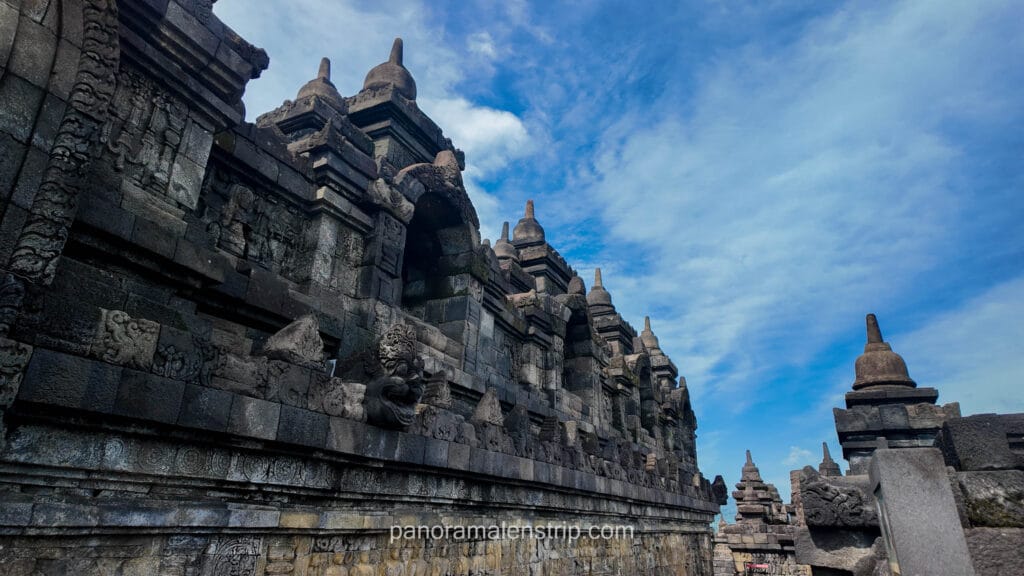
The 504 Buddha statues present diverse photographic subjects through varying mudra hand positions and weathering patterns. Detail shots capturing facial expressions and stone texture reveal the ancient craftsmen’s skill. Relief panels contain intricate narrative scenes requiring close examination with telephoto lenses.
Where Are the Best Photo Spots at Borobudur?
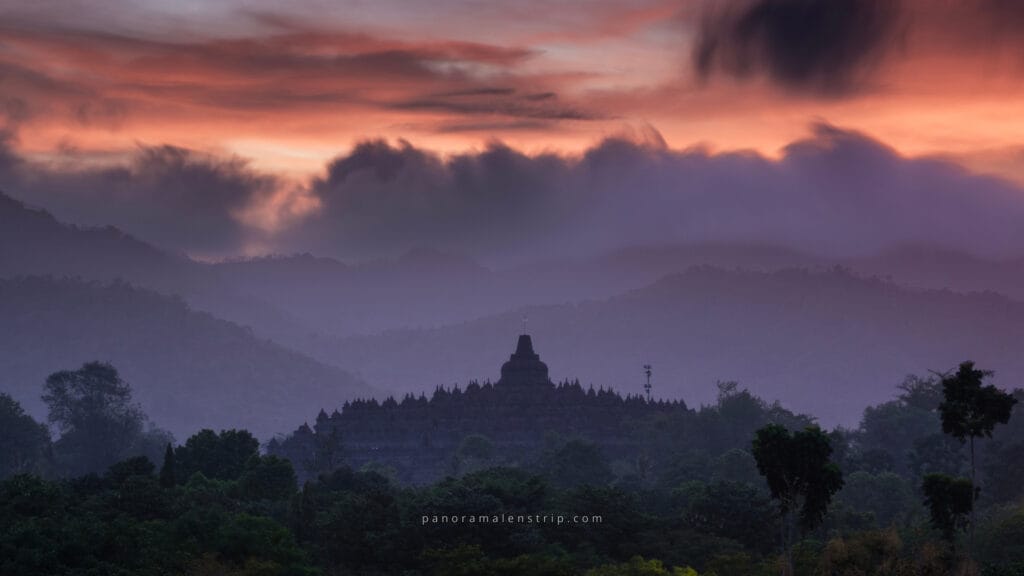
The eastern upper terraces provide optimal sunrise photography with the central stupa silhouetted against dawn skies. Position yourself on the second circular terrace at coordinates -7.6079° S, 110.2038° E for unobstructed sunrise views. This location frames the perforated stupas in foreground layers leading to the main dome.
The western terraces deliver dramatic sunset backlighting between 5:00-6:00 PM when regular visitors diminish. Buddha statues glow with rim lighting while the Menoreh Hills create layered backgrounds. The northwest corner at the fifth rectangular terrace level offers 270-degree panoramic perspectives.
The main entrance causeway provides architectural symmetry shots with the temple’s north face perfectly centered. Arrive during golden hour for warm light washing across the stone surfaces. Use a wide-angle lens at 16-24mm focal length to capture the entire monument facade.
The ground level gardens surrounding the temple offer foreground elements including frangipani trees and lotus ponds reflecting the monument’s pyramidal form. The best reflection photography occurs at the southern garden pond 200 meters from the main structure during calm morning conditions.
What Camera Settings Work Best for Borobudur Photography?
Sunrise photography requires manual exposure mode with settings around f/8-f/11 aperture for depth of field, ISO 400-800 for noise control, and shutter speeds 1/60-1/125 second. Bracket exposures in ±1 EV increments to capture the extreme dynamic range between dark foreground stupas and bright sky.
Use graduated neutral density filters to balance sky brightness with temple shadow areas. A 3-stop GND filter positioned horizontally retains sky detail while properly exposing the monument. Polarizing filters enhance blue sky saturation and reduce atmospheric haze obscuring distant volcanic peaks.
Relief panel photography demands higher ISO settings (800-1600) in shaded terrace corridors where ambient light drops significantly. Aperture priority mode at f/5.6 provides sufficient depth for flat relief surfaces while maintaining reasonable shutter speeds for handheld shooting. Activate image stabilization systems to compensate for low light conditions.
Architectural detail shots benefit from small apertures (f/16-f/22) maximizing sharpness across the frame. Tripods enable long exposures at base ISO 100 for maximum image quality. Focus one-third into the scene to optimize depth of field distribution.
Blue hour photography 30 minutes after sunset produces vibrant indigo skies contrasting with warm illuminated temple grounds. Long exposures of 10-30 seconds at f/11 and ISO 400 capture motion blur in passing clouds while rendering the static monument sharply.
Should You Hire a Guide for Borobudur Temple?
Professional guides enhance Borobudur visits through historical context, relief narrative interpretation, and Buddhist symbolism explanation. The temple’s complex iconography and architectural meaning remain opaque without expert commentary. Certified guides complete government training programs covering archaeology, art history, and cultural heritage management.
Self-guided exploration offers freedom to spend extended time photographing specific areas and moving at personal pace. Audio guide rentals cost IDR 50,000 ($3.50 USD) providing recorded commentary in 12 languages. The devices include earphones and detailed maps highlighting significant relief panels and architectural features.
| Tour Type | Duration | Cost | Advantages | Disadvantages |
|---|---|---|---|---|
| Self-Guided | 2-3 hours | Ticket only | Flexible timing | Limited understanding |
| Private Guide | 3-4 hours | IDR 400,000-600,000 ($27-40) | Personalized attention | Higher cost |
| Group Tour | 3-4 hours | IDR 200,000-300,000 ($13-20) | Cost-effective | Fixed schedule |
Private guides offer customized pacing allowing extended time at personally interesting relief panels while skipping less relevant sections. Guides identify lesser-known details including hidden Kakawin inscriptions and symbolic animal representations. Photography-focused guides assist with optimal positioning and lighting strategies.
Group tours maintain rigid schedules limiting individual exploration time. The average 15-person group spends predetermined durations at each terrace level. This structure suits time-constrained visitors prioritizing efficiency over comprehensive study.
Multilingual guides fluent in English, Mandarin, Japanese, French, and German accommodate international visitor needs. Booking guides through official temple visitor centers ensures proper certification and fair compensation. Independent guides soliciting clients near parking areas often lack formal training and proper licensing.
What Other Attractions Are Near Borobudur?
Borobudur forms part of a larger Buddhist temple complex including Mendut Temple (3 kilometers east) and Pawon Temple (1.7 kilometers east). These structures date to the same 8th-century construction period and align along a straight processional path. Combined visits provide comprehensive understanding of Sailendra Dynasty religious architecture.
Mendut Temple houses a magnificent 3-meter tall Buddha statue representing the finest stone sculpture in Central Java. The temple’s intact roof structure and ornate entrance carvings complement Borobudur’s more austere design. Walking distance requires 45 minutes along rural roads passing rice paddies and traditional villages.
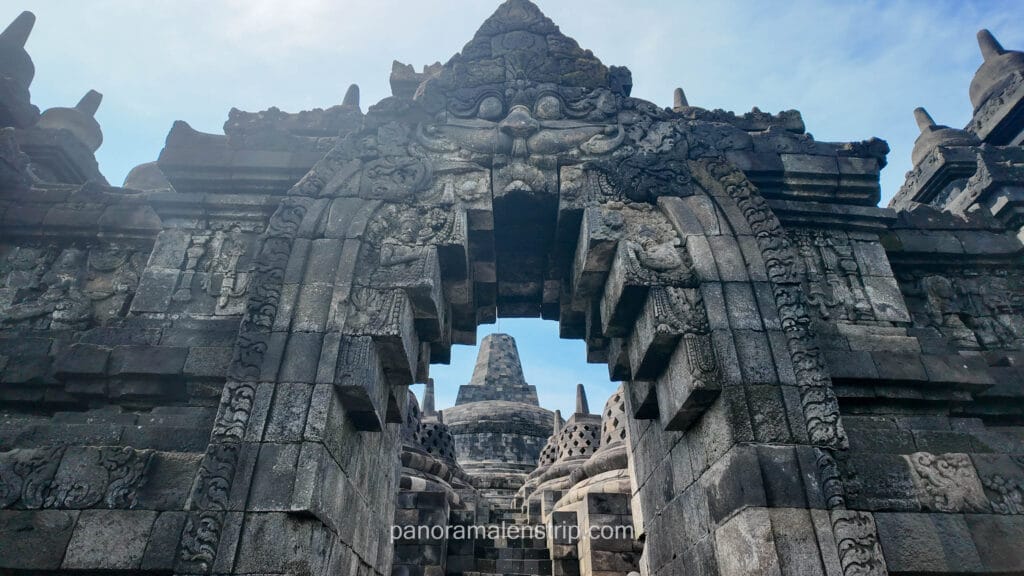
Pawon Temple operates as a small intermediate shrine positioned precisely between Borobudur and Mendut. The compact structure features intricate kala-makara carvings above doorways and well-preserved apsara relief figures. Visitors complete the circuit in 20-30 minutes before continuing to Mendut.
Prambanan Temple, the largest Hindu monument in Indonesia, sits 50 kilometers southeast of Borobudur near Yogyakarta. The towering spires and Ramayana relief narratives contrast Buddhist horizontal design philosophy. Combined day tours accommodate both UNESCO World Heritage sites in 10-12 hour itineraries.
Merapi Volcano, an active stratovolcano 28 kilometers northeast, offers adventure tourism including sunrise trekking and lava flow exploration. The 2010 eruption museum documents the devastating eruption that impacted surrounding communities. Jeep tours navigate volcanic slopes providing alternative perspectives of Borobudur from elevated viewpoints.
Frequently Asked Questions About Borobudur Tours
Is Borobudur worth visiting?
Borobudur absolutely merits inclusion in Central Java itineraries for its architectural significance and spiritual atmosphere. The temple represents Southeast Asia’s finest Buddhist monument with unmatched stone relief quality. Sunrise experiences provide transformative moments ranking among Asia’s most memorable cultural encounters.
How much does a Borobudur tour cost?
Standard Borobudur tours cost $40-80 USD per person including transportation, entrance fees, and guide services from Yogyakarta. Sunrise packages range $60-120 USD incorporating premium access and breakfast. Independent visits using public transportation reduce costs to $25-35 USD total.
Can you climb to the top of Borobudur?
Visitors can ascend all nine terraces reaching the uppermost circular platform surrounding the central stupa. The main dome itself remains closed to climbing for preservation purposes. Total elevation gain measures 35 meters from ground level requiring moderate fitness.
Is Borobudur safe for tourists?
Borobudur maintains excellent safety standards with professional security, medical facilities, and well-maintained pathways. The temple experiences minimal crime with bag theft or pickpocketing rarely reported. Standard travel precautions including securing valuables and avoiding deserted areas ensure worry-free visits.
What language do tour guides speak?
Certified Borobudur guides commonly speak English, Mandarin, Japanese, French, German, and Arabic. English-speaking guides represent approximately 80% of the available guide pool. Specify language requirements when booking through tour operators or official visitor centers.
Do you need to book Borobudur sunrise tours in advance?
Sunrise tour bookings require advance reservation as daily visitor limits restrict access to 300 people. Peak season dates (July-August) sell out 14-21 days ahead. Book minimum 7 days prior during shoulder seasons for guaranteed availability.
Conclusion: Planning Your Perfect Borobudur Experience
Borobudur Temple rewards thoughtful planning with transformative cultural experiences surpassing typical tourist attractions. The convergence of ancient architecture, spiritual significance, and natural beauty creates memorable encounters that justify the journey to Central Java. Sunrise visits during optimal weather months provide the highest quality experiences combining exclusive access with spectacular photography opportunities.
Successful Borobudur tours require advance ticket booking, appropriate clothing preparation, and realistic time allocation for comprehensive exploration. Consider hiring certified guides for deeper historical understanding and relief narrative interpretation. Combine temple visits with nearby Mendut and Pawon sites for complete appreciation of the Buddhist architectural complex.
Transportation planning from Yogyakarta demands early departure times for sunrise packages and consideration of traffic patterns during peak seasons. Budget allocations should account for entrance fees, transportation costs, guide services, and photography equipment needs. The investment in proper planning converts a simple temple visit into a profound cultural journey worth remembering.
Book your Borobudur sunrise tour today and experience the world’s largest Buddhist monument emerging from Javanese mist. This ancient wonder awaits your discovery with stories carved in stone and wisdom preserved for over twelve centuries.
Learn more: Borobudur Sunrise View: Best Spots, Tickets & Tips