TL;DR Summary
A Yogyakarta tour offers access to UNESCO World Heritage temples (Borobudur, Prambanan), active volcanoes (Mount Merapi), royal Javanese culture at Kraton Palace, and diverse photography opportunities. Located in Central Java, Indonesia, Yogyakarta serves as Indonesia’s cultural capital with 8th-century monuments, traditional batik workshops, street food markets, and luxury boutique hotels. Tours range from 3-day cultural explorations to 7-day comprehensive photography expeditions.
Introduction
Yogyakarta tour experiences rank among Southeast Asia’s most culturally significant travel destinations. I have guided photography groups through Central Java for eight years. The region concentrates more UNESCO heritage sites within 50 kilometers than any comparable Indonesian destination. Travelers encounter 1,200-year-old Buddhist monuments, active volcanic landscapes, and living royal traditions. The combination creates unparalleled opportunities for cultural immersion and photography.
What Is a Yogyakarta Tour and Why Visit Indonesia’s Cultural Capital?
A Yogyakarta tour is a curated travel experience exploring Central Java’s cultural heritage, including UNESCO temples, royal palaces, volcanic landscapes, and traditional arts. Yogyakarta serves as Indonesia’s cultural capital due to its preserved Javanese traditions, 1,200-year-old monuments, active sultanate, and concentration of historical sites within a 50-kilometer radius.
Yogyakarta occupies a strategic position in Central Java between two active volcanoes. Mount Merapi stands 30 kilometers north while the Indian Ocean borders the south. The region remains Indonesia’s only sultanate maintaining governmental authority. Sultan Hamengkubuwono X serves as the hereditary governor preserving traditional governance systems.
The city maintains 68 active batik workshops producing traditional hand-waxed textiles. Universities and art schools concentrate in the urban center creating Indonesia’s most vibrant intellectual community. Cultural preservation efforts in Yogyakarta exceed other Indonesian regions significantly.
What Are the Must-Visit Destinations on a Yogyakarta Tour?
Essential Yogyakarta tour destinations include Borobudur Temple (world’s largest Buddhist monument), Prambanan Temple (9th-century Hindu complex), Kraton Palace (active royal residence), Mount Merapi volcano, Jomblang Cave, and Malioboro Street market. These sites represent architectural, spiritual, geological, and commercial aspects of Javanese culture concentrated within accessible distances.
Borobudur Temple—The Sunrise Photography Icon
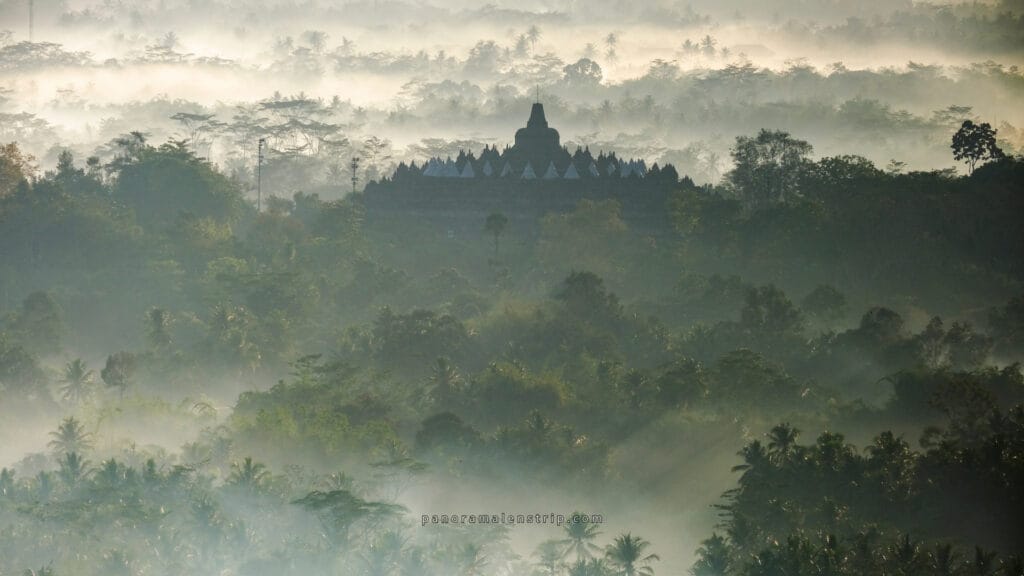
Borobudur represents Southeast Asia’s premier sunrise photography location. The monument contains nine stacked platforms topped by a central dome. Visitors ascend through three spiritual realms depicting Buddhist teachings through intricate stone carvings. Photography tours access the site at 4:30 AM before general opening.
Golden hour light illuminates surrounding volcanic peaks and palm forests. Mist frequently fills the Kedu Plain during dry season mornings creating ethereal landscape compositions. The temple underwent major UNESCO restoration between 1975-1982. Visitor numbers reach 3.2 million annually according to Indonesian tourism statistics.
Prambanan Temple Complex—Hindu Architectural Marvel
Prambanan showcases Hindu architecture dedicated to Brahma, Vishnu, and Shiva. The central Shiva temple dominates the complex at 47 meters height. Stone reliefs illustrate the Ramayana epic across temple walls demonstrating exceptional 9th-century sculptural craftsmanship.
Evening visits provide optimal photography conditions with warm directional light. The Ramayana Ballet performs May through October during full moon periods. Professional dancers enact Hindu epics against the illuminated temple backdrop creating unique cultural photography opportunities.
Mount Merapi—Active Volcano Adventure
Mount Merapi demonstrates ongoing geological activity shaping Central Java’s landscape. The volcano erupts every 4-7 years on average. Jeep tours depart from Kaliurang village at 3:00 AM for sunrise viewpoints. Modified 4×4 vehicles traverse volcanic ash fields and destroyed villages.
Photography opportunities include dramatic ash fields, smoking crater views, and sunrise compositions. The volcano’s symmetrical cone shape creates iconic landscape images. Clear viewing conditions occur most frequently between April and October.
Kraton Palace—Living Royal Heritage
Kraton Palace serves as the sultan’s official residence and governmental center. The complex spans 14,000 square meters with traditional Javanese architectural elements. Daily cultural performances occur featuring gamelan orchestras and classical dance demonstrations maintaining artistic traditions dating to the 18th century.
The palace museum displays royal regalia, ceremonial weapons, and historical artifacts. Photography restrictions apply in certain sacred spaces. Visitors must wear traditional Javanese attire when entering specific pavilions enhancing cultural immersion.
How Do Photography Tours Differ from Standard Yogyakarta Tours?
Photography tours in Yogyakarta prioritize golden hour access, exclusive viewpoints, professional guidance on composition, extended time at locations, and specialized permits for restricted areas. Standard tours follow fixed itineraries with shorter durations at each site, focusing on historical information rather than photographic opportunities. Photography groups typically limit participants to six maximum for optimal shooting positions.
Photography tours schedule activities around optimal natural lighting conditions. Borobudur access begins at 4:30 AM for sunrise compositions. Prambanan visits occur during late afternoon golden hour. This timing maximizes dramatic lighting quality unavailable during standard tour hours.
Exclusive viewpoints require special access arrangements and permits. Photography tour operators maintain relationships with temple authorities enabling preferential access. Extended duration at each location allows comprehensive coverage of multiple compositions. Standard tours allocate 60-90 minutes while photography tours provide 3-4 hours at priority locations.
Yogyakarta photography requires specific camera equipment for optimal results. Wide-angle lenses (14-24mm) capture temple architecture and landscape vistas. Telephoto lenses (70-200mm) suit cultural portraiture and architectural details. Weather-sealed camera bodies protect equipment from tropical humidity and rain.
What Types of Yogyakarta Tour Packages Are Available?
Yogyakarta tour packages include cultural heritage tours (3-4 days), photography expeditions (5-7 days), luxury private tours, adventure tours with volcano trekking, and custom itineraries. Packages differ by accommodation standards, group size, transportation methods, and specialized activities included. Photography tours cost 40-60% more than standard packages due to specialized guides and exclusive access arrangements.
Tour Package Comparison Table
| Package Type | Duration | Price Range (USD) | Group Size | Key Features | Best For |
|---|---|---|---|---|---|
| Cultural Heritage | 3-4 days | $500+ | 10-15 people | Temple visits, palace tours, batik workshop | First-time visitors, budget travelers |
| Photography Expedition | 5-7 days | $2,000-$4,000 | 4-6 people | Sunrise access, exclusive locations, pro guides | Serious photographers, enthusiasts |
| Luxury Private | 4-6 days | $3,500-$6,000 | 2-4 people | Private vehicle, 5-star hotels, personalized | Couples, luxury travelers |
| Adventure Tour | 4-5 days | $800-$1,500 | 6-12 people | Volcano trekking, cave rappelling, rafting | Active travelers, adventure seekers |
Cultural heritage packages emphasize historical education and site exploration. Itineraries include all major UNESCO monuments with professional guide commentary. Group sizes range from 10-15 participants creating economical pricing. These tours suit first-time visitors seeking comprehensive cultural overview.
Photography expeditions structure entire itineraries around optimal shooting conditions. Professional photographer guides provide technical instruction and compositional guidance. Small group sizes ensure everyone achieves desired shots. These tours attract serious photographers building professional portfolios.
Luxury packages provide completely customized itineraries with dedicated guides and drivers. Accommodation includes 5-star heritage hotels and boutique properties. Exclusive experiences include private temple access outside standard hours. Flexible daily schedules accommodate personal preferences without group time constraints.
When Is the Best Time to Book a Yogyakarta Tour?
The optimal period for Yogyakarta tours is April to October (dry season) with peak photography conditions in May-June and September-October. Sunrise shoots at Borobudur require dry, clear mornings most reliable during these months. Cultural festivals occur in May (Waisak), June (Yogyakarta Anniversary), and October (Ramayana Ballet peak season). Booking 3-6 months advance ensures preferred departure dates and accommodation availability.
Yogyakarta experiences tropical monsoon climate with distinct wet and dry seasons. Dry season extends from April through October with minimal rainfall. Average temperatures range 25-32°C providing comfortable touring conditions. Peak photography months combine dry weather with clear atmospheric conditions.
Waisak festival celebrates Buddha’s birth in May with candlelight processions at Borobudur. Yogyakarta Anniversary celebrations occur throughout June with street parades and gamelan orchestras. Ramayana Ballet performances peak during July-October at Prambanan’s open-air theater.
Peak season (July-August) brings maximum tourist numbers and higher accommodation rates. Shoulder seasons (April-May, September-October) offer optimal value and conditions. Off-peak wet season (November-March) provides lowest pricing and minimal crowds with 30-50% discounted rates.
How Much Does a Yogyakarta Tour Cost?
Yogyakarta tour costs range from $300-$500 for budget 3-day packages, $800-$1,500 for mid-range cultural tours, $2,000-$4,000 for luxury photography expeditions, and $5,000+ for private customized experiences. Prices include accommodation, transportation, entrance fees, guided services, and select meals. Photography tours cost 40-60% more due to specialized guides, exclusive access permits, and small group sizes.
Cost Breakdown by Tour Category
| Tour Type | Duration | Accommodation | Price Range (USD) | Inclusions |
|---|---|---|---|---|
| Budget Cultural | 3 days | 2-3 star hotel | $300-$500 | Transport, guide, entrance fees, breakfast |
| Mid-Range | 4 days | 3-4 star hotel | $800-$1,500 | Transport, guide, all entries, most meals |
| Photography | 5-7 days | Boutique hotels | $2,000-$4,000 | All transport, pro guide, permits, all meals |
| Luxury Private | 5-6 days | 5-star heritage | $3,500-$6,000 | Private vehicle, all inclusive, concierge |
Accommodation costs represent 30-40% of total package pricing. Transportation includes airport transfers and all inter-site travel arrangements. Entrance fees cover all temples, palaces, museums, and attraction admissions. Professional guide services provide historical context and logistics management.
International flights to Yogyakarta represent major additional expenses. Indonesian visa requirements vary by nationality with 169 countries receiving free 30-day visa on arrival. Personal expenses include additional meals, beverages, and souvenirs budgeting $15-30 daily. Travel insurance protects against medical emergencies and equipment loss costing $50-$200 depending on coverage levels.
Where Should You Stay During Your Yogyakarta Tour?
Accommodation options in Yogyakarta include luxury heritage hotels ($150-$400/night), boutique guesthouses ($50-$120/night), international chain hotels ($80-$180/night), and budget hostels ($15-$40/night). Proximity to Malioboro Street, Kraton Palace area, and Prawirotaman district determines accessibility to cultural sites and restaurants. Photography tours select properties near priority shooting locations minimizing early morning travel time.
The Phoenix Hotel Yogyakarta represents colonial Dutch architectural heritage originally built in 1918. The central Malioboro location provides walking access to shopping and restaurants. Plataran Borobudur Resort & Spa offers temple-adjacent luxury sitting 5 kilometers from Borobudur. Traditional Javanese villas feature private pools enabling convenient sunrise access.
Greenhost Boutique Hotel pioneered sustainable luxury with solar power and rainwater harvesting. The Prawirotaman location offers authentic neighborhood atmosphere. Dusun Jogja Village Inn provides rural retreat atmosphere with traditional houses surrounding rice paddies. This village setting appeals to photographers seeking cultural immersion.
How to Prepare for a Yogyakarta Photography Tour?
Preparation for Yogyakarta photography tours requires weather-sealed camera equipment, wide-angle lenses (14-24mm) for temples, telephoto lenses (70-200mm) for cultural portraits, neutral density filters, and multiple batteries. Cultural sensitivity includes modest clothing covering shoulders and knees, removing shoes at sacred sites, and respecting prayer ceremonies. Advance permit arrangements through tour operators ensure optimal lighting access.
Camera Gear Requirements
| Equipment Category | Essential Items | Purpose |
|---|---|---|
| Camera Body | Full-frame DSLR/mirrorless, weather-sealed | Primary shooting, weather protection |
| Lenses | 14-24mm wide, 24-70mm standard, 70-200mm tele | Architecture, versatility, portraits |
| Filters | UV protection, circular polarizer, ND filters | Glare reduction, long exposure |
| Support | Carbon fiber tripod, ball head | Stability, low-light shooting |
| Power/Storage | 4+ batteries, 128GB+ memory cards | Extended shooting, backup |
Temple photography requires respectful behavior and appropriate attire. Shoulders and knees must remain covered when entering sacred spaces. Active prayer ceremonies require discretion when photographing. Flash photography disturbs worshippers and damages ancient pigments.
Sunrise access to Borobudur requires advance booking through authorized operators. Special photography permits enable access to restricted temple areas costing $50-$150 per location. Professional photography tours include all necessary permits in package pricing.
What Makes Panorama Lens Trip Different for Yogyakarta Tours?
Panorama Lens Trip specializes in photography-focused Yogyakarta tours with professional photographer guides, exclusive sunrise access to Borobudur, customized itineraries, small group sizes (maximum 6 participants), and curated accommodation near shooting locations.
Panorama Lens Trip secures priority positioning at Borobudur’s sunrise viewpoints. Groups access the monument before general visitor crowds arrive. Extended photography sessions at each location enable comprehensive coverage providing 3-4 hours at priority locations.
All guides possess professional photography credentials and extensive local knowledge. Guides provide technical instruction on exposure, composition, and post-processing techniques. Equipment support includes backup camera bodies, lenses, and technical accessories. Cultural expertise ensures appropriate behavior and authentic access to traditional communities.
Frequently Asked Questions About Yogyakarta Tours
How long should I spend on a Yogyakarta tour?
Minimum recommended duration is 3-4 days covering essential UNESCO temples and cultural sites. Photography tours require 5-7 days for optimal light conditions. First-time visitors typically book 4-5 day packages balancing major attractions with reasonable pacing.
Do I need a visa for Indonesia?
Citizens from 169 countries receive free 30-day visa on arrival including United States, European Union, United Kingdom, Australia, and United Arab Emirates. Valid passport must have 6 months remaining validity.
Is Yogyakarta safe for tourists?
Yogyakarta ranks among Indonesia’s safest cities for international visitors. Violent crime remains extremely rare. Petty theft occurs occasionally in crowded markets requiring standard precautions. Mount Merapi volcanic activity receives continuous monitoring with clear safety protocols.
What is the best way to get around Yogyakarta?
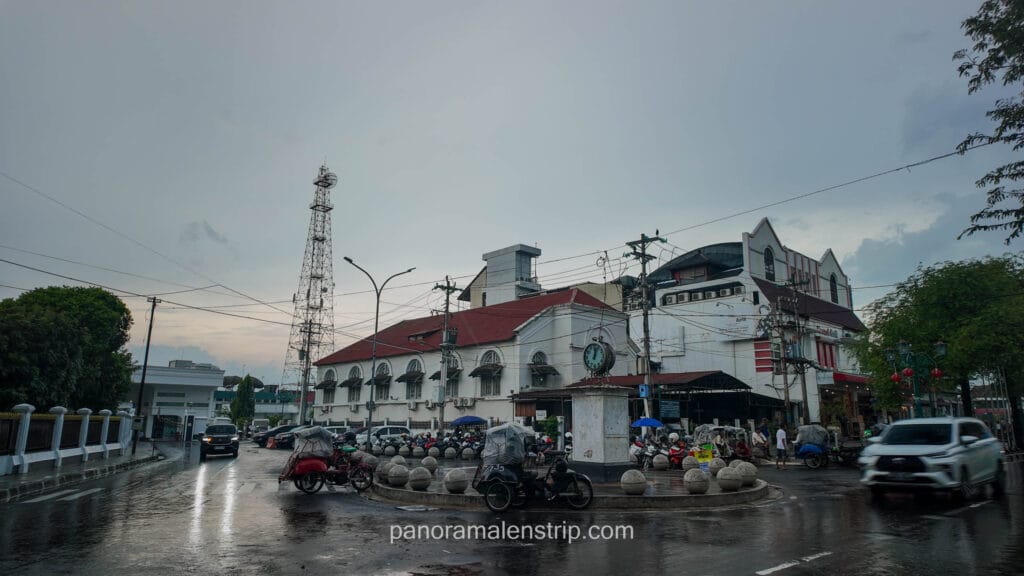
Tour packages include all transportation eliminating logistical concerns. Independent travelers use ride-hailing apps (Gojek, Grab) providing affordable transport. Traditional becak bicycle rickshaws suit short distances in central areas.
Can I visit Borobudur and Prambanan in one day?
Yes, both temples can be visited in a single day with early start. Typical schedule includes 4:30 AM Borobudur sunrise followed by 3:00 PM Prambanan sunset. The 50-kilometer distance requires 90 minutes travel time.
What should I wear when visiting temples?
Modest clothing covering shoulders and knees is required at all religious sites. Lightweight cotton pants or long skirts suit tropical climate conditions. Sarongs available for rent cover shorts if necessary. Remove shoes when entering specific sacred spaces.
Are Yogyakarta tours suitable for families with children?
Yes, cultural heritage tours accommodate families with age-appropriate modifications. Temple climbing involves extensive stairs potentially challenging for young children. Adventure tours require minimum age 12-15 years for safety reasons.
What language is spoken in Yogyakarta?
Bahasa Indonesia serves as the national language. English proficiency exists among tourism professionals including guides and hotel staff. Learning basic Indonesian phrases enhances cultural interaction.
How far is Yogyakarta from Bali?
Yogyakarta sits approximately 400 kilometers west of Bali. Direct flights between airports take 75 minutes. Multiple daily connections serve this route. Most itineraries combine both destinations in extended Indonesia trips.
What currency is used and should I bring cash?
Indonesian Rupiah (IDR) is the official currency. ATMs dispense Rupiah widely throughout Yogyakarta. Credit cards acceptance varies with hotels accepting major cards. Local markets require cash. Carrying $200-$300 USD equivalent provides flexibility.
Booking Your Yogyakarta Tour Experience
Yogyakarta tours combine UNESCO cultural heritage with exceptional photography opportunities. The region concentrates Indonesia’s most significant historical monuments within accessible distances. Professional photography tours provide exclusive access and expert guidance maximizing creative potential.
Panorama Lens Trip specializes in photography-focused experiences throughout Central Java. Small group sizes ensure personalized attention and optimal shooting positions. Advanced booking secures preferred departure dates during optimal weather months. Start planning your Indonesian adventure today with specialized photography tour operators understanding your creative vision.