Mount Bromo, one of Indonesia’s most iconic volcanoes, offers a breathtaking experience at any time of day. But when the afternoon sun begins to set and casts its golden rays across the landscape, something truly magical happens. The Panorama Bromo at afternoon transforms into a masterpiece of warm hues, calm winds, and deep serenity — a side of Bromo that many travelers overlook.
In this guide, we’ll uncover the beauty, the best spots, and the unforgettable moments that make an afternoon visit to Mount Bromo an extraordinary experience.
Nestled within the Bromo Tengger Semeru National Park, Mount Bromo rises proudly from a vast sea of volcanic sand. It’s not the tallest peak in Java, but its mystical atmosphere, surrounded by the Tenggerese culture and endless horizons, makes it one of the most photographed volcanoes in Indonesia.
The mountain is active, yet it exudes a peaceful power — especially when the afternoon light softens its rugged contours. The interplay of smoke, sunlight, and shadow creates a panorama that feels almost divine.
While sunrise at Bromo is famous, the afternoon panorama holds its own charm. After the morning crowds disperse, the mountain becomes quieter, allowing travelers to truly connect with nature.
As the sun lowers, the golden hour begins — the lighting turns warm and radiant, painting the volcanic slopes in shades of amber and bronze. It’s ideal for photography, reflection, and enjoying a calmer side of this majestic landscape.
Watching Bromo in the afternoon is like seeing a living painting. The sand sea turns from grey to gold, and the crater emits wisps of mist that glow in the fading sunlight. The nearby hills shimmer in soft yellows and oranges, creating a perfect contrast with the deep blue sky. As dusk nears, the colors mellow into pink and violet tones — a farewell from the sun.
The Penanjakan viewpoint is one of the most iconic places to witness Panorama Bromo in all its golden splendor. While it’s often crowded during sunrise, the afternoon offers a quieter and more serene experience. As the sunlight begins to soften, the view from Penanjakan reveals a breathtaking expanse of volcanic peaks surrounded by a glowing horizon. The calm atmosphere lets you appreciate the sweeping Panorama Bromo without the early morning chill or rush. For photographers, this spot is ideal for wide-angle shots that capture the glowing sand sea and the mighty volcano beneath the afternoon sky. Staying until late afternoon rewards you with the ultimate Panorama Bromo as the shadows lengthen and the light turns to amber.
For a closer and more intimate perspective of Panorama Bromo, head to Kingkong Hill. This location offers a less crowded alternative with equally stunning views. The path is slightly challenging but well worth the effort — from here, you can see the smoke rising from Bromo’s crater surrounded by golden mist. The light at Kingkong Hill during the afternoon is perfect for capturing contrast and depth, turning the landscape into a living painting. Many travelers say the silence here enhances the magic of Panorama Bromo, making it a favorite spot for reflection and photography. If you’re chasing that perfect golden-hour shot, Kingkong Hill is the place to be for your ultimate Panorama Bromo moment.
True to its name, Love Hill (Bukit Cinta) offers one of the most romantic and heartwarming views of Panorama Bromo. Couples and nature lovers often come here to enjoy the peaceful afternoon glow while the sky transitions from gold to pink. The viewpoint gives a clear line of sight to Mount Bromo and Mount Batok, framed by soft sunlight that enhances the beauty of the landscape. Whether you’re here for photos or quiet moments, the golden hue of the Panorama Bromo from Bukit Cinta will leave you speechless.
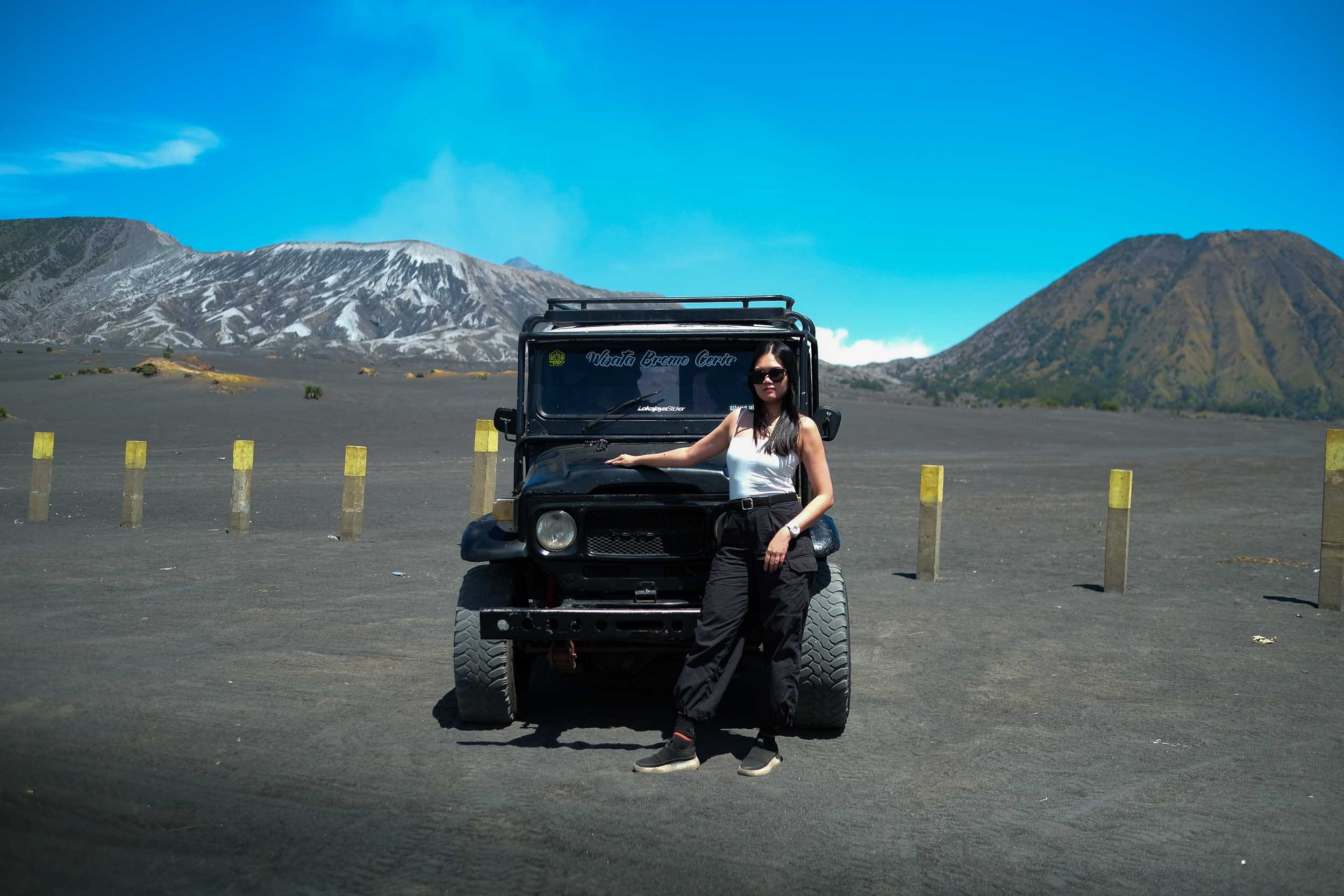
The vast Sea of Sand is one of the most surreal settings for experiencing Panorama Bromo. During the afternoon, the volcanic dust reflects sunlight, creating shimmering waves of gold across the desert-like landscape. Walking or riding a Jeep through this area feels like traveling across another planet. The golden tones of Panorama Bromo at this time of day contrast beautifully with the dark volcanic soil, making every photo look cinematic. As the sun begins to dip, shadows dance across the terrain, turning the Sea of Sand into a glowing masterpiece that defines the true spirit of Panorama Bromo.
Nestled beyond the caldera, Savanna Hill — or “Teletubbies Hill” — provides a softer, greener side of Panorama Bromo. During the afternoon, the sun’s golden light merges with the rolling green hills, creating a picture-perfect harmony of colors. The gentle slopes and wild grasses sway under the breeze, glowing under the fading sun. This is a peaceful area ideal for relaxation, picnics, or quiet photography sessions. The combination of green landscapes and golden sunlight makes Savanna Hill a breathtaking spot to conclude your Panorama Bromo journey, blending tranquility with the natural charm of Bromo’s afternoon glow.
To capture the Panorama Bromo at afternoon, keep your ISO low (around 100–200) and use a narrow aperture (f/8–f/11) for sharper landscapes. Shoot during 3:30–5:00 PM when the light is warm but not too harsh.
Avoid pointing your camera directly at the sun unless you’re aiming for silhouettes. Polarizing filters can help control glare and enhance color contrast.
A Jeep tour in the afternoon offers both excitement and comfort. You can explore the Sea of Sand, hike a bit toward the crater, and visit the Pura Luhur Poten temple — all bathed in golden light.
The temple, set dramatically at the base of the volcano, glows warmly under the afternoon sun, creating a mystical vibe perfect for reflection or quiet photography.
The Tenggerese people living around Bromo maintain a rich cultural heritage. In the afternoon, you can see locals herding horses, selling snacks, or preparing for evening prayers. Trying local treats like roasted corn or hot ginger tea adds warmth to your visit.
When exploring Panorama Bromo, preparation is key to enjoying every golden moment comfortably and safely. The afternoon at Mount Bromo can be warm at first but quickly turns cool as the sun dips behind the hills. Wearing layered clothing is essential — a light jacket or windbreaker helps you stay warm without feeling too heavy during the day. Comfortable walking shoes are a must, especially if you plan to trek across the sandy terrain or climb nearby hills for better panoramic views.
For a seamless Panorama Bromo experience, don’t forget practical accessories like sunglasses, a wide-brimmed hat, and sunscreen to protect against the strong afternoon rays. A mask or scarf is also useful to shield your face from volcanic dust, which can swirl through the wind. Lastly, bring a reusable water bottle to stay hydrated and a small backpack for carrying essentials such as snacks, a camera, and a portable charger.
Safety should always come first. It’s wise to pack a flashlight in case your tour extends slightly into dusk, and always keep your phone and identification close. With these essentials, your Panorama Bromo adventure will be both comfortable and memorable.
To make the most of your Panorama Bromo experience, plan your afternoon trip strategically. Start from Cemoro Lawang around 1:00 PM, giving yourself plenty of time to explore the Sea of Sand and the Pura Luhur Poten temple under the gentle afternoon light. By 3:30 PM, head toward Kingkong Hill or Love Hill to capture the mountain’s golden transformation.
The best part of Panorama Bromo begins during the golden hour, from 4:30 to 5:30 PM. This is the perfect window for photography — the light is soft, the air is calm, and the crowds are minimal. Wrap up your visit by 6:00 PM, descending before nightfall while carrying unforgettable memories of your glowing Panorama Bromo journey.
There’s a rare calmness that settles over Bromo in the afternoon. The wind softens, the crowd thins, and only the rustle of sand and whisper of the volcano remain. It’s the perfect moment to sit, breathe, and let the golden light remind you how small yet connected you are to nature.
When visiting Panorama Bromo, safety and preparation are just as important as capturing the perfect photo. The mountain’s terrain and weather can change quickly, especially in the afternoon when temperatures begin to drop. Always check the latest weather updates before your trip — fog or strong winds can affect visibility and comfort. Wearing proper footwear is crucial, as the volcanic sand can be slippery on inclines. Bring a light jacket or hoodie to stay warm once the sun sets, since the air can turn surprisingly cold even after a sunny day.
To ensure a smooth Panorama Bromo experience, travel with a local guide or join an organized Jeep tour. Local drivers know the terrain and can navigate safely across the Sea of Sand and up to the best viewpoints. Keep a mask or scarf handy to protect yourself from volcanic dust, especially when the wind picks up. It’s also wise to carry a first-aid kit for minor injuries or altitude-related discomfort.
Another essential Panorama Bromo safety tip is to respect the boundaries and warning signs near the crater. The volcano remains active, so venturing too close can be risky. Stay on designated trails and avoid wandering off paths, particularly as daylight fades. Bring a flashlight or headlamp in case your tour extends into the early evening. Lastly, always inform someone of your route or travel plan — a small but smart precaution when exploring nature.
By following these Panorama Bromo travel tips, you’ll ensure that your adventure is not only breathtaking but also safe and worry-free. Preparation, awareness, and respect for the environment will allow you to fully enjoy the golden magic of Mount Bromo’s afternoon panorama with peace of mind.
Timing your visit is key to experiencing the most captivating Panorama Bromo views. While Mount Bromo is stunning year-round, the dry season, from May to October, is the ideal time to witness the mountain’s golden glow at its finest. During these months, the skies are clear, the air is crisp, and sunlight beautifully enhances every detail of the volcano’s landscape. This season offers perfect lighting conditions for photographers and travelers who want to capture the rich colors of the Panorama Bromo without worrying about mist or heavy clouds.
In contrast, the rainy season (November to April) brings its own charm, with lush green hills surrounding the caldera. However, rain can make the trails muddy and the sand slippery, requiring extra caution. If you visit during this time, aim for early or late rain-free afternoons to still enjoy the Panorama Bromo under dramatic skies. The contrast between the golden light and scattered clouds can result in truly unique shots for those willing to embrace a bit of unpredictability.
Regardless of when you visit, planning your trip according to the weather ensures that your Panorama Bromo experience will be both comfortable and unforgettable, offering you the best chance to see Bromo’s beauty bathed in a golden, serene afternoon light.
Protecting the natural beauty of Panorama Bromo is everyone’s responsibility. This breathtaking landscape deserves care and respect so future generations can continue to enjoy its wonders. Start by minimizing your footprint — always dispose of trash properly or take it back with you. Avoid using single-use plastics; instead, carry a reusable water bottle and eco-friendly containers. By doing so, you help keep Panorama Bromo clean and pristine for other travelers.
Respect the environment and the local Tenggerese culture by staying on designated paths and avoiding damage to vegetation. Support local guides, drivers, and small shops around Bromo to help the community benefit directly from tourism. Using eco-conscious tour operators and choosing sustainable accommodations also make a positive impact.
Lastly, remember that Panorama Bromo is a living ecosystem. Avoid disturbing wildlife, limit noise, and refrain from touching sacred sites near the temple areas. When you travel responsibly, you don’t just witness beauty — you become part of preserving it. Through mindful and eco-friendly habits, every traveler can help sustain the timeless charm of Panorama Bromo for years to come.
The Panorama Bromo at afternoon is a scene of peace, warmth, and wonder. It’s where sunlight meets volcanic dust to create golden art across the landscape. Beyond the photos, it’s the feeling — that stillness, that awe — that stays with you long after you leave.
So next time you visit Bromo, you can skip the rush. Stay for the afternoon, and let the golden mountain show you its quiet magic.
Explore Mount Bromo with a tour built on experience, safety, and local expertise.
Choose a package trusted by thousands of travelers.
View Official Mount Bromo Tour Packages
The golden-hour lighting creates warm, glowing tones that highlight the volcano’s textures and add depth to the scenery.
Yes, visibility is excellent, especially during the dry season when the sky is clear.
Most tours last 4–5 hours, starting after lunch and ending around sunset.
Absolutely, as long as you plan your return before dark and follow your guide’s advice.
Kingkong Hill and Bukit Cinta offer the best vantage points for capturing the sunset glow over Bromo’s crater.
Our local guides and photographers have tracked Tumpak Sewu across every season. This guide reveals…
Ijen Crater is one of Indonesia's most extraordinary landscapes — an acid turquoise lake ringed…
Yogyakarta rewards photographers who plan carefully. This guide covers the best sunrise spots, hidden viewpoints,…
Our local guides have escorted hundreds of photographers and discerning travelers through both Borobudur and…
A field-tested guide to photographing sunset at Prambanan temple — covering the best vantage points…
Our local guides and photographers have spent years navigating Tanjung Puting's seasons. This data-backed guide…
This website uses cookies.
View Comments