

Introduction
When Is the Best Time to Visit Mount Bromo? – If you’re planning a trip to East Java, one of the most common questions travelers ask is, “When is the Best time to visit Mount Bromo?” This breathtaking volcano is famous for its surreal sunrise views, dramatic sea of sand, and mystical atmosphere that feels straight out of a dream. However, your experience can vary greatly depending on the season and time of day you choose to visit. Understanding the Best time to visit Mount Bromo is crucial for making the most of your adventure.
About Mount Bromo
Before planning your trip and deciding on the best time to visit Mount Bromo, it’s important to understand why this destination captivates travelers from all around the world. Mount Bromo, located in East Java, Indonesia, is one of the most iconic active volcanoes in the country and part of the Bromo Tengger Semeru National Park. Rising to 2,329 meters above sea level, it’s famous for its majestic sunrise views, dramatic volcanic landscapes, and the mystical Sea of Sand that surrounds its smoking crater.
Mount Bromo’s name comes from “Brahma,” the Hindu god of creation, reflecting the deep spiritual significance the mountain holds for the local Tenggerese people. Every year, they honor the volcano through the Kasada Festival, an ancient tradition where offerings are thrown into the crater to thank the gods for blessings and protection.
Understanding Mount Bromo’s Weather
Dry Season vs Wet Season
Bromo experiences two main seasons: the dry season (April to October) and the wet season (November to March). Each has its own charm, but the dry season provides clearer skies and better visibility.
How Altitude Affects the Temperature
Sitting at over 2,300 meters above sea level, Mount Bromo’s temperatures can drop to as low as 5°C at dawn. Be sure to pack warm clothing, even if you’re visiting in the dry months.
Best Season to Visit Mount Bromo
Choosing the right season can make or break your Mount Bromo adventure. Each period of the year offers a distinct experience—from crystal-clear sunrises and golden landscapes to lush greenery and peaceful solitude. Let’s explore each season in detail so you can decide which one best suits your travel style and expectations.
The Dry Season (April–October): The Ultimate Time for Clear Skies and Stunning Sunrises
The dry season is widely recognized as the best time to visit Mount Bromo. Between April and October, rainfall is minimal, making trails easy to navigate and viewpoints more accessible. The air is crisp and cool, and the sky often glows in deep shades of orange and purple during sunrise. This period is ideal for photographers, hikers, and anyone who wants to witness the volcano’s raw beauty without weather interruptions.
However, because of its popularity, expect larger crowds—especially from July to September, when local and international tourists flock to Bromo. To secure a good spot for sunrise, it’s best to arrive early or even spend the night nearby in Cemoro Lawang or Sukapura.
The Rainy Season (November–March): A Time for Lush Landscapes and Tranquility
During the rainy season, Mount Bromo transforms into a vibrant, green wonderland. From November to March, frequent rains nourish the vegetation surrounding the caldera, giving the scenery a soft, refreshing look. While trails can get slippery and fog may occasionally obscure the crater, this season rewards visitors with serenity and solitude.
This is the perfect time for travelers seeking a peaceful escape and a more authentic connection with nature. Accommodation prices are lower, and the fewer crowds mean you can take your time soaking in the views and local culture. Just remember to bring a rain jacket, waterproof shoes, and some patience for sudden weather changes.
The Transition Months (March and November): A Perfect Balance Between Weather and Serenity
If you’re looking for a balance between pleasant weather and fewer tourists, the transition months—March and November—are a hidden gem. These months sit between the two major seasons, offering mild temperatures, occasional light rain, and vibrant scenery.
You’ll still get a good chance of clear sunrise views while enjoying quieter trails and better accommodation availability. The atmosphere feels calmer, making it perfect for travelers who prefer flexibility and a less hectic experience while still capturing Bromo’s iconic beauty.
Best Time of Day to Visit Mount Bromo
The beauty of Mount Bromo changes dramatically throughout the day. From the golden hues of sunrise to the mystical calm of sunset, each moment offers a different way to experience this active volcano’s magic. Knowing the best time of day to visit can help you capture the most breathtaking views, avoid the crowds, and enjoy the area’s natural splendor to the fullest. Here’s a detailed breakdown of what to expect during different times of the day.
Sunrise Magic at Penanjakan Viewpoint: Witnessing Bromo’s Most Iconic Moment
There’s no moment more enchanting than sunrise at Mount Bromo. Between 3:00 AM and 5:30 AM, hundreds of visitors make their way to Penanjakan Viewpoint to witness the first light of dawn. As the sun rises behind Mount Semeru, the sky explodes in hues of orange, pink, and gold, illuminating the vast Sea of Sand and the steaming crater of Bromo below.
This magical spectacle is the highlight of most trips — and for good reason. The soft morning light casts long shadows across the caldera, creating a surreal landscape that looks almost otherworldly. If you’re a photographer, this is the time to capture Mount Bromo at its most photogenic.
Midday Views and Jeep Adventures: Exploring the Sea of Sand and Crater Rim
Once the morning mist lifts, the midday hours (9:00 AM to 2:00 PM) reveal Bromo’s dramatic terrain in full daylight. This is the perfect time to take a jeep ride across the Laut Pasir (Sea of Sand), a vast desert-like plain that surrounds the volcano. The sunlight brings out the warm tones of the volcanic sand and highlights the intricate contours of the caldera walls.
During this period, you can climb up to the Bromo crater rim, where you’ll feel the earth rumble beneath your feet and smell the faint sulfur in the air — a reminder of the volcano’s active life. The views from the top are simply unforgettable, stretching across the entire Tengger massif.
Sunset Photography Opportunities: Golden Light and Tranquil Atmosphere
While sunrise steals the spotlight, sunset at Mount Bromo has its own kind of charm — calm, warm, and deeply atmospheric. Between 4:30 PM and 6:00 PM, the crowds thin out, the air cools, and the setting sun bathes the volcanic landscape in soft, golden light.
This is a wonderful time for photographers seeking golden-hour shots or travelers who simply want to reflect on the day’s beauty. From viewpoints like Bukit Cinta or King Kong Hill, you can watch as shadows lengthen across the caldera, and the fiery hues fade into a tranquil twilight.
Even though it’s less popular than sunrise, sunset provides an equally moving experience — one that feels more personal and peaceful. Don’t forget to bring a tripod if you’re planning long-exposure shots or night photography once the stars begin to appear over the misty valley.
Also read : Top Tips for Visiting Bromo Volcano
Month-by-Month Guide
January – March: Rain and Quiet Trails
Expect showers and foggy mornings, but also fewer tourists. Ideal for those seeking solitude and green landscapes.
April–June: Clear Skies and Fresh Greenery
The rain fades, leaving behind clear mornings and lush hillsides. A fantastic time for both hiking and photography.
July–September: Peak Tourist Season
This period offers the best weather but also draws the largest crowds. Book your jeep and accommodations early to avoid disappointment.
October–December: Calm Before the Rain
A pleasant mix of dry days and fewer visitors. October, in particular, is a hidden gem month for visiting Bromo.
Weather and Visibility Tips
- Bring a headlamp if you’re climbing before sunrise.
- Carry a mask or scarf—Bromo’s volcanic sand can be windy.
- Check local forecasts before your trip, as fog can roll in unexpectedly.
Crowd Considerations
If you prefer peaceful exploration, avoid weekends and Indonesian public holidays. Visiting on a weekday in the dry season gives you the best balance between good weather and minimal crowds.
Festivals and Cultural Events
Mount Bromo isn’t just about stunning landscapes and sunrise views—it’s also home to a living culture that has thrived for centuries. The Tenggerese people, who inhabit the highlands surrounding the volcano, maintain ancient Hindu traditions that bring color and depth to the Bromo experience. If you plan your visit right, you can witness these unique festivals and ceremonies that connect the community to their sacred mountain. Here’s a deeper look at the cultural events that make Bromo so much more than just a natural wonder.
The Kasada Festival: A Unique Blend of Faith, Tradition, and Nature
The Kasada Festival (or Yadnya Kasada) is the most famous cultural event at Mount Bromo, held annually between June and July according to the Tenggerese Hindu calendar. This deeply spiritual ceremony honors the gods of Mount Bromo and pays tribute to the legendary origins of the Tengger people.
During the festival, villagers dressed in traditional attire climb to the Bromo crater carrying offerings of rice, fruits, vegetables, livestock, and even money. These offerings are thrown into the smoking crater as a symbol of gratitude and devotion to the mountain gods, who are believed to protect the community and ensure fertility and prosperity.
Other Local Traditions and Ceremonies Worth Seeing
Beyond Kasada, the Tenggerese people celebrate several smaller but equally meaningful rituals throughout the year. Each event reflects their close relationship with the earth, the volcano, and their ancestors.
One of these is the Karo Festival, celebrated as a form of thanksgiving for health, harmony, and good harvests. Unlike the loud festivals of lowland Java, Karo is more intimate, marked by prayers, dances, and family gatherings that emphasize unity and spiritual reflection.
Another notable event is Unan-unan, a purification ceremony held every five years. It aims to cleanse the soul and restore balance within the community. Visitors lucky enough to witness it will see villagers performing sacred dances and traditional music using gamelan instruments, creating a hauntingly beautiful atmosphere in the mountain air.
How to Experience These Festivals as a Visitor
If you plan to attend a festival, try to stay in nearby villages such as Cemoro Lawang, Ngadisari, or Tosari. This gives you a front-row seat to the preparations and celebrations while supporting the local community. Many homestays and guides offer cultural tours during Kasada, allowing you to learn about the stories, symbols, and rituals that shape Tenggerese identity.
Be sure to arrive a few days before the main ceremony, as the festivities often begin with community prayers, dance performances, and temple decorations. Bring your camera—but remember, this is a sacred event, so always ask permission before taking close-up photos of people or offerings.
Whether you’re drawn by faith, culture, or curiosity, attending one of Mount Bromo’s festivals will leave you with memories far more lasting than any sunrise view—memories of a community that continues to honor its mountain with gratitude and devotion.
What to Expect in Each Season
- Dry Season: Dusty terrain, brilliant sunrises, comfortable travel conditions.
- Wet Season: Green landscapes, fewer tourists, more dramatic skies.
- Transition Months: Unpredictable but balanced weather—great for flexible travelers.
Essential Tips for Planning Your Trip
- Clothing: Pack layers—mornings are cold, but it warms up quickly.
- Transport: Most visitors take a jeep from Cemoro Lawang or Sukapura.
- Accommodation: Stay near the park entrance for easy sunrise access.
Best Time for Photography at Mount Bromo
Photographers should aim for April–October when the sky is clear. The golden hour before sunrise and just after sunset provides the most stunning compositions. Drone enthusiasts should check local regulations before flying.
When Not to Visit Mount Bromo
While Mount Bromo is stunning year-round, there are certain times when visiting might not give you the experience you’re hoping for. Harsh weather, volcanic activity, and overcrowded holidays can affect both safety and enjoyment. Understanding when not to visit Mount Bromo will help you avoid disappointment and plan a trip that’s comfortable, safe, and truly unforgettable. Let’s break down the times when you might want to postpone or rethink your adventure.
Heavy Rainy Months (January–February): Slippery Trails and Low Visibility
The most challenging period to visit Mount Bromo is during the peak of the rainy season, typically January through February. During these months, the region experiences frequent heavy downpours, thick fog, and muddy roads. The Sea of Sand can become waterlogged, making jeep rides rough and hiking trails dangerously slippery.
Clouds and mist often cover the viewpoints, obscuring the sunrise that travelers come so far to see. Even when the rain stops, visibility can remain low for hours, reducing your chances of getting that iconic photo of Bromo’s smoking crater.
While it’s possible to visit during this season, you’ll need to be flexible and prepared for last-minute weather changes. Bring waterproof clothing, sturdy boots, and patience — nature rules here, and sometimes she prefers to stay hidden behind the mist.
Periods of Volcanic Activity: Temporary Closures and Safety Risks
As an active volcano, Mount Bromo occasionally experiences periods of increased seismic activity. When sulfur emissions rise or small eruptions occur, authorities may close access to the crater area or even the entire park to ensure visitor safety.
During these times, the air around the crater can contain high concentrations of volcanic gases, which can cause breathing difficulties or irritation. Additionally, ash clouds can reduce visibility and affect transportation routes in and out of the national park.
Before planning your trip, always check official updates from Bromo Tengger Semeru National Park or the Volcanology and Geological Disaster Mitigation Center (PVMBG). If the status level is raised, it’s best to postpone your visit rather than risk safety. Nature’s beauty is worth the wait — and Bromo’s majesty isn’t going anywhere.
Public Holidays and Peak Tourist Periods: Overcrowding and Higher Prices
While not dangerous, visiting Bromo during Indonesian public holidays, school vacations, or major celebrations like Eid al-Fitr (Lebaran) can make the experience less enjoyable. During these times, the usually serene viewpoints and jeep routes become packed with tourists, leading to long waits, crowded photo spots, and limited parking.
Accommodation prices also rise significantly, and finding available rooms near Cemoro Lawang or Sukapura can be difficult without early booking. The noise and rush can take away from the peaceful, almost spiritual atmosphere that Bromo is known for.
If you prefer tranquility and a better connection with nature, plan your visit on weekdays or during the shoulder months (April, May, or October). You’ll still enjoy great weather but without the large crowds and inflated costs.
Midday in the Dry Season: Harsh Sunlight and Dusty Winds
Even during the best months, the midday period between 10:00 AM and 2:00 PM can be uncomfortable. The sun shines directly over the caldera, creating harsh lighting for photography and raising temperatures across the Sea of Sand. Dust storms can occur when the wind picks up, especially during the driest months (July–September).
This combination of heat, glare, and blowing sand can make hiking unpleasant and visibility poor. It’s not necessarily unsafe, but it’s far from ideal for sightseeing.
If you must explore during this time, bring a hat, sunglasses, sunscreen, and a face mask to protect yourself from the fine volcanic dust. Otherwise, it’s better to rest in your accommodation and resume exploring in the late afternoon when the light softens again.
Unexpected Maintenance or Event Closures: Limited Access to Viewpoints
Occasionally, the national park may close certain routes or viewpoints for repairs, conservation work, or festival preparations. For instance, before the Kasada Festival, some areas near the crater are restricted to locals participating in the ceremonies.
Similarly, roads leading to the main viewpoints like Penanjakan Hill or King Kong Hill might be temporarily closed due to landslides or maintenance, especially after periods of heavy rain.
Before setting out, it’s wise to confirm the latest access information with your local guide, hotel staff, or park authorities. Staying informed ensures you don’t waste time or face frustration after traveling long distances.
In summary, the worst time to visit Mount Bromo is during the peak rainy months of January and February, periods of volcanic unrest, or crowded national holidays. Midday heat and occasional closures can also affect your experience. By avoiding these times and planning strategically, you’ll enjoy clearer views, safer conditions, and a more peaceful connection with one of Indonesia’s most iconic natural wonders.
Alternative Activities During Off-Season
Even if your trip doesn’t align with the best time to visit Mount Bromo, there are still countless ways to enjoy the region during the quieter months. The off-season, often marked by occasional rain and mist, unveils a different kind of beauty—lush greenery, peaceful surroundings, and fewer crowds. It’s the perfect opportunity to explore nearby attractions, connect with local culture, and see East Java from a more authentic perspective.
When it’s not the best time to visit Mount Bromo, consider venturing into the Tenggerese villages surrounding the mountain. These traditional communities offer insight into the rich cultural heritage of the local people, where you can witness daily life, sample homemade cuisine, and learn about ancient traditions tied to the volcano. Another great alternative is visiting Madakaripura Waterfall or Tumpak Sewu Waterfall, both of which are at their most powerful during the rainy season.
Explore Tengger Villages: Discovering Local Life Beyond the Volcano
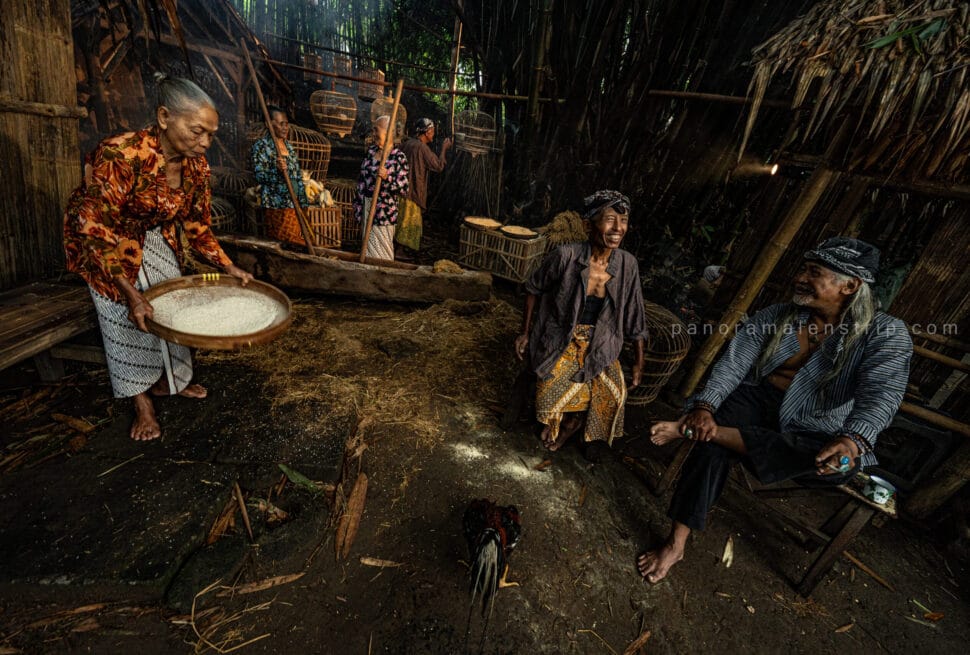
When Bromo’s viewpoints are covered in fog, take the opportunity to explore the Tenggerese villages that surround the national park. These mountain communities, such as Cemoro Lawang, Ngadisari, Tosari, and Wonokitri, are home to the Tengger people, who practice a unique form of Hinduism influenced by ancient Javanese culture.
Wander through the villages to see traditional houses, flower fields, and locals dressed in colorful sarongs going about their daily routines. You can visit small temples where prayers are offered to the mountain gods, or join locals for a warm cup of ginger tea (wedang jahe) while listening to stories about the Kasada legend.
This cultural exploration gives you a richer understanding of Bromo’s human heritage — a side of the mountain that most visitors miss when rushing for sunrise photos. It’s a humbling reminder that Bromo isn’t just a destination; it’s a living, breathing community with deep spiritual roots.
Visit Madakaripura Waterfall: A Hidden Gem Near Bromo
About an hour’s drive from the Bromo area lies the breathtaking Madakaripura Waterfall, often called the “eternal waterfall.” Tucked inside a narrow canyon, this 200-meter-high cascade is surrounded by lush green cliffs that create a magical, misty atmosphere — especially during the rainy season when the water flow is strongest.
The short trek to the waterfall involves walking through shallow streams and under natural curtains of water, making it an adventurous yet refreshing experience. Locals believe the site was once the meditation place of Gajah Mada, a legendary figure from Indonesia’s Majapahit Empire.
To visit safely, wear waterproof sandals or shoes with good grip, and bring a poncho or light raincoat. Since it’s less crowded in the off-season, you’ll often have the waterfall almost to yourself — perfect for photos or quiet reflection amid the sound of rushing water.
Discover Tumpak Sewu Waterfall: The Niagara of Java
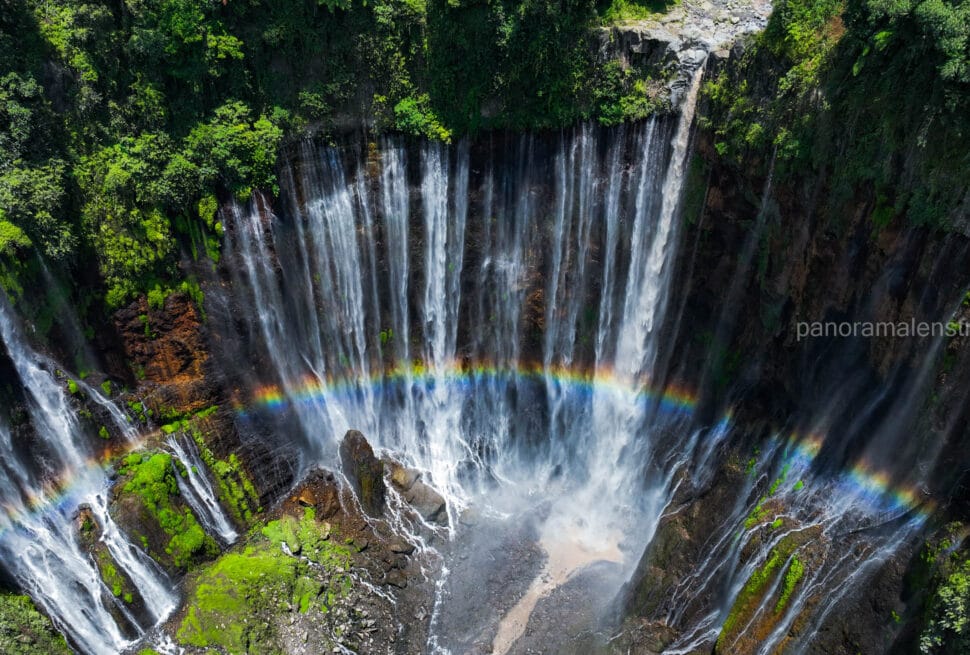
If you’re up for a bit more travel, head south toward Tumpak Sewu Waterfall, one of Indonesia’s most dramatic natural wonders. Located about 3–4 hours from Bromo, this multi-tiered waterfall cascades down a wide semicircular cliff, earning it the nickname “Niagara of Java.”
During the off-season, the surrounding rainforest becomes lush and vibrant, adding to the spectacle. The descent to the waterfall base is challenging — you’ll need to climb bamboo ladders and cross small streams — but the reward is a truly jaw-dropping view from below.
It’s best to go early in the morning to avoid heavy afternoon rains, and don’t forget waterproof protection for your camera. Even if Bromo’s sky is cloudy, Tumpak Sewu will give you a different kind of thrill: the power and beauty of Java’s raw nature at its peak.
Cultural Tours and Local Markets: Immersing Yourself in East Javanese Life
When fog blankets the mountains, spend a day exploring local markets and cultural sites in nearby towns like Probolinggo, Malang, or Pasuruan. These markets come alive with vibrant colors and aromas — fresh vegetables, handmade crafts, local coffee, and traditional snacks like lontong sayur or tempe mendoan.
You can also visit batik workshops, pottery villages, or traditional dance performances to see how art and culture thrive beyond the tourist hotspots. Many small tour operators offer community-based tours that let you engage directly with local artisans and farmers, helping sustain their livelihoods while offering an authentic cultural experience.
This side of East Java is warm, welcoming, and deeply human — a wonderful contrast to the stark volcanic landscapes of Bromo.
Relax and Reconnect: Embracing the Slow Pace of Mountain Life
Sometimes, the best way to enjoy the off-season is simply to slow down. Stay in a cozy mountain lodge or homestay with views of misty hills, and spend your mornings sipping hot coffee as you watch the clouds drift by.
Many accommodations in Cemoro Lawang and Tosari offer stunning panoramas even when Bromo itself is obscured. You can go for gentle hikes, read a book by the fire, or join locals for an evening chat around a bonfire.
Traveling during the off-season gives you the rare gift of peace and space — no crowds, no rush, just you and the mountains. It’s a chance to reconnect with nature in its quietest form and rediscover the joy of unhurried travel.
In essence, the off-season around Mount Bromo isn’t a setback — it’s an opportunity. It allows you to uncover hidden treasures, engage deeply with local culture, and explore parts of East Java that most tourists overlook. Whether you chase waterfalls, mingle with the Tengger people, or simply soak in the mountain air, the region still holds plenty of magic — even when Bromo’s crater takes a well-deserved rest.
Conclusion
Deciding on the best time to visit Mount Bromo ultimately depends on what kind of experience you’re seeking — whether it’s clear skies for photography, peaceful off-season serenity, or a chance to witness vibrant cultural festivals. Each season offers its own charm and unique atmosphere that makes every journey to this volcanic wonder memorable.
For most travelers, the dry season between April and October remains the best time to visit Mount Bromo, as it promises breathtaking sunrise views, smooth access to viewpoints, and ideal weather conditions for exploration. However, even beyond this window, Mount Bromo’s allure never fades. No matter when you go, the combination of natural beauty, cultural depth, and spiritual energy makes this destination one of Indonesia’s most unforgettable treasures.
Also read: Bromo Trip Guide: Explore Majestic Mount Bromo
Explore Mount Bromo with a tour built on experience, safety, and local expertise.
Choose a package trusted by thousands of travelers.
View Official Mount Bromo Tour Packages
FAQs
1. Is it possible to visit Mount Bromo during the rainy season?
Yes, but expect some fog and wet trails. However, the scenery becomes greener and more photogenic.
2. What is the coldest time of year at Mount Bromo?
June to August are the coldest months, with temperatures dropping to around 5°C at dawn.
3. Do I need a guide to visit Mount Bromo?
Not necessarily, but having a local guide can enhance your experience and ensure safety.
4. Can I drive my own vehicle to Mount Bromo?
Private vehicles are not allowed in the caldera area—you’ll need to rent a local jeep.
5. Is Mount Bromo safe for children and families?
Yes, as long as you’re cautious around steep areas and bring warm clothing for the early morning cold.
Bromo Photography: A Guide to Capture the Magic of Mount Bromo
Turn your travel plans into reality — check out our Bromo tour packages for your next trip.

[…] The best time for a Bromo Trip is between June and September, when the weather is dry, and the sunrise views are spectacular. This is also when the Sea of Sand and the crater trails are most accessible. Early morning visits, usually between 3:00 AM and 7:00 AM, offer the most breathtaking light conditions for photography. If you prefer fewer crowds, plan your visit on weekdays or outside national holidays, when the area is quieter and more serene. […]
[…] Best Time to Visit Mount Bromo […]
[…] Why Afternoon is the Best Time to Visit […]
[…] The best time to visit the Best Viewpoints Mount Bromo is during the dry season, which runs from May to October. During these months, the skies are clear, and the early morning light beautifully illuminates the caldera. You’ll have the highest chance of capturing a flawless sunrise without mist or heavy clouds blocking your view. […]
[…] Learn more: When Is the Best Time to Visit Mount Bromo? […]
[…] Learn more: When Is the Best Time to Visit Mount Bromo? […]