Introduction: Why Kasada Festival Mount Bromo Matters
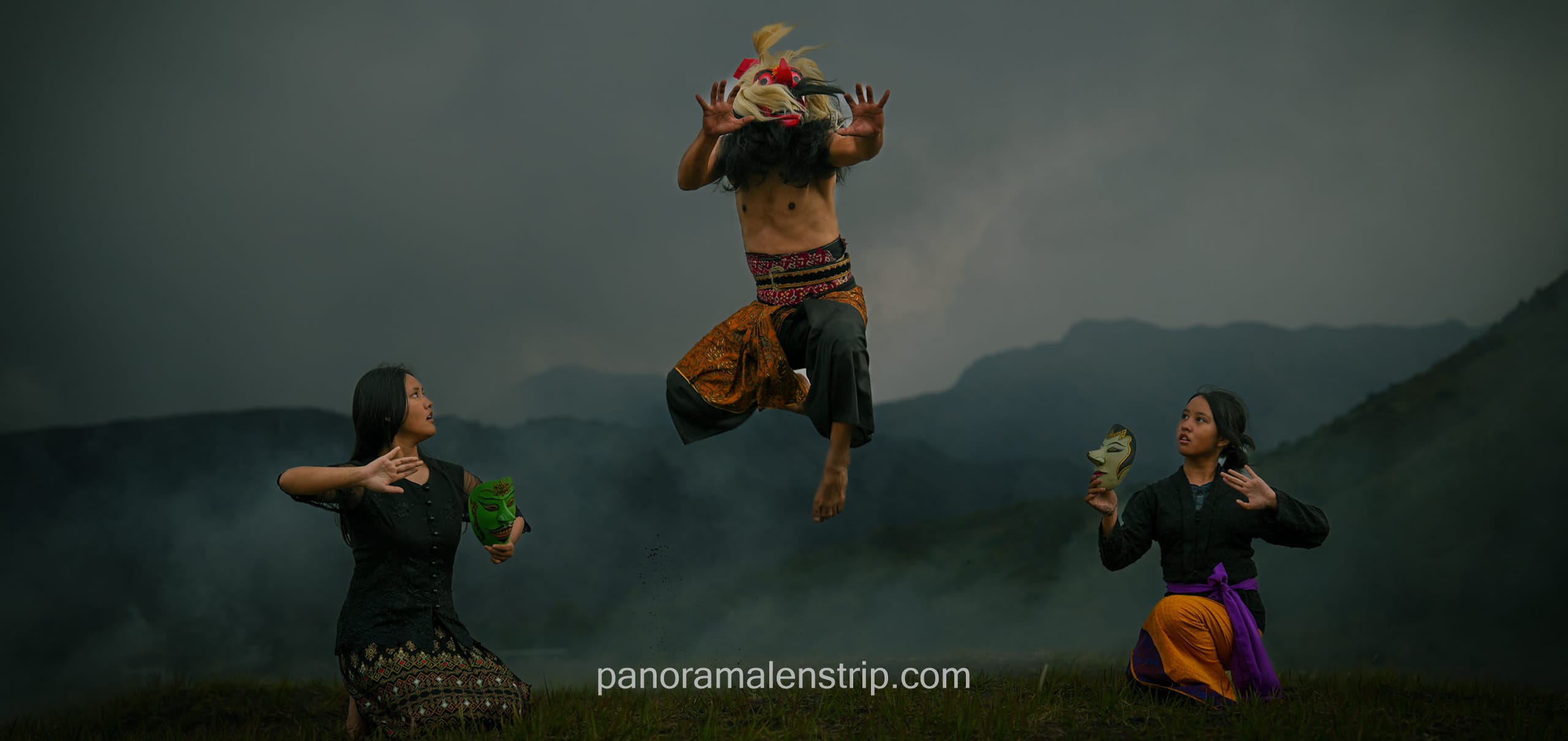
Kasada Festival Mount Bromo is one of Indonesia’s most sacred and visually striking cultural events. Held at an active volcano, the festival blends ancient belief, dramatic landscapes, and living tradition. Each year, the Tenggerese people gather to honor Mount Bromo through prayer and offerings.
The festival holds deep cultural and spiritual meaning. It reflects gratitude, devotion, and harmony between humans and nature. For local communities, it is not a performance but a sacred duty passed through generations.
Global travelers search for Kasada Festival Mount Bromo because it offers an authentic cultural experience. It is also one of the few festivals in the world held inside a volcanic crater. This makes it Indonesia’s most unique volcanic festival and a powerful symbol of cultural resilience.
What Is Kasada Festival Mount Bromo?
Kasada Festival Mount Bromo is an annual religious ceremony practiced by the Tenggerese Hindu community in East Java, Indonesia. The festival centers on giving offerings to Mount Bromo as a sign of gratitude and devotion. It is both a spiritual ritual and a major cultural event.
The Tenggerese people, descendants of the ancient Majapahit Kingdom, are the primary participants. Priests, elders, and families gather from villages around the Tengger Highlands. Visitors may observe respectfully, but the rituals are led entirely by the local community.
The festival takes place at Mount Bromo, within Bromo Tengger Semeru National Park. Key locations include the Sea of Sand, Poten Temple, and the volcano crater itself.
Kasada Festival Mount Bromo occurs once a year, usually between June and July. The exact date follows the Tenggerese lunar calendar, falling on the 14th day of the Kasada month. Ceremonies often continue overnight until early morning.
Meaning of Kasada in Tenggerese Beliefs
The word “Kasada” comes from the Tenggerese calendar and refers to a sacred lunar month. In Tenggerese beliefs, Kasada represents sacrifice, gratitude, and balance between humans and the natural world.
Spiritually, Kasada symbolizes sincere offering without expectation of return. It reflects the belief that prosperity and safety come from respecting higher forces. The act of giving is more important than the value of what is given.
Mount Bromo plays a central role in this belief system. The volcano is seen as a living, sacred entity rather than a natural threat. Through Kasada Festival Mount Bromo, the Tenggerese people maintain harmony with the mountain and honor it as a source of life and protection.
History and Origins of Kasada Festival
The origins of Kasada Festival Mount Bromo are rooted in ancient legend and royal history. According to Tenggerese folklore, the festival began with Roro Anteng and Joko Seger, a noble couple who founded the Tenggerese people.
The couple ruled the Tengger Highlands but remained childless for many years. They prayed to the gods of Mount Bromo for offspring. Their prayers were answered with one condition: the youngest child must be sacrificed to the volcano.
They were blessed with 25 children, but when the time came, they could not fulfill the promise. The volcano erupted, and their youngest son, Kesuma, was taken by the crater. From within the mountain, Kesuma asked his people to offer gifts annually.
Over centuries, this story shaped Kasada Festival Mount Bromo. The ritual evolved from legend into a structured religious ceremony, preserving faith, identity, and continuity for the Tenggerese community.
Myth Behind the Mount Bromo Sacrifice
Kesuma is central to the Kasada myth. He was the youngest child of Roro Anteng and Joko Seger and the promised sacrifice to the volcano gods. His disappearance marked a sacred covenant between the people and Mount Bromo.
Offerings are thrown into the crater to honor Kesuma’s request. The act represents remembrance, gratitude, and fulfillment of an ancient promise. For the Tenggerese, this ritual ensures protection, fertile land, and spiritual balance.
Religious and Cultural Significance Today
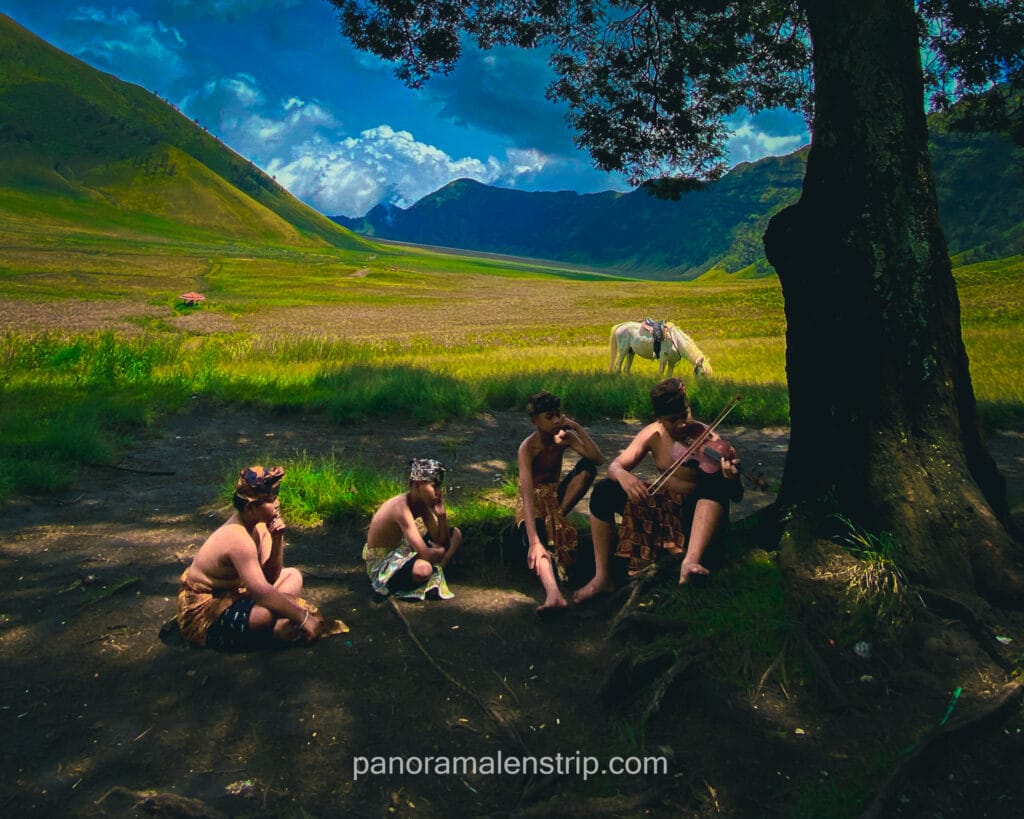
Today, Kasada Festival Mount Bromo remains a cornerstone of Tenggerese Hindu belief. The community practices a unique form of Hinduism blended with ancestral worship and local customs. Kasada is one of their most important religious observances.
Mount Bromo is viewed as a sacred ancestor rather than a geological feature. The volcano is believed to influence health, harvests, and harmony. Respecting it through ritual maintains cosmic balance.
Culturally, the festival strengthens community identity. Families prepare offerings together, elders pass down stories, and priests lead sacred chants. In a modern world, Kasada Festival Mount Bromo helps preserve language, belief, and tradition for future generations.
Also read: Tenggeresse Mount Bromo: The Guardians of the Volcano
Kasada Festival Rituals and Ceremonies Explained
Kasada Festival Mount Bromo follows a structured sequence of rituals rooted in tradition. Preparations begin days before the main event. Families gather crops, livestock, and symbolic items while priests prepare sacred prayers.
On the festival night, villagers dress in traditional Tenggerese attire. A solemn procession begins at Poten Temple, located in the Sea of Sand. Prayers, mantras, and offerings mark the start of the ceremony.
Around midnight, the procession moves toward Mount Bromo. Torches light the path as priests lead chants under the stars. The atmosphere is quiet, respectful, and deeply spiritual.
The central ritual takes place at the crater’s edge. Offerings are carefully thrown into the volcano as prayers are spoken. This act represents gratitude to the gods and remembrance of Kesuma.
Kasada Festival Mount Bromo concludes near sunrise. Participants return home believing the ritual will bring safety, fertile land, and harmony for the coming year.
What Offerings Are Thrown Into Mount Bromo?
Offerings during Kasada Festival Mount Bromo include crops such as rice, vegetables, and fruit. These symbolize gratitude for harvest and food security.
Livestock, including chickens or goats, represent prosperity and responsibility. Some families also offer money as a symbol of sacrifice and sincerity.
Each item carries spiritual meaning. The value lies not in wealth, but in intention. Through these offerings, the Tenggerese people express devotion, respect, and balance with Mount Bromo and the natural world.
When and Where Is Kasada Festival Celebrated?
Kasada Festival Mount Bromo is celebrated once a year according to the Tenggerese lunar calendar. The festival takes place on the 14th day of the Kasada month, which usually falls between June and July. Because the date follows lunar calculations, it changes slightly every year. Travelers should always confirm the exact date in advance.
The celebration occurs within Bromo Tengger Semeru National Park in East Java. The main ritual sites are spread across the volcanic landscape. The Sea of Sand serves as the central gathering area where processions begin. Poten Temple, a Hindu temple at the foot of Mount Bromo, is where priests lead prayers and blessings.
The final and most sacred location is the Mount Bromo crater. Here, offerings are thrown into the volcano during the peak of Kasada Festival Mount Bromo. These locations together create a powerful spiritual setting that cannot be found anywhere else in Indonesia.
Best Time to Arrive for Visitors
Visitors should arrive in the late afternoon or early evening. Most rituals begin at night and continue until sunrise. Arriving early allows time to adjust to altitude and crowds.
Weather conditions are cold, especially after sunset. Temperatures can drop below 10°C, and strong winds are common. Dry season weather is more predictable, but fog can still appear.
Crowds peak around midnight near the crater. Early arrival helps secure safe viewing spots and avoids last-minute congestion during Kasada Festival Mount Bromo.
How to Visit Kasada Festival Mount Bromo
Visiting Kasada Festival Mount Bromo requires preparation and respect for local customs. All visitors must enter through official park gates and pay the national park entrance fee. During the festival, access may be limited near sacred areas, so follow ranger instructions carefully.
Park rules prohibit littering, drone use without permission, and climbing restricted areas. Visitors should remain behind safety barriers near the crater. These rules protect both people and sacred spaces.
Modest dress is essential. Wear long pants, covered shoulders, and neutral colors. Traditional attire is reserved for the Tenggerese people. Loud behavior and disruptive actions should be avoided during rituals.
Travelers can visit independently or with a guided tour. Guided visits offer cultural explanations, safer navigation, and better timing. Independent travelers must plan transport, permits, and schedules carefully. For first-time visitors, guided tours are often the better option during Kasada Festival Mount Bromo.
Mount Bromo Access Routes
From Surabaya, travel takes about four to five hours by car. This is the most common route for international travelers.
From Malang, the journey is shorter and offers scenic mountain views. Malang is a popular base for budget travelers.
From Probolinggo, access is faster to the park entrance. Many local guesthouses and jeep services operate from this town.

Best Travel Tips for Kasada Festival Visitors
Wear warm clothing, including jackets, gloves, and sturdy shoes. The volcanic sand is uneven, and temperatures drop sharply at night.
Stay a safe distance from the crater edge at all times. Volcanic gases, loose rocks, and strong winds create real risks during Kasada Festival Mount Bromo.
Photography is allowed, but always be respectful. Avoid using flash during prayers and never block processions for photos. Ask permission before photographing people.
Sacred spaces should be treated with silence and respect. Do not touch offerings or ritual objects. Observing quietly shows appreciation for the spiritual importance of the festival.
Kasada Festival Mount Bromo vs Other Indonesian Festivals
Kasada Festival Mount Bromo differs greatly from Nyepi, the Balinese Day of Silence. Nyepi focuses on stillness and complete shutdown, while Kasada centers on active ritual and offering.
Compared to Galungan, which celebrates ancestral spirits with decorations and family gatherings, Kasada is more solemn and nature-focused. Galungan takes place in villages, while Kasada unfolds in a volcanic landscape.
The greatest advantage of Kasada Festival Mount Bromo is its setting. No other Indonesian festival takes place at the edge of an active volcano, making it visually and spiritually unique.
Common Mistakes Tourists Make During Kasada Festival
Standing too close to the crater is a serious mistake. The edge is unstable and dangerous, especially at night.
Some tourists unintentionally disrespect rituals by talking loudly or interrupting ceremonies. This behavior is deeply offensive to the local community.
Ignoring weather risks is also common. Cold temperatures, fog, and wind can affect health and visibility. Proper clothing and planning are essential during Kasada Festival Mount Bromo.
Is Kasada Festival Worth It for International Travelers?
This event offers genuine cultural authenticity. It is not staged for tourism and remains deeply meaningful to the Tenggerese people.
The visual spectacle is unforgettable. Fire-lit processions, volcanic landscapes, and night rituals create powerful memories.
The festival also provides educational value. Visitors gain insight into Indonesian Hindu traditions, local mythology, and sustainable cultural practices. For travelers seeking meaningful experiences, Kasada Festival Mount Bromo is truly worth visiting.
Sustainable Tourism and Cultural Preservation
Tourism brings income but also pressure to the Tenggerese community. Overcrowding and disrespectful behavior can threaten sacred traditions.
Responsible travel practices help reduce impact. Follow rules, hire local guides, and avoid harmful activities near the volcano.
Supporting local communities through homestays, local food, and crafts helps preserve this event. Sustainable tourism ensures the festival remains authentic for future generations.
Frequently Asked Questions About Kasada Festival Mount Bromo
What is Kasada Festival Mount Bromo?
It is an annual Tenggerese Hindu ritual honoring Mount Bromo. The festival involves offerings and prayers at the volcano.
Is Kasada Festival open to tourists?
Yes, tourists may observe respectfully. Participation in rituals is limited to the local community.
When does Kasada Festival take place each year?
It occurs on the 14th day of the Kasada month. This usually falls between June and July.
Why are offerings thrown into Mount Bromo?
Offerings honor the gods and the legend of Kesuma. They symbolize gratitude and spiritual balance.
Is Kasada Festival dangerous to attend?
It is safe if rules are followed. Visitors must keep distance from the crater and obey authorities.
What religion celebrates Kasada Festival?
The festival is celebrated by the Tenggerese Hindu community. Their beliefs combine Hindu and ancestral traditions.
How long does Kasada Festival last?
The main ceremony lasts one night. Preparations and related rituals may continue for several days.
Conclusion: Plan Your Visit to Kasada Festival Mount Bromo
Kasada Festival Mount Bromo offers a rare blend of faith, culture, and volcanic beauty. Visiting responsibly allows travelers to witness one of Indonesia’s most sacred traditions. Plan ahead, respect local customs, and experience a festival found nowhere else on Earth.


[…] Also read: Kasada Festival Mount Bromo: Rituals, History & Travel Tips […]