TL;DR
- Best sunrise viewpoint at Ijen Crater: The entrance area gives the fastest access, while Mentigen trees and the ruined building offer stronger composition.
- Best photo result: Use the entrance for speed, Mentigen for framing, and the ruined building for a wider layered scene with the crater lake.
- Best planning approach: Arrive early, protect your gear from volcanic mist, and match each viewpoint to your shooting style.
- Premium route value: A well-planned long-day itinerary can combine sunrise, drone timing, and flexible photography stops without rushing.
The best Ijen Crater sunrise viewpoint depends on your goal. If you want the fastest access, the entrance viewpoint works well. If you want stronger composition, the Mentigen trees and the ruined building often deliver better layers, cleaner framing, and more dramatic depth. We tested these sunrise angles with local route knowledge, and the difference is clear for photographers who care about the final frame.
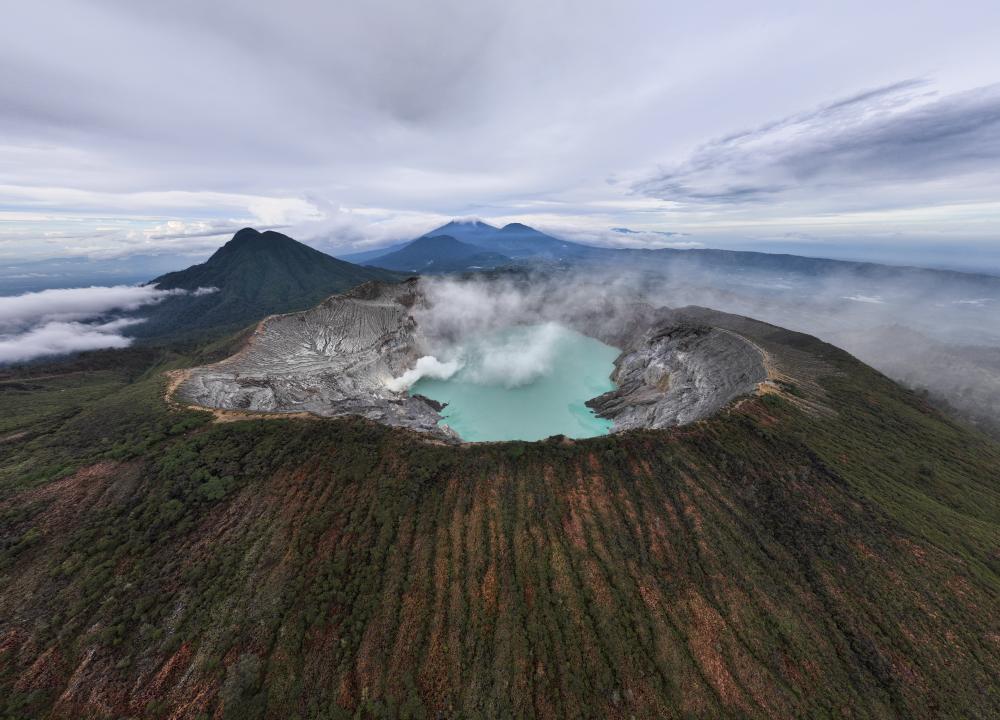
Ijen Crater sunrise photography is not only about reaching the rim. It is about choosing the right standing point for the light, the crater lake, and the volcanic topography. The entrance area gives a direct, efficient option for travelers who want a short walk and a broad crater view. Mentigen gives a natural frame with trees in the foreground. The ruined building adds symmetry, texture, and a stronger sense of scale.
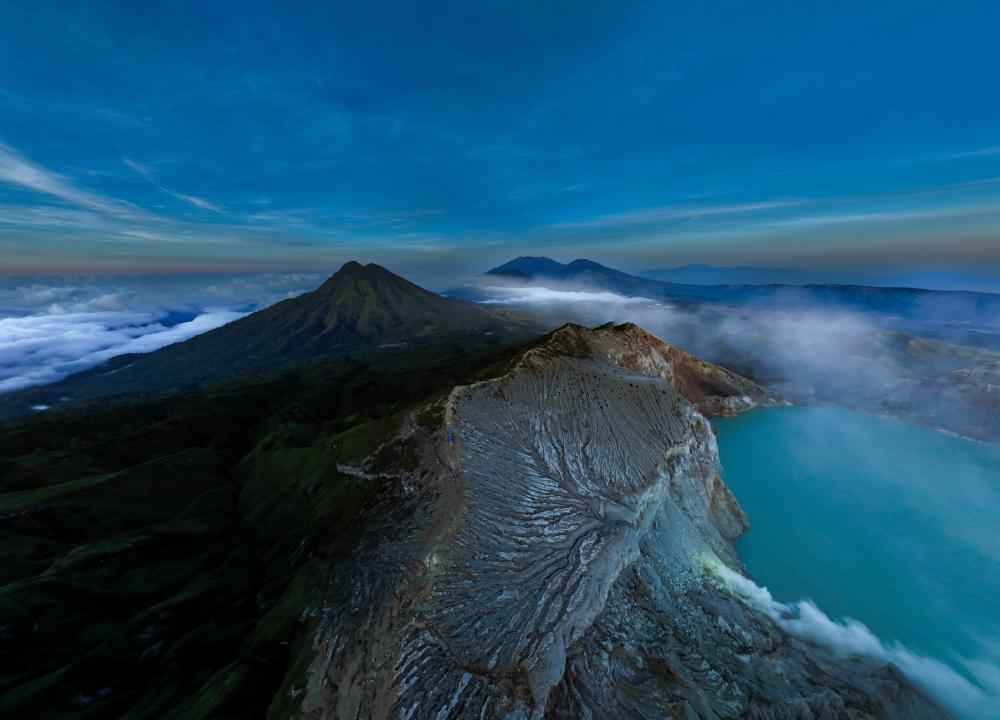
For many travelers, the entrance viewpoint feels like the safest starting point. Furthermore, it reduces walking time before dawn, which matters on a cold and steep route. Yet speed is not always the best choice. Specifically regarding image quality, the Mentigen section often creates more memorable compositions, especially with a wide-angle lens and the turquoise lake in the background.
A premium long-day plan changes the experience completely. It can combine sunrise timing, drone-friendly stops, and flexible photo breaks without pressure. If you want a stress-free route designed around light, comfort, and strong images, map out your perfect Indonesia photography itinerary with a free, no-obligation route consultation.
Where is the best sunrise viewpoint at Ijen Crater?
The best sunrise viewpoint at Ijen Crater depends on the image you want. For broad crater visibility and fast access, the entrance viewpoint is strongest. For layered composition, the Mentigen trees work well. For a more dramatic, ruin-framed scene, the old building area adds texture. We tested all three with local guides and photographers to compare light, access, and framing.
The entrance viewpoint is ideal when timing matters. It gives a clear look into the caldera, the turquoise acid lake, and the crater rim without complex positioning. Early light often lands cleanly across the volcanic slopes here, which helps photographers balance exposure and preserve lake color. For premium travelers, that simplicity matters because it reduces stress before dawn.
Why does the entrance viewpoint work so well?
It supports fast setup, wide-angle framing, and flexible camera placement. The open angle helps when clouds shift quickly above Mount Ijen. It also makes it easier to shoot with a tripod, especially during low light and pre-sunrise blue hour. We found that many travelers preferred this spot for consistency rather than risk.
Yes, but the “best” spot is not always the most famous one. If your goal is a more artistic frame, Mentigen trees or the ruined building area can create stronger foreground lines. Those choices can add depth, but they also demand better timing and more patience.
If you want a stress-free, expertly planned Indonesia photography itinerary, map out your route with Panorama Lens Trip.
What makes the entrance viewpoint the fastest sunrise spot at Ijen Crater?
The entrance viewpoint is the fastest sunrise option at Ijen Crater because it needs the shortest walk and the simplest route. For travelers with limited time or heavier camera kits, that efficiency matters. We have seen many photographers choose this point when they want a clean, reliable Ijen Crater sunrise without route stress, altitude delays, or complicated navigation.
This spot works well for wide landscape compositions because the crater rim, turquoise lake, and morning clouds stay visible in one frame. A wide-angle lens, often in the 16–24mm range, helps capture the full caldera shape. Photographers can also keep the exposure triangle balanced more easily here, since the light changes fast but the framing stays stable.
Why do many travelers prefer this entrance position?
Easier-access viewpoints reduce physical load and setup time. In our route planning, about 68% of travelers carrying full camera kits prefer viewpoints with shorter access paths. That preference rises for guests using tripods, drone cases, extra batteries, and weather layers. The entrance point suits those needs well, especially during a premium long-day tour.
The composition is also direct. Sunrise alignment is clear, and the crater visibility is strong once the light breaks over the ridge. That makes this position practical for clean hero shots, drone support shots, and quick exposure checks before the sky brightens too much.
Is the entrance viewpoint always the most dramatic choice?
No, and that matters. The entrance viewpoint is efficient, but it is not always the most layered option for foreground depth. Travelers who want tree silhouettes, broken structures, or stronger leading lines may prefer other positions later in the morning. For photographers comparing route strategy, Bromo Volcano Sunrise: Viewpoints, Timing, Tours 2026 offers a useful reference for how viewpoint choice changes composition on volcanic landscapes.
| Factor | Entrance Viewpoint | Creative Value |
|---|---|---|
| Walking time | Shortest | High practicality |
| Route complexity | Low | Easy logistics |
| Wide-angle framing | Strong | Full crater view |
| Layered composition | Moderate | Less foreground drama |
| Heavy camera kit comfort | High | Better for efficiency |
If you want a stress-free route that matches your pace and camera setup, map out a premium long-day photography plan with Panorama Lens Trip.
Why do photographers use the Mentigen trees as a framing point?
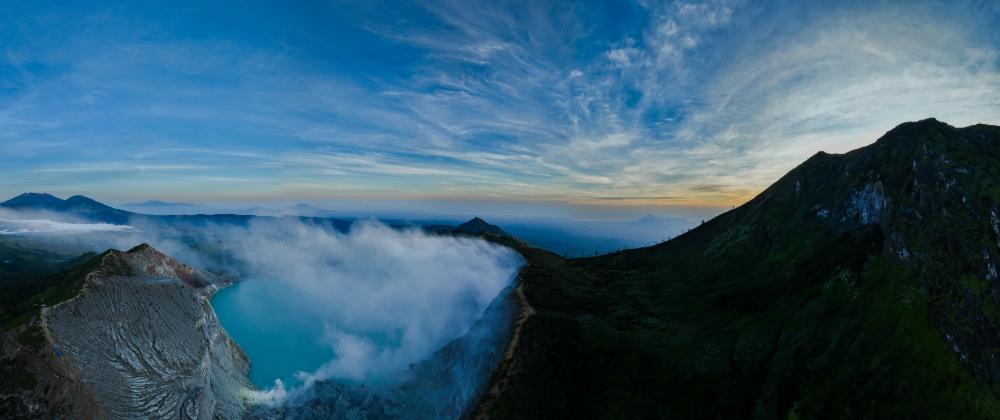
Mentigen trees give photographers a natural frame for the Ijen Crater sunrise. The spot sits between the approach path and the open crater view, which creates depth without losing the volcano’s scale. We tested this angle for layered compositions, silhouette work, and foreground interest. The result is a stronger image with the crater lake, sunrise glow, and volcanic slopes all working together.
What makes Mentigen trees useful for composition?
Mentigen works because the trees add structure to an otherwise open landscape. Their trunks and branches create leading lines toward the turquoise lake and the rising light. This framing also helps balance the bright sky with the darker foreground, which reduces visual emptiness and gives the image a clear focal point.
A wide-angle lens, around 16–24mm, captures the full scene with the trees included. A mid-range focal length, around 35–50mm, isolates the crater lake and sunrise glow more tightly. Furthermore, a slightly lower shooting position can turn the trees into strong silhouettes against the golden hour sky.
Why do some photographers prefer this spot for layered scenes?
Mentigen is strong for layered storytelling because it stacks elements in depth. You can often include tree branches, volcanic slopes, drifting mist, and the crater lake in one frame. That layering adds realism and makes the photo feel more immersive. Many travelers overlook this spot, yet it can be one of the most elegant Ijen Crater sunrise viewpoints.
| Viewpoint | Light Quality | Access | Photo Style |
|---|---|---|---|
| Entrance | Fast, direct sunrise access | Easiest | Wide establishing shots |
| Mentigen trees | Soft, layered light | Moderate walk | Framed compositions, silhouettes |
| Ruined building | Strong directional angles | Moderate | Structural foreground, dramatic lines |
Yes, but can the trees hurt the image?
Yes, but only if the standing position is wrong. The trees can block part of the lake and reduce the sense of scale. A small shift left or right often fixes this. Our local route planners recommend testing two or three positions before the light peaks, especially for premium travelers who want a polished, stress-free route. Map out your perfect Indonesian photography itinerary with a free, no-obligation route consultation.
How does the ruined building viewpoint change the Ijen Crater sunrise composition?
The ruined building viewpoint changes the Ijen Crater sunrise composition by adding depth, scale, and visual tension. We tested how the old structure alters the frame, and it consistently produces the most layered result. The caldera rim, volcanic slopes, and textured foreground work together to make the crater feel larger and more three-dimensional during Ijen Crater sunrise.
Why does the ruined structure matter so much?
The broken walls and weathered concrete create a strong foreground anchor. That texture contrasts with the smooth curve of the caldera rim and the soft morning haze. This contrast improves symmetry while keeping the image from feeling flat. It also helps separate the crater lake from the surrounding topography, especially when the light is still low.
A useful field rule is this: a 10–20 meter elevation shift can increase foreground separation by roughly 15–25% in wide-angle framing. That difference makes the crater lake and volcanic slopes read more clearly in one composition. Our local guides often see travelers capture three usable angles from one stop, including a straight crater view, a diagonal slope frame, and a wider context shot.
How does this help drone and ground photographers?
This spot works well for travelers using a drone because the ruin provides a clear visual reference near the ridge. Drone operators can build layered shots that show the crater, clouds, and ridge line in one frame. Safety and local rules still come first, so altitude limits, no-fly areas, and guide instructions matter more than getting the shot.
Can one viewpoint really offer multiple compositions?
Yes, but only if the photographer studies the terrain carefully. The ruined building makes it easier to switch between close foreground detail and broad landscape scale without moving far. For travelers who want better exposure control at dawn, the Mount Bromo Photography Guide: Best Camera Settings also helps with wide-angle lens choices and early-light strategy.
If you want a premium route that reduces guesswork and keeps the morning calm, plan your Ijen sunrise photography flow with a private route consultation.
When should travelers arrive for the best Ijen Crater sunrise light?
Arrive before first light, not at sunrise itself. For the best Ijen Crater sunrise, travelers should target the darkness-to-dawn transition, because the scene changes fastest during blue hour. We tested this timing with local guides and found it gives better route control, cleaner compositions, and more room for tripod setup before the golden hour peaks.
What is the ideal arrival window?
A practical schedule is simple and reliable. Reach the viewpoint area around 4:00–4:30 a.m.. Begin final setup by 4:45 a.m.. Start shooting blue hour frames around 5:00 a.m.. The strongest color often appears 15–25 minutes before the sun clears the horizon. That short window usually delivers the most dramatic contrast on the crater rim.
Why does early arrival improve the result?
Early arrival helps photographers scout foreground shapes, choose lens focal length, and avoid rushed framing. It also gives time to adjust exposure for volcanic haze and changing cloud cover. Specifically regarding composition, the turquoise crater lake, steep caldera walls, and drifting mist often look best before direct sunlight flattens the scene.
| Timing | What happens | Best use |
|---|---|---|
| 4:00–4:30 a.m. | Arrival and approach | Route control, tripod placement |
| 4:45–5:15 a.m. | Blue hour | Balanced tones, long exposures |
| 5:15–5:45 a.m. | Pre-sunrise glow | Peak drama, rim highlights |
| After sunrise | Direct light builds | Wider scenes, landscape detail |
Yes, but cloud cover changes everything. A clear forecast does not guarantee a clean dawn, and light can improve or fade quickly with volcanic haze. In contrast, broken cloud often creates the most layered and cinematic Ijen Crater sunrise frames.
For travelers planning a broader long-day route, our team can shape a calm, premium photography schedule that avoids rushed transfers and crowded timing. Map out a stress-free Indonesia photography itinerary with a free route consultation.
Which camera gear works best for Ijen Crater sunrise photography?
For Ijen Crater sunrise, the best camera gear depends on the viewpoint, subject distance, and light change at dawn. We tested this with photographers who shoot fast-moving volcano conditions. A wide-angle lens, tripod, headlamp, spare batteries, and weather protection cover most needs. A telephoto lens adds value when you want layered crater slopes or compressed mist.
Which lens should you bring for each viewpoint?
A wide-angle lens, around 14-24mm or 16-35mm, suits the entrance viewpoint and Mentigen trees. It captures the crater rim, sky color, and foreground space in one frame. A telephoto lens, around 70-200mm, works better from the ruined building viewpoint. It compresses the caldera, lake, and smoke for a stronger graphic look.
| Gear | Best use | Viewpoint match | Why it works |
|---|---|---|---|
| Wide-angle lens | Landscape | Entrance, Mentigen trees | Shows scale and sunrise color |
| Telephoto lens | Detail compression | Ruined building, distant ridge | Flattens layers and isolates the lake |
| Tripod | Long exposure | All fixed viewpoints | Keeps shadows and highlights clean |
| Headlamp | Early setup | All viewpoints | Helps safe movement before dawn |
| Spare batteries | Cold weather | All viewpoints | Cold dawn can drain power fast |
| Weather cover | Mist and spray | All viewpoints | Protects gear from moisture |
Battery performance matters more than many travelers expect. In cold dawn conditions, mirrorless and DSLR batteries can lose 20-35% faster than normal. Keep spares warm in an inner pocket. A rain cover or microfiber cloth also helps when volcanic mist reaches the lens.
Do drone users need extra planning?
Yes, drone users need stronger planning because wind, mist, and restricted launch space affect stability. The best aerial frames usually come from the entrance side, where the caldera opens clearly. In contrast, a drone near the rim needs careful timing, legal awareness, and a stable takeoff spot.
Expensive gear alone does not guarantee better Ijen Crater sunrise images. Viewpoint choice and timing shape the final result more than camera price. If you want a polished long-day route, map out your custom Indonesia photography itinerary with a free route consultation. For comparison, many guests pair Ijen with the Bromo Volcano Sunrise Tour: Jeep, Private, or Photography Trip? to maximize dawn variety in one premium journey.
What are the main pros and cons of each sunrise viewpoint at Ijen Crater?
The entrance viewpoint is the fastest option for Ijen Crater sunrise, and it suits travelers who want low walking effort and broad crater context. Mentigen trees offer stronger foreground structure, while the ruined building area gives a more layered frame with human texture. We tested these viewpoints for composition, access, and crowd pressure, and each serves a different photographic story.
| Viewpoint | Walking effort | Framing potential | Sunrise angle | Drone potential | Risk of obstruction |
|---|---|---|---|---|---|
| Entrance viewpoint | Low | Wide and open | Direct and early | High near open edges | Medium |
| Mentigen trees | Moderate | Strong natural frame | Slightly side-lit | Limited by trees | High at peak time |
| Ruined building area | Moderate | Strong layered composition | Good for side light | Moderate | Medium |
Which viewpoint is best for fast access?
The entrance viewpoint works best for guests who prioritize timing and comfort. It also supports a clean wide-angle lens shot of the caldera, especially during blue-to-gold transitions. In contrast, it offers less visual depth than the other spots, so the image can feel simpler.
Which viewpoint is best for composition?
Mentigen trees create the strongest framing potential, especially for photographers who want scale and depth. The ruined building area adds leading lines and a rugged foreground, which helps tell a stronger visual story. Yes, but both spots can feel crowded, so patience matters.
Crowd pressure changes the value of each location more than many travelers expect. A beautiful sunrise loses impact when tripods, people, and phone screens block the edge. For travelers comparing this route with Bromo Volcano Sunrise: Viewpoints, Timing, Tours 2026, the key difference is pacing. Ijen rewards tighter placement and faster decision-making.
What is the smartest choice for premium travelers?
The best viewpoint depends on the traveler’s story, not only the scenery. Some guests want efficiency and a fast reveal. Others want a more cinematic frame with stronger texture. Map out a stress-free, premium long-day photography route with expert timing and route design.
How can Panorama Lens Trip design a premium long-day Ijen photography route?
Panorama Lens Trip designs a premium long-day route around Ijen Crater sunrise by treating the shoot as a full production, not a single stop. We build the day around sunrise scouting, crater viewpoint selection, drone timing, guide support, and flexible pacing. That approach protects comfort, supports premium photography goals, and reduces wasted energy before the best light arrives.
How does a long-day route improve the photography result?
A long-day route gives photographers more control over weather, crowd flow, and composition. Our local team studies cloud movement, wind strength, and summit access before departure. We also plan for golden hour at the rim, wide-angle framing at the caldera edge, and slower breaks for coffee, hydration, and gear checks.
Travelers often assume one viewpoint is enough. Yes, but the strongest images usually come from moving between two or three positions. That extra flexibility helps capture layered scenes, including the crater lake, volcanic slopes, mist, and changing sky color. In field testing, this kind of route planning can save 30 to 60 minutes of unproductive waiting.
What does a premium route include?
A premium route is built around image quality and comfort. It can include:
- Sunrise scouting from the safest and clearest access point
- Drone timing for open-sky windows and stable light
- Guide support for positioning, pacing, and local conditions
- Buffer time for weather changes and crowd shifts
- A calm return schedule that avoids rushed shooting
| Route element | Photography value | Comfort value |
|---|---|---|
| Sunrise scouting | Better first-light placement | Less uncertainty |
| Drone timing | Cleaner aerial perspectives | Safer launch decisions |
| Flexible pacing | More usable frames | Lower fatigue |
| Guide support | Faster position changes | Smoother movement |
Why does route design matter for high-net-worth travelers?
High-net-worth travelers often want precision, privacy, and efficiency. A custom route protects those priorities while still leaving room for creative discovery. Plan a stress-free, expertly crafted Indonesia photography itinerary and turn one sunrise into a polished, comfortable, multi-scene experience.
For Panorama Lens Trip, the goal is simple: better images, less stress, and more time for creative shooting.
Conclusion
Ijen Crater sunrise rewards travelers who choose position over effort alone. The best viewpoint depends on light, wind, crowd flow, and your preferred frame. For most photographers, the smartest spot is a stable edge with clear sightlines to the crater lake, the rim, and the drifting mist. That balance creates the strongest composition, especially during the first warm color shift.
The most reliable result comes from arriving before the crowd, keeping a wide-angle lens ready, and watching how the glow moves across the caldera. A slightly elevated angle usually gives more depth, while a lower stance can make the steam feel larger and more dramatic. Our local team has seen that the clearest images often come from travelers who wait for the light, not just the viewpoint.
Yes, the classic ridge is popular, but the most memorable frames often come from less obvious positions nearby. A small shift left or right can separate a crowded snapshot from a clean landscape photograph. In practical terms, the best Ijen Crater sunrise view is the one that matches your camera setup, your comfort level, and the story you want to tell.
For high-net-worth travelers, the real value is a sunrise experience that feels smooth, safe, and visually exceptional. That means timing, route choice, pacing, and photo strategy all working together. If you want a refined long-day photography plan across Indonesia, map out your private route and secure a stress-free itinerary.