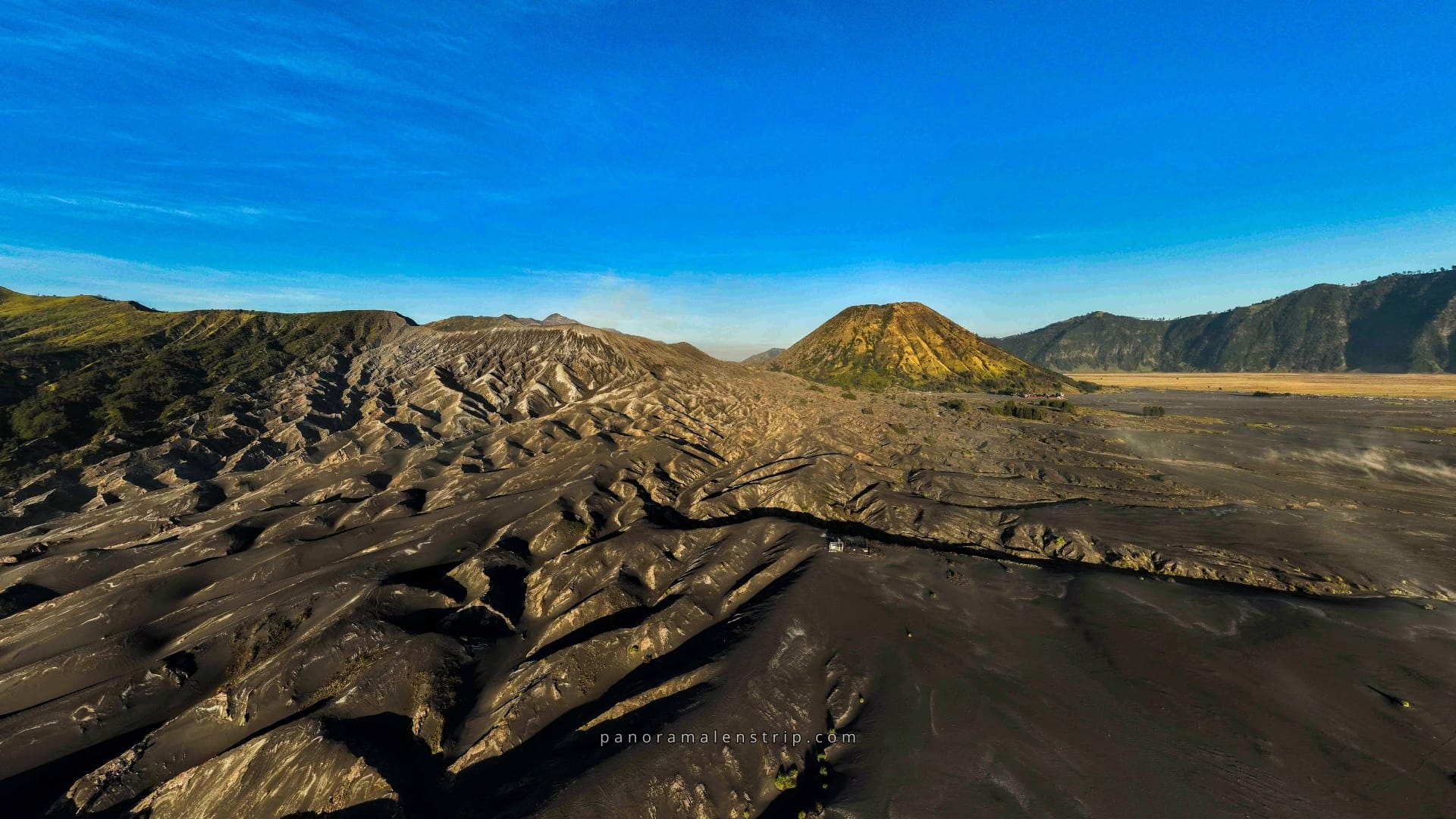
The mist rolling over the Tenggerese culture at Bromo hides more than just a volcano; it shrouds a civilization that has survived for centuries in the “Sea of Sand.” While millions flock to Mount Bromo for the sunrise, few pause to understand the guardians of this land. The Tenggerese people, often called the “people of the high country,” are the last living link to the Majapahit Empire.
Visiting Bromo without understanding its culture is seeing the shell but missing the soul. This guide takes you beyond the Instagram viewpoints and into the smoky kitchens (pawon) and sacred rituals that define life on the edge of an active volcano.
Who Are the Tenggerese People? (The Majapahit Descendants)
The Tenggerese are an indigenous ethnic group of approximately 100,000 people living in the isolated highlands of the Bromo-Tengger-Semeru National Park. Unlike the majority of Java, which converted to Islam centuries ago, the Tenggerese retained their ancestral Hindu-Buddhist beliefs, creating a unique religious pocket known as Hindu Tengger.
The Legend of Roro Anteng and Joko Seger
Every Tenggerese child knows the story of their origin. It begins with Roro Anteng, a princess of the Majapahit Empire, and Joko Seger, a Brahmin priest, who fled to these mountains to escape spreading Islamic influence. The name “Tengger” is a portmanteau of their names: Teng-ger (from Roro An-teng) and Teng-ger (from Joko Se-ger).
Their pact with the mountain gods—to sacrifice their 25th child, Kesuma, into the crater to save their people—forms the basis of the modern Tenggerese culture at Bromo.
Life in the Villages
- Religion: A syncretic blend of Hinduism, Buddhism, and Animism. They worship Sang Hyang Widhi Wasa (God Almighty) but have no caste system.
- Language: They speak a dialect of Javanese called Javanese Tengger, which preserves ancient Kawi vocabulary.
- Livelihood: Mostly vegetable farmers (cabbage, potatoes, onions) who cultivate the steep caldera slopes.
Key Takeaway: The Tenggerese are not just residents; they consider themselves the spiritual custodians of Mount Bromo.
The Sacred “Pawon” Culture: More Than Just a Kitchen
If you want to truly understand Tenggerese culture at Bromo, you must be invited into a Pawon. In most cultures, the living room is for guests. Here, the kitchen is the heart, the school, and the courtroom.
The Prapen (Fireplace)
Every traditional house has a prapen, a wood-burning fireplace that never truly goes out. In the biting cold of the highlands (often dropping to 5°C), the fire represents life.
- Guest Reception: Guests are welcomed directly into the kitchen to warm up by the fire.
- Wisdom Transfer: Elders pass down oral history and moral values to children while tending the flames.
- Conflict Resolution: Family disputes are solved facing the fire, which is believed to burn away anger and lies.
Image Suggestion: A dimly lit photo of a Tenggerese family sitting on low stools around a crackling wood fire in a simple wooden room.
Alt Text: Tenggerese family gathering around the traditional Pawon fireplace in a Bromo village.
Yadnya Kasada: The Famous Volcano Offering Ceremony
The most visible expression of Tenggerese culture at Bromo is the Yadnya Kasada festival. Held annually on the 14th day of the Kasada month (usually June or July), it is a spectacle of faith that draws thousands.
The Ritual Procession
- Prayers at the Poten: The community gathers at Pura Luhur Poten, the temple at the volcano’s base.
- The Ascent: Pilgrims trek up the crater rim in the dark, carrying offerings (ongkek).
- The Sacrifice: At sunrise, offerings ranging from rice and fruit to live chickens and goats are thrown into the steaming crater.
Participating vs. Observing
- Respect the Zone: Tourists must stay behind the designated prayer lines.
- The “Net Catchers”: You will see locals standing inside the crater rim with nets trying to catch the offerings. This is not disrespectful; it is part of the tradition—they believe catching the offerings brings good luck.
| Feature | Details |
| Date | 14th of Kasada Month (Lunar Calendar) |
| Location | Pura Luhur Poten & Bromo Crater Rim |
| Primary Goal | Appease the mountain gods & ask for safety |
| Tourist Access | Open, but strictly regulated zones |
Beyond Kasada: Lesser-Known Tenggerese Rituals
While Kasada gets the fame, other rituals are equally vital to the Tenggerese culture at Bromo.
Ojung (The Rain Ritual)
When the dry season threatens the crops, the men perform Ojung. This is a ritualized fight where two men whip each other with rattan sticks.
- The Rules: Competitors are bare-chested and strike each other’s backs.
- The Meaning: It is not about violence; it tests bravery and purity. The blood spilled is believed to invite rain from the heavens.
- Atmosphere: Despite the whipping, the mood is joyous, accompanied by gamelan music and laughter.
Karo (Feast of the Spirits)
Held in the second month (Karo), this is akin to a “Day of the Dead.” Villagers visit cemeteries to clean graves and offer food to ancestor spirits. It emphasizes that the bond between the living and the dead is never broken.
Tenggerese Architecture: The Philosophy of “Omah Adat”
Traditional Tengger houses (Omah Adat) are disappearing but can still be found in villages like Ranupani. They are built on a philosophy of humility and function.
Structural Hierarchy
- Omah Ngarep (Front House): Usually a simple reception area, often empty.
- Omah Mburi (Back House): This is where the Pawon is located. In older traditions, guests would bypass the front house and go straight to the back, symbolizing that intimacy matters more than formality.
- Orientation: Houses traditionally face Mount Bromo, acknowledging the mountain as the source of their blessings.
Atomic Fact: Traditional houses use minimal windows to trap heat and prevent evil spirits from entering.
Cultural Etiquette: How to Visit Respectfully
Tourists often unintentionally offend locals. Follow these rules to respect Tenggerese culture at Bromo.
The “Don’ts” of Bromo
- Do not step on offerings: Small woven palm leaf baskets (canang sari) are placed on streets and thresholds. Stepping on them is a grave insult.
- No “Bra Photos”: Recently, tourists have stripped down to sports bras for photos on the crater rim. This is highly offensive in a modest, religious site.
- Head Height: Never stand on a temple wall or sit in a position where your feet point at a shrine or priest.
The “Dos” for Travelers
- Dress Modestly: Cover shoulders and knees when entering villages or temple areas. A sarong and sash (selendang) are appreciated.
- Ask Permission: Before photographing a local praying or inside their home, always ask. A smile and a nod go a long way.
- Silence: Keep your voice down near Pura Luhur Poten, especially if a ceremony is in progress.
Authentic Cultural Experiences for Travelers
Skip the generic “Jeep Sunrise” package. Here is how to experience the real Tenggerese culture at Bromo.
1. Stay in a Homestay (Not a Hotel)
Choose a locally owned homestay in Tosari or Ngadas. Ask your host if you can join them in the pawon for tea. This is where the real conversations happen.
2. Visit the “Vegetable Oceans”
Take a walk through the terrifyingly steep onion and cabbage fields. You will likely meet farmers who are happy to chat.
- Tip: Buy some produce from them directly as a gesture of support.
3. Hire a Local Guide
Instead of a driver from Surabaya, hire a Tenggerese guide. They can explain the myths of the landscape (like the “Teletubbies Hill” or “Whispering Sands”) through the lens of their folklore, not just geology.
FAQ: Tenggerese Culture at Bromo
1. Can tourists enter the Pura Luhur Poten temple?
Generally, no. The inner sanctum is reserved for Hindu worshippers, but you can view the architecture and rituals clearly from the outer perimeter.
2. Is it safe to attend the Yadnya Kasada festival?
Yes, it is safe, but expect massive crowds and freezing temperatures; arrive 4-5 hours early if you want a viewing spot.
3. What is the best village to see traditional culture?
Ngadas village is known as a “Cultural Village” and retains more traditional architecture and rituals than the more touristy Cemoro Lawang.
4. Do Tenggerese people eat pork?
Yes, unlike their Muslim neighbors, many Tenggerese consume pork, though their diet is primarily vegetarian due to agriculture.
5. How do I greet a Tenggerese local?
A smile and a slight bow with the hands pressed together (the Sembah gesture) is universally respectful.
6. Can I fly a drone over the ceremonies?
No, flying drones over religious ceremonies like Kasada is considered intrusive and disrespectful unless you have explicit permission from the village elders.
7. What language do they speak?
They speak Javanese Tengger and Indonesian; most in the tourism industry speak basic English.
Conclusion
The Tenggerese culture at Bromo is a testament to resilience, balancing a life between fire and ice. By respecting their Pawon, understanding their rituals, and treading lightly on their sacred sands, you become more than a tourist—you become a guest. Next time you visit Bromo, look away from the sunrise for a moment and look toward the people who have kept the mountain’s spirit alive for a thousand years.
Also read: Bromo Photography: A Guide to Capture the Magic of Mount Bromo