TL;DR
- Detour value: Goa Tetes Waterfall is worth adding for travelers who want a quieter, close-up contrast to Tumpak Sewu.
- Trail conditions: Expect a demanding route with wet, slippery rocks; local guidance and careful footing matter.
- Photo opportunities: Mossy cliffs, cave-like recesses, and flowing water reward photographers prepared for spray and low light.
Goa Tetes Waterfall is worth the extra hike if you want more than Tumpak Sewu’s sweeping panorama. The detour leads to a different scene: water seeping across rugged cliffs, moss-covered rocks, and a cave-like recess. However, the route can be slippery and physically demanding, so it suits travelers comfortable with uneven terrain. We recommend treating Goa Tetes as a rewarding extension, not a quick photo stop.
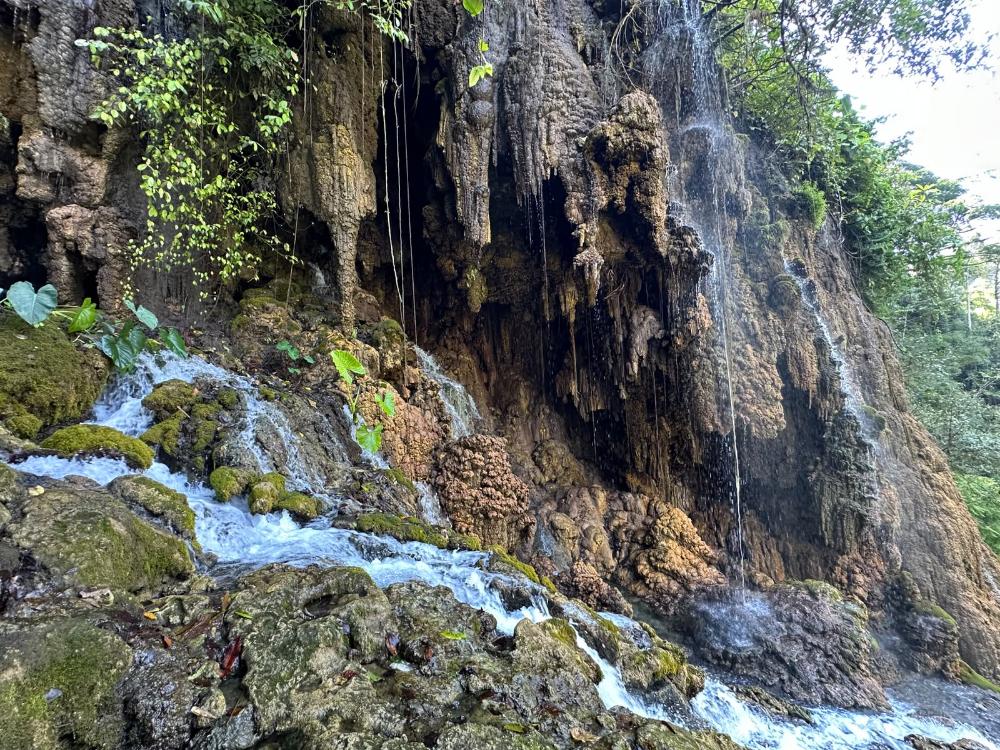
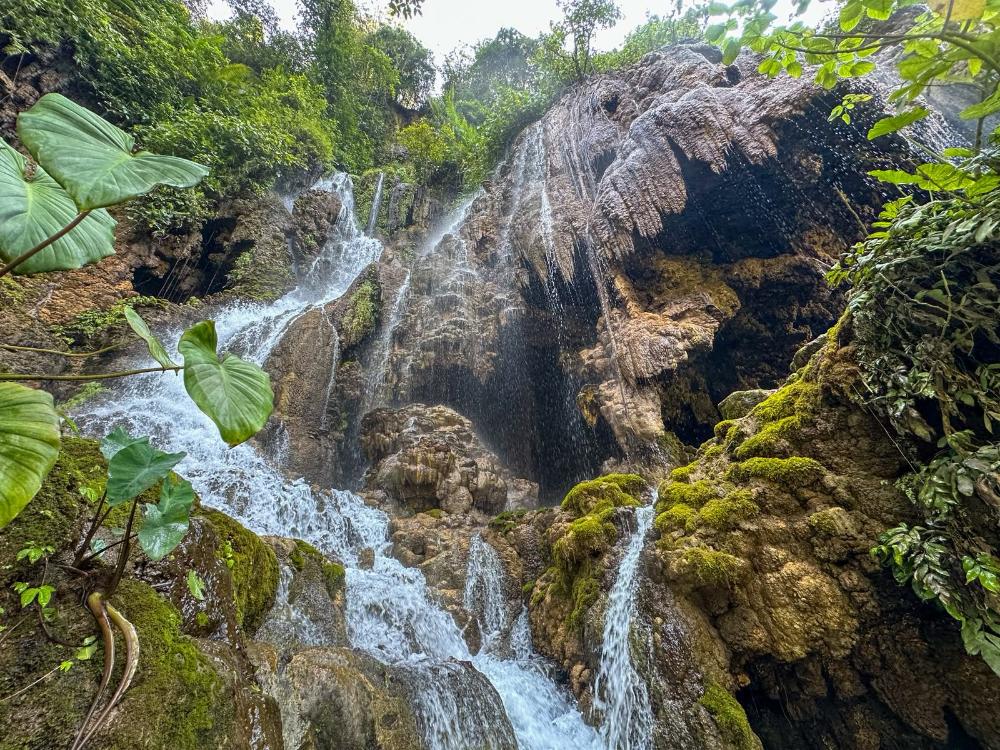
The name refers to water that drips from the cave’s ceiling and rock surfaces, creating a distinct, intimate landscape. In contrast, Tumpak Sewu is known for its broad curtain of falls and dramatic scale. At Goa Tetes, the textures and smaller cascades invite slower exploration and close-up photography. Conditions can change with rainfall, so a local guide can help assess the route and pace the visit safely.
For a smoother day, plan enough time for both sites, wear shoes with reliable grip, and protect camera equipment from spray. Travelers seeking a relaxed, expertly paced East Java outing can shape a stress-free Indonesia itinerary with local trip-planning support.
Is the Goa Tetes Waterfall Detour Worth the Extra Hiking Time?
Goa Tetes Waterfall is a worthwhile detour for travelers drawn to close-up water, moss-covered rock, and cave-like formations. It is optional for visitors focused only on Tumpak Sewu’s main viewpoint. The added value depends on trail conditions, available time, weather, and comfort on wet terrain; a local guide can help assess the fit.
At Panorama Lens Trip, we treat Goa Tetes as a flexible addition to a Tumpak Sewu day, not an essential stop for every itinerary. The two places offer different experiences: the main viewpoint rewards broad, dramatic scale, while Goa Tetes invites a closer look at water and textured rock.
The detour makes most sense when the route is in suitable condition and travelers have enough time to move without rushing. Rain can make wet surfaces more challenging, and changing conditions may affect access. A guide familiar with the area can help assess the route on the day and adjust plans.
Consider your priorities before adding the stop:
- Choose Goa Tetes for intimate landscape details and a more immersive walk.
- Keep the plan focused on Tumpak Sewu if the main viewpoint is your priority.
- Allow flexibility rather than relying on a fixed hiking duration or guaranteed conditions.
The best choice is the one that matches your interests, schedule, and comfort on uneven, wet terrain.
What Makes Goa Tetes Waterfall Different from Tumpak Sewu?
Goa Tetes Waterfall offers a close-up, intimate landscape, unlike Tumpak Sewu’s broad, amphitheater-like waterfall view. At Goa Tetes, water seeps and drips through rock cracks, then runs over mossy surfaces and gathers in natural recesses. The result is a quieter scene shaped by texture and detail.
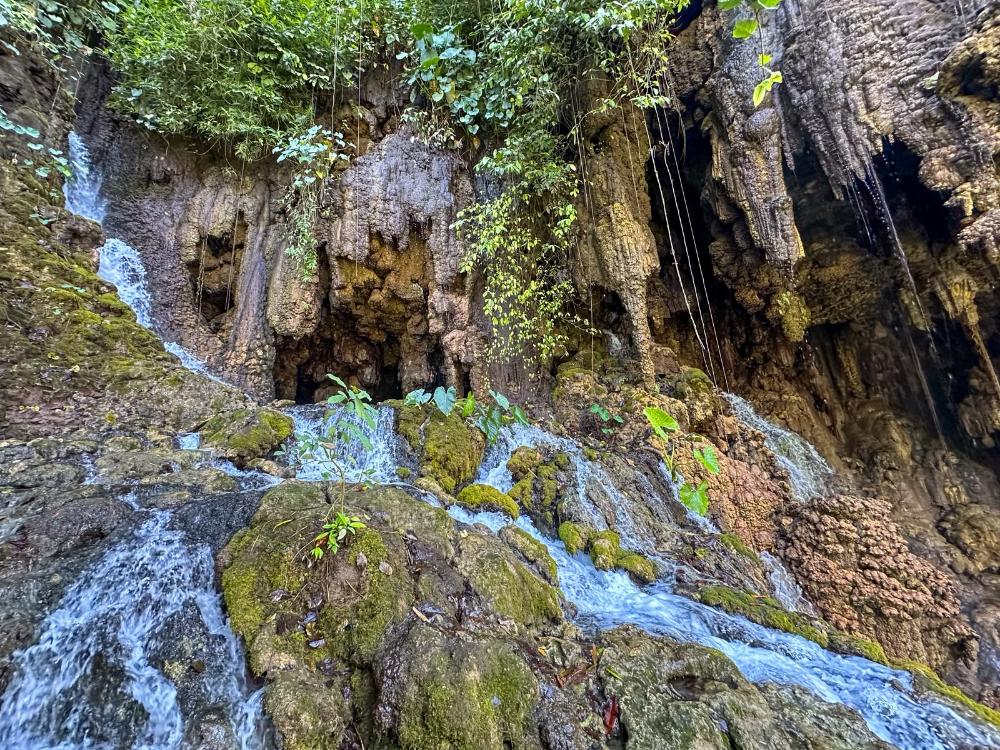
Water cascades over mossy rocks beneath the rugged cliffs of Gua Tetes in Pronojiwo, East Java.
The cave-like area gives Goa Tetes its name, associated with water dripping from the rock. Drips may remain during drier periods, but flow varies with local conditions and season. Mineral-rich water and ongoing erosion can gradually shape rock surfaces, though the pace and effects differ across the site.
At Tumpak Sewu, photographers can frame the waterfall’s scale, layered cascades, and surrounding cliffs. Goa Tetes suits close compositions of seepage, moss, wet rock, and small cascades. These contrasting subjects can make both stops rewarding in one outing. For seasonal planning, see the best time to visit Tumpak Sewu for perfect light.
How Much Time and Effort Does the Goa Tetes Hike Require?
The Goa Tetes Waterfall hike adds time and physical effort, but the commitment varies by route, walking pace, trail conditions, stops, and cave exploration. Expect potentially steep, slippery, uneven, and wet ground. Flowing water and moss-covered rock require careful footing, so confirm current access and conditions with a local guide before setting out.
| Experience | Likely time commitment | Terrain considerations | Best suited to |
|---|---|---|---|
| Main Tumpak Sewu viewpoint and falls | Variable; depends on route and stops | Uneven paths and potentially wet sections | Travelers with limited daylight |
| Goa Tetes Waterfall detour | Variable; includes additional walking and exploration | Steep, slippery, mossy, and water-covered areas | Travelers with flexible schedules |
| Cave-like area exploration | Variable; depends on access and time spent | Wet rock and flowing water may affect footing | Travelers prepared for careful movement |
Travelers with limited daylight or a tight schedule may prefer the main Tumpak Sewu experience alone. The detour can reward those who have time to explore, but it is not a guaranteed quick add-on. A local guide can help assess conditions and plan a comfortable pace.
For a more relaxed day, shape a stress-free Indonesia itinerary around your interests and available time.
What Should Travelers Know About Safety and Local Guidance?
Goa Tetes Waterfall can be challenging to reach because wet rocks, flowing water, and uneven surfaces increase the risk of slipping. Wear sturdy footwear with reliable grip, keep your hands free, and protect valuables in a waterproof bag. Check conditions before setting out, and follow current local instructions.
A local guide can explain route changes and help visitors make informed decisions. However, a guide cannot guarantee safety or replace your own judgment. Avoid climbing unstable rock, entering water that appears unsafe, or continuing when rain or rising water makes conditions concerning.
Respect local communities by following guidance, asking before photographing people, and avoiding disruption to daily activities. Protect the waterfall and surrounding terrain by staying on suitable paths and leaving natural features undisturbed. Travelers planning the wider area can also review the Tumpak Sewu Waterfall: Complete Travel & Photo Guide.
A guide improves context and decision-making, but does not remove the need to assess personal comfort and current conditions. If conditions feel unsuitable, turning back is a sensible choice. For a calmer, well-paced day with practical local guidance, plan a tailored Indonesia photography itinerary.
When Is the Best Time to Visit Goa Tetes Waterfall?
Recent rainfall, trail conditions, and daylight matter more than a fixed calendar date when visiting Goa Tetes Waterfall. Wetter weather can strengthen the cascades, but it may also make the approach slippery. Drier periods can reduce water flow without drying the cave surfaces.
| Conditions | Likely water character | Trail considerations | Planning notes |
|---|---|---|---|
| Wetter periods | Often fuller cascades; flow varies | Mud and slick rocks may increase | Check rainfall and local access updates |
| Drier periods | Flow may be gentler | Some sections may feel firmer | Cave surfaces can still remain wet |
A well-paced itinerary can reduce rushing between viewpoints and help keep the return journey comfortable. Enjoy a carefully planned day with fewer logistics and more time for the landscapes that matter.
How Can Photographers Capture Goa Tetes Waterfall?
Photographing Goa Tetes Waterfall requires balancing moving water, shadowed cave-like recesses, and reflections on wet rock. Choose a wide-angle lens to show how the cascade, cliffs, and foreground relate, or a standard focal length to isolate textures and water details.
Start with a shutter speed around 1/4 to 1 second for softened water, adjusting for flow and available light. Use a smaller aperture for depth of field, then raise ISO only as needed to maintain exposure. Review the histogram to protect bright water highlights and retain detail in dark recesses.
A tripod may be impractical on narrow, wet sections. If handheld, use a faster shutter speed and brace yourself only where the footing is stable. Keep camera equipment protected from spray, and carry a microfiber cloth for the lens. A polarizing filter can reduce glare on wet rock, but it may also remove reflections worth keeping.
Compose from safe, stable positions, and leave clear space for other visitors. For route context and hiking expectations, consult the Tumpak Sewu Waterfall: Complete Travel & Photo Guide and Tumpak Sewu Waterfall Hike: Full Guide.
How Should Travelers Plan a Goa Tetes and Tumpak Sewu Day?
Goa Tetes Waterfall and Tumpak Sewu fit best into a flexible day plan, not a fixed timetable. Confirm access, trail conditions, transport, local guidance, and entry arrangements before setting out. Then choose the sequence around daylight, energy, and your priorities for viewpoint photography, the cave route, or both.
What could a flexible day plan include?
Use this framework as a starting point, then adjust it to current conditions:
- Before departure: Confirm the route, transport plan, local guidance, and expected trail conditions.
- First visit: Explore the Tumpak Sewu viewpoint when visibility and light suit your photography goals.
- Midday decision: Check your energy, available daylight, and trail conditions before choosing the Goa Tetes detour.
- Final stage: Allow time to return safely, without relying on a fixed schedule or rushing the walk.
Furthermore, viewpoint-first sequencing is not always the right choice. If conditions, access, or your guide’s advice favor another order, adapt the plan. A longer visit to one location can produce more considered images than hurrying through both.
Leave room for changing weather, wet paths, and photography stops. Confirm arrangements again close to your visit, since local conditions and access details can change. A private, well-paced day can also include breaks and time for composition, rather than treating each stop as a checklist.
Shape a seamless photography day around your pace, priorities, and the places you want to remember.
What Do Travelers Commonly Ask About Goa Tetes Waterfall?
Is Goa Tetes Waterfall part of Tumpak Sewu?
Goa Tetes Waterfall is a separate nearby attraction, often visited on the same outing as Tumpak Sewu. It offers a close-range view of cascades, rocks, and cave-like formations. For route context, see this Tumpak Sewu viewpoint and base comparison.
How difficult is the hike?
The route can be steep, slippery, and physically demanding, with uneven terrain and possible stream crossings. Allow extra time, and assess conditions before starting.
Can visitors go without a guide?
Some travelers may access the area independently, but local guidance is advisable. Access rules, trail conditions, and water flow can change, so verify current information locally.
Is the route suitable during rain?
Rain can make rocks and paths more slippery, while rising water may affect crossings. Avoid entering unsafe water, and ask local staff whether conditions are suitable.
What footwear should travelers wear?
Wear secure hiking shoes or water shoes with dependable grip. Avoid smooth-soled footwear, which can slip on wet rocks.
Can photographers bring camera equipment?
Yes, but protect cameras from spray and keep equipment manageable on the uneven route. This Tumpak Sewu photography guide offers related landscape-planning advice.
The Goa Tetes Waterfall detour suits travelers who value close-range natural details and have enough time for a careful visit. Enjoy a thoughtfully crafted Indonesia itinerary that makes each long day feel clear, comfortable, and rewarding.
Conclusion
Goa Tetes Waterfall offers a different view of East Java’s dramatic water landscapes: cave-like scenery, mossy rocks, and cascades beneath rugged cliffs. It rewards travelers who value atmosphere and texture alongside iconic viewpoints. Allow time for careful movement and unhurried photography.
The setting also pairs naturally with nearby Tumpak Sewu, but each destination creates a distinct experience. Tumpak Sewu is known for its vast amphitheater of falling water; Goa Tetes offers a more enclosed, intimate scene. For route planning, access details, and photography advice, see our Tumpak Sewu Waterfall travel and photo guide.
Wet surfaces and changing water conditions can shape both safety and image-making. Choose footwear with reliable grip, protect camera equipment from spray, and check local conditions before setting out. A wide-angle lens can capture the surrounding rock formations, while slower shutter speeds can emphasize the water’s movement. Still, the best photograph may come from observing the light rather than chasing a particular setting.
Goa Tetes Waterfall is most rewarding when treated as more than a quick stop: combine thoughtful preparation with enough time to appreciate its atmosphere. Panorama Lens Trip can help shape a comfortable, photography-focused day around your interests, whether you are exploring East Java or another Indonesian destination. Enjoy a thoughtfully planned Indonesian photography journey with less stress and more time for meaningful moments.