Exploring Tamblingan Lake Temple history reveals ancient Balinese heritage. Photographers and cultural historians seek this isolated sanctuary. It offers pristine highland topography and deep spiritual resonance. Understanding its origins unlocks authentic cultural narratives.
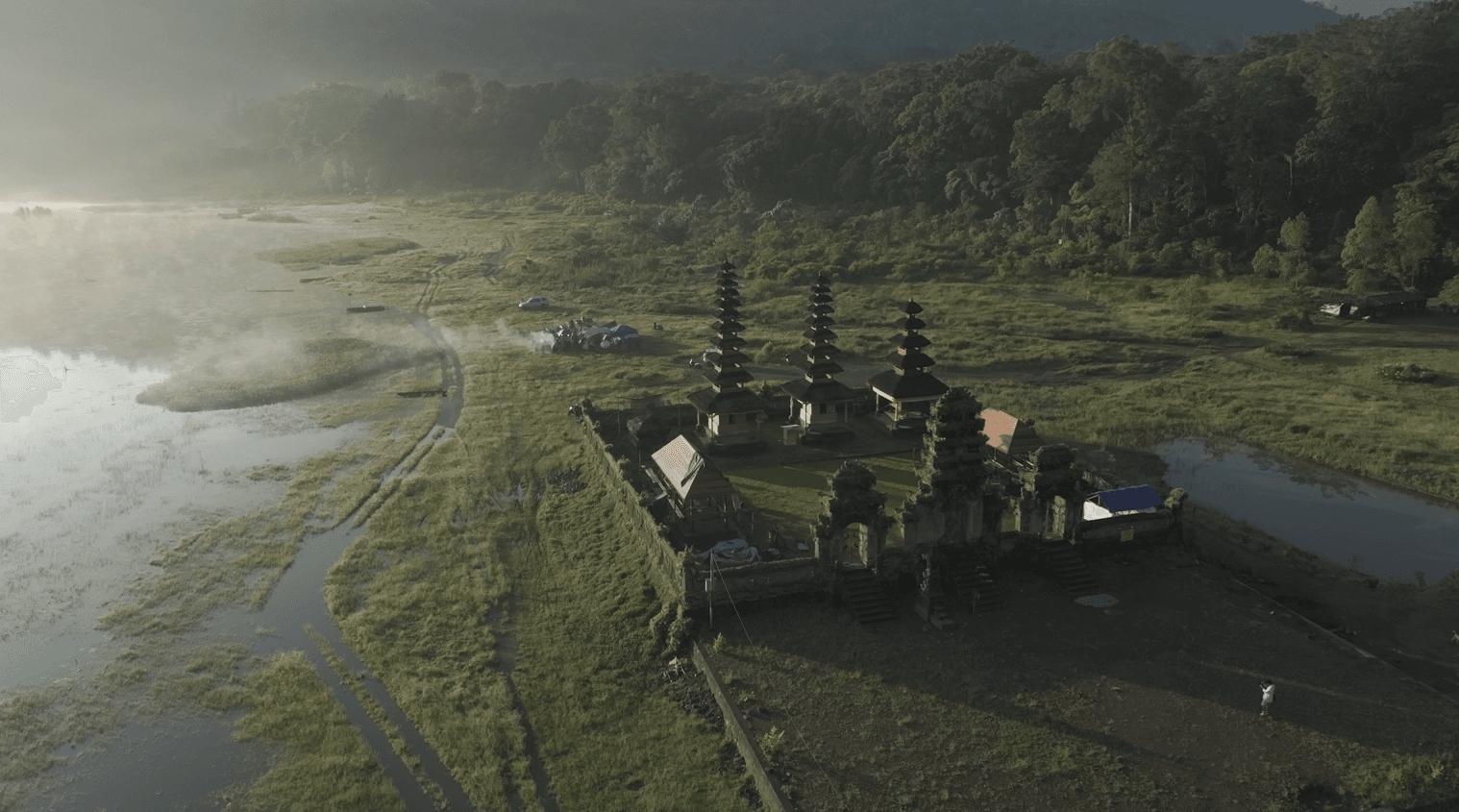
This site remains untouched by heavy commercial tourism. Consequently, it provides ideal conditions to document Tamblingan Lake Temple history through low-light morning photography. Mist often blankets the volcanic caldera, creating an ethereal atmospheric perspective for serious landscape photographers. Visiting early guarantees unobstructed views of the sacred shrines. Furthermore, optimal focus stacking techniques yield incredibly sharp architectural imagery.
TL;DR Summary:
- Situated in a dormant volcanic caldera.
- Rooted in ancient 10th-century Balinese mythology.
- A premier destination for landscape and cultural photography.
- Requires specific wide-angle focal lengths for optimal capture.
What Makes Tamblingan Lake Temple History Geographically Unique?
Where Is the Central Site of Tamblingan Lake Temple History Located?
Tamblingan Lake sits in the northern highlands of Bali. It rests within the Buleleng Regency. The lake occupies a massive volcanic caldera. It forms a stunning twin-lake system alongside Lake Buyan.
The elevation exceeds 1,000 meters above sea level. This high-altitude topography creates a distinct microclimate. Temperatures remain consistently cool throughout the year.
What Natural Scenery Surrounds the Lake?
Dense rainforests encapsulate the entire caldera rim. In addition, these ancient woods provide a verdant, high-contrast backdrop. Morning fog frequently rolls across the water surface.
Photographers leverage this fog for natural light diffusion. Soft illumination reduces harsh shadows on the temple structures. The glassy water creates perfect mirror reflections.
Landscape shooters should utilize a wide focal length. A 16-35mm lens is ideal for capturing the expanse. Adjusting your exposure triangle ensures balanced shadow recovery.
How Did the Name Originate in Tamblingan Lake Temple History?
The name derives from two distinct Balinese words. “Tamba” translates directly to medicine or healing. “Elingang” means to remember or spiritual mindfulness.
Legend states the lake water cured a deadly epidemic. Villagers drank the sacred water for spiritual and physical healing. The name immortalizes this ancient medicinal miracle.
This etymology reflects the deep reverence locals hold. The water remains a crucial element in purificatory rituals.
What Are the Roots of Tamblingan Lake Temple History?
When Did Tamblingan Lake Temple History Officially Begin?
Historical records place the temple origins around the 10th century. Archeological artifacts suggest early Megalithic community presence. Bronze inscriptions detail the ancient surrounding villages.
The temple architecture reflects early Balinese structural design. It lacks the ornate modern carvings found elsewhere, providing a unique architectural contrast to the grand structures detailed in the History of Prambanan Temple: Origins, Myths & Legacy. This minimalist approach highlights its ancient, foundational pedigree.
What Founding Legends Define Tamblingan Lake Temple History?
Local folklore speaks of four original surrounding villages. These settlements were known as the Catur Desa. They shared a unified responsibility to protect the lake.
A devastating plague once threatened these ancient communities. A holy priest prayed for divine intervention. The lake water subsequently acquired potent healing properties.
A travel resource notes, “The sacred history of Tamblingan is etched into its ancient stones.” This deep mythology continually draws cultural historians.
Key historical elements include:
- Ancient 10th-century copper plate inscriptions.
- The unification of the Catur Desa communities.
- The transition from animism to formal Hindu practices.
- The preservation of raw, unpainted stone masonry.
How Does Tamblingan Lake Temple History Embody Balinese Spiritual Essence?
The Role of Tamblingan Lake Temple History in Local Hindu Beliefs
Pura Dalem Tamblingan serves as a critical spiritual anchor, making it a compelling addition for those researching the Best Temples to Visit in Bali for First-Time Travelers. It bridges the physical world and the divine realm. Locals venerate the spirits of nature within its walls.
The site operates strictly for religious adherence. Therefore, it is not an artificial tourist attraction. Visitors must always maintain deep respect for the active worship spaces.
Why Tamblingan Lake Temple History Is Vital for Balinese Agriculture
Water dictates the agricultural survival of Bali. Lake temples govern the complex Subak irrigation system. They manage the flow of water to lower rice terraces.
Tamblingan acts as a primary water reservoir. Honoring the water goddess ensures regional agricultural prosperity. This hydrological management is completely intertwined with spiritual devotion.
Photographers documenting this dynamic capture living cultural heritage. The interplay of water and stone symbolizes eternal balance.
What Sacred Rituals Are Tied to Tamblingan Lake Temple History?
Melasti ceremonies frequently occur along the lake shore. These rituals involve purifying sacred temple objects. Practitioners use the pristine lake water for spiritual cleansing.
During major temple festivals, the atmosphere transforms completely. Traditional gamelan music echoes across the caldera. Incense smoke provides a hazy atmospheric perspective for cameras.
Common ritualistic practices observed include:
- Daily Canang Sari offerings at the water edge.
- Chanting by high priests during full moon phases.
- Communal prayer gatherings by the Catur Desa.
- Silent meditation practices near the inner sanctum.
What Architectural Marvels Define Tamblingan Lake Temple History?
Traditional Balinese Architecture in Tamblingan Lake Temple History
Pura Dalem Tamblingan exemplifies ancient Balinese structural design. For instance, builders utilized local volcanic rock for foundational stability. Meanwhile, thatch roofing integrates seamlessly with the surrounding topography. Ultimately, this indigenous approach minimizes environmental degradation.
Symbolic Stone Structures in Tamblingan Lake Temple History
The temple gates act as spiritual thresholds. Intricate stone carvings depict mythological protective deities. These guardian figures symbolize the duality of cosmic forces. They ward off malicious energies from entering sacred zones.
The Tri Mandala Concept Within Tamblingan Lake Temple History
Architects divided the compound using the Tri Mandala spatial philosophy. This spatial hierarchy ensures strict ritual purity during ceremonies.
- Nista Mandala serves as the outer transitional zone.
- Madya Mandala facilitates communal preparation and secondary rituals.
- Utama Mandala represents the innermost, most sacred sanctum.
What Mystical Legends Surround Tamblingan Lake Temple History?
Ancestral Stories Preserved in Tamblingan Lake Temple History
Local oral traditions preserve ancient ancestral wisdom. Elders recount tales of divine guardians protecting the caldera. These mythologies reinforce communal ecological conservation efforts. The narratives dictate strict adherence to customary laws.
The Disappearing Village Myth in Tamblingan Lake Temple History
Historical folklore describes an original settlement along the shoreline. Epidemics supposedly forced the community to relocate higher. The ancient inhabitants abandoned their lakeside dwellings entirely. This migration birthed the modern Catur Desa village network.
Why Are Supernatural Events Reported Here?
Dense mist often triggers optical illusions near the water. Travelers frequently report unexplained auditory phenomena during twilight. Local priests attribute these occurrences to localized spiritual anomalies. Atmospheric inversion layers contribute to the area’s eerie ambiance.
Capture the ethereal mist during morning light. Follow our social media channels for golden hour galleries. Tag us to feature your atmospheric architectural photography.
How Are Religious Practices Woven into Tamblingan Lake Temple History?
What Happens During Annual Temple Ceremonies?
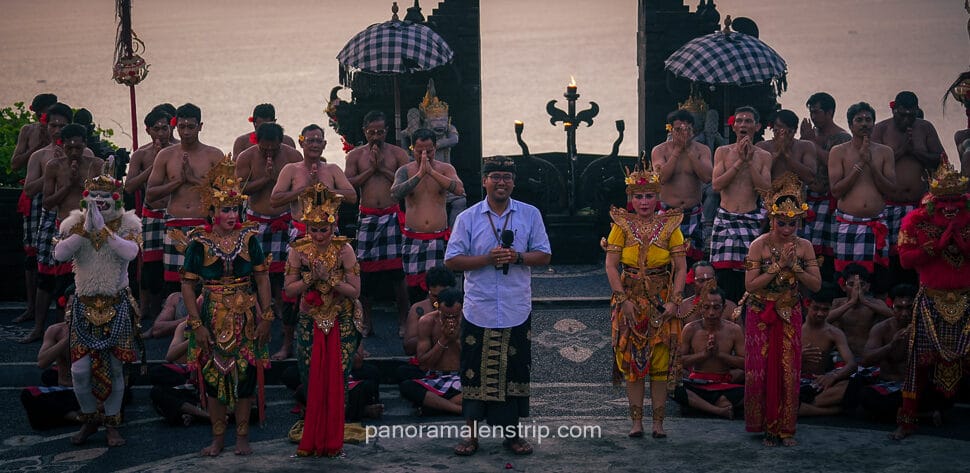
The Odalan festival marks the temple’s foundational anniversary. Priests perform complex purification rituals using holy water. Devotees offer intricate floral arrangements and agricultural harvests. Gamelan ensembles provide rhythmic acoustic accompaniment for trance dances.
Who Undertakes Pilgrimages in Tamblingan Lake Temple History?
Balinese Hindus travel from across the island annually. Devotees seek spiritual blessings and agricultural fertility. These pilgrimages reinforce island-wide socio-religious networks.
- Farmers request favorable hydrological conditions for their rice terraces.
- Healers visit to harvest specific medicinal highland flora.
- Artisans seek inspiration from the ancient temple carvings.
How Does It Connect to the Catur Muka System?
Pura Dalem Tamblingan anchors the regional spiritual axis. It operates within the interconnected Catur Desa cosmological framework. Four distinct villages maintain collective stewardship over the sanctuary. This decentralized governance ensures consistent ritual maintenance and funding.
How Nature and Harmony Shape Tamblingan Lake Temple History
How Do the Temple and Munduk Forest Coexist?
The temple architecture blends organically into the Munduk ecosystem. Strict customary laws prohibit excessive timber harvesting nearby. This pristine primary forest acts as a crucial watershed. Flora and stone structures share a symbiotic physical relationship.
| Feature | Lake Tamblingan | Lake Buyan | Lake Beratan |
|---|---|---|---|
| Motorized Boats | Prohibited | Allowed | Highly Active |
| Commercial Tourism | Minimal | Moderate | Heavy |
| Primary Function | Spiritual & Conservation | Agricultural | Tourism & Recreation |
| Shoreline Forests | Dense and Pristine | Degraded | Developed |
What Are the Spiritual Healing Traditions?
Indigenous practitioners utilize the caldera’s unique microclimate. The mineral-rich volcanic water serves critical purification purposes. Melukat rituals cleanse participants of psychological and spiritual impurities, a transformative practice highlighted in our Bali Spiritual Healing: Visuals of Misty Lake Offerings. This water healing tradition relies on undisturbed local hydrology.
Why Do Seekers Visit for Meditation?
The absence of motorized boats guarantees acoustic isolation. Practitioners leverage this silence for deep cognitive focus. High altitude provides optimal atmospheric conditions for breathwork. Meditators utilize the ambient biometric feedback of the forest.
How Did Explorers Document Tamblingan Lake Temple History?
What Do Colonial-Era Accounts Reveal?
Dutch topographers mapped the region during early colonial expeditions. They documented complex indigenous irrigation networks surrounding the caldera. Their initial reports wrongly characterized the area as isolated. Western cartographers misunderstood the sophisticated highland-lowland trade routes.
Which Anthropological Studies Highlight Its Value?
European scholars initially propagated a myth of cultural isolation. However, modern anthropological data presents a strong counter-narrative. Tamblingan was a thriving pre-Majapahit civilization hub. It facilitated intense socio-economic exchanges across the island.
What Do Recent Archaeological Findings Suggest?
Excavations unearthed ancient bronze artifacts and Chinese ceramics. These discoveries confirm extensive pre-colonial international trade networks. Epigraphic inscriptions detail complex inter-village water management treaties. Researchers now view Tamblingan as a primary historical capital, offering monumental significance comparable to the History of Borobudur Temple: Complete Cultural Guide.
The Role of Tamblingan Lake Temple History in Modern Balinese Identity
Tamblingan Lake Temple remains a foundational pillar for modern Balinese culture. This site physically grounds ancient spiritual philosophies. It provides an anchor against rapid modernization across the island.
How Is Balinese Heritage Preserved Here?
Local communities maintain strict adherence to customary laws called awig-awig. These regulations govern all activities within the caldera basin.
- Traditional ceremonies proceed without modern technological interference.
- Architectural restorations utilize original, endemic timber resources.
- Oral histories pass through active temple priesthood lineages.
How Does It Symbolize Environmental Balance?
The Tri Hita Karana philosophy dictates harmony among humans, nature, and spirits. Tamblingan perfectly illustrates this ecological and spiritual equilibrium. Forest canopy preservation directly sustains the regional water table. Temple rituals actively celebrate and protect this hydrological cycle.
Why Is the Site Educationally Important?
Academic institutions study Tamblingan for indigenous conservation methodologies. The intact primary forest serves as a living biological laboratory. Younger generations learn pre-colonial water management techniques here. It offers unparalleled insights into historical caldera topography.
What Are the Main Conservation Challenges for Tamblingan Lake Temple History?
Preserving this pristine upland ecosystem requires constant vigilance. Various external pressures threaten the delicate ecological and cultural balance. Authorities must navigate these complex environmental and social variables constantly.
What Environmental Threats Exist Today?
Climate change alters the historical precipitation patterns significantly. Shifting monsoon seasons disrupt the natural lake water levels. Unseasonal droughts stress the ancient rainforest canopy surrounding the temple. Invasive plant species continually threaten endemic flora diversity.
How Does Unregulated Tourism Impact the Area?
Excessive foot traffic compacts the sensitive soil around the temple. Unguided visitors often wander into restricted ecological zones. Noise pollution disrupts both local wildlife and meditative spiritual practices. Waste management becomes difficult without strict regulatory infrastructure.
What Risks Does Cultural Erosion Pose?
Rapid economic development pulls younger demographics toward urban centers. This migration endangers the oral transmission of specialized ritual knowledge. Commercial commodification of sacred traditions strips their original spiritual context. External cultural influences occasionally dilute strict traditional dress protocols.
- Loss of agrarian focus reduces community engagement with water rituals.
- Commercial photography sometimes violates spatial sanctity guidelines.
How Does Sustainable Tourism Protect Tamblingan Lake Temple History?
Responsible travel models offer practical solutions for ecosystem preservation. Financial revenue from regulated tourism directly funds vital conservation efforts.
What Community-Based Tourism Initiatives Work?
Local villages manage all official entry points and guide services. This ensures tourism revenue stays within the host community.
- Trained local guides patrol the primary forest trails.
- Community cooperatives manage indigenous flora replanting programs.
- Local artisans sell crafts in designated, low-impact commercial zones.
Which Eco-Friendly Practices Are Enforced?
Authorities strictly prohibit motorized watercraft on the sacred lake. Visitors must use traditional wooden canoes called pedahu instead. Single-use plastics face a total ban within the caldera boundaries. Waste segregation protocols operate at all designated trailheads.
How Do Local Spiritual Leaders Lead Conservation?
High priests function as the ultimate arbiters of environmental policy. They designate specific forest sectors as completely restricted sacred zones. These spiritual mandates carry more weight than secular government regulations. Rituals act as recurring audits of the regional ecological health. Leaders enforce natural resource caps for structural temple maintenance.
How to Safely Visit and Experience Tamblingan Lake Temple History
Proper preparation prevents accidental violations of local customary laws. Understanding the terrain and protocols ensures a meaningful experience.
When Is the Best Time to Visit?
The dry season between April and October offers optimal conditions. Early morning visits guarantee atmospheric mist and stable lighting. Soft, diffused morning light minimizes harsh contrast ratios in photographs. Afternoon microclimates often bring sudden, heavy localized rainfall.
What Travel and Photography Tips Should You Know?
Bring wide-angle lenses to capture the expansive caldera topography. A 16-35mm focal length works best for landscape composition. Utilize circular polarizers to manage reflections on the lake surface.
- Use a sturdy tripod for long-exposure water photography.
- Pack silica gel packets to protect gear from high humidity.
- Keep ISO settings low to maximize dynamic range.
What Are the Rules for Respectful Behavior?
Modest dress is completely non-negotiable for all visitors. You must wear a traditional sarong and waist sash. Never climb onto shrines or ancient stone ruins. Silence mobile devices to maintain the serene acoustic environment. Always ask permission before photographing local worshippers or priests.
Must-See Photography Spots for Tamblingan Lake Temple History
The surrounding highlands offer exceptional opportunities for landscape photography. The volcanic topography creates dramatic elevation changes and viewpoints. Consult your route with us via WhatsApp.
Where Is Munduk Waterfall Located?
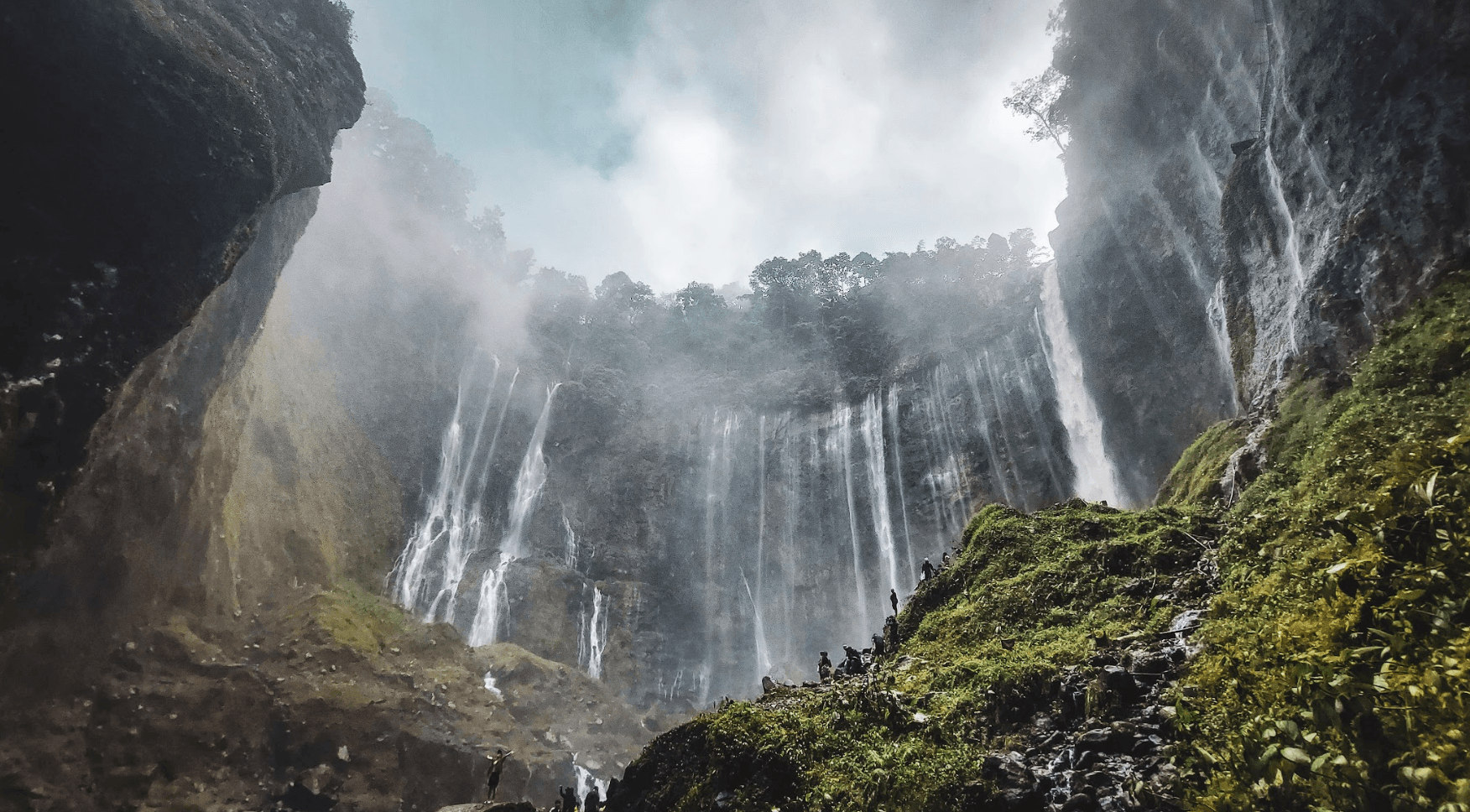
This impressive cascade sits just north of the Tamblingan caldera. A short trek through dense jungle reveals the dropping water. The high humidity creates a lush, green microclimate for macro photography. Use a slow shutter speed to smooth the falling water.
Why Is the Twin Lakes Viewpoint Essential?
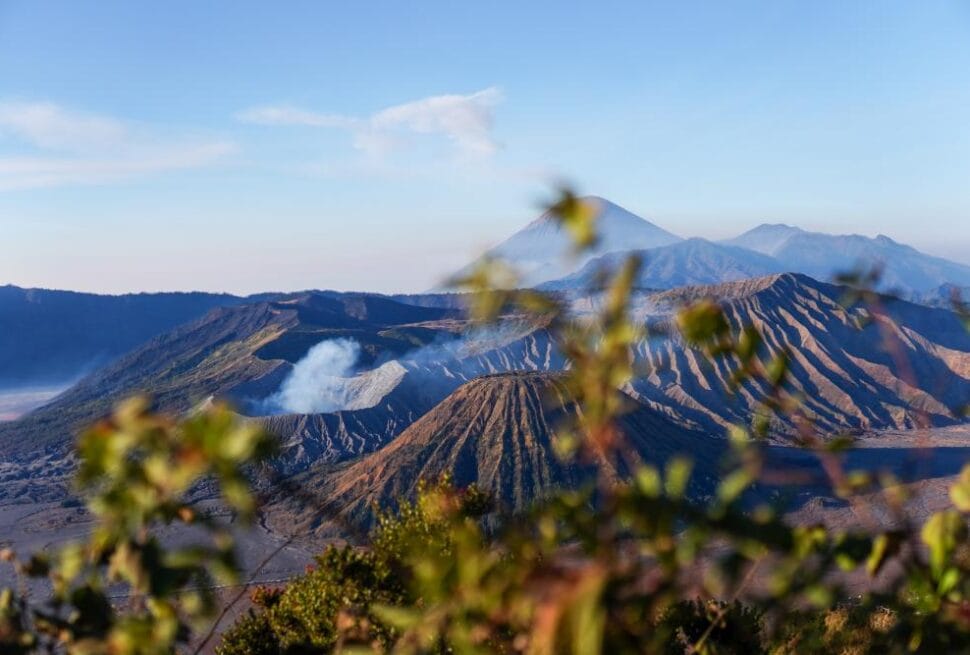
This elevated ridge provides panoramic sightlines of both lakes. It showcases Buyan and Tamblingan divided by a narrow forest. The vantage point perfectly demonstrates the original caldera structure. Photographers can capture stunning atmospheric perspective during sunrise here.
How Can You Explore Local Coffee Plantations?
The fertile volcanic soil supports robust highland coffee cultivation. Plantations line the winding ridge roads above the lake. Guided tours explain the traditional organic farming methodologies.
- Capture leading lines using the symmetrical plantation rows.
- Photograph the intricate harvesting process with a telephoto lens.
- Document the traditional roasting techniques in low ambient light.
Why Does Tamblingan Lake Temple History Leave a Lasting Impression?
Tamblingan offers a rare convergence of raw nature and spirituality. The isolation preserves an authentic atmosphere untainted by mass commercialism. Ancient stone shrines emerging from morning mist evoke profound awe. It stands as a testament to indigenous ecological wisdom. Visitors leave with a deep appreciation for Balinese cultural resilience, an experience perfectly complemented by a Bali Culture Tour: Premium Guide to Authentic Traditions. The site demands respect and rewards quiet, mindful observation.
Frequently Asked Questions
Why is Tamblingan Temple considered sacred?
It houses ancestral spirits and controls vital agricultural water distribution. The site integrates pre-Hindu animism with traditional Balinese Hinduism.
Are tourists allowed to attend rituals?
Tourists may observe from designated peripheral areas respectfully. Active participation remains strictly reserved for local Hindu practitioners.
What should I wear when visiting the temple?
Visitors must cover their legs completely with a sarong. A traditional sash tied around the waist is also mandatory.
Is the temple accessible during the rainy season?
Yes, but trail conditions become exceptionally slippery and muddy. High water levels can submerge certain lower temple structures completely.
Are there guided tours available?
Yes, local community cooperatives offer official trekking and canoe guides. Hiring them directly supports the indigenous local economy.