Tumpak Sewu Bromo Tour: The Efficient 3-Day East Java Itinerary
Yes — you can visit two of East Java’s most iconic natural destinations in one well-planned journey, and that is exactly why the Tumpak Sewu Bromo Tour has become such a smart choice for travelers who want both variety and efficiency in a single trip. In just three days, it is possible to experience the dramatic power of Tumpak Sewu Waterfall and the otherworldly sunrise landscapes of Mount Bromo without rushing through either destination. That combination matters because these places offer very different experiences: one is centered on lush forest, cascading water, and viewpoint exploration, while the other delivers volcanic scenery, cool mountain air, and a sunrise that feels unforgettable.
This itinerary is especially valuable for people who want to make the most of their time in East Java while enjoying a smooth travel flow between destinations. In this article, you will learn whether both places can realistically be visited in one trip, why the route works so well, how to structure a practical 3-day plan, and what to expect from each day of the journey. You will also find helpful guidance on the best time to go, weather considerations, access notes, and who this tour is best suited for. If you are looking for an efficient, scenic, and thoughtfully organized adventure, the Tumpak Sewu Bromo Tour offers one of the most rewarding ways to explore East Java.
Can You Visit Tumpak Sewu and Mount Bromo in One Trip?
Yes, You Can Combine Both in One East Java Trip
A Tumpak Sewu Bromo Tour is not only possible, it is one of the most efficient ways to experience two of East Java’s most iconic landscapes in a single journey. Tumpak Sewu and Mount Bromo deliver very different adventures, which is exactly why they pair so well. Tumpak Sewu is all about dramatic waterfall scenery, jungle trekking, and close-range exploration. Mount Bromo, by contrast, focuses on sunrise viewpoints, vast volcanic plains, and short jeep-supported access across the caldera.
Because the two destinations are located on a practical travel route between Lumajang, Malang, and the Bromo area, travelers can avoid unnecessary backtracking and make the most of a limited schedule. In many cases, a well-planned 3-day itinerary is enough to see both highlights without feeling rushed.
What to Expect from Each Stop
Tumpak Sewu usually requires more physical effort, especially for the descent into the canyon area. Mount Bromo is less strenuous, with the most memorable moments happening at sunrise and along the crater viewpoints.
This combination works especially well for travelers who want variety: one day focused on trekking and waterfalls, the next on volcanic panoramas and early-morning light. If you want two unforgettable landscapes in one streamlined trip, this is one of the smartest East Java routes to choose.
Why the Tumpak Sewu Bromo Tour Works So Well
Efficient Use of Limited Vacation Days
The main reason the Tumpak Sewu Bromo Tour works so well is simple: it combines two of East Java’s most iconic landscapes without forcing travelers to waste time on unnecessary backtracking. Tumpak Sewu and Mount Bromo are not next door to each other, but they sit within the same broader travel corridor, which makes a well-planned 3-day route highly practical. Instead of booking separate trips, travelers can connect the waterfall and volcano in one efficient journey and make the most of a short holiday.
Two Distinct Experiences in One Route
This itinerary also works because the experiences complement each other beautifully. Tumpak Sewu delivers a lush, tropical adventure with jungle scenery, steep trekking, and dramatic waterfall viewpoints. Mount Bromo, by contrast, offers a completely different mood: wide volcanic plains, sunrise panoramas, and a surreal highland atmosphere. Together, they create a balanced trip that feels varied rather than repetitive.
Smart Regional Pairing
From a logistics perspective, the route is especially appealing for travelers coming from Surabaya, Malang, or other East Java gateways. A structured transfer plan can connect the waterfall region and the Bromo area in a smooth sequence, reducing transit stress and maximizing sightseeing time. For people with only three days available, this kind of regional pairing delivers both adventure and scenic reward in one memorable trip.
This is exactly why the Tumpak Sewu Bromo Tour has become such a strong choice for travelers who want a rich East Java experience without needing a long itinerary.
Recommended 3-Day East Java Route and Travel Flow
Start in Malang or Surabaya, Then Move South First
For the most efficient Tumpak Sewu Bromo Tour, begin in Malang if possible, or Surabaya if that is your main arrival point. The smartest route is to visit Tumpak Sewu first, then continue to the Bromo area. This order reduces backtracking because Tumpak Sewu sits farther south in Lumajang, while Mount Bromo is closer to the Tengger highlands in East Java’s northeast corridor.
A practical three-day flow usually looks like this:
- Day 1: Arrive in Surabaya or Malang, then transfer to the Tumpak Sewu area and stay overnight nearby.
- Day 2: Visit Tumpak Sewu early, then move to the Bromo region after lunch or in the late afternoon.
- Day 3: Depart for the pre-dawn Bromo sunrise experience, then continue onward to your next destination.
Why Overnight Stays Matter
Overnight stays are not just about comfort; they also protect your schedule. Staying near Tumpak Sewu means you can start the waterfall trek early, when the light is better and the route is less crowded. After that, sleeping near Bromo, especially in Cemoro Lawang or another nearby base, makes the sunrise trip much smoother. Travelers avoid a long middle-of-the-night transfer and arrive at the viewpoint with less stress and more energy.
Keep Transit Time Purposeful
To avoid wasted hours, group destinations by geography rather than by popularity. A well-paced Tumpak Sewu Bromo Tour should minimize long detours, keep transfers direct, and leave room for rest between physically demanding activities.
Day 1: Arrival, Transfer, and Preparation for the Waterfall Trek
Arriving in East Java and Moving to the Tumpak Sewu Area
Day 1 of the Tumpak Sewu Bromo Tour should be treated as a practical travel day rather than a sightseeing-heavy one. Most travelers arrive in East Java through Surabaya or Malang, then continue by private car or arranged transfer to the Tumpak Sewu area in Lumajang. The drive can take several hours depending on your starting point and traffic, so an early arrival helps preserve energy for the next day’s trek.
Quick Orientation Before the Trek
Once you reach your guesthouse or homestay, use the afternoon to settle in and prepare carefully. This is the best time to confirm your trekking plan, check weather conditions, and pack everything you will need for an early start. For a smoother experience, prepare:
- Sturdy footwear with strong grip for wet, uneven paths
- Quick-dry clothing and a light rain layer
- A reusable water bottle, plus a small snack or energy food
- A dry bag or waterproof cover for phones and cameras
- Cash for local fees, guides, or small purchases
Pace Yourself for Day 2
Tumpak Sewu involves stairs, mud, and slippery sections, so conservation of energy matters. Keep the first day relaxed, hydrate well, and avoid a late night. A calm arrival and thoughtful preparation make the following waterfall visit safer, more comfortable, and far more enjoyable. This approach is one of the main reasons the itinerary works so efficiently.
Day 2: Exploring Tumpak Sewu and the Surrounding Viewpoints
Morning at the Main Viewpoint
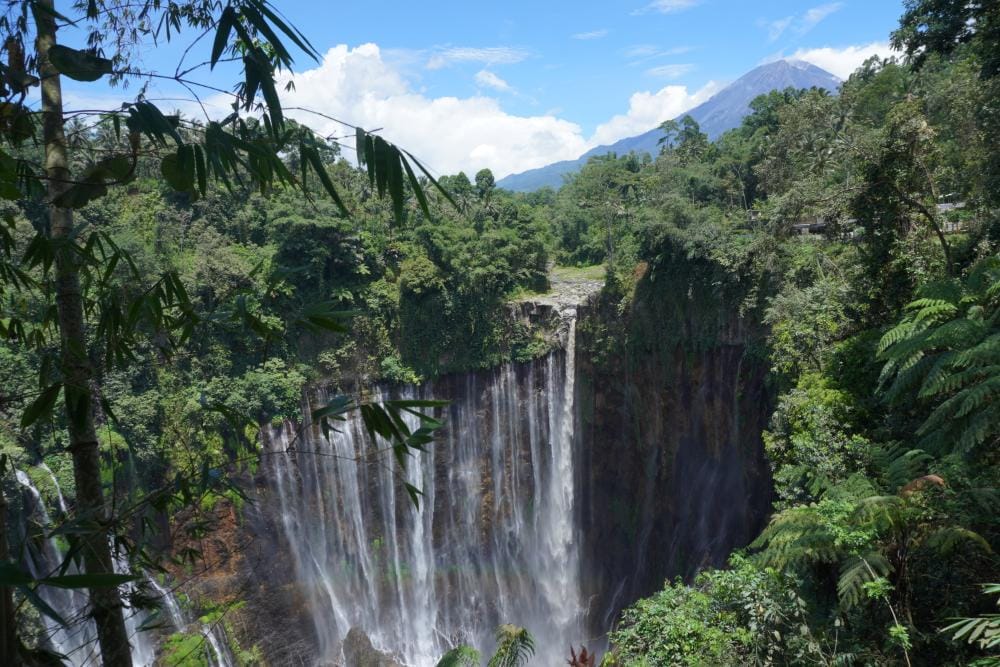
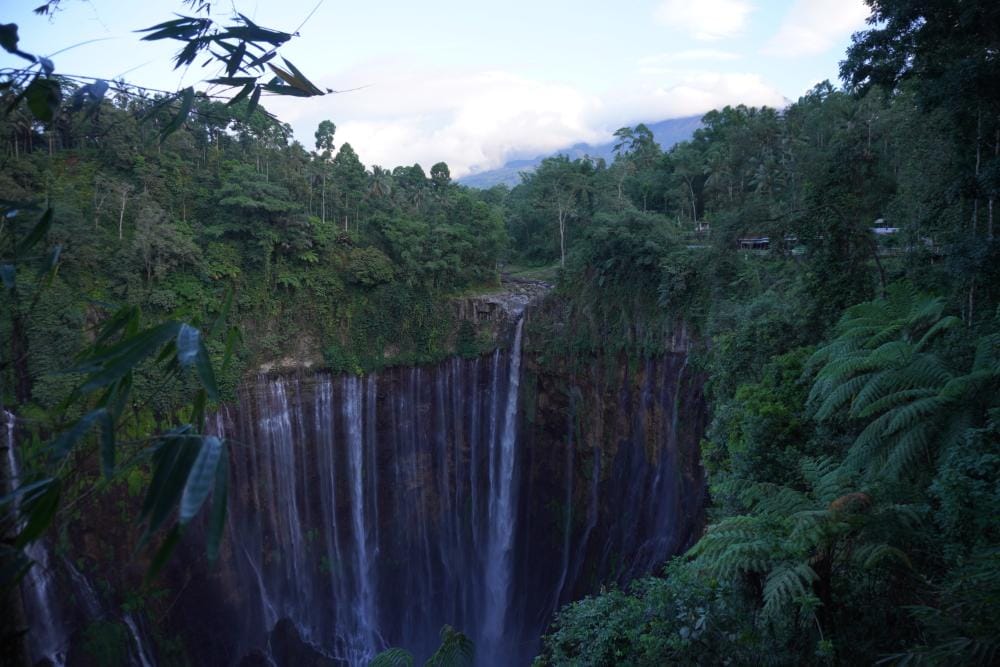
Day 2 is the heart of the Tumpak Sewu Bromo Tour. Start early, because the clearest views usually arrive in the morning, before heat and cloud buildup soften the landscape. From the main viewpoint, travelers can take in the full amphitheater of Tumpak Sewu, where hundreds of narrow streams drop in a dramatic semicircle into the forest below. On a clear day, Mount Semeru often appears in the distance, adding scale to the scene and making the overlook especially rewarding for wide-angle photography.
Trekking Down to the Falls
After the viewpoint, the route descends into the canyon through stairs, bamboo railings, and wet rock sections. The pace is moderate and should be unhurried; the path can be slippery, especially after rain. A local guide is strongly recommended for navigation, footing advice, and timing, particularly if the route conditions change. Expect the full visit, including the viewpoint and lower trek, to take around 2.5 to 4 hours depending on crowd levels and how far travelers choose to explore.
Seasonal Conditions and Safety
The dry season generally offers safer footing and better visibility, while the wet season can deliver stronger water flow but also more mud and mist. Good grip shoes, a waterproof layer, and a small dry bag are practical essentials. With the right pacing and local guidance, Day 2 becomes one of the most visually memorable parts of the itinerary.
Day 3: Sunrise at Mount Bromo and the Volcanic Landscape Experience
Before Dawn: Jeep Departure and the First Light
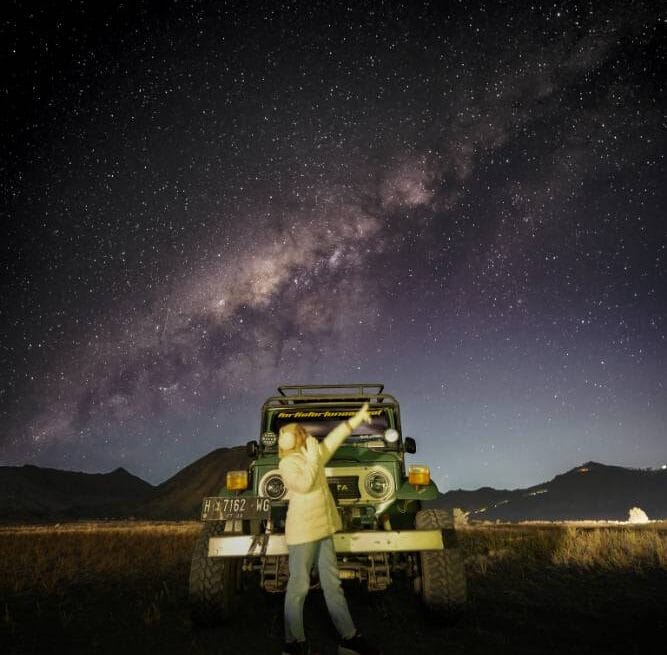
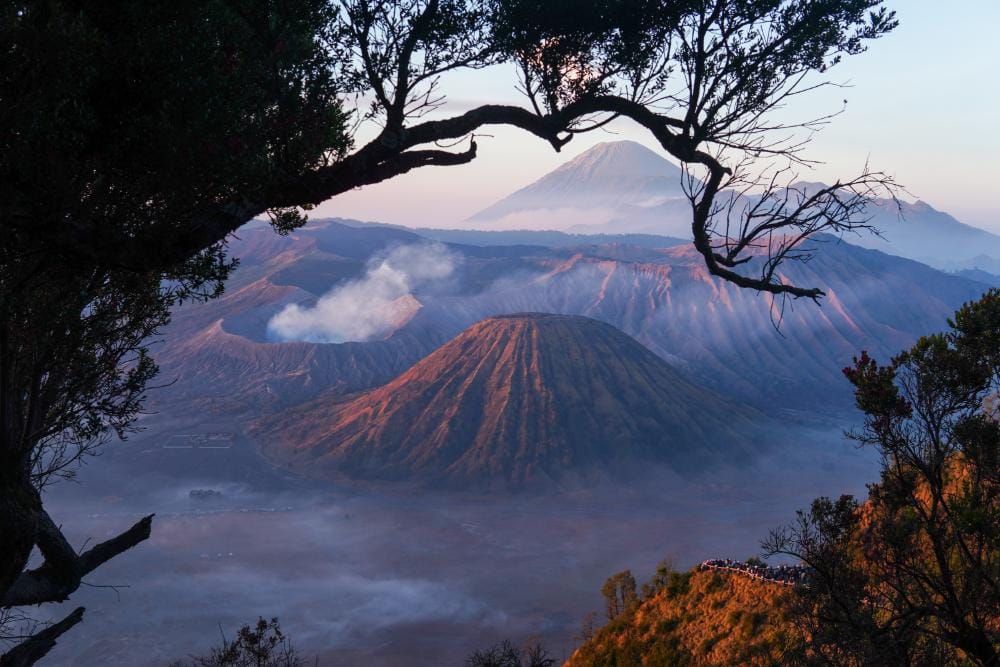
Day 3 usually begins well before sunrise, often around 2:30–3:30 a.m., depending on your starting point and weather conditions. Travelers head by jeep to one of Bromo’s main viewpoints, such as Penanjakan or Mentigen, where the pre-dawn atmosphere is part of the experience. The air is cool, the horizon is still dark, and the landscape slowly reveals itself as the sky turns from deep blue to gold.
Sunrise and the Volcanic Panorama
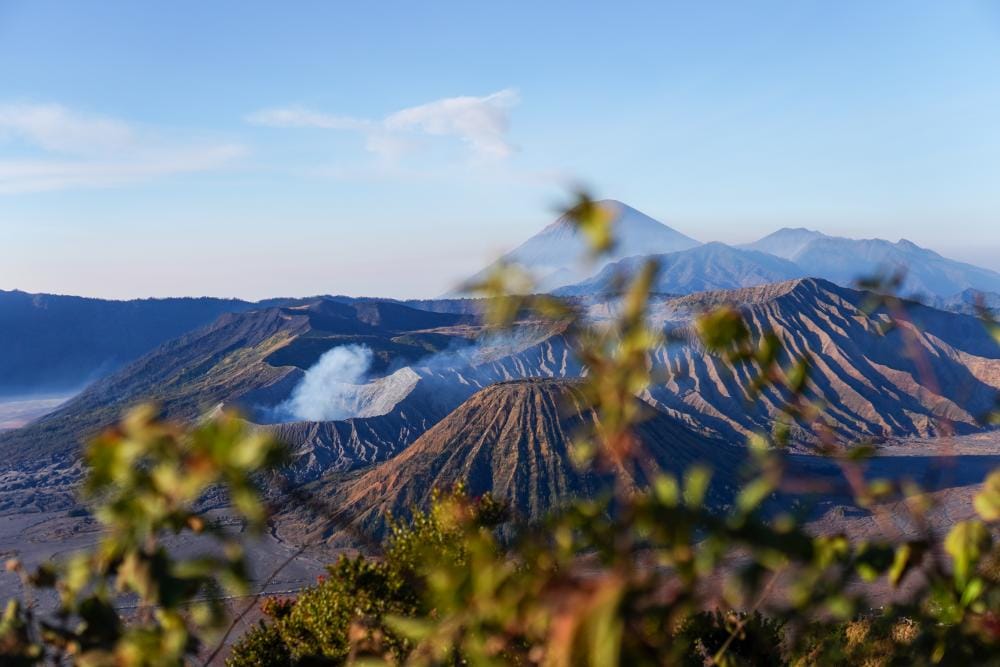
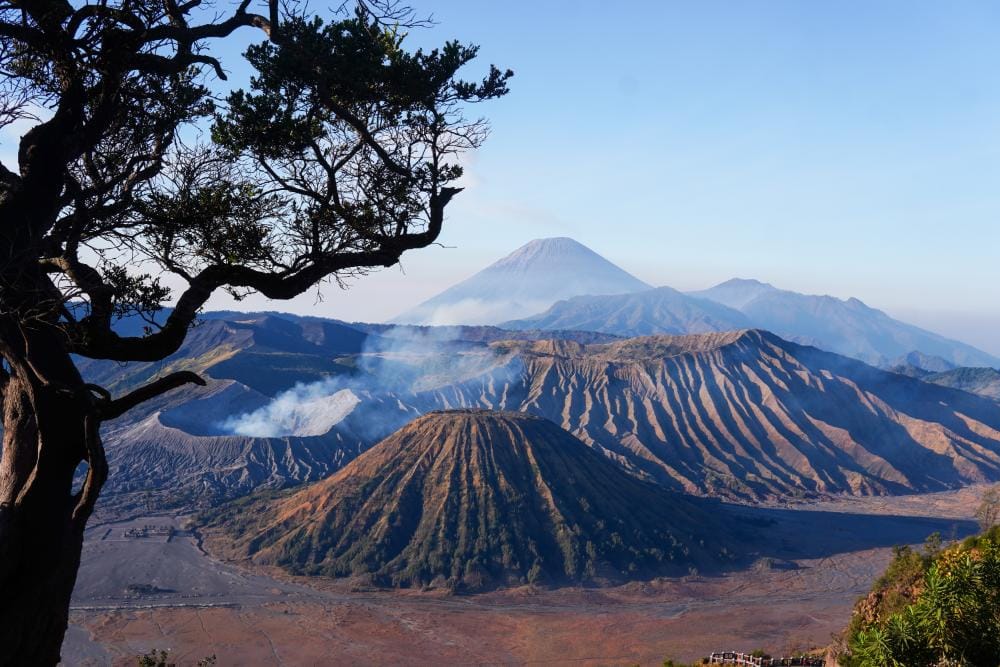
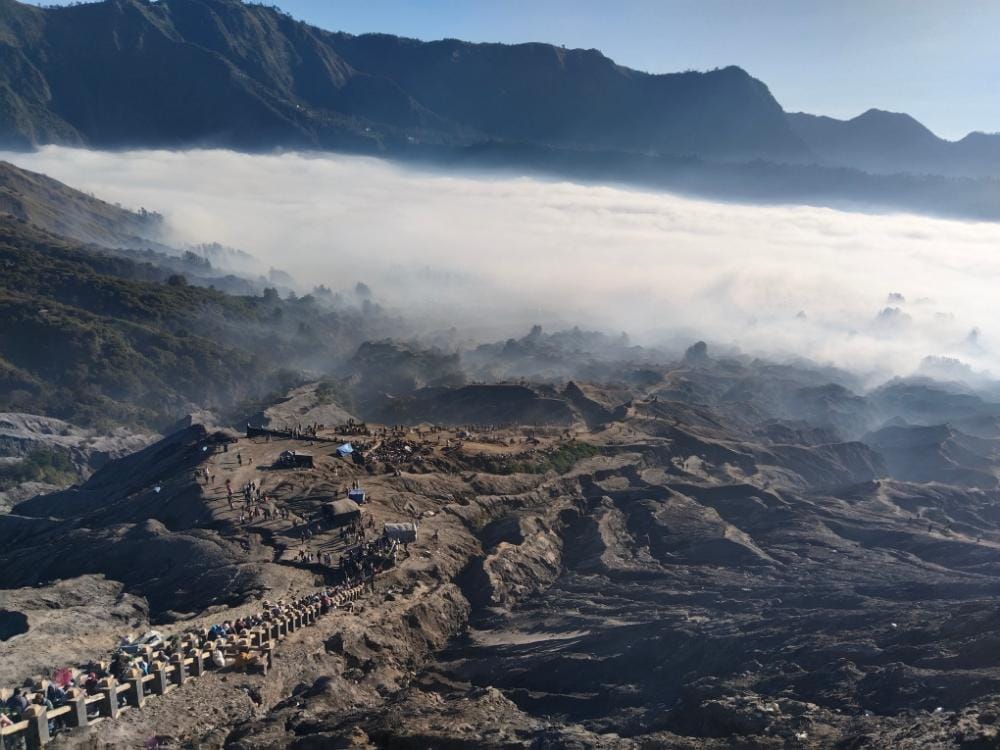
The reward is one of East Java’s most iconic views: Mount Bromo, the Sea of Sand, and the surrounding caldera fading into soft morning light. If you are doing a Tumpak Sewu Bromo Tour, this contrast is exactly what makes the route so effective. Tumpak Sewu delivers lush rainforest energy, while Bromo offers a stark, open volcanic scene that feels almost otherworldly. The visual shift is dramatic and memorable.
Optional Crater-Area Exploration
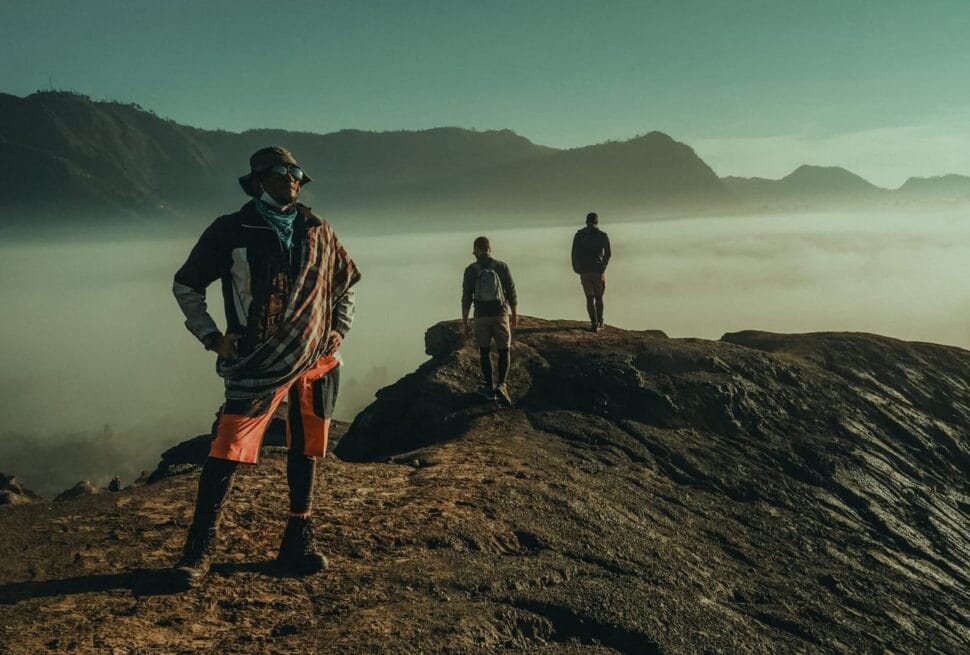
After sunrise, many travelers continue by jeep toward the Sea of Sand and the stairway to Bromo’s crater rim. If conditions are favorable and time allows, this optional walk adds a closer look at the active volcanic environment. Expect fine ash, wide open terrain, and a sense of scale that photographs cannot fully capture. For a smoother experience, bring a light jacket, mask or buff for dust, and enough water for the morning trek.
Best Time to Go, Weather Considerations, and Access Notes
Best Seasons for a Combined East Java Trip
For a Tumpak Sewu Bromo Tour, the most reliable time to travel is the dry season, generally from May to October. During these months, trails are usually safer, viewpoints are clearer, and sunrise conditions at Mount Bromo are often more consistent. Tumpak Sewu is still impressive in the dry season because the waterfall flow remains strong, while the descent into the ravine is typically less slippery than after heavy rain.
Weather, Closures, and Volcano-Related Changes
Rainy-season travel, especially from November to April, can bring muddy paths, reduced visibility, and occasional access limits at the waterfall or viewpoint areas. At Bromo, volcanic activity can also affect routes, jeep access, or summit access depending on official advisories. Even when the landscape is open, haze, wind, or early-morning clouds may reduce the sunrise experience.
Why Flexibility Matters
Flexible planning is essential for this route. A one-day delay can make a major difference if rainfall intensifies or access changes overnight. Travelers can reduce risk by checking local weather forecasts, park announcements, and volcanic status updates before departure. It is also wise to build in buffer time, especially if connecting between Lumajang, Probolinggo, and the Bromo area.
If you are joining a guided Tumpak Sewu Bromo Tour, ask the operator how they handle sudden closures, alternative viewpoints, and schedule adjustments so the trip remains smooth and safe.
Who This Tour Is For and How to Book a Smooth Package
Who This Tour Is For
The Tumpak Sewu Bromo Tour is ideal for travelers who want an efficient yet rewarding East Java adventure. It suits adventure-minded visitors who enjoy scenic walks, light trekking, and early starts, as well as photographers looking for dramatic contrasts between waterfalls, misty valleys, and volcanic landscapes. Couples often appreciate the itinerary’s balance of shared adventure and memorable sunrise moments, while families and small groups benefit from a route that can be arranged with private transport and flexible pacing.
What to Look for in a Well-Organized Package
A strong package should include comfortable transport, a clear day-by-day schedule, and local support at both destinations. This is especially important because the route involves early departures, mountain roads, and short but active trekking sections. Look for operators that explain pickup times, driving durations, entrance arrangements, and what is included for each day. Clear communication matters: you should know in advance whether the package covers jeep transfers at Bromo, a local guide for Tumpak Sewu, and hotel pickup and drop-off.
A Convenient Way to See Two Icons
For travelers who want to maximize limited time without sacrificing quality, this itinerary offers one streamlined journey to two of East Java’s most iconic landscapes. With the right planning, the Tumpak Sewu Bromo Tour becomes a smooth, well-paced experience that combines adventure, comfort, and unforgettable scenery in just three days.
Conclusion
Yes — Tumpak Sewu and Mount Bromo can absolutely be visited in the same trip, and when planned well, they create one of the most rewarding short itineraries in East Java. The key is pacing: spend one day on arrival and preparation, one full day at Tumpak Sewu, and one early morning for Mount Bromo’s sunrise landscape. This flow keeps travel efficient while still leaving enough energy to enjoy each destination properly.
A well-designed Tumpak Sewu Bromo Tour works because it combines two very different but complementary experiences: the lush, powerful atmosphere of the waterfall and the dramatic volcanic scenery of Bromo. Together, they offer a balanced journey that feels complete without requiring a long vacation. For travelers who value smart logistics, scenic variety, and meaningful nature experiences, this route is especially effective.
The most important takeaway is simple: with the right timing, transport, and itinerary, you do not need to choose between these icons of East Java. You can experience both in one seamless route and return with a deeper appreciation of the region’s natural beauty. If you are ready for a trip that is efficient, scenic, and memorable, now is the time to plan your own Tumpak Sewu Bromo Tour.