
Introduction
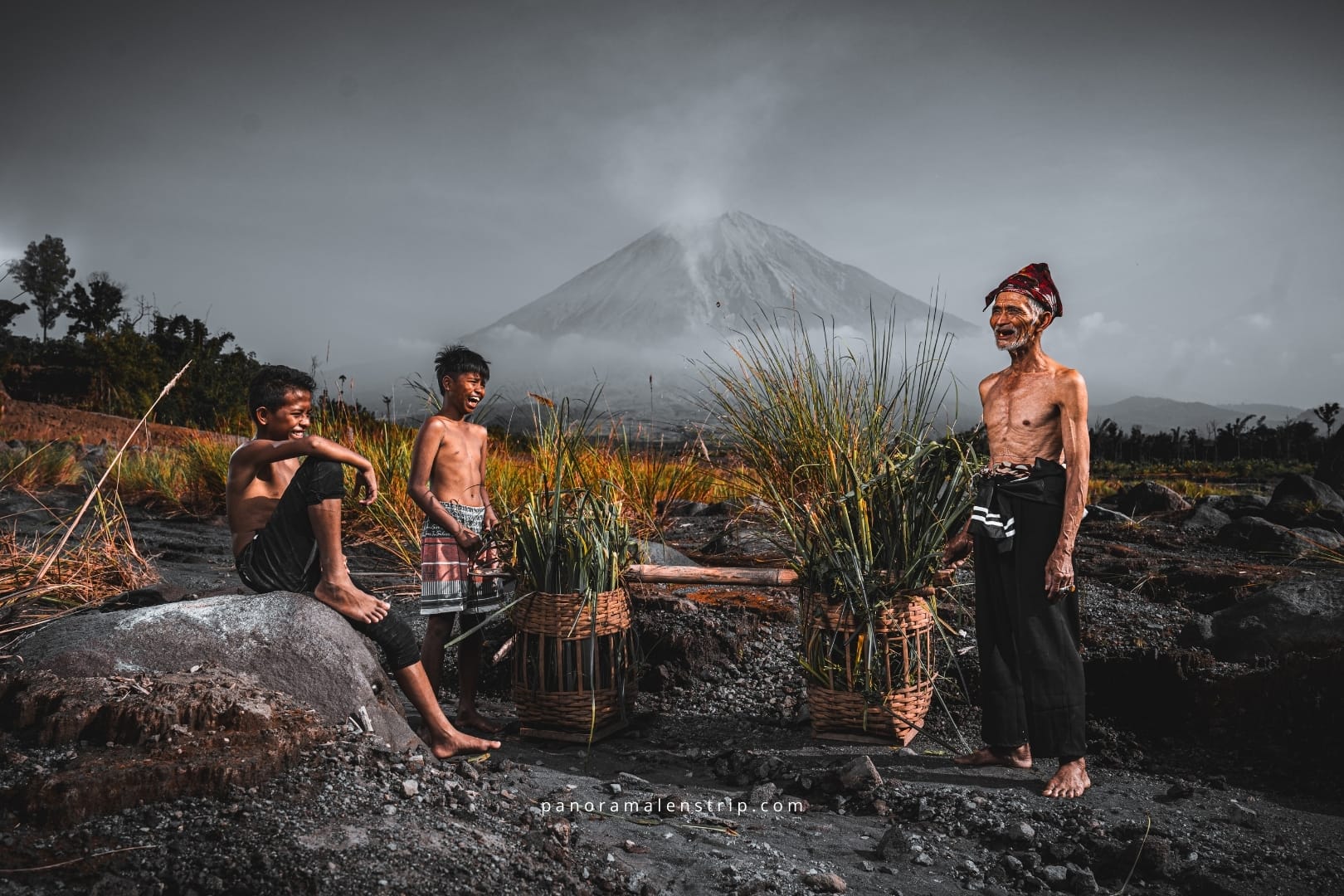
When people think about Mount Bromo, they often imagine its stunning crater, golden sunrise, and sea of whispering volcanic sand. But behind this majestic landscape lies a deeper story—one that connects the mountain to a community that has lived there for centuries. This community is known as the Tenggeresse, often referred to as the true “Guardians of the Volcano.”
The Tenggeresse Mount Bromo culture is more than a tradition; it is a living identity. Their spiritual beliefs, rituals, and way of life are intertwined with the existence of Mount Bromo itself. Without the Tenggeresse, the mountain’s cultural soul would simply not be the same.
The Origin of the Tenggeresse
Historical Roots
The Tenggeresse are believed to be direct descendants of the Majapahit Kingdom—one of the greatest empires in Indonesian history. After the kingdom collapsed in the 15th century, loyalists fled to the mountains to preserve their traditions, resulting in what we now know as the Tenggeresse Mount Bromo culture.
Majapahit Connection
The name “Tengger” comes from Roro Anteng and Joko Seger, the central figures in a famous Bromo legend. Combining Anteng + Seger created Tengger, symbolizing purity, devotion, and strength.
Geography and Settlement
The Tenggeresse live across the slopes and plateaus of:
- Probolinggo
- Pasuruan
- Malang
- Lumajang
Their settlements stretch from 1,200 to 2,400 meters above sea level, creating a unique highland lifestyle shaped by cold air, volcanic soil, and isolation.
Spiritual Life of the Tenggeresse
Unlike the majority of Java, the Tenggeresse practice a form of Hindu Dharma that blends ancestral worship and mountain spirituality. Their rituals revolve around:
- Offering flowers
- Burning incense
- Prayer ceremonies honoring Sang Hyang Widi
Mount Bromo is considered sacred, a living gate between humans and deities.
The Kasada Festival
The Kasada Festival is the most iconic and spiritually powerful ceremony celebrated by the Tenggeresse Mount Bromo community. Held once a year during the 14th day of the Kasada month in the Tenggerese calendar, this sacred ritual represents a deep bond between the Tenggeresse people and the volcanic spirit of Mount Bromo. More than just a cultural attraction, the Kasada Festival preserves centuries-old beliefs that have shaped the identity of the Tenggeresse Mount Bromo heritage.
The origins of Kasada come from the legendary story of Roro Anteng and Joko Seger, ancestors of the Tenggeresse. After receiving divine blessings of children, they were bound by a promise to offer their youngest child to the gods of Mount Bromo. Although they could not fulfill the sacrifice, the gods demanded offerings from their descendants instead. This became the foundation of the Kasada ritual, carried out with deep respect and devotion by the Tenggeresse Mount Bromo community.
During the festival, Tenggeresse pilgrims climb the steep paths of Mount Bromo before sunrise, carrying baskets filled with offerings—ranging from vegetables and fruits to livestock, flowers, and traditional foods. These offerings are thrown directly into the active crater as a symbol of gratitude and a plea for protection, fertility, and blessings for the year ahead. The dramatic setting of the smoking crater, the chanting of prayers, and the sight of Tenggeresse people in traditional attire create an atmosphere unlike any other.
What makes the Kasada Festival truly remarkable is how it reflects the spiritual strength and cultural resilience of the Tenggeresse Mount Bromo people. It is both a living tradition and a powerful reminder of the sacred relationship between humans, ancestors, and nature. For visitors, witnessing Kasada is not simply watching a ceremony—it is experiencing the spiritual heartbeat of Mount Bromo itself.
Cultural Practices & Social Traditions
Traditional Clothing
Tenggeresse clothing includes:
- Thick woven jackets
- Bright shawls
- Head coverings
Designed to protect against the cold mountain air.
Community Life
The Tenggeresse community values unity, with ceremonies such as:
- Karo Festival
- Entas-entas rituals
- Traditional weddings
Elders play a vital role in preserving customs and spiritual teachings.
Language and Heritage
The language spoken by the Tenggeresse Mount Bromo community is one of the most unique cultural treasures in East Java. Known as the Tenggerese language, it preserves many elements of ancient Javanese once used during the Majapahit era. While much of Java has shifted to modern Javanese or Indonesian, the Tenggeresse have kept their linguistic roots alive, allowing researchers and visitors to witness a living piece of history. This linguistic continuity shows how deeply the Tenggeresse Mount Bromo culture is connected to its heritage, maintaining traditions that have existed for centuries.
The Tenggerese language is not only a tool for communication but also a vessel of cultural values. Ceremonies, prayers, ancient songs, and storytelling rituals are all conducted in this language. Through it, wisdom from ancestors is passed down from one generation to another. Elders teach children the meanings behind sacred chants, ritual instructions, and myths surrounding Mount Bromo. This ensures that the identity of the Tenggeresse Mount Bromo community remains strong even in modern times.
Furthermore, the Tenggerese script and oral literature contain spiritual lessons, historical narratives, and moral teachings that shape their worldview. The preservation of language is equivalent to preserving their legacy. Without it, many aspects of Tenggeresse Mount Bromo culture—rituals, beliefs, and customs—would slowly fade. Their commitment to maintaining linguistic purity is a powerful expression of cultural pride and resilience.
Tenggeresse and Nature
The bond between the Tenggeresse Mount Bromo community and their natural environment is profound and sacred. For the Tenggeresse, nature is not just a landscape—it is a living entity with spiritual energy. Every mountain, forest, breeze, and eruption carries meaning. Mount Bromo, in particular, is considered a guardian spirit that watches over the people, guiding them through blessings and natural signs.
The Tenggeresse depend on highland agriculture for their livelihood, growing crops such as potatoes, carrots, leeks, and cabbage in the fertile volcanic soil. Their farming practices reflect a deep respect for earth and balance. They avoid excessive exploitation and believe that maintaining harmony with the land ensures good harvests. This sustainable mindset is a cornerstone of Tenggeresse Mount Bromo life.
Nature also shapes their rituals. Mist rising from the crater, the rumbling of the volcano, and changes in weather patterns are interpreted as messages from the gods. Festivals like Kasada highlight this relationship, expressing gratitude and seeking protection. Every Tenggeresse ceremony reinforces the idea that humans and nature must coexist respectfully.
In essence, the connection between the Tenggeresse Mount Bromo community and their environment represents a spiritual partnership. Their respect for nature is not only cultural but a way of survival, guiding their daily lives and ensuring that traditions endure through generations.
Tourism and Its Impact
How Tourism Reshaped the Tenggeresse Economy
Tourism has played a transformative role in the economic landscape of the Tenggeresse Mount Bromo region. Once heavily dependent on agriculture and limited trade, the Tenggeresse community now benefits from a thriving tourism industry driven by the global popularity of Mount Bromo. The mountain’s sunrise viewpoint, dramatic volcanic terrain, and spiritual attractions create a steady influx of visitors—from backpackers to luxury travelers.
With this rise in tourism, new economic opportunities opened up. Many Tenggeresse now work as jeep drivers, guiding tourists across the Sea of Sand to viewpoints like Penanjakan. Others operate homestays, offering warm hospitality rooted in their cultural traditions. Local youths often work as horse handlers, helping visitors navigate steep paths to the crater. Meanwhile, women sell traditional snacks, woven shawls, and handmade crafts inspired by Tenggeresse Mount Bromo motifs.
The shift from farming to tourism has brought financial stability to many households. Income became more diverse, helping families afford better schooling, healthcare, and personal development opportunities. In short, tourism did not just reshape the economy—it elevated the overall standard of living for the Tenggeresse.
Positive Effects on Local Communities
Tourism has encouraged infrastructure development across the Tenggeresse Mount Bromo area. Roads have improved, accommodations have expanded, and public facilities have been upgraded to support the growing number of visitors. Villages once isolated by poor access now enjoy stronger connectivity due to tourism-driven development.
Culturally, tourism helped spotlight Tenggeresse traditions at a global scale. Visitors became curious about their rituals, festivals, and ancient stories. This external appreciation has encouraged the younger generation to learn, preserve, and take pride in their identity. Traditional festivals such as Kasada now attract audiences from around the world, allowing the community to share their sacred heritage.
Tourism also fostered community empowerment. Cooperative groups formed to manage homestays, transportation, and conservation projects. These groups ensure that financial benefits circulate within the community rather than being absorbed by outside investors.
Challenges Faced by the Tenggeresse
Despite its benefits, tourism also brings challenges to the Tenggeresse Mount Bromo community. One significant issue is cultural dilution. As tourism grows, commercial interests sometimes overshadow spiritual values. Rituals that were once intimate can become overly publicized, risking loss of authenticity.
Environmental pressures also increase. The Mount Bromo area faces:
- Waste accumulation
- Soil erosion
- Pollution from jeeps and motorbikes
- Overcrowding during peak seasons
These environmental concerns threaten the sacred landscape that the Tenggeresse deeply respect.
Another challenge is unequal distribution of income. While some families thrive in tourism, others—especially those living farther from main access routes—may not benefit equally. Balancing tourism development with inclusivity, cultural integrity, and environmental protection remains a continuous effort.
Preserving the Tenggeresse Heritage
Cultural Conservation Efforts
To protect the legacy of the Tenggeresse Mount Bromo community, various cultural preservation efforts have been initiated. Traditional rituals are documented, taught in schools, and practiced regularly to ensure continuity. Elders play a central role, passing down stories, ceremonial chants, and ancient knowledge to younger generations.
Local cultural centers, workshops, and festival committees also aim to maintain the authenticity of Tenggeresse traditions. Children learn traditional dance, music, and ceremonial etiquette, reinforcing their identity from an early age.
Language preservation is another critical effort. Since Tenggeresse language carries historical significance, community leaders encourage its daily use at home and in ceremonies.
Government and Community Involvement
Government support plays a major role in preserving Tenggeresse Mount Bromo culture. Local authorities collaborate with village leaders (dukun adat) to regulate tourism and protect sacred sites. Cultural zones are marked, and ritual pathways are safeguarded to prevent disturbance during ceremonies.
The community itself proactively participates through:
- Tourism cooperatives
- Environmental protection programs
- Cultural documentation projects
- Language preservation activities
NGOs and cultural research groups also contribute by producing studies, organizing cultural events, and providing educational resources. These collaborations ensure that preservation is not just symbolic but structured and sustainable.
The Future of the Tenggeresse Mount Bromo Identity
The future of Tenggeresse Mount Bromo identity depends heavily on balancing tradition with modernization. As digital technology and global influences reach the region, young Tenggeresse must navigate between cultural heritage and contemporary lifestyles.
However, there is growing optimism. Many young people proudly participate in cultural events, serve as cultural storytellers for tourists, and support local conservation efforts. With proper guidance and strong community leadership, the Tenggeresse identity can remain vibrant for generations.
The ongoing challenge is ensuring that tourism respects and supports their culture rather than overwhelming it. If managed wisely, both the culture and the economy will flourish harmoniously.
Visiting Mount Bromo Respectfully
Cultural Etiquette Visitors Must Follow
Visitors to the Tenggeresse Mount Bromo area should be aware that the region is not just a tourism destination—it is a sacred homeland. To respect the community:
- Avoid disruptive behavior near temples and ritual sites
- Dress modestly, especially during ceremonies
- Do not touch offerings or enter sacred zones without permission
- Speak quietly around ritual areas
- Be mindful when taking photos; always ask for consent
Showing respect helps preserve the sanctity of Tenggeresse traditions.
Responsible Tourism Guidelines
Responsible tourism ensures that Mount Bromo remains beautiful and culturally intact. Essential guidelines include:
- Dispose of trash properly
- Use eco-friendly transportation when possible
- Support conservation programs
- Avoid stepping on fragile vegetation in the Sea of Sand
- Follow marked paths to reduce erosion
Small actions by visitors collectively make a big difference to the health of the Tenggeresse Mount Bromo environment.
How to Support Local Tenggeresse Communities
Visitors can directly support the Tenggeresse by:
- Booking local homestays instead of large commercial hotels
- Hiring Tenggeresse guides and jeep drivers
- Purchasing local handicrafts
- Trying traditional Tenggeresse food
- Donating to community-based cultural programs
These contributions help sustain the local economy and preserve cultural traditions.
Conclusion
Tourism around Mount Bromo continues to shape the economic, cultural, and environmental landscape of the Tenggeresse Mount Bromo community. While it brings opportunities and global recognition, it also demands careful, respectful engagement from visitors and responsible management from authorities and locals. Preserving the Tenggeresse heritage—its language, rituals, customs, and sacred relationship with Mount Bromo—is essential for keeping the mountain’s soul alive.
By understanding and respecting the culture of the Tenggeresse, travelers can experience Mount Bromo not just as a scenic wonder but as a living cultural world shaped by centuries of devotion, resilience, and harmony with nature.


