

Understanding Balinese Culture and Spiritual Life
Balinese culture is deeply rooted in spirituality. Daily life in Bali flows in rhythm with religious beliefs, customs, and rituals that connect people to the divine and the natural world. Religion is not separated from everyday activities; instead, it guides how people think, act, and interact with others. This spiritual foundation explains why Traditional Balinese Ceremonies remain central to Balinese identity, even in a modern, tourism-driven era.
The Philosophy of Tri Hita Karana
At the heart of Balinese spiritual life is Tri Hita Karana, a philosophy that emphasizes harmony in three relationships: humans with God, humans with other people, and humans with nature. Ceremonies exist to maintain this balance. When harmony is achieved, life is believed to flow smoothly, like a river without obstacles.
Hindu Dharma in Bali
Balinese Hinduism, known as Hindu Dharma, blends Indian Hindu teachings with local traditions and ancestral beliefs.
Daily Rituals vs Sacred Ceremonies
Daily rituals are simple offerings performed at homes and shops. Sacred ceremonies, however, involve temples, priests, and entire communities, marking important spiritual moments.
Why Traditional Balinese Ceremonies Matter
Traditional Balinese ceremonies are not just symbolic traditions. They are living practices that shape social behavior and spiritual awareness. For Balinese people, ceremonies are obligations that maintain balance in both the visible and invisible worlds.
Social Harmony and Community Bonds
Ceremonies bring communities together. Preparation can take days or even weeks, requiring cooperation, shared responsibility, and mutual support. This collective effort strengthens social bonds and reinforces a strong sense of belonging within the village.
Spiritual Balance Between Worlds
Balinese belief recognizes both the seen world (sekala) and the unseen world (niskala). Ceremonies act as bridges between these realms. Through prayers and offerings, people seek protection, gratitude, and balance. Without ceremonies, spiritual disharmony is believed to invite misfortune, illness, or natural imbalance.
Also read: Kasada Festival Mount Bromo: Rituals, History & Travel Tips
Categories of Traditional Balinese Ceremonies
Traditional Balinese ceremonies are structured into four sacred categories, each serving a distinct spiritual purpose. Together, they create a complete system that governs human life, nature, and the divine.
Dewa Yadnya (Ceremonies for the Gods)
Dewa Yadnya ceremonies honor the gods and are usually held in temples. These rituals express gratitude and devotion through prayers, music, and elaborate offerings.
Pitra Yadnya (Ceremonies for Ancestors)
Pitra Yadnya focuses on ancestral spirits. These ceremonies guide souls toward purification and peace in the afterlife.
Manusa Yadnya (Human Life Ceremonies)
Manusa Yadnya marks key stages of human life; for instance, it celebrates birth, transitions into adulthood, leads to marriage, and ultimately signifies personal transformation.
Bhuta Yadnya (Ceremonies for Nature Spirits)
Bhuta Yadnya rituals restore balance with nature and unseen forces. They are meant to neutralize negative energies and maintain harmony between humans and the environment.
Dewa Yadnya – Ceremonies for the Gods
Dewa Yadnya ceremonies are among the most colorful and festive expressions of Balinese spirituality. They are dedicated to honoring gods who are believed to reside in temples, mountains, and sacred places across Bali.
Odalan Temple Anniversary
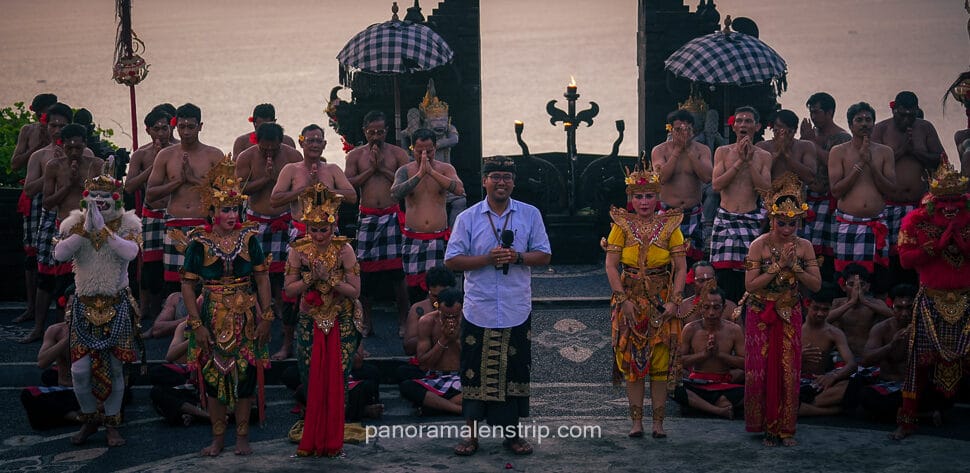
Every temple celebrates its odalan, or anniversary, every 210 days according to the Balinese calendar. During these occasions, villagers dress in traditional attire and bring beautifully arranged offerings. Consequently, the atmosphere becomes joyful, sacred, and communal, with prayers accompanied by the enchanting sounds of gamelan music.
Galungan and Kuningan
Galungan celebrates the victory of dharma (good) over adharma (evil). Ten days later, Kuningan marks the return of ancestral spirits to the spiritual realm.
Symbolism of Good vs Evil
Tall bamboo poles called penjor line the streets, symbolizing prosperity and gratitude. These ceremonies remind people that goodness must be consciously upheld through action and devotion.
Pitra Yadnya – Honoring the Ancestors
Pitra Yadnya ceremonies reflect the Balinese belief that death is a transition, not an ending. These rituals help the soul detach from the physical world and move toward spiritual liberation.
Ngaben (Cremation Ceremony)
Ngaben is the most well-known Pitra Yadnya ritual. Although it marks death, the ceremony is not somber. Instead, it is often vibrant and uplifting, symbolizing the release of the soul from earthly attachments through fire.
Nyekah and Memukur Rituals
After Ngaben, Nyekah and Memukur rituals complete the purification process. These ceremonies ensure that the soul reaches the ancestral realm and can later return during important festivals to bless the family.
Through Pitra Yadnya, Balinese families honor their ancestors with respect, gratitude, and spiritual responsibility, reinforcing the deep connection between past, present, and future generations.
Manusa Yadnya – Life Cycle Ceremonies
Manusa Yadnya ceremonies mark the most important stages of human life in Balinese culture. These rituals guide individuals from birth to adulthood and marriage, ensuring spiritual protection and balance at every step. In Balinese belief, life is a sacred journey, and each milestone must be blessed to maintain harmony with the divine.
Birth and Naming Ceremonies
A newborn baby is considered pure and divine. Several ceremonies follow birth, including naming rituals and the three-month ceremony, when the baby touches the ground for the first time. This moment symbolizes the child’s formal entry into the human world.
Metatah (Tooth Filing Ceremony)
Metatah is a powerful coming-of-age ritual. It involves filing six upper teeth to symbolically control negative human traits such as anger, jealousy, and greed. Usually performed during adolescence, this ceremony represents emotional maturity and spiritual readiness.
Marriage Ceremonies
Balinese marriage ceremonies unite not only two individuals but also their families and ancestors. The rituals emphasize commitment, responsibility, and harmony. Marriage is viewed as a spiritual partnership that supports both personal growth and community stability.
Bhuta Yadnya – Restoring Balance with Nature
Bhuta Yadnya ceremonies focus on maintaining balance between humans and the unseen forces of nature. Balinese people recognize negative energies and respectfully acknowledge them rather than ignore them.
Caru Offerings
People present Caru offerings at crossroads, temples, and homes to calm disruptive spirits and prevent imbalance. The goal is not to worship but to promote peaceful coexistence. The goal is not worship, but peaceful coexistence.
Tawur Kesanga before Nyepi
Tawur Kesanga takes place one day before Nyepi. Villagers make large-scale offerings across villages to cleanse the island of negative forces. This ritual prepares Bali spiritually for the silence of Nyepi.
Nyepi – The Balinese Day of Silence
Nyepi is one of the most unique religious observances in the world. During this time, for 24 hours, the entire island of Bali comes to a complete standstill; consequently, airports close, streets empty, and silence dominates.
Ogoh-Ogoh Parade
On the eve of Nyepi, villagers parade giant demon statues called Ogoh-Ogoh. These figures represent negative energies and human flaws. After the parade, people symbolically destroy them.
Four Nyepi Prohibitions
Four sacred restrictions govern Nyepi to encourage self-reflection and purification.
Amati Geni, Karya, Lelungan, Lelanguan
These rules prohibit fire, work, travel, and entertainment. Through silence and stillness, Balinese people reconnect with themselves and the universe.
Sacred Offerings in Balinese Ceremonies
Offerings are the physical expression of prayer in Balinese culture. They symbolize gratitude, respect, and devotion to the gods, ancestors, and nature.
Canang Sari
Canang Sari are small, daily offerings made from palm leaves, flowers, and incense. People place them in homes, temples, and businesses to express thankfulness.
Banten Offerings
Banten offerings are more elaborate and used in major ceremonies; moreover, each element carries symbolic meaning, thereby representing harmony and balance in the universe.
Traditional Attire Worn During Ceremonies
Traditional clothing plays a vital role in Balinese ceremonies. It reflects respect, purity, and cultural identity.
Kebaya and Kamen
Women wear kebaya blouses paired with kamen cloth. The attire represents elegance and spiritual discipline.
Udeng and Saput
Men wear an udeng headcloth and saput sash. These garments symbolize focus, humility, and readiness for prayer.
The Role of Temples in Balinese Ceremonies
Temples are the spiritual centers of Balinese life. Every major ceremony takes place in or around a temple, making these sacred spaces essential to Traditional Balinese Ceremonies. People believe that temples serve as dwelling places for gods, ancestral spirits, and protective energies; therefore, they are treated with deep reverence and care.
Kahyangan Tiga Temples
Each village has three main temples known as Kahyangan Tiga: Pura Puseh (origin temple), Pura Desa (village temple), and Pura Dalem (temple of death). Together, they represent the cycle of life, death, and rebirth, hosting ceremonies throughout the year.
Sea and Mountain Temples
Sea temples protect Bali from negative forces, while mountain temples symbolize purity and spiritual elevation. This balance reflects harmony between land, ocean, and the divine.
Experiencing Traditional Balinese Ceremonies as a Visitor
Visitors are welcome to observe traditional Balinese ceremonies, as long as they show respect. Experiencing these rituals offers a rare glimpse into Bali’s spiritual heart.
Etiquette and Dress Code
Always wear a sarong and sash when entering temples. Dress modestly and follow local instructions. Traditionally, people ask women who are menstruating not to enter sacred areas.
Photography Do’s and Don’ts
Photography is generally allowed, but do not use flash or shoot from intrusive angles. Never step in front of worshippers during prayers. When in doubt, ask permission.
Best Time to Witness Traditional Balinese Ceremonies
Ceremonies in Bali follow a complex calendar system. Events occur year-round, making any visit culturally rewarding.
Balinese Calendar and Auspicious Days
The Pawukon calendar governs many ceremonies, including temple anniversaries every 210 days. Major celebrations like Galungan, Kuningan, and Nyepi offer unforgettable cultural experiences.
Cultural Preservation and Modern Challenges
Modern life brings both opportunities and challenges to Balinese traditions.
Tourism and Cultural Respect
Tourism supports local economies, but respectful behavior is essential. Cultural awareness helps preserve sacred practices.
Passing Traditions to the Next Generation
Families and schools play a key role in teaching rituals and values, ensuring traditions remain alive.
Conclusion: Why Traditional Balinese Ceremonies Inspire the World
Traditional Balinese ceremonies are living expressions of harmony, devotion, and balance. They teach the value of gratitude, community, and spiritual awareness in a fast-paced world. Through rituals that honor gods, ancestors, humanity, and nature, Bali offers a timeless lesson on how culture and spirituality can coexist beautifully. In doing so, experiencing these ceremonies is not just about witnessing tradition; rather, it is about understanding a way of life deeply rooted in respect and balance.
Also read: Bali Trip: The Ultimate Guide Trip To Bali
FAQs About Traditional Balinese Ceremonies
1. Can non-Hindus attend Balinese ceremonies?
Yes, visitors may attend respectfully and follow temple rules.
2. What should I wear to a Balinese ceremony?
A sarong and sash are required for everyone
3. Are ceremonies held daily in Bali?
Small rituals happen daily, while major ceremonies follow the Balinese calendar.
4. Is Nyepi observed by tourists as well?
Yes, everyone on the island must observe Nyepi restrictions.
5. Why are ceremonies so frequent in Bali?
They maintain balance between the spiritual, human, and natural worlds.


[…] travelers searching for inner calm, Bali offers more than beautiful scenery. Many sacred sites support reflection, meditation, and healing. The best temples to visit in Bali […]