What Is Yadnya Kasada?
Meaning of the Name and Origins
The term Yadnya means sacred offering or sacrifice, while Kasada refers to the twelfth month in the Tenggerese lunar calendar. Together, they describe a ritual of devotion performed at Mount Bromo. The Yadnya Kasada Bromo festival traces its roots to ancient Javanese Hindu traditions that survived in the highlands of East Java. For centuries, the Tenggerese people have honored the volcano as a spiritual axis where humans, nature, and the divine meet. The ceremony is not symbolic theater. It is a living act of gratitude and supplication, carried out with prayers, chants, and carefully prepared offerings.
Who Celebrates It Today
Today, the festival is observed by the Tenggerese community living in villages around the Bromo caldera, such as Ngadisari, Wonokitri, and Cemoro Lawang. Elders, priests, families, and youth participate together. Each household contributes offerings that reflect their livelihood and hopes. Visitors from Indonesia and abroad are welcome to observe from designated areas, but the ritual itself remains the community’s sacred responsibility.
Why the Festival Matters
Spiritual Purpose and Offerings
At its core, the Yadnya Kasada Bromo festival is an act of balance. Offerings of crops, flowers, livestock, and symbolic items are presented to seek protection, express gratitude for harvests, and ask for continued harmony. The volcano represents both creation and destruction. By giving back, the community acknowledges nature’s power and their dependence on it. This belief shapes daily life, farming cycles, and social bonds.
Cultural Identity of the Tenggerese
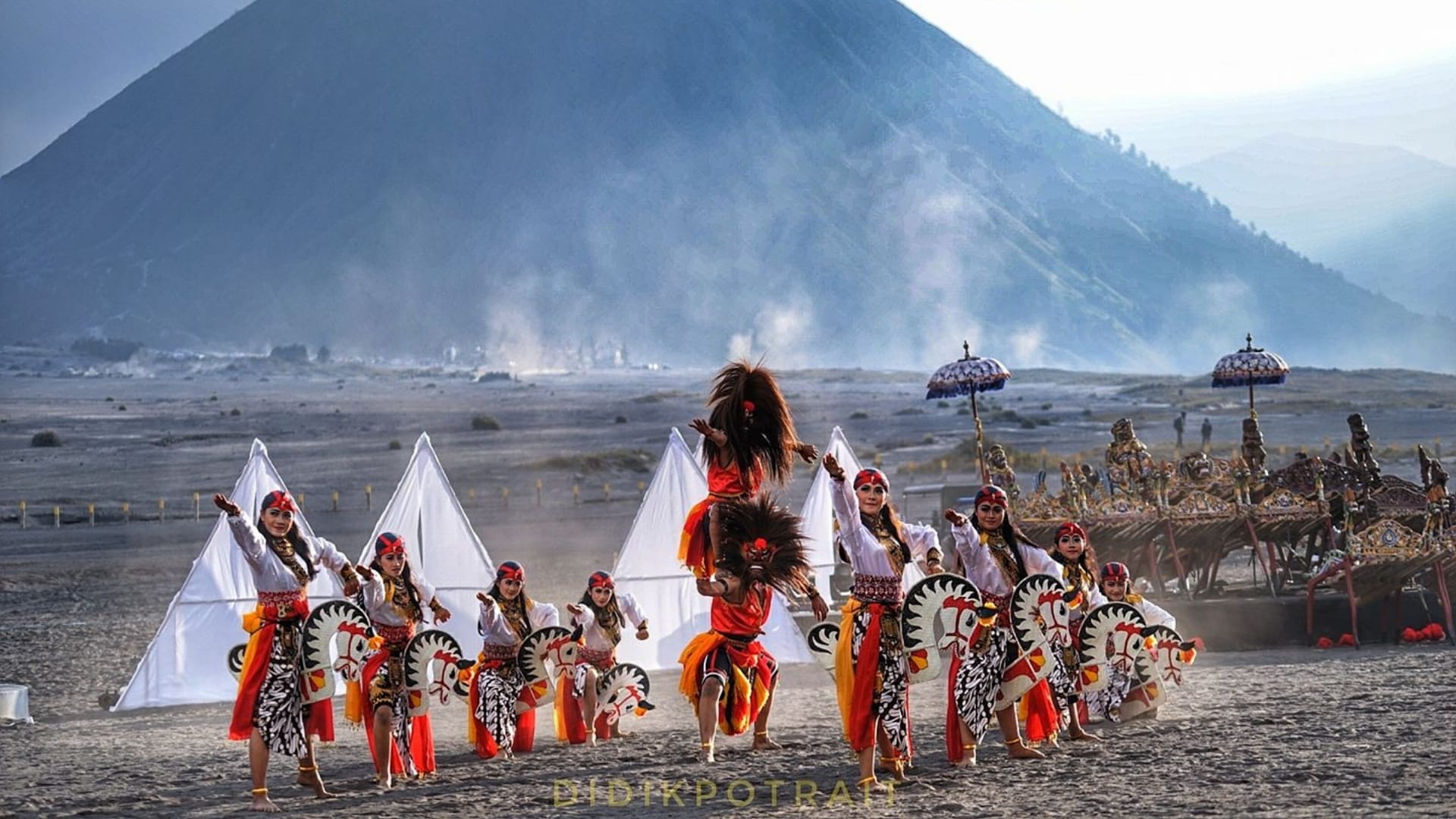
Kasada is also a declaration of identity. Language, attire, ritual music, and prayer forms reinforce who the Tenggerese are in a rapidly modernizing world. The ceremony binds generations, teaching values of humility, duty, and collective care. For outsiders, witnessing Kasada offers a rare window into a culture that preserves ancient Hindu-Javanese traditions within a dramatic volcanic landscape.
When and Where It Happens
Calendar, Full Moon, and Timing
The festival follows the Tenggerese lunar calendar and occurs on the full moon of the Kasada month, usually in June or July. The exact date shifts each year. Ceremonies begin late at night and reach their peak before dawn, when the air is cold and the crater is lit by torches and moonlight. Arriving early is essential, as access roads become crowded.
Key Locations Around Mount Bromo
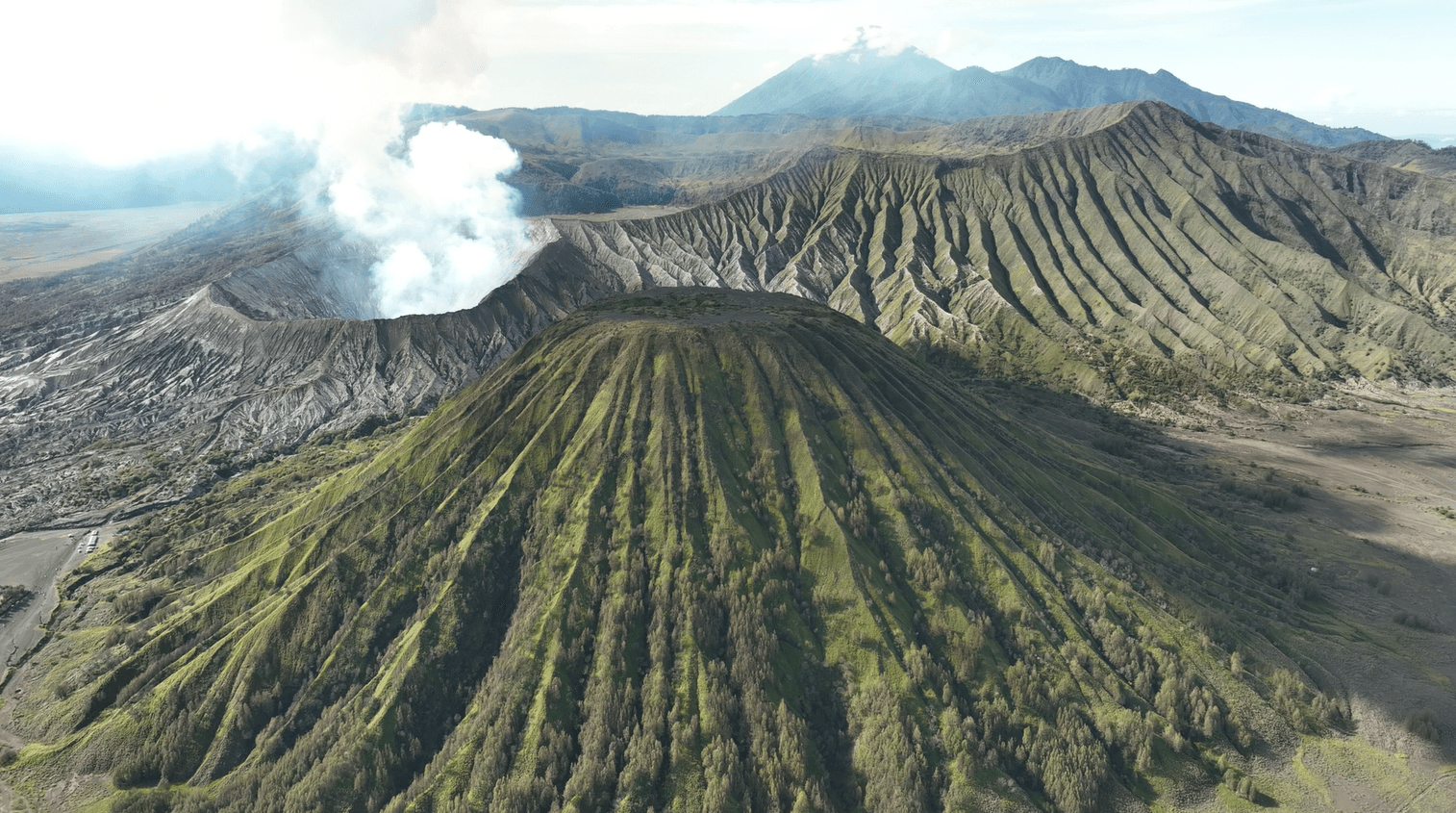
The main ritual takes place at the rim of Mount Bromo’s crater inside Bromo Tengger Semeru National Park. Supporting prayers occur in village temples across the caldera. Sunrise viewpoints, such as Penanjakan, attract visitors, but the spiritual heart of the event remains the crater edge.
The Rituals Step by Step
Procession to the Crater
Communities gather at local temples before moving in solemn processions toward Mount Bromo. Priests lead with chants, followed by families carrying baskets of offerings across the “sea of sand.” The mood is reverent and focused, not celebratory.
Offerings and Prayers
At the crater, prayers are recited, and offerings are presented. Items are then released into the volcano as a sign of devotion and trust. Some local villagers stand below to catch what falls, a practice rooted in tradition and livelihood. The act symbolizes both sacrifice and shared survival.
Safety and Sacred Boundaries
Visitors must remain behind marked lines, avoid touching offerings, and keep noise low. Crossing barriers or interrupting the ritual is disrespectful and dangerous. The ceremony is a religious act, not a performance.
Legends Behind the Ceremony
The Story of Roro Anteng and Joko Seger
According to Tenggerese legend, a couple named Roro Anteng and Joko Seger prayed for children and were blessed with many, on the condition that the youngest be offered to the volcano. When the time came, the mountain demanded their vow. From this story grew the tradition of giving offerings to Mount Bromo.
How Myth Shapes Modern Practice
Whether viewed as history or metaphor, the legend gives the Yadnya Kasada Bromo festival its emotional weight. It teaches that promises must be honored and that giving sustains harmony. Today’s rituals echo that message, linking past belief with present devotion.
How to Experience Yadnya Kasada as a Visitor
Viewing Points and Crowd Flow
To experience the Yadnya Kasada Bromo festival respectfully, arrive before midnight and follow park rangers’ directions. Designated viewing areas are set near the crater rim to keep pathways clear for processions. Stand back and allow participants to move freely. If you want a better view, choose higher ground along approved paths rather than edging closer to the ritual space. Keep your voice low and avoid sudden movements. The ceremony unfolds slowly, and patience is part of the experience. By observing from a distance, you honor both safety and tradition.
Photography and Filming Etiquette
Photography is allowed, but discretion is essential. Avoid flash, which disrupts the atmosphere and can distract worshippers. Never step into sacred areas for a closer shot. Ask for consent before photographing individuals, especially elders and children. Drones are typically restricted within the national park, particularly during ceremonies. Remember, this is not a performance. If a moment feels intimate or solemn, lower your camera and simply witness it.
Travel Planning for Mount Bromo
Getting There from Major Cities
Most visitors reach Mount Bromo via Malang, Surabaya, or Probolinggo. From these cities, continue to gateway villages by car or bus. Final access into the caldera requires a 4WD vehicle or an organized tour due to sandy terrain and park regulations. Public transport is limited near the mountain, so pre-arranged transport saves time, especially during the festival.
Entrance Fees, Permits, and Weather
Bromo Tengger Semeru National Park requires entry tickets, with different rates for domestic and international visitors. Bring valid identification and book in advance during peak periods. Nights are cold year-round, often near freezing. Wind and volcanic dust can affect visibility, so check conditions and pack warm layers, a mask, and sturdy footwear.
Best Time to Visit Beyond the Festival
Sunrise Seasonality
The dry season from May to October offers clearer skies and the best sunrise views. These months are ideal if you want dramatic landscapes without rain. Outside the Yadnya Kasada Bromo festival, early mornings remain the highlight for photographers and hikers.
Avoiding Peak Crowds
Weekdays are quieter than weekends. Visiting a few weeks before or after Kasada provides a calmer experience while still enjoying the scenery. Staying overnight near the caldera lets you reach viewpoints before tour groups arrive.
Where to Stay
Villages Near the Caldera
Cemoro Lawang, Ngadisari, and Tosari are popular bases close to Mount Bromo. These villages offer early access to the crater and a chance to experience local Tenggerese life. Many accommodations provide simple meals and transport arrangements.
Budget vs. Boutique Lodging
Budget travelers can choose homestays and guesthouses with basic comforts and warm hospitality. Boutique lodges offer heated rooms, scenic terraces, and guided experiences. During the Yadnya Kasada Bromo festival, book well in advance, as rooms fill quickly.
What to Wear and Bring
Cold-Weather Essentials
Temperatures around Mount Bromo drop sharply at night, especially during the Yadnya Kasada Bromo festival. Pack a warm jacket, thermal layers, gloves, and a beanie. A scarf helps against wind and volcanic dust. Wear sturdy, closed-toe shoes for sand and uneven paths. Bring a headlamp or flashlight for pre-dawn movement, plus a reusable water bottle and light snacks. A small backpack keeps hands free during crowded moments.
Respectful Clothing
Dress modestly and avoid revealing outfits. Neutral colors are best, as they blend in and show respect for the sacred setting. If you plan to stay near villages, simple, clean attire is appreciated. Remember, you are entering a religious space, not a theme park.
Local Food and Souvenirs
Traditional Dishes
After long, cold hours, warm local food is a comfort. Try simple Tenggerese soups, grilled corn, steamed rice with vegetables, and locally grown potatoes. Hot tea and strong Javanese coffee are common and welcome in the chill. Meals are hearty, practical, and rooted in the region’s highland farming culture.
Handcrafted Keepsakes
Look for woven scarves, prayer items, wooden carvings, and small volcanic-stone crafts. Buy directly from village stalls when possible. These purchases support families and preserve traditional skills while giving you a meaningful reminder of the Yadnya Kasada Bromo festival.
Common Mistakes Travelers Make
Disrespectful Behavior
Talking loudly, blocking processions, stepping into sacred zones, or taking intrusive photos breaks the spirit of the ceremony. Treat every ritual moment with quiet attention. If in doubt, follow the lead of locals and park staff.
Poor Preparation
Arriving late, underdressing for the cold, or ignoring entry requirements leads to stress. Many visitors also underestimate walking distances in sand. Plan transport early, check the festival date, and prepare for night conditions to fully appreciate the experience.
Yadnya Kasada vs. Other Indonesian Festivals
Nyepi, Galungan, and Kasada Compared
Nyepi in Bali centers on silence and self-reflection. Galungan celebrates the victory of good over evil through family rituals and temple visits. The Yadnya Kasada Bromo festival focuses on offering and gratitude to nature. Each expresses Hindu belief differently, shaped by local culture and environment.
What Makes Kasada Unique
Few festivals take place inside an active volcanic crater. The dramatic landscape, night-time processions, and act of giving to the mountain set Kasada apart. It blends faith, myth, and nature in a way found nowhere else in Indonesia.
Responsible Tourism and Community Impact
Supporting Local Livelihoods
Choose local guides, eat at village warungs, and stay in community-run lodgings. Purchase crafts directly from artisans. These choices keep tourism benefits within Tenggerese communities and help sustain traditions linked to the Yadnya Kasada Bromo festival.
Environmental Care
Pack out all trash, stay on marked paths, and avoid disturbing plants or wildlife. Volcanic landscapes are fragile. Respecting the environment ensures that this sacred place remains intact for future generations.
Conclusion
The Yadnya Kasada Bromo festival is a rare meeting of faith and landscape, performed on the rim of a living volcano. Witnessing it requires preparation, humility, and respect. Plan your journey carefully, observe from designated areas, and support local communities. Do this, and you will experience more than a destination—you will encounter a tradition that honors balance between people, nature, and belief.
FAQs
What is the Yadnya Kasada Bromo festival?
A Tenggerese Hindu ceremony where offerings are presented to Mount Bromo for gratitude and protection.
When does it take place?
On the full moon of the Kasada month, usually June or July, with dates changing each year.
Can tourists participate in the ritual?
Visitors may observe from designated areas but should not join the sacred rites.
Is it safe to attend at night?
Yes, if you follow park rules, stay behind barriers, and dress for cold conditions.
How do I reach Mount Bromo for the festival?
Travel via Malang, Surabaya, or Probolinggo, then continue by 4WD or organized transport.
What should I wear?
Warm layers, sturdy shoes, and modest clothing.
Are drones allowed?
Generally restricted inside the national park, especially during ceremonies.
Can I photograph the event?
Yes, with respect—no flash, no blocking processions, and ask before close-ups.
Why is Kasada unique among Indonesian festivals?
It takes place inside a volcanic crater and centers on offerings to nature.