
Why Bali Remains a Top Global Travel Destination
Natural Beauty Beyond Beaches
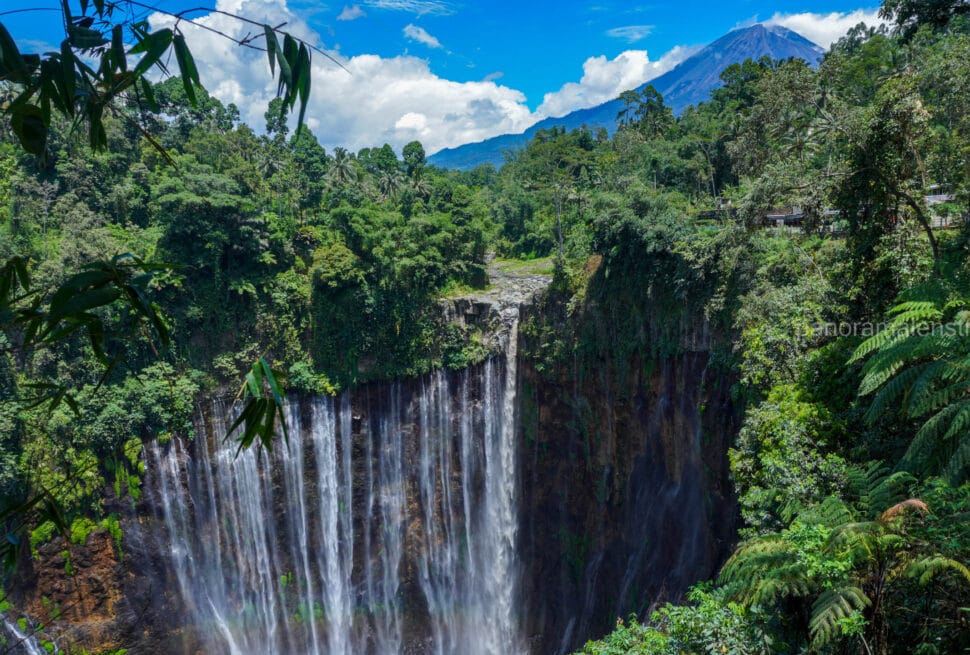
Bali’s appeal goes far deeper than its famous beaches. Picture emerald rice terraces stepping down hillsides, misty volcanoes greeting the sunrise, and waterfalls hidden in lush jungles. From the cool highlands of Ubud to dramatic cliffs in Uluwatu, the island feels like several destinations rolled into one. These landscapes invite slow travel—hiking, cycling, or simply pausing to breathe it all in. It’s this variety that keeps travelers coming back, always finding something new.
Culture, Spirituality, and Daily Rituals
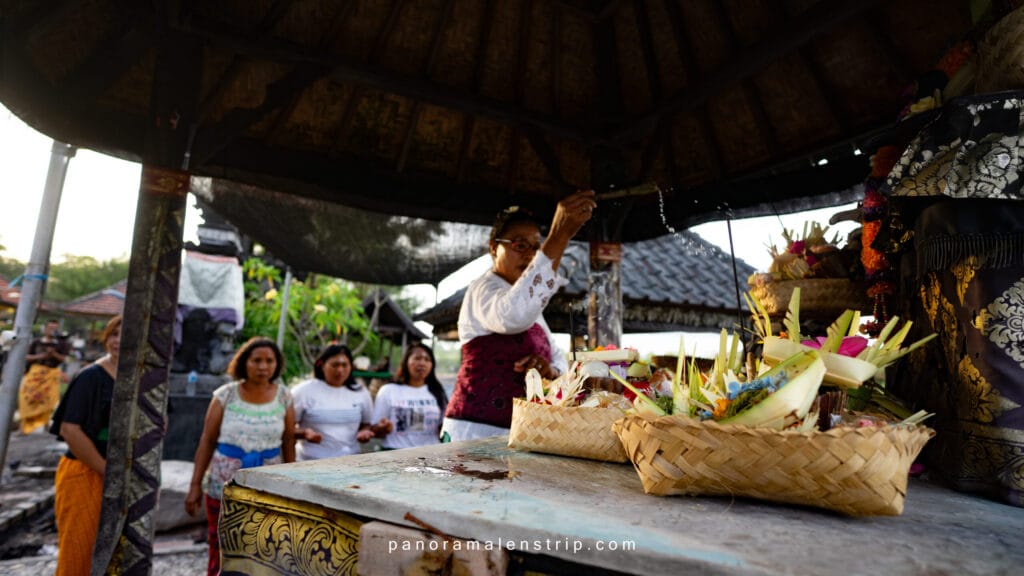
What truly sets Bali apart is how culture lives in everyday moments. You’ll see offerings placed gently on sidewalks, hear temple bells at dawn, and witness ceremonies that turn ordinary streets into sacred spaces. Spirituality isn’t staged here; it’s lived. Travelers don’t just observe—it quietly reshapes how they move, think, and appreciate the present.
Affordable Luxury for All Budgets
Bali masters the art of accessible luxury. Whether you’re in a private pool villa or a cozy guesthouse, comfort comes without the shockingly high price tag. That balance makes Bali welcoming to backpackers, families, and honeymooners alike.

Best Time to Visit Bali for Weather and Crowds
Dry Season vs Rainy Season
Bali has two main seasons. The dry season, from April to October, brings sunny days, low humidity, and ideal conditions for sightseeing and outdoor adventures. The rainy season, from November to March, features short, intense showers—often in the afternoon—followed by clear skies. Travel doesn’t stop, but plans need flexibility.
Peak Months and Shoulder Seasons
July, August, and late December are peak months. Expect higher prices and fuller attractions. For many travelers, the sweet spot is the shoulder season—April to June and September to October—when weather stays pleasant but crowds thin out. These months are often highlighted in Bali travel tips and tricks for good reason.
Festivals and Cultural Events Timing
Major ceremonies like Galungan and Nyepi offer rare cultural insight. Planning around them can elevate your trip, as long as you’re aware some services pause during sacred days.
Essential Bali Travel Tips and Tricks for First-Time Visitors
Understanding Local Customs and Etiquette
Balinese culture values respect, harmony, and community. A calm attitude goes a long way. Avoid raising your voice, and always ask before taking photos of people or ceremonies. Simple courtesy is deeply appreciated.
Dress Codes for Temples and Villages
Temples require modest clothing. Shoulders covered, sarongs tied at the waist, and a respectful demeanor are essential. Even outside temples, dressing modestly in villages shows cultural awareness and earns warmer interactions.
Common Mistakes Tourists Should Avoid
Rushing the itinerary is a big one. Bali isn’t meant to be conquered in a checklist. Another mistake is ignoring traffic realities—distances look short but can take hours. Lastly, don’t underestimate hydration and sun protection.
Simple Cultural Gestures Locals Appreciate
A smile, a gentle nod, and saying “thank you” go far. Using your right hand when giving or receiving items and stepping around offerings are small acts with big meaning.

Visa, Entry Rules, and Travel Documents Explained
Visa on Arrival and Extensions
Many nationalities can obtain a Visa on Arrival, valid for 30 days and extendable once. The process is straightforward, but overstaying—even by a day—comes with fines. Planning visa timelines is one of the most practical Bali travel tips and tricks.
Passport Validity Rules
Your passport must be valid for at least six months from arrival and have blank pages for stamps. Airlines often check this before boarding.
Customs and Declaration Basics
Indonesia requires a customs declaration, often completed online. Declare large sums of cash or restricted items to avoid delays. Being prepared keeps your arrival smooth and stress-free.
How to Get Around Bali Easily and Safely
Scooters, Private Drivers, and Ride-Hailing
Getting around Bali is part of the adventure. Scooters are the most flexible option and ideal for short distances, especially in areas like Ubud or Canggu. Private drivers are perfect for full-day sightseeing, offering comfort and local insight at a reasonable price. Ride-hailing apps work well in many areas, though some tourist zones restrict pickups.
Traffic Realities and Travel Time Planning
Distances in Bali can be deceiving. A ten-kilometer drive may take an hour during peak times. Morning and late afternoon are the busiest. One of the smartest Bali travel tips and tricks is to group nearby attractions on the same day and avoid rushing.
Safety Tips for Self-Driving
Always wear a helmet, carry an international driving permit, and avoid riding at night if you’re inexperienced. Roads can be narrow, uneven, and unpredictable.
When Hiring a Driver Makes More Sense
For long distances, multiple stops, or cultural sites, a driver reduces stress and often saves time. You focus on the experience, not the road.
Where to Stay in Bali Based on Travel Style
Ubud for Culture and Nature Lovers
Ubud is Bali’s cultural heart. Surrounded by rice fields and forests, it suits travelers seeking yoga, art, and calm mornings. It’s ideal for slow travel and meaningful experiences.
Canggu and Seminyak for Lifestyle Travelers
These coastal areas blend cafés, beach clubs, and shopping. They’re lively, social, and perfect for digital nomads and first-time visitors who enjoy modern comforts.
Nusa Dua for Families and Resorts
Nusa Dua offers calm beaches, gated resorts, and family-friendly facilities. It’s polished, safe, and predictable, ideal for relaxed vacations.
Choosing Accommodation by Itinerary
Stay close to where you’ll spend most of your time. Changing hotels often wastes valuable travel hours.

Bali Travel Tips and Tricks to Save Money
Budget-Friendly Transport and Food
Local warungs, scooter rentals, and shared tours keep costs low. Eating where locals eat is both cheaper and more authentic.
Negotiation and Pricing Etiquette
Polite bargaining is normal in markets. Smile, stay calm, and walk away if needed. Fixed prices apply in shops and restaurants.
Avoiding Tourist Traps
Overpriced tours and souvenir shops near major attractions add up fast. Research ahead and compare options.
Daily Spending Expectations
Budget travelers can spend modestly, while mid-range travelers enjoy comfort without excess. Bali adapts to your wallet.
What to Eat in Bali and How to Eat Safely
Must-Try Balinese Dishes
Don’t miss nasi goreng, babi guling, satay, and lawar. These dishes reflect Bali’s rich culinary heritage.
Street Food Dos and Don’ts
Choose busy stalls with high turnover. Avoid food sitting out too long and watch how it’s prepared.
Drinking Water and Food Hygiene
Never drink tap water. Use bottled or filtered water, even for brushing teeth.
Tips for Sensitive Stomachs
Start slowly, avoid ice at first, and carry basic medication. Your stomach will usually adapt within a few days.
Staying Connected: SIM Cards, Internet, and Payments
Buying Local SIM Cards
Staying connected in Bali is easy and affordable. Local SIM cards are widely available at the airport, phone shops, and convenience stores. Registration requires your passport, and staff usually help with setup. Data packages are generous, making navigation, bookings, and messaging effortless. One of the most useful Bali travel tips and tricks is to buy a SIM on day one to avoid roaming costs.
Internet Speed and Coverage
Internet speed in Bali is generally reliable in towns and tourist areas. Cafés, hotels, and villas often provide Wi-Fi, though speeds vary. Remote regions may experience slower connections, so plan accordingly if you rely on online access.
Cash vs Cards in Bali
Cash is still king in many places. Small shops and markets prefer cash, while hotels and restaurants accept cards. Always carry small bills.
Health, Safety, and Travel Insurance Tips
Common Health Issues in Bali
Heat exhaustion, dehydration, and mild stomach issues are the most common problems. The tropical climate demands hydration and sun protection.
Travel Insurance Essentials
Travel insurance is strongly recommended. It should cover medical treatment, scooter accidents, and evacuation. This is a key point in most Bali travel tips and tricks guides.
Emergency Numbers and Clinics
Bali has reputable international clinics and hospitals. Emergency services can be reached by local numbers, and hotel staff are often helpful in urgent situations.
Cultural Etiquette and Responsible Travel in Bali
Respecting Ceremonies and Offerings
Daily offerings and temple ceremonies are sacred. Avoid stepping on offerings and dress modestly near religious sites. Observing quietly is always welcomed.
Sustainable Tourism Practices
Choose eco-friendly accommodations, refill water bottles, and reduce plastic use. Small actions help preserve Bali’s fragile environment.
Supporting Local Communities
Eat at local warungs, hire local guides, and shop from artisans. Your spending directly supports families and villages.
Ethical Tourism Choices
Avoid attractions that exploit animals or disrespect culture. Responsible travel protects what makes Bali special.
Bali Travel Tips and Tricks for Digital Nomads
Best Areas for Remote Work
Canggu and Ubud are popular with digital nomads due to strong infrastructure and community vibes. Both offer work-life balance.
Coworking Spaces and Cafés
Modern coworking spaces provide fast internet, meeting rooms, and networking. Cafés are great for lighter work sessions.
Long-Stay Visa Considerations
Longer stays require proper visas. Research options early to avoid overstays and unnecessary stress.
Hidden Gems and Lesser-Known Experiences in Bali
Quiet Villages and Waterfalls
Beyond Bali’s busy hubs lie peaceful villages where daily life moves at a gentle pace. Areas in northern and eastern Bali offer scenic rice fields, traditional homes, and waterfalls tucked deep in the jungle. These spots feel untouched and allow travelers to connect with nature and local life without distractions.
Alternative Beaches
If crowded beaches aren’t your style, Bali has quieter options. Pebbled shores, hidden coves, and wild coastlines offer space and calm. These beaches are perfect for reflection, photography, and enjoying nature without noise.
Local Experiences Tourists Miss
Many visitors skip local markets, village ceremonies, and small family-run workshops. Joining a cooking class or attending a community event reveals Bali beyond guidebooks.
How to Explore Beyond Instagram Spots
Slow down, ask locals for recommendations, and venture away from main roads. One of the most rewarding Bali travel tips and tricks is choosing curiosity over crowds.
Popular Bali Activities and How to Plan Them Smartly
Temples, Rice Terraces, and Volcanoes
Iconic sights like temples, terraced fields, and volcanic landscapes define Bali’s identity. Visiting early in the morning often delivers better light and fewer people.
Day Tours vs DIY Travel
Day tours offer convenience and local insight, while DIY travel allows flexibility. Choose based on your time, comfort level, and interest in exploring independently.
Booking Tips for Activities
Book popular activities in advance during peak season. For less crowded times, booking locally often secures better prices.
Timing Attractions for Fewer Crowds
Early mornings and late afternoons are ideal. Avoid midday visits when tour buses arrive.
Conclusion: Travel Bali Smarter, Deeper, and Better
Bali rewards travelers who slow down, stay curious, and travel with intention. By understanding local culture, planning around seasons, and applying smart Bali travel tips and tricks, your journey becomes richer and more meaningful. From choosing the right transport to respecting daily rituals, small decisions shape unforgettable experiences. Travel thoughtfully, support local communities, and Bali will give back far more than beautiful photos—it offers lasting perspective.
FAQs
Is Bali safe for international travelers?
Yes, Bali is generally safe, especially when travelers follow local laws, respect customs, and use common sense.
How many days are ideal for a Bali trip?
Ten to fourteen days allow enough time to explore multiple regions without rushing.
Do I need cash in Bali?
Yes, cash is essential for small shops, markets, and local eateries, even though cards are accepted in many places.
What should I avoid doing in Bali?
Avoid disrespecting temples, stepping on offerings, and ignoring local etiquette.
Is Bali suitable for family travel?
Absolutely, Bali offers family-friendly resorts, safe activities, and welcoming local culture for all ages.