

Understanding Yogyakarta’s Climate
Overview of Tropical Climate
Yogyakarta experiences a classic tropical climate, meaning you can expect warm temperatures, high humidity, and distinct wet and dry seasons throughout the year. Because it sits close to the equator, the weather remains fairly consistent, with only slight changes in temperature. What truly defines the seasons in Yogyakarta is rainfall, not warmth. Whether you’re wandering through ancient temples, exploring caves, or heading to the beaches of Gunungkidul, understanding this seasonal pattern helps you plan a smoother, more comfortable trip.
Dry Season vs. Rainy Season
Yogyakarta has two major seasons: the dry season from April to October, and the rainy season from November to March.
During the dry season, skies are clearer, rainfall is minimal, and humidity levels drop slightly—perfect for outdoor sightseeing. This is the period most travelers choose to visit since the weather is more predictable and comfortable.
On the other hand, the rainy season brings heavy but often short-lived downpours. While mornings can still be sunny, afternoon showers are common. This season paints the landscapes in lush green tones, making waterfalls and rice terraces look their best. However, travel plans may require more flexibility due to weather changes.
Temperature and Humidity Throughout the Year
Temperatures in Yogyakarta generally stay between 24°C to 32°C (75°F to 90°F) year-round. Even at night, the warmth lingers, especially in lower areas. Humidity tends to be higher during the rainy season, creating a sticky, tropical feel. Whether you choose to visit in the dry or rainy season, it’s wise to stay hydrated, wear light clothing, and take breaks in shaded areas.
Visiting Yogyakarta in the Dry Season (April–October)
Why the Dry Season Is the Most Popular
The dry season is the peak period for tourism in Yogyakarta—and for good reasons. Clearer skies mean you can fully enjoy sunrise at Borobudur, sunset at Prambanan, or a scenic hike near Mount Merapi. Outdoor attractions are at their best, and the likelihood of sudden weather interruptions is low. For photographers, travelers with tight itineraries, and adventure seekers, this season offers reliability.
Best Outdoor Activities During This Season
The dry season opens the door to endless outdoor adventures. From exploring centuries-old temples to trekking volcanic landscapes and lounging on white-sand beaches, the weather works in your favor. Even remote sites like caves, beaches, and hills are easier and safer to reach when trails aren’t slippery or muddy.
Temple Tours (Borobudur & Prambanan)
The dry season offers the ideal conditions for temple visits. Sunrises at Borobudur are clearer, allowing you to capture the temple bathed in golden light. Prambanan, with its tall Hindu structures, also looks stunning under bright skies, making the experience more immersive.
Exploring Mount Merapi
Adventure travelers love the dry season for Merapi tours. Whether you’re joining a jeep adventure or hiking to scenic viewpoints, dry paths and clearer skies ensure better visibility of the volcano and surrounding landscapes.
Beach Trips to Gunungkidul
Gunungkidul’s beaches—such as Wediombo, Indrayanti, and Pok Tunggal—are best enjoyed during April–October. The sea is calmer, the sand is dry, and the views are breathtaking. This season is perfect for swimming, sunbathing, cliffside photography, and beach hopping.
Visiting Yogyakarta in the Rainy Season (November–March)
What to Expect During Monsoon Months
The rainy season in Yogyakarta brings regular showers, usually in the afternoon or evening. While mornings are often bright and clear, the clouds tend to gather later in the day, resulting in short but intense downpours. Humidity levels rise, and the air feels warmer and heavier compared to the dry season. Roads may get slippery, and outdoor activities require some flexibility. However, despite the rain, the city remains vibrant—and in many ways, becomes even more beautiful. Travelers who don’t mind getting a little wet can still enjoy most attractions, as many indoor cultural sites, museums, and markets are perfect for rainy days.
Advantages of Traveling in the Rainy Season
While the rainy season may seem less appealing at first, it actually offers several benefits. Travelers looking for a quieter experience, better deals, and lush natural scenery often prefer this season. With fewer crowds around major attractions, you can explore at your own pace and enjoy more intimate experiences, whether you’re at temples, beaches, or city landmarks.
Fewer Crowds & Lower Prices
One of the biggest perks of traveling between November and March is the reduced number of tourists. Popular sites like Borobudur and Prambanan feel more peaceful, allowing you to take better photos and enjoy the atmosphere without rushing. Accommodation prices tend to drop during this period, and many travel operators offer promotional rates. For budget-conscious travelers, this is the perfect time to explore Yogyakarta without breaking the bank.
Green Landscapes & Waterfalls at Their Best
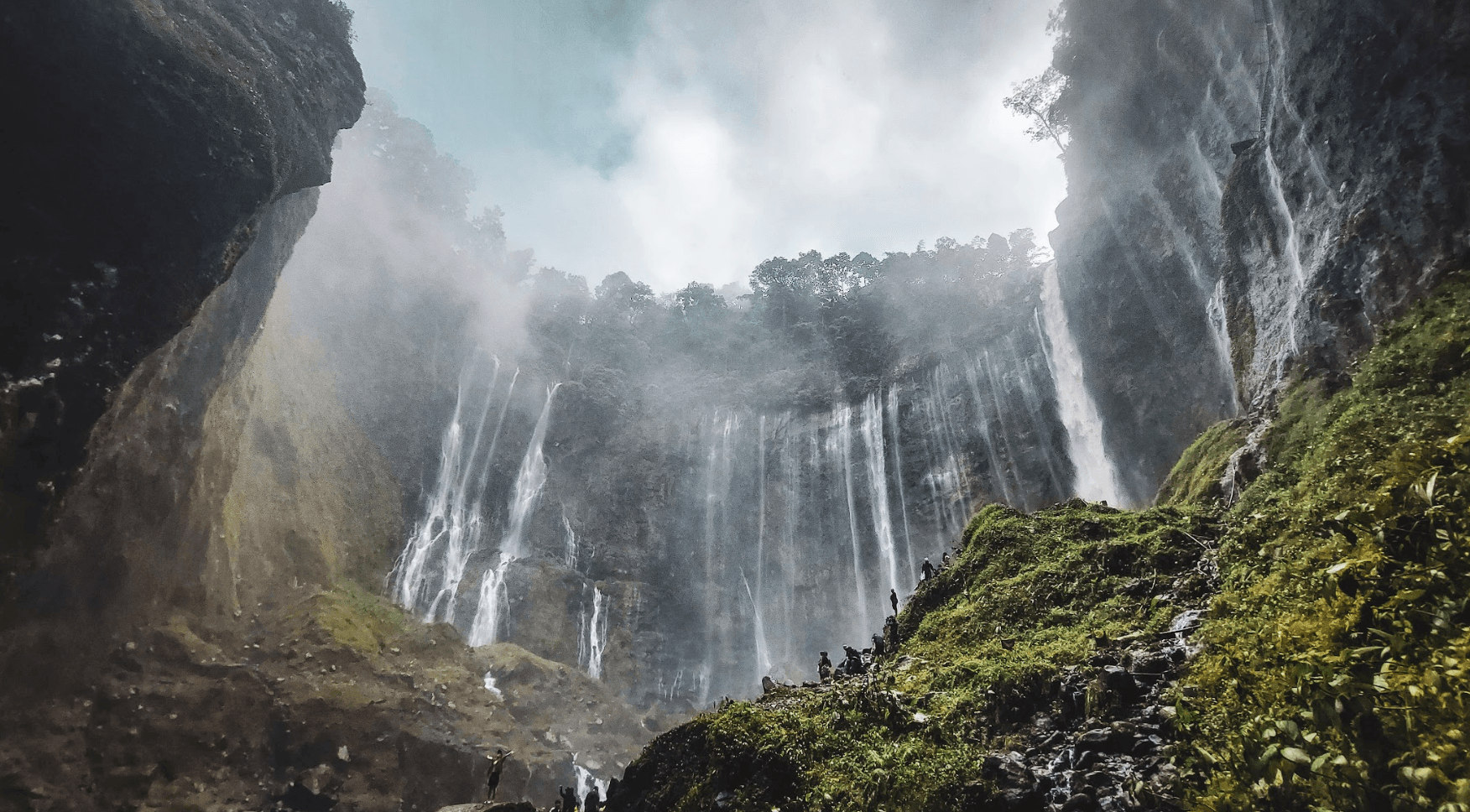
The rainy season transforms Yogyakarta into a lush green paradise. Rice fields glow brighter, hills take on deeper shades of emerald, and waterfalls—like Sri Gethuk or Kedung Pedut—flow more strongly and dramatically. Gunungkidul’s hidden canyons also look spectacular during this time. If you’re a nature lover or photographer, the monsoon months offer stunning scenery you won’t see during the dry season.

Month-by-Month Guide to Yogyakarta
January–March: Peak Rainfall
These months are the wettest of the year. Expect frequent afternoon showers and high humidity. Outdoor plans may require flexibility, but attractions are quiet and prices are at their lowest. Waterfalls are especially impressive during this period.
April–June: Ideal Weather Begins
Rainfall decreases and sunny days return. The skies are clear, temperatures feel comfortable, and landscapes remain lush from the previous months. This period is ideal for both sightseeing and outdoor adventures without heavy crowds.
July–August: High Season & Cultural Events
These months bring the best weather—dry, sunny, and breezy. They are also the busiest, attracting both domestic and international tourists. Cultural festivals, traditional performances, and local celebrations are very common during this time, making it a lively period to visit.
September–October: Perfect Balance
Weather stays excellent, but crowds begin to thin. It’s warm, mostly dry, and perfect for outdoor activities like hiking, beach trips, and temple tours. This is one of the most recommended periods for a balanced experience.
November–December: Start of Monsoon
Light rains begin to fall more frequently, signaling the transition into the wet season. The atmosphere cools slightly, and landscapes turn greener. While some afternoons may be wet, mornings often remain bright—still great for sightseeing with fewer tourists around.
Best Time to Visit Yogyakarta for Specific Activities
Best Time for Cultural Tours
If your main goal is to dive deep into Yogyakarta’s rich cultural heritage—exploring Borobudur, Prambanan, Kraton Palace, and traditional villages—the dry season (April–October) is the ideal choice. Clear skies and mild mornings give you perfect lighting for sightseeing and photography. Cultural performances, such as Ramayana Ballet at Prambanan, also run more frequently during this period. While the rainy season still allows cultural exploration, sudden showers may interrupt outdoor temple explorations or village tours. For the smoothest experience, aim for April–June or September–October, when the weather is pleasant and the crowds are manageable.
Best Time for Nature & Adventure Activities
Adventure travelers will find the dry season the most rewarding. Activities like trekking Mount Merapi, exploring caves in Gunungkidul, canyoning, and beach hopping are safest and most enjoyable between May and September when trails are dry and visibility is excellent. Clear mornings are perfect for sunrise hikes, while the lower risk of heavy rain makes outdoor adventures more predictable. However, the rainy season brings its own beauty—especially for waterfall lovers. Between November and March, waterfalls flow heavily and forests glow greener, though adventurous activity must be done cautiously.
Best Time for Family Trips
Families often prefer comfort and convenience, making June–August the top choice. The weather is stable, outdoor attractions are easier to access, and many family-friendly destinations—such as Malioboro Street, Sindu Kusuma Edupark, and museums—remain lively. However, this is also peak season, so expect more visitors. If your family prefers fewer crowds, consider April–May or September–October, when the weather is still great but tourist numbers drop.
Best Time for Budget Travelers
Budget-conscious travelers will find the rainy season, particularly January–March, the most wallet-friendly. Hotels, transportation, and tour services often offer discounted rates. Attractions are quieter, allowing you to explore without the high demand and inflated prices common in peak season. If you’re willing to deal with occasional showers, you can experience Yogyakarta’s best sights at a fraction of the usual cost.
Crowds & Prices Throughout the Year
High Season
High season peaks from July to August, as well as during long holidays such as Eid and Christmas. Tourist attractions become lively, accommodations fill up quickly, and prices rise significantly. This is the busiest time in Yogyakarta, perfect for those who enjoy a vibrant atmosphere filled with cultural events and performances. However, planning ahead is essential.
Shoulder Season
Shoulder seasons occur during April–June and September–October, offering a great balance of pleasant weather, moderate crowds, and reasonable prices. This period is ideal for travelers seeking comfort without the hectic pace of peak tourism. You can explore freely, enjoy outdoor activities, and still find good deals on hotels and tours.
Low Season
The low season falls between November and March, when rain becomes more frequent. Tourist numbers significantly drop, making it a peaceful time to visit. Prices for accommodation and transportation are at their lowest, and you’ll enjoy a calm, relaxed travel experience—perfect for budget travelers and those who appreciate lush scenery.

Festivals & Events in Yogyakarta
Cultural Festivals
Yogyakarta is home to numerous cultural festivals celebrating its artistic traditions. Events such as Sekaten, Ramayana Ballet, and Wayang Kulit performances showcase the city’s rich heritage. These festivals are most active during the dry months, attracting both locals and international visitors.
Religious & Traditional Events
Traditional ceremonies, such as Grebeg Maulud, Grebeg Syawal, and various Javanese rituals, take place throughout the year. These events give travelers an insightful look into Yogyakarta’s spiritual and cultural identity. Many of these celebrations align with Islamic holidays, making certain months more festive than others.
Modern Events & Art Festivals
Yogyakarta embraces modern creativity with events like Art Jog, Ngayogjazz, and various contemporary exhibitions. These festivals usually occur between May and October, coinciding with the dry season and artistic peak of the city. Travelers who love music, art, and modern performances will find these events unforgettable.
When to Avoid Visiting Yogyakarta
Heavy Rainfall Periods
While Yogyakarta is visitable year-round, the period between January and February sees the heaviest rainfall. During these months, downpours are more frequent and can last longer, sometimes causing flooding in low-lying areas. Outdoor activities like trekking, beach visits, and cave exploration become less convenient and occasionally unsafe. Roads to mountainous or rural destinations may also become slippery. If your itinerary relies heavily on outdoor adventures, it’s better to avoid these peak monsoon months.
Major Public Holidays & School Breaks
Indonesia’s major holidays—Lebaran (Eid al-Fitr), Christmas, and New Year’s—bring a surge of domestic tourists to Yogyakarta. During these times, prices for hotels and transportation can skyrocket, attractions are extremely crowded, and traffic becomes significantly heavier, especially around Malioboro Street and Prambanan Temple. School holidays in June–July also create busy travel periods. If you prefer a quieter and more relaxed visit, it’s best to avoid these holiday seasons.
Peak Domestic Tourism Periods
Aside from major holidays, Yogyakarta experiences spikes in domestic tourism during long weekends and national events. Local families and students commonly travel during these short breaks, filling popular spots like Alun-Alun Kidul, HeHa Sky View, and various beaches in Gunungkidul. If your travel preference leans toward serenity and smooth exploration, consider checking Indonesia’s holiday calendar and avoiding long weekends.
Tips for Visiting Yogyakarta in Any Season
What to Pack
Packing smart can make your trip far more comfortable. For the dry season, bring light, breathable clothing, sunscreen, comfortable walking shoes, and a hat for sun protection. Since temperatures can still be hot, staying hydrated is essential.
During the rainy season, pack a light raincoat, waterproof shoes, and a foldable umbrella. Quick-dry clothing and a waterproof bag for electronics are highly recommended. Regardless of the season, carrying a reusable water bottle, insect repellent, and sunglasses will keep you prepared for Yogyakarta’s tropical vibe.
Health & Safety Tips
The tropical climate can be intense, so stay hydrated, avoid excessive sun exposure, and take breaks in shaded areas. If you plan to hike or explore rural areas, let a guide know your route and avoid going alone. In rainy season, look out for slippery paths, especially around beaches, waterfalls, and Merapi’s slopes.
As with any popular destination, keep an eye on your belongings in busy areas like Malioboro or major attractions. Overall, Yogyakarta is safe and tourist-friendly, but a little caution always helps.
Transport Tips
Transportation in Yogyakarta is diverse and convenient. For flexibility, renting a motorbike or hiring a driver is the most efficient way to explore. These options let you access distant attractions like Gunungkidul’s beaches or Merapi quickly.
If you prefer public transport, Trans Jogja buses cover major city routes affordably. Ride-hailing apps like Gojek and Grab are widely used for short trips. During peak seasons, book transport in advance to avoid long waits. For intercity travel, Yogyakarta’s train stations and airport are well-connected and reliable.

Final Thoughts on the Best Time to Visit Yogyakarta
Choosing the best time to visit Yogyakarta depends entirely on your travel style. If you love clear skies, outdoor adventures, and cultural festivals, the dry season (April–October) is unbeatable. This is when Yogyakarta shines with vibrant activities, comfortable weather, and ideal conditions for temple visits, hikes, and beach days.
If you’re a budget traveler or someone who enjoys peaceful, crowd-free travel, the rainy season (November–March) offers excellent value and stunning green landscapes. Yes, you’ll need to prepare for occasional showers, but the rewarding scenery and affordable prices make up for it.
Ultimately, Yogyakarta is a destination that thrives year-round. Whether you’re exploring ancient temples, hunting for local food, or chasing natural wonders, every season offers its own unique charm. With the right planning, you can enjoy a memorable and meaningful journey in this cultural heart of Java—no matter when you decide to visit.
FAQs
1. What is the best month to visit Yogyakarta?
The best months are April to October, during the dry season when the weather is sunny and ideal for sightseeing.
2. Is it okay to visit Yogyakarta during the rainy season?
Yes. While there are frequent showers, mornings are often clear, and attractions are less crowded with lower prices.
3. When is the peak tourist season in Yogyakarta?
Peak season occurs in July–August and during major holidays such as Eid, Christmas, and New Year.
4. What is the hottest month in Yogyakarta?
October is typically the hottest month, with high humidity and strong sunlight.
5. When is the cheapest time to visit Yogyakarta?
The rainy season, especially January–March, offers the lowest prices for hotels and tours.
6. Is Borobudur open during the rainy season?
Yes, Borobudur is open year-round, though visitors should prepare for potential afternoon showers.
7. What is the best time to hike Mount Merapi?
The safest and most enjoyable time is May–September, during the dry season with clearer visibility.
8. Can I visit beaches in Gunungkidul during the rainy season?
You can, but expect stronger waves and slippery areas. The dry season is safer for beach activities.
9. How many days do I need in Yogyakarta?
A stay of 3–4 days is ideal to explore major temples, cultural sites, and nearby nature attractions.
10. Do cultural festivals happen year-round in Yogyakarta?
Yes. There are events throughout the year, but most major festivals occur between May and October.

[…] Read more about: What the best time to visit Yogyakarta […]