
Photography Guide – Rules & Best Shots
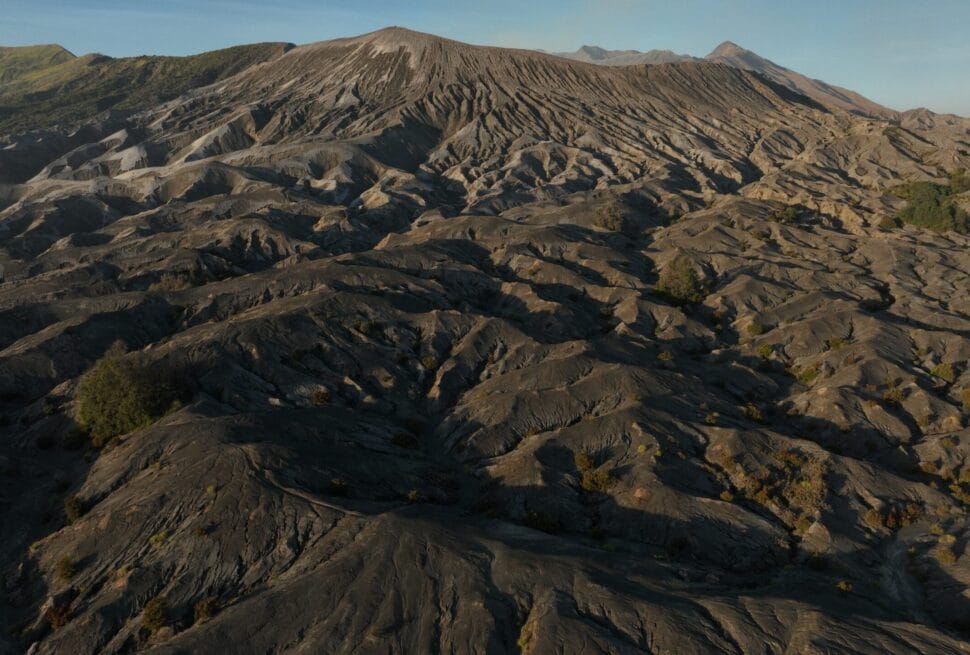
Mount Bromo is one of the most dramatic volcanic landscapes on Earth—making it a dream location for drone photographers. From its smoking crater to the sweeping Sea of Sand, Bromo offers angles and perspectives that simply can’t be captured from the ground alone. But with great beauty comes strict rules, safety challenges, and environmental considerations that every drone pilot must understand.
This comprehensive guide covers everything: legal regulations, best fly zones, timing, shot ideas, technical tips, gear recommendations, and ethical flying practices. Whether you’re a hobbyist or a pro aerial filmmaker, this 2,500+ word guide will help you fly safely and capture unforgettable shots.
Why Drone Photography at Mount Bromo?
Mount Bromo’s landscape is unlike any other in Indonesia. Its wide caldera, active crater, and shifting weather create cinematic scenes perfect for aerial imagery. Drones allow you to:
- Capture overhead crater shots
- Reveal hidden ridges and sand textures
- Fly above the fog for dramatic contrasts
- Record wide panoramic shots impossible on foot
- Create dynamic social media–friendly vertical sequences
Flying here is like filming inside a live natural movie set.
Regulations & Permits (Legal Essentials)
Before flying at Bromo, you MUST understand the drone rules. Indonesia takes drone regulations seriously, and the Bromo Tengger Semeru National Park has its own set of restrictions.
Indonesian National Drone Rules (Quick Summary)
- Drones under 250g have fewer restrictions but still must follow park rules.
- Never fly above 150 meters without permission.
- Maintain line-of-sight at all times.
- No flying near airports, military areas, or crowds.
- Fly only during daylight unless you have a special permit.
Bromo-Specific Rules
Inside the national park:
- You may not fly near religious ceremonies or areas considered sacred.
- Drones are generally forbidden near the crater stairs and Pura Luhur Poten.
- You must stay away from the crater when volcanic activity is heightened.
- Some viewpoints restrict drones during peak sunrise hours.
Permit Requirements
A permit is typically required for:
- Commercial filming
- High-altitude or long-range flights
- FPV drone flights
- Flying during peak crowd hours
Permits can be requested through the Bromo Tengger Semeru National Park office and sometimes require coordination with local guides.
Penalties & Confiscation Risks
If caught flying illegally, expect:
- Fines
- Drone confiscation
- Forced landing or ejection from the park
- Possible banning from future permits
It’s not worth the risk—always fly legally.
No-Fly Zones & Cultural Sensitivities
Flying a drone at Mount Bromo isn’t just about knowing the best spots—it also means understanding areas where drones must never be flown. These restrictions exist not only for safety but also out of deep respect for the Tenggerese culture, local worship practices, and Bromo’s fragile environment.
Protected Areas, Temples, and Event Restrictions
Certain locations around Bromo are designated as strict no-fly zones due to cultural, environmental, or safety concerns. One of the most important areas is Pura Luhur Poten, the sacred temple located on the Sea of Sand. This temple plays a central role in Tenggerese rituals, and drones buzzing overhead are considered highly disrespectful. Additionally, avoid flying during major ceremonies like Yadnya Kasada, when thousands of worshippers gather to present offerings at the crater. Even if you have a lightweight drone, flying anywhere near temple grounds or ritual activities is strictly prohibited.
Event-based restrictions are also enforced during peak holidays, high-risk weather conditions, and times of elevated volcanic activity. The national park authority may set temporary no-fly zones, so always check the latest guidelines before launching.
Respecting Local Guides, Tourists, and Worshippers
Mount Bromo is a shared space—pilgrims visit to pray, tourists come to witness sunrise, and locals depend on the area for their livelihood. Drone noise can be distracting or even frightening to horses used for transportation on the Sea of Sand. When flying near tourists, maintain a respectful distance, avoid hovering directly above people, and keep your drone’s presence as unobtrusive as possible. If locals seem uncomfortable or ask you to stop flying, always comply. Being a responsible drone pilot means prioritizing people and culture above the shot.
Also read: Bromo Tumpak Sewu Photography Spots, Where is The Best?
Best Times to Fly
Weather conditions, lighting, and movement of fog change constantly at Mount Bromo, so timing your drone flight makes all the difference. Understanding the ideal hours—along with seasonal patterns—helps you capture cinematic footage while keeping your drone safe.
Sunrise Strategies (Catching Light, Timing, and Staging)
Sunrise is the crown jewel of drone photography at Bromo. The sky ignites with warm hues while fog drifts mysteriously across the caldera. To capture this magic, arrive early and set up before the crowds. Launch your drone 10–15 minutes before sunrise to film the transition from blue hour to golden hour. This allows you to stage dynamic shots such as rising reveals, fog glides, or timelapse sequences. Keep in mind that the cold temperature at dawn drains batteries faster, so rotate batteries wisely.
Golden Hour, Blue Hour, and Twilight Options
Golden hour provides soft, directional light that highlights Bromo’s ridges, crater textures, and volcanic ash patterns. Blue hour, on the other hand, creates a moody, cinematic atmosphere—perfect for storytelling shots. Twilight can also be breathtaking, especially when low fog blankets the Sea of Sand, giving you a chance to capture surreal aerial silhouettes. Just remember: flying in very low light increases risk, so maintain close visual line-of-sight.
Alsor read: Panorama Bromo at Afternoon:The Mountain’s Golden Charm
Weather Windows: Dry Season vs Rainy Season
During the dry season (April–October), visibility is generally excellent and wind conditions are more stable—ideal for beginners and professionals alike. The rainy season (November–March) brings dramatic fog and shifting clouds that can create incredible mood shots but also reduce visibility and introduce sudden wind gusts. Always be prepared to land quickly during unpredictable weather.
Wind and Temperature Considerations
Bromo’s high altitude means colder air and stronger winds, especially at viewpoints like Penanjakan. Before launching, test hover your drone to gauge stability. The thinner air also affects battery endurance, so monitor levels closely. Midday winds tend to increase, making morning flights safer and smoother.
Recommended Gear
Choosing the right gear is essential for capturing smooth, high-quality aerial shots at Bromo while protecting your equipment from dust, sand, and cold.
Drone Models Suitable for Mount Bromo (Portability vs Performance)
Compact drones like the DJI Mini 4 Pro are great for travelers who want portability and fewer regulatory limitations. For superior image quality and longer endurance, the DJI Air 3 or DJI Mavic 3 Pro are top choices, offering excellent stability and multi-lens versatility ideal for wide landscapes and detailed crater shots. FPV pilots can use the DJI Avata 2, but this typically requires permits due to speed and safety considerations.
Camera Specs & Lens Choices (When Applicable)
Look for drones with a 1-inch or larger sensor to handle Bromo’s shifting light. Adjustable aperture helps control exposure during sunrise, while telephoto lenses—from models like the Mavic 3 Pro—allow you to capture compressed, dramatic shots of the crater and surrounding ridges.
Batteries, Charging, and Power Solutions
Bring at least three or four batteries, especially for sunrise missions. Cold air reduces battery efficiency, so store them inside your jacket until takeoff. Portable power banks or car chargers are essential since the national park has limited electricity access.
ND Filters, CPL, and Accessories
ND filters help balance exposure during bright daylight or golden hour. CPL filters reduce glare on sand patterns and haze layers. A landing pad is crucial to protect against dust entering the motors. Carry microfiber cloths to clean your lens frequently—the volcanic sand sticks to everything.
Protective Cases and Dust-Proofing
Use a hard-shell, dust-proof case to shield your equipment during jeep rides across the Sea of Sand. Keep propellers in sealed pouches, and consider motor covers when transporting. Volcanic dust is extremely fine and can easily damage the gimbal or motors, so meticulous care is essential.

Flight Planning & Safety
Planning your drone flights at Mount Bromo is just as important as capturing the perfect shot. The landscape is stunning but full of risks—strong winds, volcanic dust, sudden fog, and unpredictable crowds. Careful preparation ensures not only better footage but also a safer, stress-free flight experience.
Pre-Flight Checklist (Maps, NOTAMs, Firmware)
Before launching, run through a comprehensive pre-flight check. Review NOTAMs and current volcanic activity advisories—Mount Bromo’s activity level can change quickly and may temporarily restrict flights. Ensure your firmware is updated, calibrate the compass, and preload offline maps since mobile data around the caldera is unreliable. Examine your propellers and battery health, and verify that your SD card has enough storage for high-resolution footage. A well-prepared pilot avoids last-minute surprises.
Using Offline Maps and Waypoint Planning
Offline maps are a lifesaver at Bromo. The terrain includes steep ridges, cliffs, and uneven elevation that can confuse your drone’s sensors. Download satellite maps in advance and use waypoint planning to outline your flight path. This ensures you maintain safe distances from hillsides, crater edges, and crowded viewpoints. Waypoint flying is particularly useful for sunrise when you’re managing both lighting changes and crowds at the same time.
Launch and Recovery Best Practices in Sandy Terrain
The Sea of Sand is visually incredible—but dangerous for your drone. Volcanic sand can be fine enough to infiltrate motors, gears, and gimbal components. Always launch from a landing pad or a flat rock rather than directly from the sand. Avoid taking off in dusty gusts created by passing jeeps. During recovery, descend slowly to prevent kicking up debris. A clean takeoff and landing dramatically prolong your drone’s lifespan.
Signal-Loss Protocols and RTH Tuning
Signal interference can occur when flying behind ridges or too close to the crater walls. Setting the correct Return-to-Home (RTH) altitude ensures your drone avoids obstacles if the signal drops. Adjust RTH according to where you’re launching—viewpoints like Penanjakan or Kingkong Hill require higher RTH settings than the Sea of Sand. Practice manual RTH as well, so you’re prepared even if GPS becomes unstable due to volcanic emissions.
Emergency Landing Zones and Safe Bailout Plans
Identify safe landing spots before takeoff. The Sea of Sand offers several open areas, but sunrise viewpoints often have limited space due to crowds. Avoid landing in areas with horses, vehicles, or temple grounds. If sudden fog appears (common at Bromo), descend immediately and land close rather than attempting a risky long-distance flight. A good pilot always flies with a bailout plan in mind.
Also read: Top Tips for Visiting Bromo Volcano
Best Shots & Composition Techniques
Mount Bromo is a visual playground. Whether you prefer sweeping cinematic reveals or tight crater close-ups, a drone lets you explore angles impossible from the ground.
Classic Hero Shot: Crater Rim from Above
The smoking crater is Bromo’s most iconic feature. Capture it directly overhead for a dramatic, symmetrical shot, or angle your camera slightly forward to frame the volcanic plume rising into the sky. Use shorter shutter speeds to freeze smoke movement or slightly slower ones for atmospheric motion blur. Maintain a safe distance—volcanic gases can cause sudden turbulence.
Sea of Sand Texture & Leading Lines
The Sea of Sand creates natural leading lines that guide the viewer’s eye through the frame. Fly low—without getting too close to the ground—to capture tire tracks, wind-carved patterns, and shadows stretching across the desert-like terrain. These minimalist shots are perfect for cinematic sequences and social media reels.
Penanjakan Panoramic Sunrise Sequence
From Penanjakan, you can frame Mount Bromo, Mount Batok, and Mount Semeru all in a single sweeping panorama. Start filming at blue hour to capture the cool tones, then transition into golden hour as warm light spills across the caldera. Slowly rising reveal shots work beautifully here, especially with a soft layer of morning fog.
Savana and Whispering Sands Aerial Patterns
Beyond the caldera lies the Savana and Whispering Sands area, known for its undulating hills and open plains. Capture wide shots that highlight the dramatic contrasts between lush green slopes and barren black sand. These scenes look especially striking in vertical orientation for Instagram or TikTok content.
Low-Altitude Ridge Passes and Cinematic Reveals
Flying parallel to the ridges creates powerful, dynamic footage that emphasizes depth and scale. Keep your altitude low enough for impact but high enough to avoid unexpected gusts. As you glide past each ridge, perform a slow tilt-up to reveal the landscape beyond—perfect for storytelling transitions.
FPV-Style Approaches (When Legal)
If you have the permit and skill, FPV drones deliver thrilling sequences—dive along ridges, skim across the sand, or perform fast sweeping turns around the crater. FPV shots add extreme cinematic flair but require advanced piloting and strict safety awareness.
Camera Settings & Technical Tips
Good drone footage isn’t just about location—it’s also about using the right camera settings to handle changing light, fog, and volcanic haze.
Recommended Exposure Settings for Sunrise/Sunset
During sunrise, light changes rapidly. Start with ISO 100–200 to maintain clarity, and keep your shutter speed around 1/100–1/200 for crisp details. As light increases, adjust exposure gently to prevent blown-out highlights. Use aperture settings between f/2.8 and f/5.6, depending on your drone model, to balance depth and brightness.
Bracketing and HDR Workflows In-Field
Bromo’s high-contrast conditions—bright sky above dark volcanic terrain—make bracketing essential. Use AEB (Auto Exposure Bracketing) to capture multiple exposures and blend them later in post. This technique preserves cloud detail while keeping shadow areas clean.
Shutter Speeds for Motion Blur vs Pin-Sharp Shots
For smooth, cinematic motion, reduce shutter speed slightly, especially when capturing drifting fog or blowing sand. For sharp landscape shots, increase shutter speed to freeze textures and ridgelines. ND filters help control shutter speed in bright conditions.
ISO Management to Reduce Noise in Low Light
Avoid pushing ISO beyond 400–800 during blue hour or twilight. Grain becomes noticeable in low light, especially with smaller drone sensors. Use manual white balance to maintain consistent color tone across multiple shots.
White Balance and RAW Shooting Recommendations
Always shoot in RAW for maximum flexibility in color grading. Set white balance manually between 5200K–6500K for sunrise or adjust lower (4000K–5000K) during blue hour. Volcanic haze often gives scenes a muted tint—RAW editing allows you to recover natural color and contrast easily.
Advanced Techniques
Aerial Panoramas
Shoot in vertical pano mode for dramatic wide landscapes.
Timelapse Hover Shots
Hold your drone steady over the crater as smoke rises—captivating!
ND Filters for Soft Motion
Use ND to soften the motion of drifting volcanic smoke.

Post-Processing Workflow
1. Basic Adjustments
- Exposure
- Contrast
- Highlights & shadows
2. Correct Haze
Mount Bromo has volcanic haze—use Dehaze sparingly.
3. Color Grading
Choose warm tones for sunrise
Choose cooler tones for dramatic volcanic mood
4. Panorama Stitching
Lightroom or PTGui works best for large aerial panos.
Common Problems & Solutions
Dust in Motors
Clean motors using canned air.
Battery Drain
Keep batteries warm in your jacket pockets.
Signal Loss
Avoid flying behind cliffs or ridges.
Sudden Weather Changes
Fog can appear instantly—always keep your drone close.
Best Launch Spots Around Bromo
Penanjakan Viewpoint
Great for sunrise panoramas.
Crowds can be heavy.
Kingkong Hill
Wider area for safe takeoff.
Love Hill (Bukit Cinta)
Beautiful angle with soft morning fog.
Sea of Sand
Perfect for minimalist shots—bring a landing pad.
Hiring a Local Drone Guide
A guide can help with:
- Securing permits
- Choosing safe launch zones
- Avoiding no-fly areas
- Navigating crowds and timing
Costs vary from IDR 200k–600k depending on services.
Ethical Drone Flying
Golden Rules
- Never fly near horses—they get startled easily.
- Don’t fly above crowds.
- Respect worship ceremonies.
- Keep distance from wildlife.
Your drone should enhance the beauty of Bromo—not disrupt it.
Sample Shot Storyboard (For a 1-Hour Sunrise Shoot)
- Pre-sunrise fog hovering (low altitude)
- Wide panoramic of caldera
- Rising reveal from behind ridgeline
- Overhead crater shot
- Vertical sequence for social media
- Golden light sweeping over the sand dunes
Follow this and you’ll have a full cinematic sequence.
Quick Checklists
Pre-Flight
Pre-Flight
- Batteries full
- Propellers checked
- Weather confirmed
- Permit ready
- Home point set
Emergency
- Set RTH altitude
- Know safe landing zones
- Keep drone in sight
Packing
- Extra batteries
- ND filters
- Lens cloth
- Landing pad
- Power bank
Conclusion
Mount Bromo is one of the most breathtaking places in the world for drone photography. Its unique combination of volcanic terrain, dramatic lighting, and sweeping open landscapes makes every flight unforgettable. But to capture its beauty safely and respectfully, drone pilots must follow the rules, understand the terrain, and fly with responsibility.
If you prepare properly, plan your shots, and respect the environment, Mount Bromo will reward you with some of the most stunning aerial visuals you’ll ever capture.
Explore Mount Bromo with a tour built on experience, safety, and local expertise.
Choose a package trusted by thousands of travelers.
View Official Mount Bromo Tour Packages
Also read: Bromo Jeep: Ultimate Adventure Guide
FAQs
Do I need a permit to fly a drone at Mount Bromo?
Not always, but permits are required for commercial filming, FPV flying, or flying near restricted areas.
What is the best time to fly a drone at Bromo?
Sunrise offers the most dramatic lighting with fog, golden hues, and perfect shadows.
Can I fly near the crater?
Not recommended unless conditions are safe and regulations allow it. Volcanic activity changes frequently.
Is FPV flying allowed?
Yes, but usually requires a special permit due to safety concerns.
How dangerous is dust for drones?
Very. The volcanic dust can damage motors and gimbals—always launch from a landing pad.