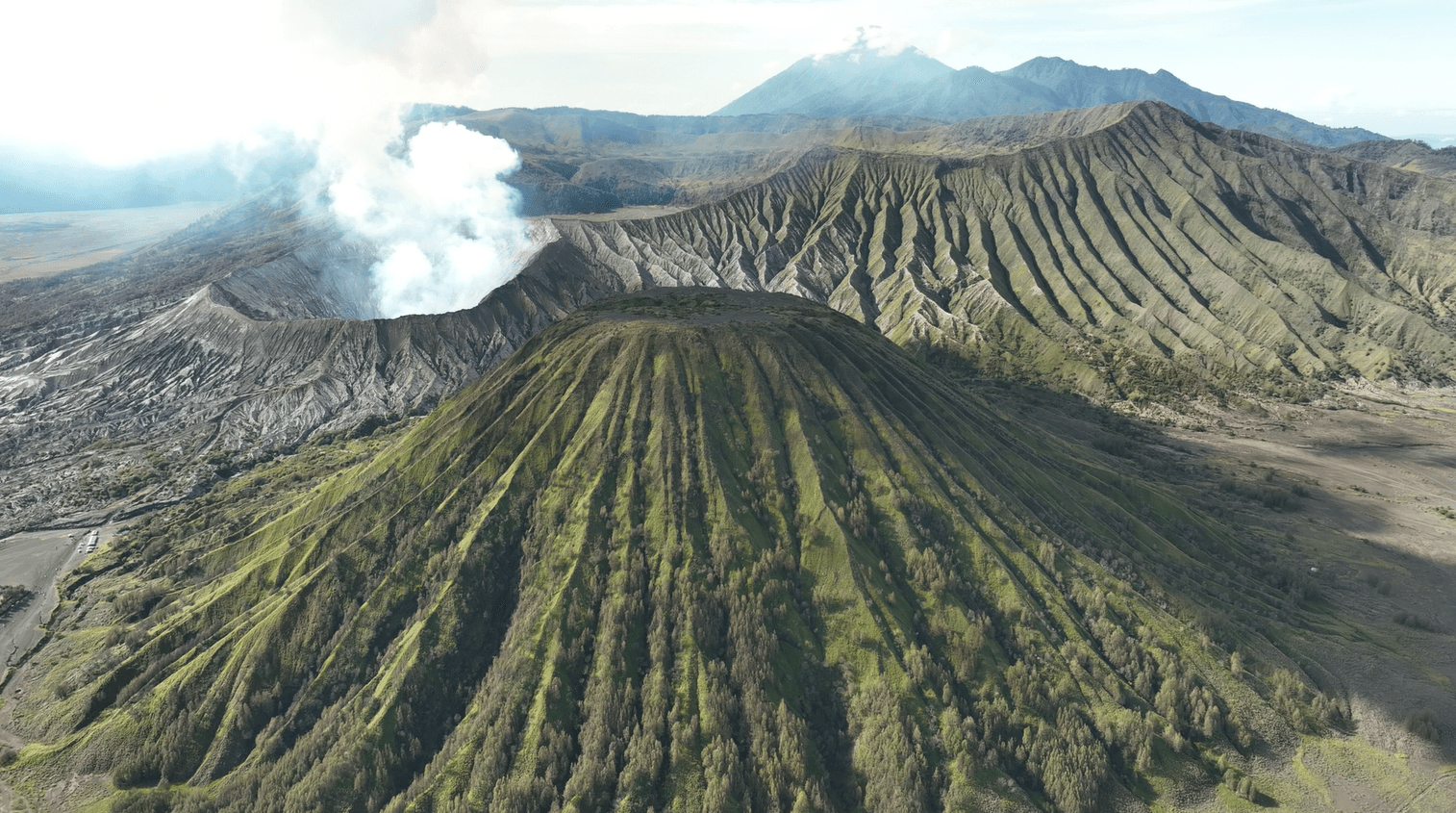
Bromo and Tumpak Sewu Waterfall represent pinnacle landscapes for environmental portraiture and topography documentation. East Java offers extreme elevation changes and dynamic microclimates for ambitious visual artists. This guide breaks down the precise logistics and focal length requirements for these demanding environments.
What Makes Bromo and Tumpak Sewu Waterfall the Ultimate Photography Destination?
Therefore, Bromo and Tumpak Sewu Waterfall provide amazing atmospheric depth for landscape photography. The active caldera at Bromo frequently vents sulfur dioxide. This atmospheric haze diffuses morning light, creating distinct tonal separation across the volcanic plains.
Tumpak Sewu features a semi-circular curtain of cascading water. The steep ravine walls trap humidity, challenging a photographer’s dynamic range management. High-contrast lighting here demands precise exposure bracketing to retain highlight details.
When Is the Best Time to Visit Bromo and Tumpak Sewu Waterfall?
Equatorial climates heavily dictate atmospheric clarity and light diffusion. The dry season guarantees predictable sunrise conditions and minimal cloud inversion interference. Photographers must evaluate seasonal humidity levels to optimize their exposure triangle adjustments.
| Season | Months | Atmospheric Conditions | Topography Access |
|---|---|---|---|
| Dry Season | May to September | High visibility, golden hour prominence | Safe descent to waterfall basin |
| Wet Season | October to April | Dense cloud inversion, diffused light | Hazardous ravine trails, high water |
How Do You Travel to Bromo and Tumpak Sewu Waterfall?
Surabaya and Malang serve as the primary logistical hubs for East Java expeditions. Travelers typically hire 4×4 off-road vehicles to navigate the steep volcanic topography. The ascent to the Penanjakan sunrise viewpoint requires specialized mountain transport.
Navigating these routes requires careful itinerary management.
- Traveling from Surabaya takes approximately three hours via private transit.
- Malang offers a closer base with a two-hour transit duration.
- Pre-arranged jeep transfers are strictly required for caldera entry.
Essential Gear for Bromo and Tumpak Sewu Waterfall
Technical apparel and robust camera housing are critical for East Java. Volcanic ash and extreme waterfall spray pose severe threats to optical elements. Proper weather sealing ensures mechanical reliability during critical golden hour shoots.
What Waterproof Gear Is Mandatory for Waterfall Topography?
Tumpak Sewu generates dense mist that mimics heavy rainfall. Photographers must deploy hermetic dry bags for unmounted camera bodies. A high-quality microfiber cloth is essential for continuous front element wiping.
Consider the following moisture protection strategies:
- Equip your primary body with a fitted silicone rain sleeve.
- Utilize airtight pelican cases for secondary lenses and drone batteries.
- Wear dedicated river-trekking footwear with high-traction rubber soles.
Which Lenses and Focal Lengths Work Best for Calderas?
The expansive Sea of Sand demands wide-angle optical solutions. A 16-35mm focal length perfectly captures the vast geological scale. This field of view emphasizes the foreground textures of the volcanic ash.
Telephoto compression is equally crucial for isolating distant fumaroles.
- A 70-200mm lens creates stark focal separation against the crater rim.
- Prime lenses with fast f/1.4 apertures optimize astrophotography during pre-dawn hours.
- Circular polarizing filters effectively manage specular highlights on wet foliage.
Share your East Java topography portfolios with us on Instagram. Tag our official account to feature your best long-exposure waterfall captures. Join our dedicated community of technical landscape photographers on Facebook today.
Bromo and Tumpak Sewu Waterfall: 4-Day Premium Itinerary
Crafting a high-end itinerary for Bromo and Tumpak Sewu Waterfall requires meticulous logistical planning. Professionals must balance challenging topography with optimal lighting windows. This four-day schedule prioritizes both photographic yield and traveler comfort.
How Do You Prepare for the East Java Topography on Day 1?
Arrival logistics often dictate the success of your entire expedition. Fly into Juanda International Airport to begin your overland journey. Luxury SUVs handle the abrupt elevation gains toward the caldera. Acclimatization is essential before attempting complex focal length adjustments outdoors.
- Inspect your tripod stability for volcanic ash terrain.
- Calibrate your exposure triangle settings for sudden altitude weather shifts.
- Secure permits for protected national park zones in advance.
Where Are the Best Angles at Mount Bromo on Day 2?
Mount Bromo presents unique atmospheric conditions for landscape photographers. Low-hanging mist often fills the caldera during the early morning. Wide-angle lenses excel when framing the Sea of Sand. Telephoto lenses compress the distance between distant volcanic peaks.
- Utilize a 16-35mm lens for expansive caldera panoramas.
- Attach polarizing filters to cut through morning atmospheric haze.
- Bracket exposures to manage extreme contrast during the golden hour.
How Do You Navigate the Tumpak Sewu Trek on Day 3?
Tumpak Sewu requires specialized gear to traverse steep, wet gradients. The descent involves bamboo ladders and slippery riverbed crossings. High-end trekking shoes with aggressive lugs provide necessary grip. Weather-sealed camera bodies protect internal sensors from relentless waterfall spray.
- Pack micro-fiber cloths to wipe moisture from front elements.
- Store spare batteries in waterproof dry bags during the descent.
- Employ local guides to navigate the shifting riverbed paths safely.
What Are the Hidden Gems Near These Iconic Spots on Day 4?
Avoid the primary crowds by exploring secondary volcanic features. Madakaripura Waterfall offers enclosed, circular topography ideal for vertical panoramas. The B29 peak provides an alternative perspective of the caldera. These locations demand precise slow shutter speed techniques.
- Use neutral density filters for smooth water flow captures.
- Seek leading lines formed by ancient lava flows.
- Focus stack images to maintain sharpness from foreground to infinity.
Professional support elevates your expedition. Extend your journey with our Bali Temple Tour: Premium VIP Access to Sacred Sites or the Bali Traditional Village Photography: Expert Heritage Tour. For more cultural depth, book our Bali Culture Tour: Premium Guide to Authentic Traditions.
Where Exactly Is King Kong Hill for the Best Sunrise Shots?
King Kong Hill sits below Mount Penanjakan along the caldera. This viewpoint offers a direct line of sight toward Bromo. It provides superior foreground elements compared to higher observation decks. Reaching this spot requires a pre-dawn Jeep transfer.
- Arrive by 3:30 AM to secure an unobstructed tripod location.
- Monitor the histogram closely as the sun breaches the horizon.
- Keep ISO levels low to preserve maximum dynamic range.
The topography here creates natural framing using foreground pine trees. Set your aperture to f/8 or f/11 for optimal sharpness. A sturdy carbon fiber tripod prevents wind-induced micro-jitter.
How Can You Safely Photograph the “Indonesian Niagara” at Tumpak Sewu?
Tumpak Sewu features a semi-circular curtain of high-velocity waterfalls. The primary panoramic viewpoint rests safely above the canyon floor. Capturing the base requires navigating hazardous, water-slicked rock formations. Safety protocols demand strict adherence during this technical descent.
- Use a rain sleeve to protect your lens mechanism.
- Secure yourself to existing bamboo rails when changing lenses.
- Wipe your front element continuously to avoid spray artifacts.
The immense scale of this waterfall challenges standard compositional framing. Utilize an ultra-wide focal length to capture the entire span. Implement an ND filter to drag your shutter speed smoothly. This technique renders the crashing water as a unified texture.
Visualizing this challenging descent helps you prepare appropriate safety gear. Read our Tumpak Sewu Waterfall Travel Guide for safety tips. Also, learn exposure techniques from our Tumpak Sewu Waterfall: Photography tips.
Where Should High-Net-Worth Travelers Stay Near Bromo and Tumpak Sewu Waterfall?
High-net-worth travelers require specific infrastructural accommodations near East Java topographies. Premium lodging remains sparse near the volcanic caldera. Strategic basecamps maximize sleep before alpine starts.
- Plataran Bromo Resort offers optimal caldera proximity.
- Jiwa Jawa Resort features proper climate control.
- Surabaya provides luxury hotels before the transit.
Lumajang lacks five-star hospitality infrastructure entirely. Discerning travelers must utilize private overland transfers. Custom luxury vehicles mitigate the grueling transit logistics. Sleep architecture is critical before navigating varied microclimates.
Are Madakaripura Waterfall and Goa Tetes Worth the Extra Trek?
Madakaripura Waterfall demands navigation through a hydro-geological slot canyon. It requires waterproof housing for all camera gear. Goa Tetes introduces complex subterranean limestone formations.
- Some guides argue these extensions dilute the primary focus.
- Adding locations increases physical exhaustion exponentially.
- Poor ambient lighting complicates wide-aperture photography.
However, extending the itinerary yields unique topographical captures. Madakaripura provides exceptional slow-shutter water photography opportunities. Goa Tetes features rich textures for macro lens applications. Proper pacing ensures optimal yield for visual creatives.
How Do You Budget for a Premium Long-Day Tour Experience?
Premium long-day excursions require precise financial allocation. Private 4×4 land cruisers dominate the transit budget. Professional local fixers are non-negotiable for seamless logistics.
- Allocate funds for exclusive caldera access permits.
- Budget for dual-guide systems at Tumpak Sewu.
- Secure premium gear insurance for water exposure.
Do not compromise on private transport quality. Standard vehicles fail on degraded volcanic access routes. Elite ground operators provide oxygen and specialized medical kits. This capital expenditure ensures absolute operational safety.
Critical Safety Protocols for Bromo and Tumpak Sewu Waterfall
Volcanic exploration involves significant particulate matter exposure. High concentrations of sulfur dioxide require rated respirator masks. Acute mountain sickness can occur at caldera rims.
- Monitor real-time seismic data via geological portals.
- Carry an automated external defibrillator on private tours.
- Utilize crampons for slippery micro-environments at waterfalls.
Tumpak Sewu requires descending basic bamboo scaffolding. Three-point contact is a mandatory biomechanical protocol here. Dehydration accelerates rapidly in fluctuating tropical microclimates. Drink electrolyte-infused hydration solutions continuously during the transit.
Frequently Asked Questions
How physically demanding is the Tumpak Sewu descent?
The descent demands advanced cardiovascular endurance. Travelers must navigate near-vertical topography using degraded footholds. Core stability and joint integrity are absolutely critical. It is entirely unsuitable for individuals with mobility deficits.
Can drone photography be used at Mount Bromo?
Unmanned aerial vehicles require specific aeronautical permits. High wind shear and sulfuric ash damage brushless motors. Always calibrate the internal compass before the initial flight. Maintain visual line of sight during caldera inspections.
Is it safe to carry expensive camera gear during the waterfall trek?
The trek features intense ambient moisture and direct spray. IP68-rated dry bags are mandatory for electronic transport. Apply hydrophobic coatings to the front lens elements. Do not change lenses outside of a sealed environment.

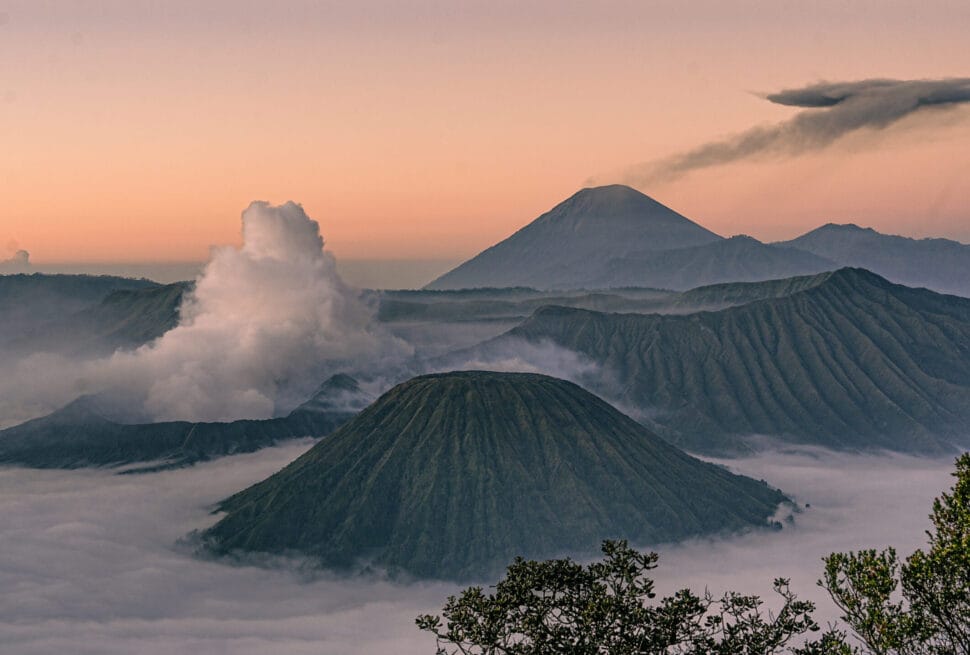

[…] Bromo: Best visited during dry season (May–September) […]
[…] Learn More Travel & Guide to Bromo and Tumpak Sewu Waterfall […]
[…] unique geological features. Planning the trip well ensures a safe and memorable experience. This Tumpak Sewu Waterfall travel guide highlights the best time to visit, the main routes, and the essential safety […]