3-day journey into Tanjung Puting National Park, Central Borneo—cruising by klotok, spotting wild orangutans, and discovering rare flora and fauna. This vlog is your quick look at the unforgettable borneo tanjung puting orangutan experience.
Quick trip facts for first-time visitors
The Borneo Tanjung Puting Tour Guide experience begins in Central Kalimantan, Indonesian Borneo. Tanjung Puting National Park sits near the coastal town of Kumai and the gateway city of Pangkalan Bun. You explore it by river, not by road.
Most visitors choose a 2D1N or 3D2N trip. A three-day trip feels unhurried and more immersive. It also gives you time for multiple camps and river mornings.
The best tour style is a live-aboard river journey. You sleep, eat, and travel on the same wooden boat. That boat is called a klotok in Central Kalimantan. Locals use klotok for river transport and touring. The name often matches its engine sound.
Expect humid air, sudden rain, and wildlife moments that happen fast. Pack light, but protect your camera and skin. The river sets the pace, and that is the point.
How to reach Kumai and start the tour
Fly into Iskandar Airport in Pangkalan Bun. From there, take a taxi to Kumai Harbor. The drive usually takes about 15 minutes. You will arrive at a busy riverfront area with boats and crew.
Aim to reach the harbor before 10:00. Many klotok trips start around 10:00. Arriving early keeps boarding calm and organized.
Before you step onto the klotok, do a quick check. Bring water you can reach easily. Confirm life jackets are available in your size. Ask the crew about permits and park rules. Make sure you know who your guide is for each activity.
A simple checklist helps first-time travelers avoid small mistakes. Keep essentials in one dry bag. Save your passport photo and tickets offline. Then settle in and let the river itinerary begin.

Day 1 route: Kumai to Tanjung Harapan
Your first day follows the Sekonyer River corridor. After boarding, the klotok leaves Kumai and heads upstream. The boat moves slowly, which helps you spot movement in the trees. You may see proboscis monkeys, macaques, and bright river birds.
From Kumai Harbor, it usually takes about 2 to 2.5 hours to reach the Tanjung Harapan wharf. On the way, you pass the Sekonyer harbor area. The scenery shifts from open river edges to thicker green walls.
If you depart around 10:00, you often arrive around midday. Step off the boat and take in the atmosphere first. This moment sets the tone for the whole trip.
Near the landing area, visit the tourist information post. Use it to learn the local map and key rules. Take an orientation photo by the orangutan statue. Then return to the boat, or prepare for the afternoon forest walk.
Day 1 orangutan feeding etiquette and rules
After lunch and a short reset on the boat, the afternoon shifts from river to forest. Around 2:00 pm, the walk begins from Tanjung Harapan. The trek to the feeding area takes about 15 minutes. The path is easy, but the humidity feels intense.
Rangers lead the session for a reason. They manage safety, timing, and orangutan stress. Visitors should never call, lure, or try to change orangutan behavior. Ethical viewing rules advise against calling for attention or tempting movement with food.
By 3:00 pm, sit quietly and wait for the feeding to start. Keep a safe distance and follow rope lines if present. Local rules commonly advise a minimum distance of about 5 meters. Many ethical viewing guides recommend greater distances, often around 10 meters. Distance lowers disease risk and reduces defensive behavior.
Follow strict behavior rules once you arrive. Do not smoke near the feeding area or leave cigarette waste behind. Keep voices low, avoid sudden movements, and never use flash photography. Do not eat or drink in front of orangutans. Keep all food inside your bag.
Sometimes, no orangutan arrives. That can happen when wild fruit is abundant. In that season, orangutans often skip feeding platforms. Guides adapt by extending wait time, shifting the trek, or focusing on other wildlife. The goal stays the same: observe without pressure.
Night trekking: gear, guides, and expectations
After the feeding walk, return to the klotok and rest. Night trekking usually starts after you recover and the light fades. A different local guide may lead this walk. That guide often specializes in nocturnal plants and hidden forest details.
Keep the pace slow and steady. The walk feels short, but it can feel longer in darkness. Plan for about one hour, including stops for photos. Expect damp ground, insects, and sudden sounds from the canopy.
Pack only what you will use. Bring a headlamp with fresh batteries. A light jacket or long sleeves for cover. Bring insect repellent and a small camera, or a phone with low-light mode.
Set your phone before you start. Turn on airplane mode to save battery. Reduce screen brightness to protect night vision. Use a red light filter if your phone supports it. Keep your phone in a dry bag between shots.
Sleeping on a klotok: comfort and river life
Klotok nights feel simple, but they can feel surprisingly cozy. Crew usually prepares a basic bed and adds anti-bug protection. A net or curtain helps block insects while you sleep.
Ventilation matters in humid air. Ask for airflow without leaving lights blazing. Keep one dry layer for nighttime comfort. Store clothes in a sealed bag to avoid dampness.
Fireflies can turn the river into a quiet light show. Ask the crew if they know a fireflies spot. They often time it with calm water and low boat noise.
Some nights still carry human sounds. You may hear engines or distant motors near residential stretches. The river calms again later, and the forest sound returns.

Day 2 route: Tanjung Harapan to Pondok Tanggui
Morning begins before words feel necessary. Proboscis monkeys can wake you with loud calls. The air feels cooler and cleaner at sunrise. This is a great time for slow coffee and wide views.
Around 7:00 am, the klotok usually starts moving again. The ride to Pondok Tanggui takes about two hours. The best photo time happens in the first hour. The light stays soft, and mist may hover above the river.
Shoot from the boat deck when the river feels still. Use a faster shutter for monkeys and birds. Keep movements quiet to avoid sudden splashes. Let the boat’s rhythm steady your framing.
Drone use needs extra care in protected areas. Some operators arrange drone permits in advance. One travel guide notes permits can cost 2,000,000 IDR per day. The same source notes drone use may be limited to the Sekonyer river corridor. Always confirm rules with your guide before takeoff.
Have a backup plan if conditions change. Rain can arrive fast, and wind can shift. Switch to handheld video from the deck. Focus on sound, water texture, and canopy layers instead. The story still lands without a drone.
Pondok Tanggui trek: plants, stories, and feeding
Pondok Tanggui feels like the park opens its notebook and invites closer reading. The trail starts gently, then narrows into a green tunnel. Many travelers slow down here, because the ground holds details worth noticing.
Keep a relaxed pace and watch for macro moments. Pitcher plants, known as Nepenthes, can appear in lowland habitats in Tanjung Puting National Park. Some locals believe closed pitchers can hold clean water with medicinal value. That belief often comes up on guided walks.
Look down as often as you look up. Ferns, called pakis, line damp edges and shaded spots. Guides may explain how pakis supports local craft traditions. It turns a simple plant into a living cultural link.
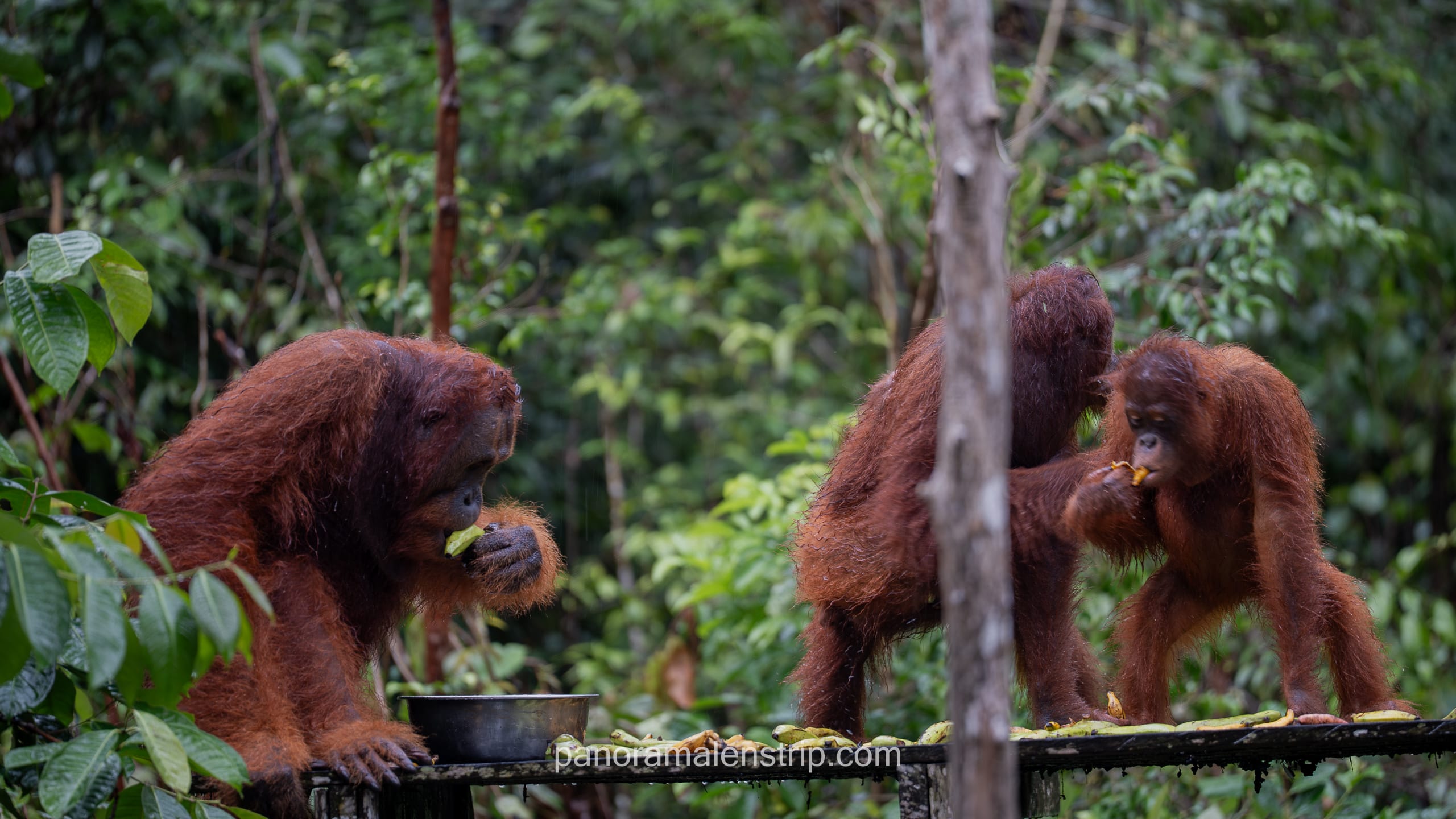
The feeding area brings a different kind of attention. Orangutans are often described as solitary in the wild. Yet at feeding times, you may see them tolerate each other. The ranger controls the session and calls them in.
Photograph with respect and space. Avoid flash, because it can disturb wildlife. Stay behind others instead of pushing forward. Use zoom and wait for clean angles. That calm approach matches the spirit of a Borneo Tanjung Puting Tour Guide.
Forest learning: Dayak heritage and ecology clues
On the return walk, the forest becomes a classroom without walls. Guides often share Dayak stories tied to plants and survival. These lessons feel strongest when they appear in place, not in a museum.
One story may involve a venomous tree. In older Dayak traditions, plant toxins were used for sumpit, the blowpipe used in hunting and war. A good guide frames this history with safety first. They point, explain, and avoid contact.
The trail also shows what animals did when nobody watched. Orangutans can eat more than fruit and leaves. Disturbed insect nests can hint at opportunistic feeding. It is one small clue of an adaptable diet.
Then comes the moment that stays in memory. An orangutan may sit on the path and hold the space. It can feel like a message, but it may be simple caution. Ethical guidelines warn against forcing interaction or interpreting behavior as an invitation.
Instead, step back and let the animal choose distance. This is how respect looks in motion. It keeps your story honest, and it keeps the forest calm.

Day 2–3 route: to Camp Leakey and deeper jungle
After Pondok Tanggui, the river journey shifts in tone. The Sekonyer corridor grows narrower in places. Vegetation thickens and presses closer to the waterline. The air feels heavier, and the silence feels more complete.
This stretch can make the park feel more remote. The water may look darker than earlier sections. The canopy blocks more light and mutes the horizon. On a klotok, that darkness feels like depth, not danger.
If a drone is part of the plan, treat it as optional. Tanjung Puting rules note that drone flights require a special permit. Some guides also describe corridor limits and daily permit costs. Near sensitive zones, many operators avoid flying to protect wildlife behavior.
Choose alternatives that keep the habitat quiet. A long lens can capture treetops without closing distance. A low angle from the boat can show reflections and river texture. Slow video can record rain patterns and engine rhythm.
Plan for weather changes and flexible timing. Heavy rain can arrive fast on this route. Keep electronics in a dry bag and let the crew decide safe stops. That trust is part of the Camp Leakey approach.
Camp Leakey experience: boardwalk, crowds, and feeding
Camp Leakey often feels like a threshold into deeper conservation work. Some visitors know it as a rehabilitation site established in 1971. That history adds weight to every rule you follow.
From the dock area, the walk to the feeding station is long and atmospheric. One government article describes a walk of about 1.5 kilometers to reach the feeding station. Rain can turn wood and roots slick, so tread slowly. Wear rain gear, and keep one hand free for balance.
The feeding window can run from about 2:00 pm to 4:00 pm. This stop can also be more crowded than earlier camps. Day-trippers may arrive, and noise levels can rise. Stay calm, speak softly, and follow ranger instructions closely.
Keep distance and avoid risky positioning. Park rules advise keeping a safe distance, and they also warn not to stand between males and females. Do not use flash photography, especially around young orangutans. If the best photo needs a step forward, skip it.
On the return walk, monkeys may sit on the path or along rails. Move slowly and give them room. A calm pace prevents slips and avoids stress for animals. This is where a Borneo Tanjung Puting Tour Guide becomes more than logistics. It becomes a way of traveling.
Costs, permits, and tour options to compare
A private klotok tour buys time and quiet. It also buys control. You set the pace and photo stops. You can rest without negotiation.
A shared boat tour lowers cost and reduces planning stress. You share cabins and schedules with other travelers. The pace feels fixed, but often social. Some operators call shared tours more eco-conscious in peak season.
Plan for park fees and on-site rules. One local tourism source reports an entrance fee of IDR 250,000 per foreign visitor per day. It reports IDR 50,000 per Indonesian visitor per day. The same source lists watercraft entry fees of IDR 100,000–150,000 per unit per day. It also lists a drone activity fee of IDR 2,000,000 per unit per day.
Licensed guides matter because they manage safety and etiquette. They coordinate with rangers and follow feeding protocols. They also help keep distance and noise under control.
Budget ranges vary by season and boat class. Some shared trips advertise prices from about USD 300. Some private or small-group listings show much higher totals per booking. Prices usually rise with extra days, better boats, and fuller meals.

Responsible wildlife tourism best practices
Health comes first around great apes. Humans can pass respiratory illness to orangutans. Some responsible tourism guidance recommends wearing masks around primates. If sick, do not visit orangutan habitats.
Keep distance and let wildlife lead the encounter. One ethical code recommends at least 10 meters from orangutans. Never feed orangutans or try to call them closer. Rangers manage feeding sessions for safety and welfare.
Protect the river corridor with simple habits. Pack out all trash, including tissues and cigarette butts. Smoking restrictions also protect habitat quality. Use biodegradable, river-safe soap when washing. Keep noise low near wildlife and villages.
Support local communities in ways that last. Hire local, licensed guides and pay fair wages. Choose operators that employ local crew and cooks. Buy crafts directly from local makers when possible. It turns tourism into shared benefit.
Common mistakes and how to avoid them
Mistake one is expecting guaranteed orangutan sightings. Feeding stations help, but nature stays in control. In fruit season, orangutans may skip platforms. Plan for surprises and enjoy the whole forest.
Mistake two is ignoring sound and smoke rules. Loud voices raise stress for wildlife and other visitors. Park rules commonly ban flash photography and limit disruptive behavior. Do not smoke near wildlife zones or on treks.
Mistake three is overpacking, then forgetting rain protection. Heavy rain can hit without warning in Central Kalimantan. Keep one dry bag for electronics. Bring a light rain jacket you can reach fast. Pack quick-dry layers instead of bulky clothes.
Mini comparisons for trip planning decisions
Choose camps based on mood, not just names. Tanjung Harapan feels close to the gateway zone. It often feels busier and more structured. Pondok Tanggui can feel quieter and more intimate on the trail.
Crowds also shift by location and timing. Camp Leakey often attracts day-trippers. One official article also highlights a long walk to the feeding station. Earlier camps can feel calmer, especially outside peak months.
Trip length changes the whole outcome.
Pick the version that matches energy and expectations. A slower plan usually feels more rewarding.

Conclusion: plan your Borneo river journey
This Borneo Tanjung Puting Tour Guide works best when the schedule stays flexible and the rules stay firm. Book a licensed guide and confirm permits before you arrive. Pack rain gear, a dry bag, and patience for changing wildlife patterns. Keep distance, stay quiet, and skip the trip when sick. Then let the Sekonyer River set the pace.
FAQ
Is a Borneo Tanjung Puting tour good for beginners?
Yes, it suits beginners when a licensed guide sets the pace and rules. Expect simple jungle walks and basic boat living on a wooden klotok.
How do you get from Pangkalan Bun to Kumai Harbor?
Most travelers land at Iskandar Airport, then continue by car or taxi to Kumai. The transfer is usually short, often around 15–25 minutes.
What time do klotok tours usually depart from Kumai?
Many tours start late morning, often around 11:00, after airport pickups. Confirm your operator’s schedule, because shared boats may wait for the group.
Can you always see orangutans at feeding stations?
No, sightings are never guaranteed, even at well-known camps. During fruit season, orangutans may feed naturally and skip platforms.
What should you bring for night trekking?
Bring a headlamp, a light jacket, mosquito repellent, and a camera. Bring a small dry bag, because humidity and rain can arrive fast.
Can you fly a drone in Tanjung Puting National Park?
Drone use may require permits, and some zones restrict flights. Always ask your guide first, because drones can disturb wildlife behavior.
How many days do you need for Camp Leakey?
Camp Leakey fits best in a 3D2N plan that includes multiple feeding camps. This timing also gives calmer river hours for wildlife viewing.
Is it safe to visit Tanjung Puting with kids?
It can be safe with a private boat, patient pacing, and strict rule-following. Keep distance from orangutans and avoid visits when anyone is sick.


[…] Borneo orangutan tour in Tanjung Puting is a multi-day klotok boat expedition through Central Kalimantan’s protected rainforest. […]
[…] geography of Tanjung Puting demands a river-based approach. The primary feeding stations, including the famous Camp Leakey, are […]