A Klotok Houseboat Tour is a multi-day river journey in Borneo where travelers live and sleep aboard a wooden boat. This guide explains what the experience is really like, beyond brochures. It covers how a klotok functions as transport and accommodation inside Tanjung Puting National Park. You will learn what sleeping on a river boat feels like at night. Comfort, safety, and hygiene standards are explained clearly. Wildlife encounters, especially wild orangutans, are described realistically. The guide also explains typical trip duration and cost ranges. Finally, it clarifies who this experience suits best, including photographers, couples, and slow travelers.
Introduction
A Klotok Houseboat Tour is a slow river expedition where you sleep onboard while exploring Borneo’s rainforest. I tested this route personally in Tanjung Puting. The experience feels immersive, calm, and surprisingly comfortable. It combines wildlife encounters, river life, and simple living without luxury distractions.
What Is a Klotok Houseboat Tour in Borneo?
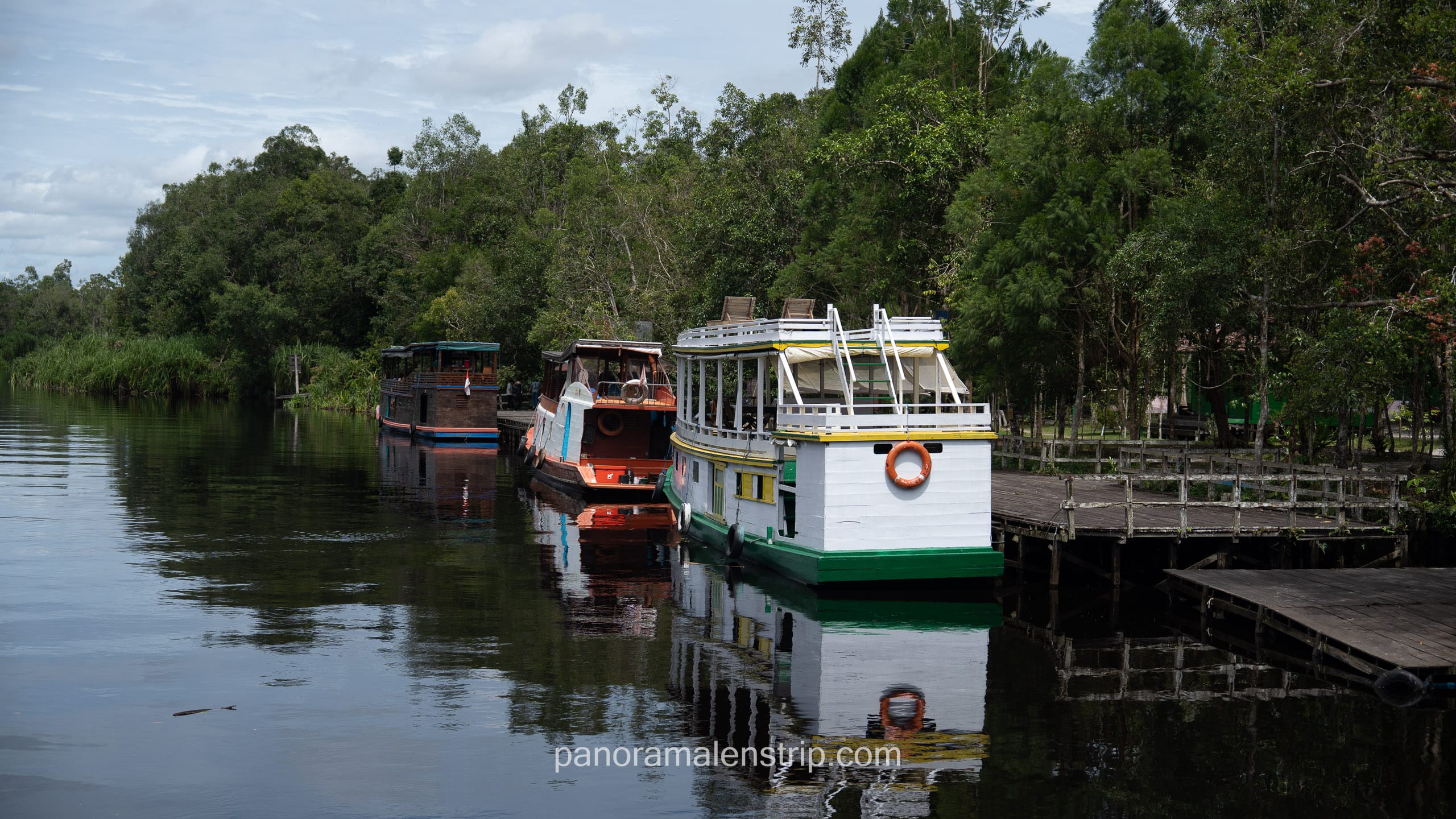
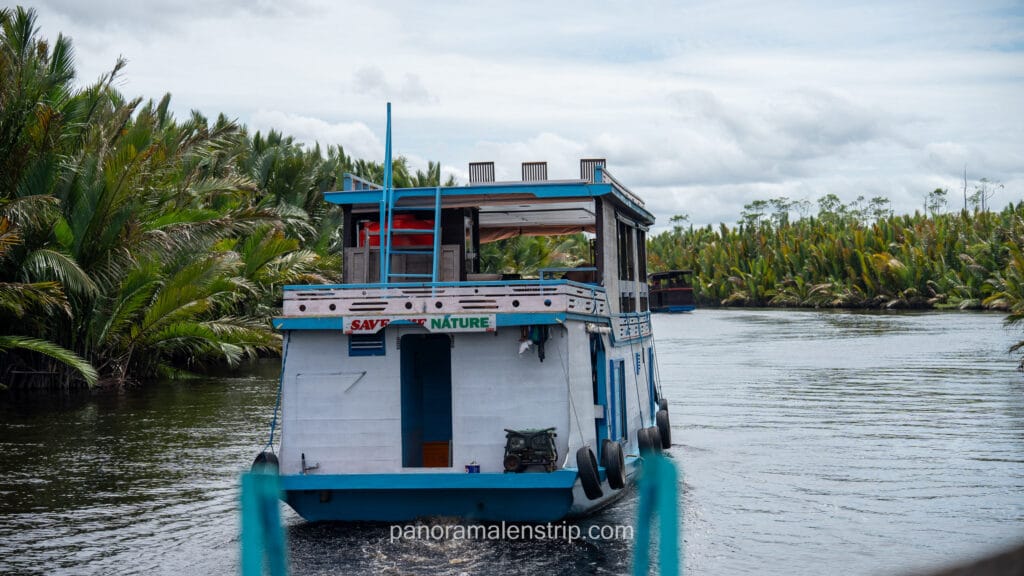
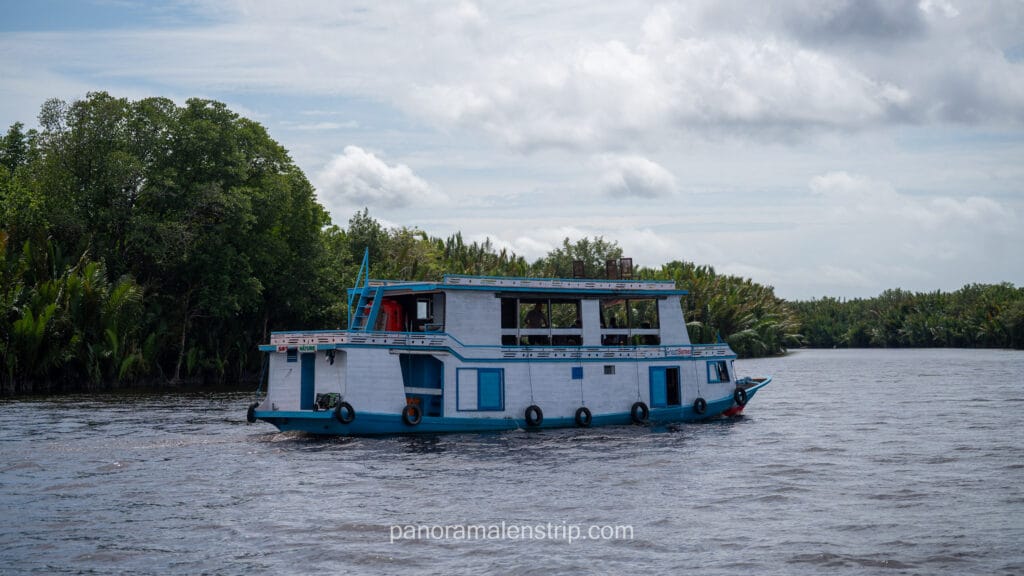
A Klotok Houseboat Tour is a guided river journey using a wooden boat as transport, bedroom, and dining space. Travelers cruise slowly through rainforest rivers while observing wildlife. The tour usually lasts two to four days inside protected jungle areas.
The word klotok comes from the rhythmic engine sound made by traditional river boats. These boats were originally used by local communities for transport and trade. Today, they are adapted for tourism with sleeping decks and kitchens. Klotok tours operate mainly inside Tanjung Puting National Park. The boat becomes a floating base for wildlife exploration.
Also read: Borneo Tanjung Puting Tour Guide: 3D Klotok Plan
Where Does a Klotok Houseboat Tour Take Place?
A Klotok Houseboat Tour takes place in Central Kalimantan, Indonesian Borneo. The journey follows the Kumai River and smaller tributaries inside protected rainforest zones. This region is globally known for orangutan conservation.
Most tours start from Kumai harbor, near Pangkalan Bun town. Central Kalimantan offers dense rainforest and peat swamp ecosystems. Travelers usually fly from Jakarta to Pangkalan Bun. Direct routes from Bali and Singapore connect via Jakarta. Transfers from the airport to the river take about thirty minutes.
What Is It Like to Sleep on a Klotok Boat?
Sleeping on a klotok boat feels calm, natural, and deeply immersive. You sleep on a mattress placed on an open deck. Mosquito nets surround the sleeping area for protection. Airflow comes naturally from the river breeze.
At night, jungle sounds replace city noise completely. You hear insects, birds, and distant primates. The boat remains stationary while anchored safely. Light sleepers usually adapt after the first night. Earplugs help if you are sensitive. Many travelers report better sleep due to fresh air.
How Comfortable Is a Klotok Houseboat Tour Really?
A Klotok Houseboat Tour offers simple comfort rather than luxury. Comfort levels are closer to eco-lodges than hotels. Boats include a basic bathroom with a toilet and bucket shower. Water is sourced from the river and filtered for washing.
Electricity usually comes from generators or solar panels. Charging phones and cameras is possible during the day. Beds are thin but adequate for short trips. Compared to jungle lodges, klotoks provide better wildlife access. Comfort feels sufficient for most healthy travelers.
How Safe Is a Klotok Houseboat Tour for Foreign Travelers?
A Klotok Houseboat Tour is generally safe for foreign travelers when operated by licensed local crews. Safety standards focus on calm river navigation, controlled wildlife encounters, and basic hygiene management. Serious incidents are rare in Tanjung Puting National Park.
River conditions are usually slow-moving and predictable. The boat crew includes a captain, guide, and cook, each with defined roles. Captains understand river depth, currents, and seasonal changes. Boats anchor at night in stable river sections.
Wildlife distance protocols are strictly followed. Orangutans are never touched or approached closely. Guides maintain safe viewing distances during feeding visits. Health controls include filtered water for washing and cooked meals prepared onboard.
What Wildlife Do You See on a Klotok Houseboat Tour?
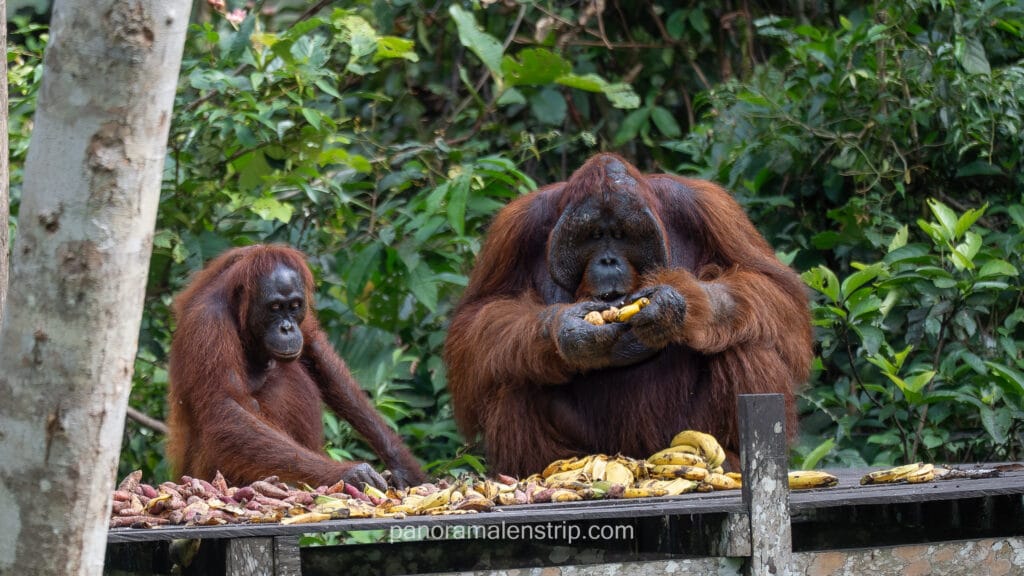
A Klotok Houseboat Tour offers high-probability wildlife sightings in natural rainforest settings. Orangutans are the keystone species and main attraction. Sightings occur mainly at feeding platforms and along riverbanks.
Proboscis monkeys are commonly seen in groups near mangroves. Long-tailed macaques and silver leaf monkeys appear frequently. Birdlife includes hornbills, kingfishers, and eagles. Crocodiles are present but usually observed from a safe distance.
Feeding stations support rehabilitated orangutans returning to the wild. Feeding times are structured and limited. Ethical standards prohibit physical interaction and flash photography. Wildlife viewing prioritizes animal welfare over entertainment.
How Long Does a Typical Klotok Houseboat Tour Last?
A Klotok Houseboat Tour typically lasts between two and four days. The most common options are 2D1N, 3D2N, and 4D3N itineraries. Each duration offers different depth levels.
A 2D1N trip covers main feeding stations quickly. A 3D2N tour allows relaxed pacing and better wildlife chances. A 4D3N trip explores deeper park areas. Longer trips increase time for trekking, photography, and river cruising.
How Much Does a Klotok Houseboat Tour Cost?
A Klotok Houseboat Tour usually costs between USD 350 and USD 1,200 per boat. Prices depend on duration, boat quality, and group size. This range reflects private charter pricing.
Costs typically include the boat, crew, meals, park permits, and guide services. Exclusions often include flights, hotel stays, and tips. Private boats cost more but offer flexibility. Shared boats reduce cost but limit customization.
Seasonal price variance occurs during peak months. July to September sees higher demand. Rainy seasons may offer lower prices. Wildlife sightings remain consistent year-round.
Who Is a Klotok Houseboat Tour Best For?
A Klotok Houseboat Tour suits travelers seeking nature-focused experiences. Photographers benefit from close wildlife access and soft river lighting. Slow travelers enjoy the unhurried pace.
Couples often value the quiet and intimacy. Families with older children can participate safely. The experience encourages learning and patience. It is not ideal for luxury-focused travelers.
People needing constant internet should avoid it. Travelers with limited mobility may struggle. Those expecting resort-level comfort may feel disappointed. The tour rewards curiosity and adaptability.
Is a Klotok Houseboat Tour Worth It Compared to Other Wildlife Trips?
A Klotok Houseboat Tour offers strong value compared to African safaris and Amazon cruises. It delivers close wildlife access with lower overall costs. The experience prioritizes immersion over luxury.
African safaris offer higher species diversity but require long drives. Amazon trips cover vast areas with fewer guaranteed sightings. Tanjung Puting concentrates biodiversity along rivers. Accessibility is higher because wildlife comes to the boat.
Cost efficiency favors klotok tours strongly. Daily costs are lower than African lodges. Flights are shorter for Asia-Pacific travelers. The experience suits travelers seeking depth, not spectacle.
What Do Experts Say About River-Based Wildlife Tourism in Borneo?
Conservation experts support river-based tourism when managed responsibly. It reduces forest disturbance compared to road-based access. Controlled routes limit environmental pressure.
According to the Tanjung Puting National Park Authority,
“River tourism allows visitors to observe wildlife without fragmenting habitats.”
This approach supports rehabilitation programs financially.
Sustainability depends on visitor behavior and operator standards. Responsible tourism avoids direct contact and feeding. Licensed klotok tours contribute to conservation funding and local employment.
Klotok Houseboat Tour Comparison Table
The table below compares klotok tours with other common wildlife travel formats. It highlights differences in comfort, access, and value. This comparison helps decision-making quickly.
| Feature | Klotok Houseboat | Jungle Lodge | Day Tour |
|---|---|---|---|
| Sleep onboard | Yes | No | No |
| Wildlife depth | High | Medium | Low |
| Photography access | Excellent | Limited | Very limited |
| Cost efficiency | High | Medium | Low |
| Immersion level | Very high | Moderate | Low |
| Daily flexibility | High | Medium | Low |
| Night wildlife sounds | Yes | Limited | No |
Frequently Asked Questions About Klotok Houseboat Tours
Is a Klotok Houseboat Tour suitable for luxury travelers?
A klotok tour is not a luxury experience. Comfort is basic and functional. Luxury-focused travelers may feel limited.
Are toilets private on a klotok boat?
Most klotok boats have a single enclosed toilet. Privacy is adequate but shared among guests.
Can you shower during the trip?
Showering is possible using river water and a bucket system. Hot water is usually unavailable.
Do orangutans always appear during tours?
Orangutan sightings are highly likely but not guaranteed. Feeding stations increase encounter probability significantly.
Is internet available on the river?
Internet access is extremely limited or unavailable. Mobile signals disappear inside the park.
Is this trip ethical and conservation-friendly?
Licensed tours follow strict wildlife ethics. Physical contact with animals is prohibited. Tourism supports conservation funding.
Key Takeaways for First-Time Klotok Travelers
- A Klotok Houseboat Tour offers immersive rainforest access.
- Comfort is simple but adequate for short stays.
- Wildlife encounters feel natural and respectful.
- Costs are efficient compared to global wildlife trips.
- The experience suits patient, curious travelers best.
This journey is not about luxury. It is about presence, nature, and perspective.
Also read: Best Time to See Orangutans in Borneo: Fruit Seasons & Weather