
Introduction
Overview of Majapahit and the Tenggeresse
The Majapahit Empire and the Tenggeresse share a deeply intertwined cultural and historical connection rooted in the highlands of East Java. Majapahit, which rose to prominence in the 13th century, was one of the greatest Hindu-Buddhist kingdoms in Indonesian history. Its influence shaped language, beliefs, art, and governance across the archipelago. Meanwhile, the Tengger Tenggeresse—living around the caldera of Mount Bromo—represents one of the few surviving communities that still preserve the ancient traditions of Majapahit in their everyday life, making Tengger culture and traditions an invaluable link to Indonesia’s past.
The Tenggerese people are believed to be descendants of the Majapahit court, particularly followers who fled to the mountains during the kingdom’s decline. Over centuries, this community maintained rituals, myths, and cultural practices that strongly resemble ancient Javanese customs. Because of this, Tengger culture and traditions are often seen as a living cultural bridge between modern Indonesia and the legacy of Majapahit.
Also learn: Bromo Tour Package with Guide, Why Your Tour Bromo Better
Why Mount Bromo Holds Cultural Significance
Mount Bromo is not only a striking volcanic landscape; it is a sacred site deeply woven into local mythology. For the Tenggerese, Bromo is a spiritual axis—a bridge between humans and divine forces. Its caldera, sea of sand, and ever-active crater are believed to be manifestations of cosmic energy left from the Majapahit era. The mountain serves as the central stage for the Kasada ritual, where offerings are cast into the crater to honor ancient gods and ancestral spirits, strengthening the role of Tengger culture and traditions in preserving these sacred practices.
The sacredness of Bromo originates from myths passed down through generations, especially the legend of Roro Anteng and Joko Seger, believed to be direct descendants of the Majapahit royal family. Their story reinforces the mountain’s role not only as a natural wonder but as a spiritual homeland for the Tenggerese people, reflecting the enduring legacy of Tengger culture and traditions.
The Roots of Majapahit Civilizatio
The Rise of Majapahit Kingdom
The Majapahit Kingdom began in 1293 after Raden Wijaya established a new political center in East Java. With strong leadership, abundant resources, and strategic alliances, Majapahit rapidly grew into a dominant maritime power. Its golden age under Gajah Mada brought unity to the archipelago and solidified its reputation as a powerful empire.
Expansion and Influence in Eastern Java
Eastern Java became the core of Majapahit’s strength. Fertile lands, trade routes, and spiritual sites helped the kingdom flourish. From here, culture spread outward through temples, literature, and military expeditions. The influence of Majapahit reached Bali, Borneo, Maluku, and even parts of the Malay Peninsula.
This expansion also carried the kingdom’s spiritual beliefs into remote areas such as Tengger, leaving cultural footprints that are still visible today.
Cultural and Spiritual Beliefs
Majapahit’s worldview blended Hinduism, Buddhism, and indigenous Javanese beliefs. Rituals, offerings, and worship of mountain spirits were common. Volcanoes were especially revered as sacred homes of gods and ancestors. These beliefs influenced later cultural groups—including the Tengger Tenggeresse—who continued the tradition of honoring Mount Bromo through rituals like Yadnya Kasada.
The Origins of the Tengger Tenggeresse
Who Are the Tenggerese?
The Tenggerese are an indigenous highland community living around Mount Bromo, known for their resilience, harmony with nature, and devotion to ancestral traditions. Their name, “Tengger,” is believed to come from Roro AnTeng and Joko SeGer, symbolizing their origin story.
Language, Traditions, and Daily Life
They speak an old Javanese dialect and practice customs that date back centuries. Simplicity, communal cooperation, and spiritual devotion shape their daily routines. Agriculture—especially potatoes, onions, and cabbage—forms the backbone of their livelihood.
Connection to Ancient Javanese Culture
From ceremonies to language structure, Tengger culture mirrors ancient Javanese society. Their rituals, clothing, and belief systems strongly resemble traditions recorded during the Majapahit era, making them a significant cultural remnant of Indonesia’s pre-Islamic past.
Mythology Linking Majapahit and the Tengger People
The Legend of Roro Anteng and Joko Seger
One of the most well-known myths connecting the Majapahit Empire to Tengger culture and traditions is the legend of Roro Anteng and Joko Seger. According to traditional folklore, Roro Anteng was a princess descended from Majapahit royalty. When the empire fell into decline, she sought refuge in the remote highlands of Tengger, where she encountered Joko Seger, a humble yet spiritually gifted young man.
Their love story and partnership led to the unification of the Tengger region and the founding of a new community strongly influenced by Majapahit heritage. This tale is often seen as a symbolic merging of royal lineage with the spiritual power of the mountains—an important theme found throughout Tengger culture and traditions.
The very name “Tengger” is believed to come from the combination of AnTeng and SeGer, reflecting the lasting legacy of this revered couple. Even today, their legend remains central to Tenggerese identity, reinforcing the deep cultural and ancestral ties between Majapahit and Tengger culture and traditions.
The Sacred Lineage from Majapahit Royal Blood
The Tengger people believe they are the direct descendants of Roro Anteng and Joko Seger. This belief gives the community a sense of sacred continuity and royal identity. Many rituals practiced today—such as Kasada—are said to be inherited from traditions once performed in the Majapahit palace. Elders of the Tenggeresse, particularly shamans known as dukun adat, are viewed as custodians of this ancient lineage, preserving spiritual knowledge that dates back centuries.
Mythical Role of Mount Bromo
In Tengger mythology, Mount Bromo plays the role of a divine protector. The myth tells that after struggling to have children, Roro Anteng and Joko Seger prayed to the gods of Mount Bromo. They were promised many children under the condition that the youngest must be sacrificed into the crater. When the time came, the couple hesitated, but the gods demanded fulfillment of the promise. The mountain erupted, and their youngest child, Kesuma, willingly entered the crater to save his family and people.
This myth explains why Bromo is seen as alive, powerful, and deeply connected to human destiny. It also forms the foundation of the Kasada ritual.
Mount Bromo as Tanah Hila Hila
Meaning of “Hila Hila” in Local Belief
“Hila Hila” refers to a sacred, forbidden, or spiritually charged land. In Tengger culture, it describes places where the physical world and the spiritual realm meet. Mount Bromo is considered one such location—an area where divine presence is believed to be exceptionally strong.
Spiritual Energy of the Volcanic Landscape
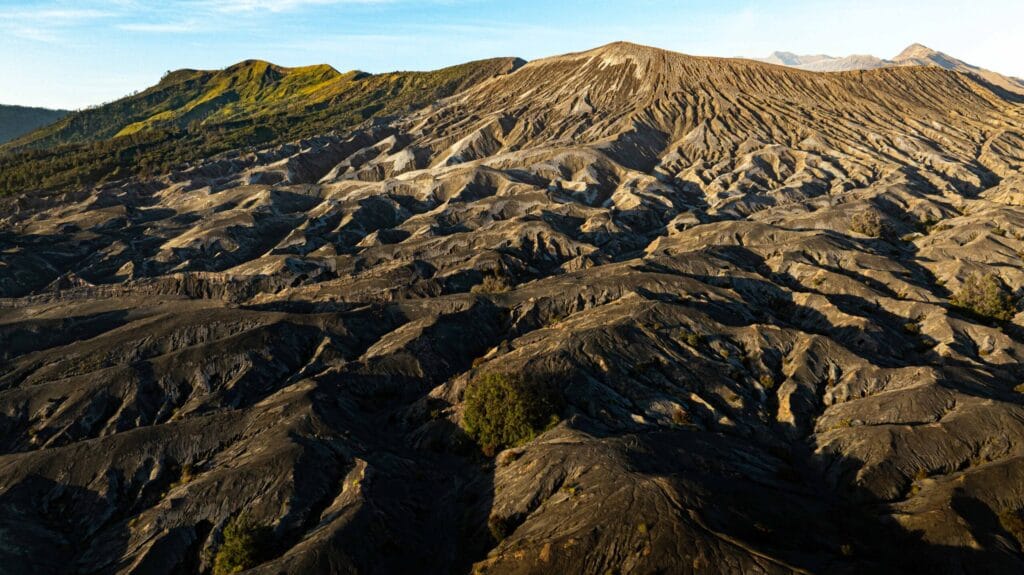
The landscapes of Bromo—its smoking crater, vast sea of sand, steep cliffs, and shifting clouds—are interpreted as signs of immense spiritual energy. The Tenggerese view eruptions not as disasters but as messages from the gods, reminders of balance, humility, and respect for nature.
Why Bromo Is Considered a Divine Gateway
Mount Bromo is seen as a gateway to the divine because of its mythological connection to ancient gods and the sacrifice of Kesuma. For the Tengger people, the crater is a symbolic mouth of the earth, a portal through which offerings, prayers, and ancestral spirits travel between worlds.
The Kasada Ritual
Historical Roots from Majapahit Era
The Kasada ritual is believed to date back to the Majapahit period when Roro Anteng and Joko Seger first established the Tengger community. The ritual was created to honor the gods who granted them children and to fulfill their promise of devotion.
Offerings to the Gods of Bromo
During Kasada, the Tenggerese travel to the crater to offer crops, livestock, flowers, and food. These offerings are thrown into the crater to express gratitude and seek blessings for prosperity and protection.
Symbolism Behind the Ritual Practices
Kasada symbolizes sacrifice, gratitude, and the fulfillment of promises. It represents the Tengger people’s unwavering respect for their ancestors, the gods of Bromo, and their Majapahit heritage. It is a powerful reminder that spiritual balance must be preserved to maintain harmony between humans and the natural world.
Cultural Continuity from Majapahit to Tengger
Surviving Hindu Traditions
One of the most remarkable aspects of Tengger culture is how closely it mirrors ancient Majapahit traditions. While much of Java transitioned to Islam during the 15th century, the Tengger people continued practicing rituals derived from Hindu-Buddhist teachings. Their ceremonies include prayers at temples, offerings to mountain gods, and purification rituals using holy water—traditions that strongly resemble those performed in Majapahit’s royal courts and temples.
They worship deities such as Shiva, Brahma, and other manifestations of divine forces present in nature. The continued use of incense, mantra chanting, and sacred offerings called sesajen are evidence of cultural endurance spanning hundreds of years.
Preservation of Ancient Rituals
The Tenggeresse stands out as a living archive of ancient Javanese spirituality. Rituals such as Yadnya Kasada, Karo, Unan-unan, and Barikan Desa echo ancient customs that were once widespread in Majapahit society. These practices emphasize harmony with nature, gratitude for harvests, and respect for ancestors.
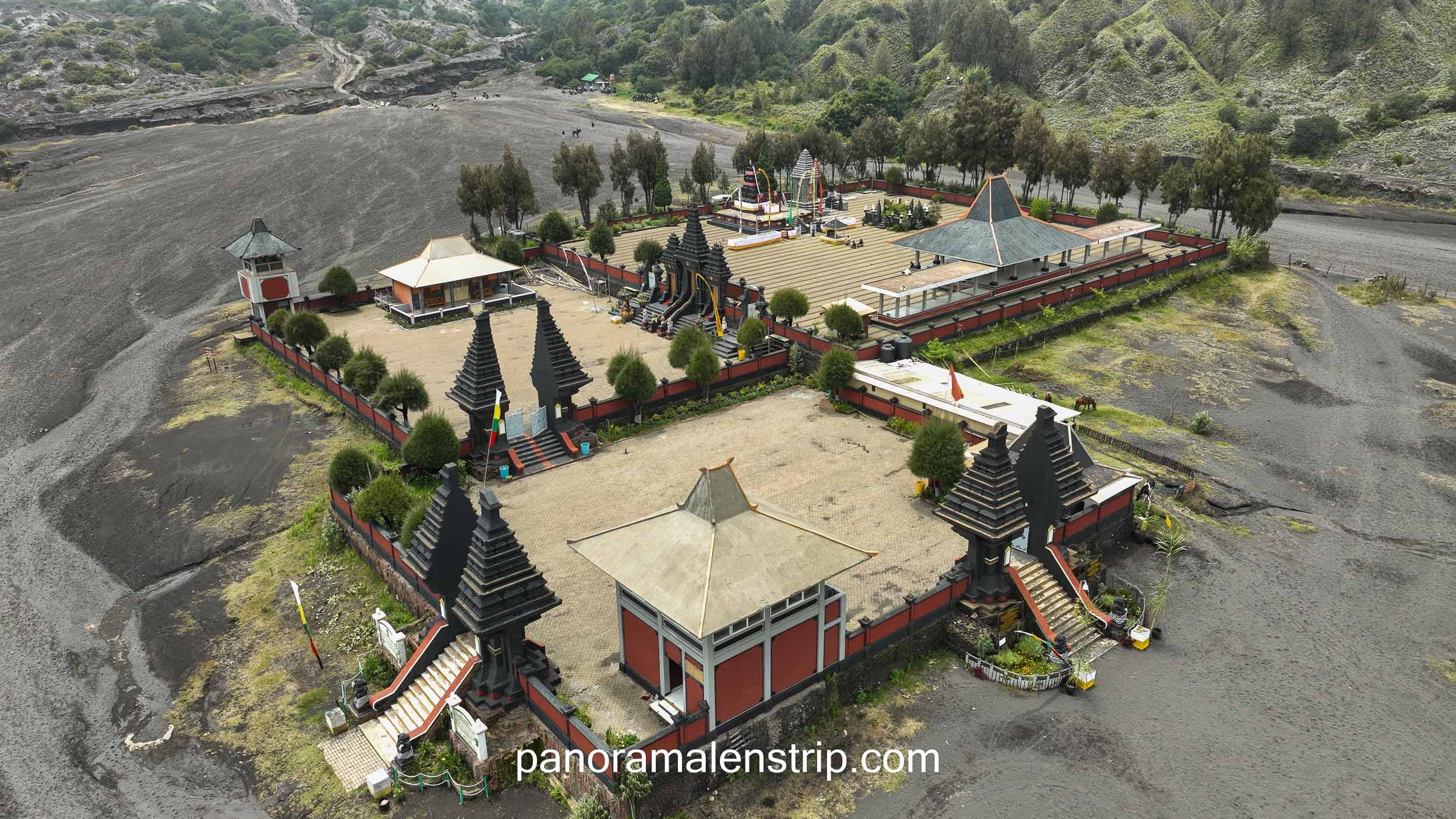
The ritual calendar of the Tenggerese follows a blend of Hindu and traditional Javanese timing systems, further preserving elements of pre-Islamic culture. Their temples—known as pura—resemble those found in Bali, hinting at a shared heritage preserved through centuries of isolation in the mountains.
Tenggeresse Role as Cultural Guardians
The Tengger people see themselves not just as practitioners of an ancient culture but also as its protectors. Their identity is deeply rooted in the belief that they are the descendants of Majapahit royalty. Because of this lineage, they consider it their responsibility to safeguard rituals, stories, and spiritual teachings passed down from their ancestors.
The dukun adat (traditional priests) play a crucial role as guardians of sacred knowledge. They lead ceremonies, interpret signs from nature, and ensure that ancient traditions remain intact in the face of modernization. Their dedication is a key reason why Majapahit-era values and myths survive so strongly in the Tengger highlands today.
Bromo Stories Across Generations
Oral Traditions and Folklore
Storytelling is at the heart of Tengger culture. Without relying heavily on written records, the community maintains its history and myths through oral tradition. Elders retell stories during village gatherings, religious ceremonies, and family events. These tales explain the origins of the Tengger people, the power of Mount Bromo, and the sacrifices made by their ancestors.
Sacred Tales Passed From Elders
Elders hold a respected position as the keepers of ancient wisdom. They pass down myths such as the story of Roro Anteng, Joko Seger, and Kesuma with great care, ensuring that each generation understands the moral lessons behind them. These tales are not mere entertainment—they are treated as sacred teachings that guide community values, decision-making, and spiritual beliefs.
How Mythology Shapes Modern Identity
Even in the modern world, Tenggerese identity remains strongly influenced by mythology. Young people grow up hearing stories about their ancestors’ courage, sacrifice, and divine connections. This instills a sense of pride and responsibility. The myths shape how they view their land, their rituals, and themselves. Many see their role in society as part of a continuous chain stretching back to Majapahit times.
This cultural identity is also reflected in their art, ceremonies, and even tourism activities, as they share their heritage with visitors from around the world.
Landscape and Mythological Interpretation
Caldera, Sea of Sand, and Symbolism
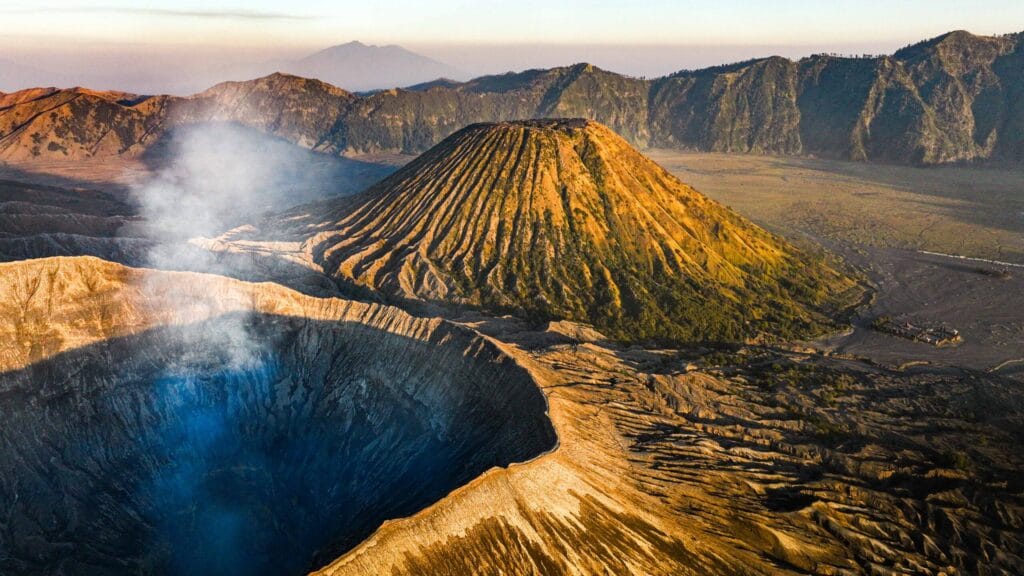
The dramatic landscape of Bromo—its vast caldera and sweeping Sea of Sand—holds deep symbolic meaning. The caldera represents the ancient cradle of the Tengger people, a sacred hollow where the gods shaped the land. The Sea of Sand symbolizes purity and the spiritual emptiness needed to receive divine messages. For the Tenggerese, these natural features are not just scenery but living symbols of their origin story.
Interpretation of Mountains as Deities
In Tengger mythology, mountains are considered the dwelling places of gods and ancestral spirits. Bromo is associated with the god Brahma, while surrounding peaks such as Semeru and Batok each possess their own spiritual significance. These mountains are seen as guardians who watch over the land and the people living around them.
Natural Phenomena as Spiritual Signs
Volcanic tremors, ash plumes, sudden weather shifts, and the sound of the crater are interpreted as signs from the gods. Rather than fearing these phenomena, the Tengger people pay close attention to them, believing they communicate warnings or blessings. An eruption, for instance, may be understood as a reminder to maintain harmony with nature and uphold ancient rituals.
Influence on Modern Tourism and Culture
Kasada Festival as a Cultural Attraction
The Kasada Festival has become one of the most iconic cultural attractions in East Java, drawing both domestic and international travelers to witness the spiritual heritage of the Tengger Tenggeresse. Held once a year during the 12th month of the Tenggerese calendar, the ceremony transforms the quiet volcanic landscape into a vibrant celebration of devotion, mythology, and community unity. Tourists gather before sunrise to watch the procession as villagers carry offerings up Mount Bromo’s slopes. Traditional music, chanting, and colorful woven garments create a powerful visual experience that reflects centuries of Majapahit influence and highlights the depth of Tengger culture and traditions.
Although the festival is sacred, its increasing visibility through tourism has introduced the wider world to Tengger culture and traditions. Visitors gain firsthand insight into ancient rituals, while the Tengger people benefit from opportunities to share their heritage and support local livelihoods through tourism-related activities. Despite this growing attention, the Tenggeresse remains committed to safeguarding the authenticity of Kasada, ensuring that its spiritual significance is never overshadowed by commercial interests.
Storytelling in Bromo Tourism
Storytelling plays an essential role in shaping the tourism experience around Mount Bromo. Local guides, often descendants of Tengger families, recount myths of Roro Anteng and Joko Seger, the sacrifice of Kesuma, and the spiritual powers believed to reside within the volcano. These stories enrich the journey for visitors and offer them a deeper appreciation of the land.
Hotels, homestays, and tour operators in the region often incorporate cultural narratives into their services. Through folklore, tourists learn that Bromo is not just a scenic viewpoint but a living heritage site where history, myth, and natural beauty are intertwined. This narrative approach helps strengthen cultural pride among locals, while encouraging respectful behavior from visitors.
Respect for Sacred Spaces
Despite growing tourism, the Tengger people emphasize the importance of preserving sacred spaces. Certain areas around Bromo, especially the crater, temples, and ritual paths, require special respect. Visitors are encouraged to avoid disruptive behavior, follow local guidance, and learn about the cultural significance of the places they explore.
Signboards, community-led briefings, and tourism education programs help ensure that the sacredness of Bromo is maintained. Local leaders and temple guardians work together to remind visitors that they are entering a living spiritual landscape. This approach has been largely successful in fostering a respectful atmosphere where culture and tourism coexist harmoniously.
Also read: Enjoy a Private Bromo Tour Package Experience
Preservation of Tengger Mythology
Efforts to Protect Traditional Beliefs
The Tengger people have taken significant measures to safeguard their mythology and rituals. Traditional leaders, dukun adat, remain central figures in preserving ancient knowledge. They teach younger generations about ceremonial procedures, sacred chants, and the symbolic meaning behind rituals.
Cultural centers and community gatherings also play a role in ensuring that storytelling, dance, and ceremonial arts continue to thrive. Documentation of oral history, often supported by researchers and cultural foundations, helps preserve myths for future generations. Through these efforts, the spiritual values inherited from Majapahit remain alive and relevant.
Also read: Bromo Tour Package from Surabaya: Travel Made Easy
Modern Threats to Cultural Heritage
Despite their resilience, the Tengger people face several challenges that threaten the survival of their cultural heritage. Modernization, social media influence, and shifting lifestyles among youth can weaken traditional practices. Tourism, while beneficial, also risks cultural dilution if rituals become overly commercialized or misunderstood.
Environmental threats—such as increased volcanic activity, climate change, and land-use pressures—also impact sacred sites and agricultural lands crucial to Tengger rituals. Additionally, the migration of young Tenggerese to urban areas for education or work sometimes disconnects them from their cultural roots.
Addressing these threats requires a careful balance between preserving tradition and adapting to modern times.
Education and Community Initiatives
To counter cultural erosion, the Tengger community has embraced education as a tool for preservation. Several schools in the region integrate local history, mythology, and traditions into their curriculum. Children learn the legends of Majapahit, the story of Roro Anteng and Joko Seger, and the meaning of rituals like Kasada.
Workshops, youth programs, and cultural festivals are organized to keep young people engaged in their heritage. Community-driven initiatives—supported by local leaders, tourism stakeholders, and academic institutions—strengthen cultural awareness and encourage a sense of pride among the younger generation.
These initiatives ensure that Tengger mythology remains a living, evolving tradition rather than a fading memory.
The Future of Majapahit–Tengger Mythology
Evolving Rituals in Modern Times
As society changes, Tengger rituals have naturally evolved while retaining their core essence. Certain ceremonial elements have been adapted to modern safety standards or environmental concerns. For example, the Kasada procession now includes community-organized safety protocols to manage large crowds and prevent accidents on the steep slopes of Bromo.
Music, clothing, and offerings may also incorporate modern influences, but the underlying spiritual significance remains unchanged. This adaptive approach ensures that mythology stays relevant without losing authenticity.
Young Tenggerese and Their Cultural Identity
Young members of the Tengger community play a crucial role in shaping the future of their cultural identity. Many are proud of their heritage and actively participate in rituals, tourism guiding, and cultural performances. Social media has become a platform where they share stories, photos, and videos about Tengger traditions—helping spread awareness globally.
However, the challenge remains to balance modern aspirations with ancestral responsibilities. Community leaders emphasize that cultural identity is not only about rituals but also about values like respect for nature, unity, and spiritual gratitude—principles deeply rooted in Majapahit philosophy.
Ensuring Continuity for Generations
The sustainability of Tengger mythology depends on collaboration across generations. Elders pass down knowledge; youth carry traditions forward; and the community at large works together to protect sacred sites. With increasing global recognition of cultural heritage, there is a growing emphasis on safeguarding Bromo’s spiritual landscape from environmental damage and commercial exploitation.
Community-based tourism programs, cultural education, and environmental conservation projects are among the strategies employed to ensure that the legacy of Majapahit and the Tenggeresse continues to flourish for centuries.
Conclusion
The mythology linking Majapahit and the Tenggeresse is a living testament to the strength of cultural memory. From the legend of Roro Anteng and Joko Seger to the sacred rituals at Mount Bromo, these stories shape the identity of an entire community. Despite modernization and environmental challenges, the Tengger people continue to uphold traditions that have survived for hundreds of years. Through education, community cooperation, and respectful tourism, their mythology remains vibrant—serving as a bridge between the past, present, and future.
Also read: Bromo Volcano Tour: A Complete Guide to an Epic Adventure
FAQs
What Is the Connection Between Majapahit and the Tenggeresse?
The Tenggeresse is believed to be descended from Majapahit royal lineage, specifically the mythical figures Roro Anteng and Joko Seger. Their customs preserve many Majapahit-era traditions.
Why Is MountBromo Sacred?
Mount Bromo is sacred because it is seen as the dwelling place of gods and ancestral spirits. It is also central to myths such as the sacrifice of Kesuma.
What Is the Meaning of Tanah Hila Hila?
“Tanah Hila Hila” refers to spiritually charged or forbidden land—places where the physical and spiritual realms meet. Bromo is considered one such sacred space.
What Is the Kasada Ritual?
Kasada is an annual Tengger ritual where offerings are thrown into the Bromo crater to honor gods and ancestors, rooted in the ancient Majapahit legacy.
How Is Tengger Culture Preserved Today?
Culture is preserved through oral traditions, rituals, education programs, community initiatives, and careful management of tourism to protect sacred practices.
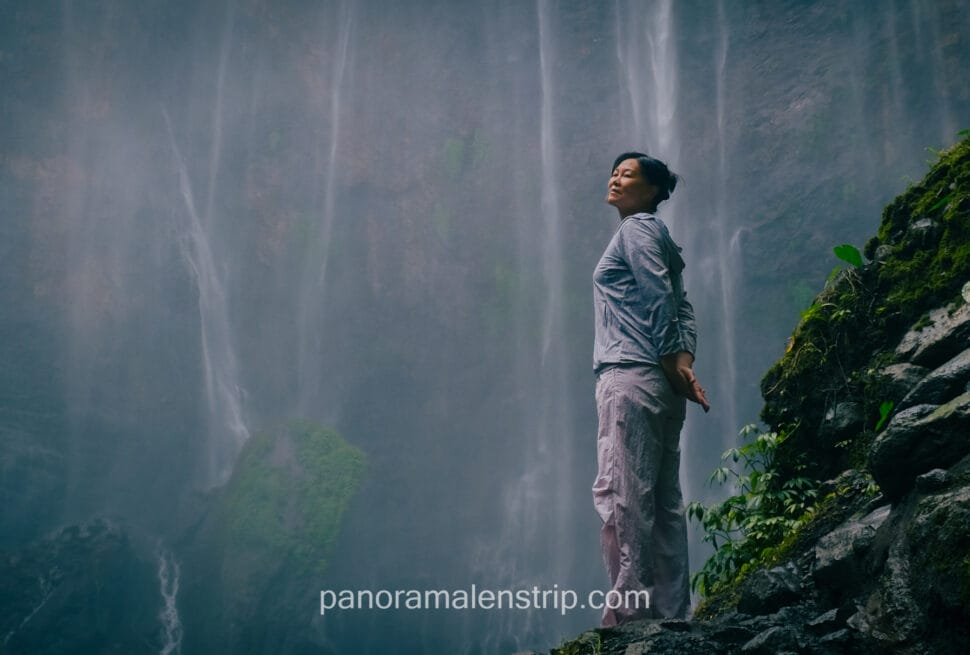

[…] Ancestral spirits play a central role in Tengger belief. Families honor ancestors through small household shrines. Many rituals aim to maintain balance between humans and the unseen realm. Nature worship is equally important for the Tenggerese. Mountains and forests are believed to hold spiritual power. Elements of nature also reflect ancient Javanese Hindu-Buddhist cosmology. This view sees the natural world as an extension of the divine. It strengthens the belief that Mount Bromo is a sacred space. Tenggerese people see the area as home to gods and protective spirits. […]
[…] while Kasada refers to the twelfth month in the Tenggerese lunar calendar. Together, they describe a ritual of devotion performed at Mount Bromo. The Yadnya Kasada Bromo festival traces its roots to ancient Javanese Hindu traditions that […]