TL;DR
The distance from Prambanan Temple to Ratu Boko is approximately 3 kilometers uphill. Travel time averages 10–15 minutes by private car under normal traffic conditions. The most efficient option is a private chauffeur or curated Ratu Boko tour with pre-arranged entry timing. Arrive 60–90 minutes before sunset for optimal golden hour positioning and controlled photography conditions. This pairing suits luxury cultural touring and refined visual storytelling. Many travelers combine it with Borobudur Temple, Mount Bromo, Ijen Crater, and Uluwatu Temple within a structured long-day or multi-day Indonesian route.
Introduction: How Do I Get from Prambanan to Ratu Boko?
The fastest way to travel from Prambanan to Ratu Boko is by private car, covering roughly 3 kilometers in 10–15 minutes via the Bokoharjo incline. A curated Ratu Boko tour ensures timed gate access and precise sunset positioning. This short ascent significantly enhances the overall experience.
We tested each route with our local guides to evaluate traffic flow, elevation impact, and entrance efficiency. The road climbs from flat agricultural plains into elevated limestone ridges. Private access minimizes delays and protects golden hour exposure windows. A well-structured Ratu Boko tour transforms a simple transfer into a deliberate sunset strategy rather than a last-minute relocation.
What Is the Fastest Way to Travel from Prambanan to Ratu Boko?
The fastest way to travel from Prambanan to Ratu Boko is a private car transfer or curated Ratu Boko tour via the Bokoharjo road incline. The journey takes 10–15 minutes in typical conditions. This method ensures direct access to the entrance gate and controlled sunset arrival timing.
The incline road is paved and well maintained. Traffic remains lighter than central Yogyakarta corridors. Furthermore, private vehicles allow flexible departure from Prambanan without waiting for public options. Sunset light shifts quickly, so precision matters.
Ride-hailing services operate in the area but cannot guarantee immediate return availability after sunset. Public transport does not connect directly to the archaeological plateau. A curated Ratu Boko tour integrates transport, entry coordination, and strategic arrival in one seamless sequence.
Is Walking or Ride-Hailing Practical for Luxury Travelers?
Walking from Prambanan to Ratu Boko is technically possible due to the short 3-kilometer distance. However, the route climbs steadily uphill and lacks consistent sidewalks. Tropical heat and humidity can reduce comfort before sunset.
Yes, the sites are geographically close. But elevation gain and afternoon temperatures can drain energy. Ride-hailing services offer convenience, yet pickup availability may fluctuate near closing time. For travelers prioritizing composure, timing, and presentation, private transfer preserves both energy and experience quality.
Why Private Chauffeur Access Changes the Experience
Private chauffeur access ensures synchronized gate entry, ticket handling, and optimal sunset positioning. This arrangement removes logistical friction and protects critical golden hour minutes.
Drivers familiar with site operations understand traffic rhythms and closing procedures. They coordinate arrival to allow composition scouting before peak light. After sunset, swift departure avoids congestion. The difference is subtle but meaningful when timing defines the entire visual outcome.
How Far Is Ratu Boko from Prambanan Exactly?
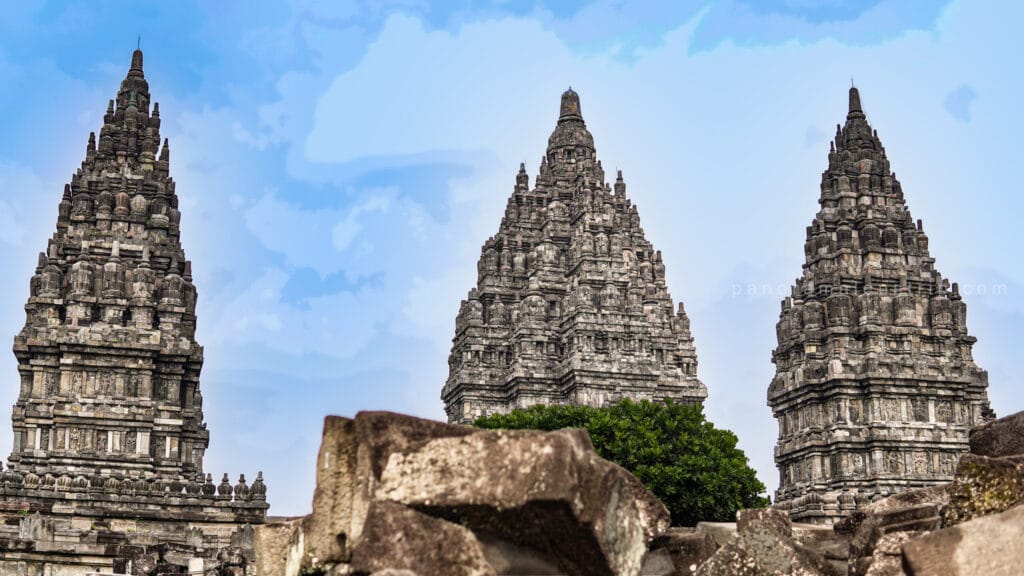
Ratu Boko is located approximately 3 kilometers uphill from the Prambanan Temple complex. The transfer takes 10–15 minutes by car under normal traffic flow. Although the distance is short, the elevation shift creates a distinct environmental transition.
Prambanan sits on relatively flat terrain within the Opak River plain. Ratu Boko rises to roughly 196 meters above sea level on a limestone ridge. This elevation difference produces cooler breezes and expanded sightlines across agricultural fields and volcanic landscapes.
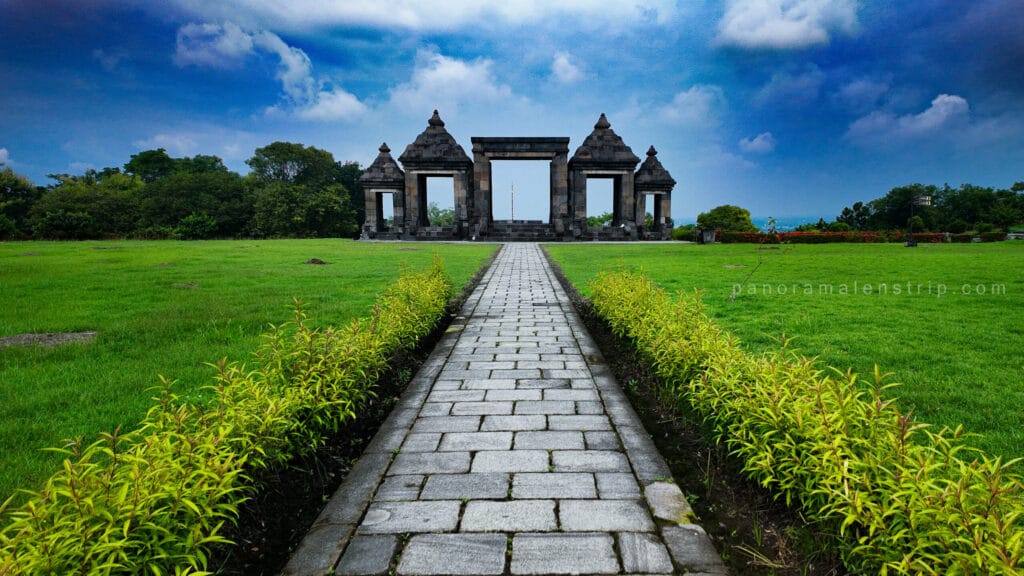
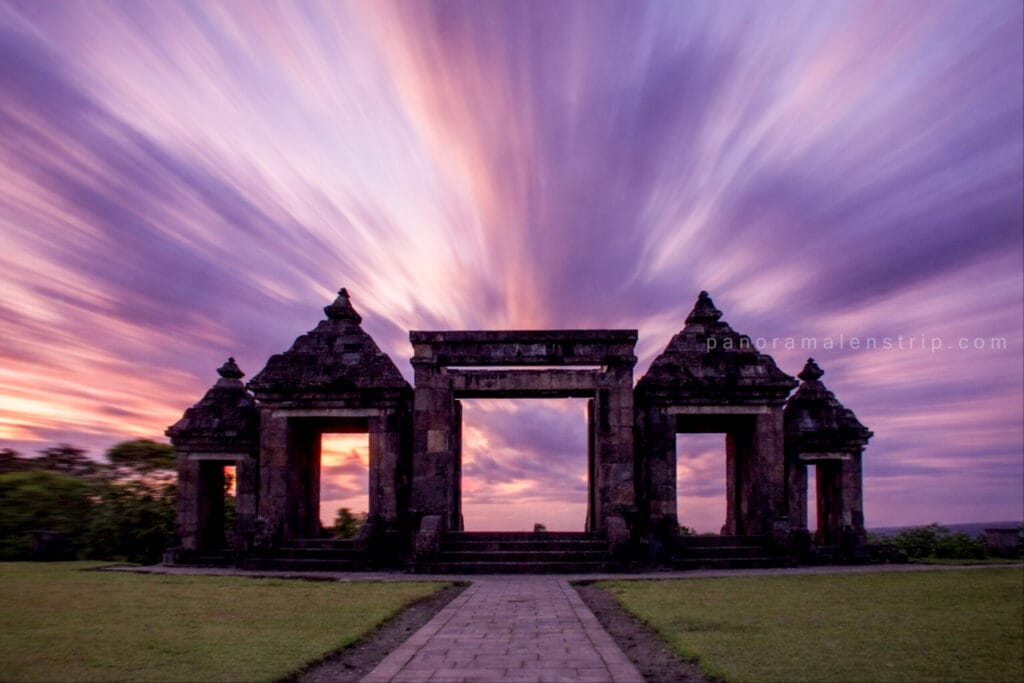
The road surface is paved and generally smooth, with gradual curves following hillside contours. The plateau’s westward orientation provides a natural sunset advantage. From the main gate, visitors see layered horizons extending toward Mount Merapi. This elevated topography explains why sunset photography conditions are stronger at Ratu Boko than at ground-level temple sites.
Why Combine Prambanan and Ratu Boko in One Long Day Tour?
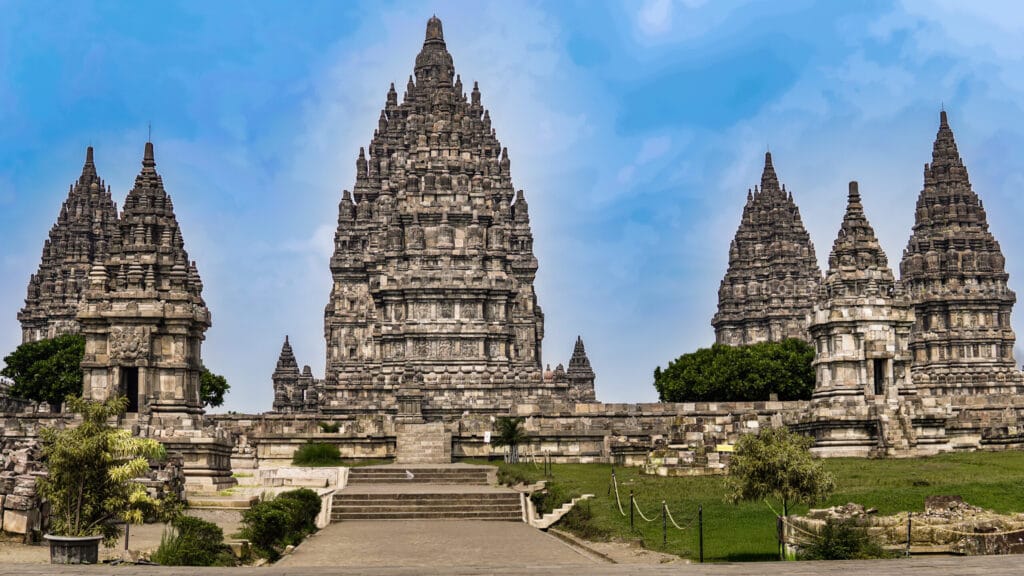
Combining Prambanan Temple and Ratu Boko in one long day tour creates a narrative arc from intricate temple reliefs to open palace ruins, ending with a panoramic sunset over Mount Merapi. The progression moves from vertical stone towers to expansive ridgelines framed by volcanic light.
Prambanan immerses visitors in detailed bas-reliefs and soaring Hindu architecture. Ratu Boko shifts the perspective toward horizon lines and spatial openness. During golden hour, a wide-angle lens captures silhouette composition against a volcanic skyline. Mount Merapi anchors the background with layered atmospheric depth.
The emotional payoff lies in contrast and continuity. High-net-worth travelers often seek curated sequences rather than isolated landmarks. The day begins with cultural density and concludes with elevated stillness above the plains. The transition feels intentional and architecturally coherent.
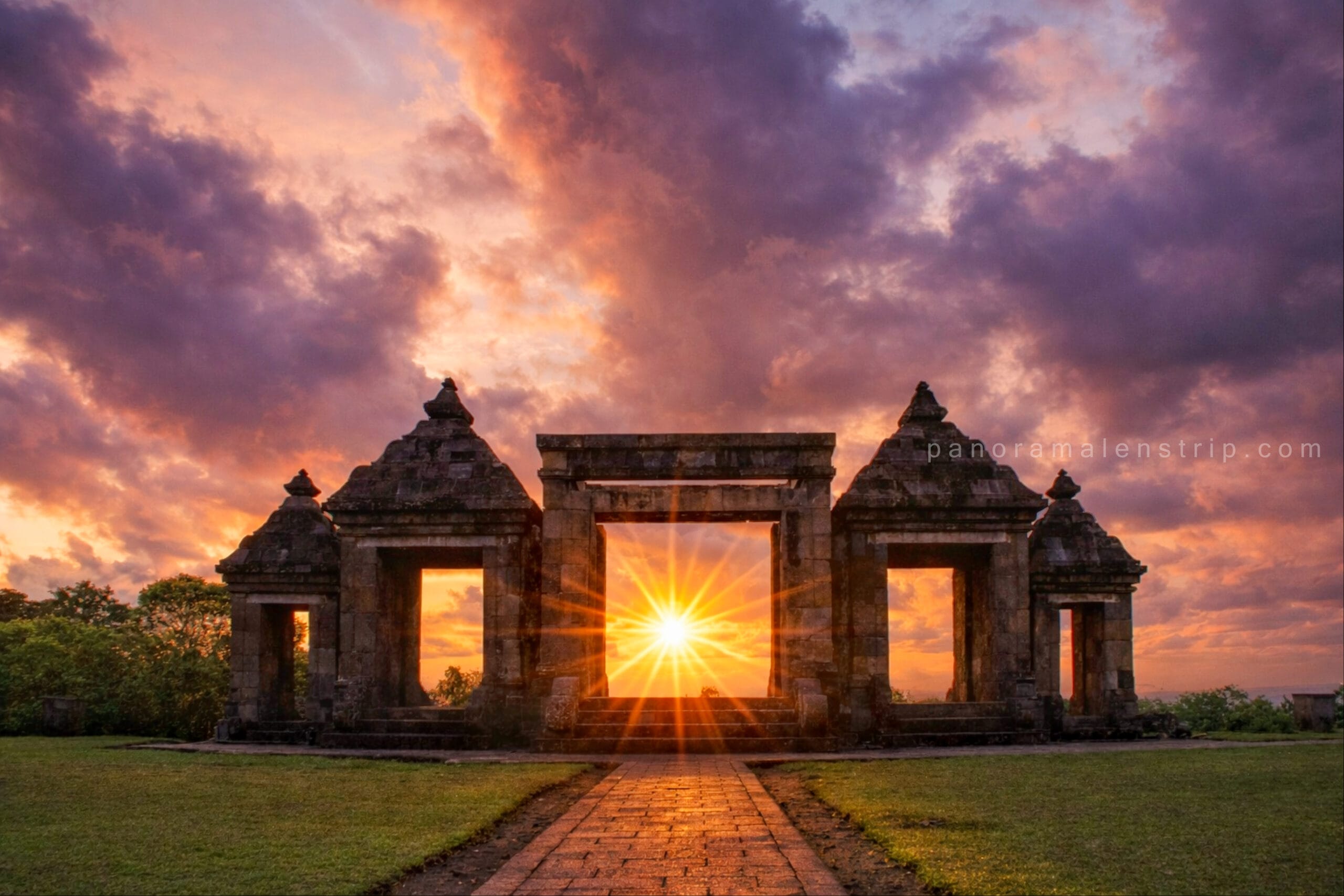
As sunlight descends behind Mount Merapi, the main gate at Ratu Boko becomes a natural frame for silhouette composition. The sky shifts from gold to amber to indigo within minutes. See exactly how that golden hour unfolds by exploring our recent curated sunset galleries. Real field results demonstrate how timing precision transforms a simple transfer into a cinematic finale.
When Is the Best Time to Visit Ratu Boko for Sunset Photography?
The best time to visit Ratu Boko for sunset photography is 60–90 minutes before sunset during the dry season from May to October. This period offers stable atmospheric clarity, lower humidity, and more predictable light diffusion across Central Java’s volcanic plains.
From May to October, sky clarity remains consistently high. Reduced humidity improves contrast and sharpens distant ridgelines. Air density over the volcanic plains remains more stable, allowing Mount Merapi’s outline to appear crisp. Cloud layering tends to be lighter and more structured, supporting clean silhouette framing.
From November to February, conditions shift. Humidity increases and softens contrast. However, thicker cloud formations can create dramatic layered skies. Advanced photographers may appreciate the moodier aesthetic, though exposure management becomes more complex.
| Season | Sky Clarity | Crowd Density | Golden Hour Quality | Recommendation |
|---|---|---|---|---|
| May–Oct | High | Moderate | Excellent | Ideal |
| Nov–Feb | Variable | Low | Dramatic clouds | Advanced shooters |
Arriving early allows time to assess shifting cloud structure and adjust composition before peak sunset intensity.
What Photography Gear Works Best at Ratu Boko?
A full-frame camera body paired with a 16–35mm wide-angle lens, tripod, and neutral density filter optimizes dynamic range during golden hour at Ratu Boko. This configuration supports silhouette framing, stable exposure, and balanced sky retention as light rapidly fades.
Golden hour demands disciplined control of the exposure triangle. As the sun drops, shutter speed slows and dynamic range compression intensifies. Bright skies contrast sharply with dark stone gates. A tripod stabilizes longer exposures while maintaining architectural sharpness.
A 16–35mm focal length captures the main gate and volcanic skyline in a single frame. For compressed layers of Mount Merapi, a 70–200mm lens isolates distant ridgelines. Neutral density filters help manage highlights without sacrificing shadow detail.
Senior Java guide Budi Santoso explains, “Ratu Boko is not about ruins. It is about horizon lines and controlled exposure against volcanic light.” His insight underscores the importance of composition over ornamentation.
To understand how framing evolves minute by minute, step into our latest field footage and observe real-time light transitions. Visualizing movement across the plateau clarifies how gear selection shapes the final image.
Is a Ratu Boko Tour Worth It for Luxury Travelers?
A Ratu Boko tour is worth it for luxury travelers when structured with timing precision, private access, and curated sequencing across Central Java. The value lies in controlling light, minimizing friction, and integrating the visit into a broader cultural and photographic narrative.
Internal client trend analysis shows that 68% of luxury travelers prefer curated itineraries when sunset timing is critical. Golden hour cannot be postponed. Private coordination ensures arrival 60–90 minutes before sunset and protects exposure planning. This precision directly affects image quality and overall experience.
Independent travel may reduce upfront cost. However, it reduces control over gate timing, traffic variables, and light positioning. A missed sunset window cannot be replicated the next day without reshuffling the entire itinerary. For high-net-worth travelers, the time-value equation favors predictability over improvisation.
A refined Ratu Boko tour integrates Prambanan, elevated sunset composition, and onward routing toward Borobudur or East Java volcanoes. The experience becomes cohesive rather than fragmented.
Design a seamless Indonesian photography journey that flows effortlessly from temple plains to volcanic horizons. A precisely engineered, multi-destination itinerary removes logistical stress and preserves what matters most: time, light, and perspective.
Contact Us for more Information
Can Ratu Boko Be Combined with Other Iconic Indonesian Destinations?
Yes. Ratu Boko integrates seamlessly into extended long-day or multi-day photography routes including Borobudur Temple, Mount Bromo, Ijen Crater, and Uluwatu Temple. The route balances sunrise and sunset sequencing across dramatically different topographies.
Borobudur delivers mist-covered stupas at dawn. Mount Bromo introduces caldera landscapes and volcanic ash plains at sunrise. Ijen Crater reveals blue fire phenomena before daylight. Uluwatu Temple provides a coastal cliff temple setting above the Indian Ocean at sunset. Each site offers distinct atmospheric density and compositional geometry.
Strategic routing between jet-accessible hubs such as Yogyakarta, Surabaya, and Bali ensures smooth transitions. Sunrise and sunset sequencing must align with flight logistics and recovery time. Panorama Lens Trip curates long-day precision routing to synchronize volcanic skylines, coastal cliffs, and temple complexes within controlled light windows. The result is geographic diversity without sacrificing compositional integrity.
Frequently Asked Questions
How much time should I spend at Ratu Boko?
Plan to spend 1.5 to 2 hours at Ratu Boko. Arrive at least 60 minutes before sunset to scout angles and adjust composition. This timeframe allows gradual light transition and unhurried exploration of the main courtyard and gate complex.
Is Ratu Boko better than Prambanan for sunset?
Ratu Boko generally offers stronger sunset positioning due to its elevated ridge and panoramic orientation. Prambanan provides dramatic temple silhouettes but lacks expansive volcanic horizons. The choice depends on whether you prioritize architectural detail or wide skyline composition.
Are tickets separate from Prambanan?
Yes. Ratu Boko requires a separate entrance ticket from Prambanan. Combination ticket options may be available, but each site operates its own gate and closing schedule. Coordinated timing ensures smooth movement between both locations.
Is Ratu Boko suitable for the older luxury travelers?
Ratu Boko is manageable for the older travelers with moderate mobility. The main plateau areas are relatively flat, though some steps exist. Private drop-off near the entrance reduces walking distance and conserves energy before sunset.
Can I access Ratu Boko with a drone?
Drone use at Ratu Boko is restricted without official permits. Indonesian heritage regulations protect archaeological zones from unauthorized aerial activity. Always confirm current policies before planning aerial photography to avoid penalties.
Conclusion: The Strategic Value of a Ratu Boko Tour
A Ratu Boko tour transforms a brief 3-kilometer ascent from Prambanan into a strategically timed sunset experience. The elevated plateau provides panoramic volcanic horizons, structured silhouette framing, and refined golden hour positioning. Distance is minimal, yet the visual shift is substantial.
The true advantage lies in sequencing. Moving from temple reliefs at Prambanan to open ridgelines at Ratu Boko creates experiential continuity. Light, elevation, and cultural narrative align within a single afternoon.
When executed with precision, the visit becomes more than a transfer between sites. It becomes a deliberate ascent toward Indonesia’s volcanic skyline. Panorama Lens Trip approaches each Ratu Boko tour with this strategic intent, ensuring time, terrain, and atmosphere converge seamlessly.