
Tumpak Sewu Waterfall is one of Indonesia’s most breathtaking natural attractions, but many travelers ask the same question before visiting: how difficult is the hike? This guide explains the Tumpak Sewu waterfall hike difficulty in simple terms, covering terrain, safety, routes, and preparation. Whether you are an experienced hiker or a casual traveler, understanding what to expect will help you plan with confidence. From steep descents and slippery rocks to the best viewpoints and access routes, this article focuses on what truly matters for a safe and rewarding visit. If you are deciding whether the descent to the base is right for you—or if the upper viewpoints are enough—this guide gives you the facts you need before stepping onto the trail.
What Is Tumpak Sewu Waterfall?
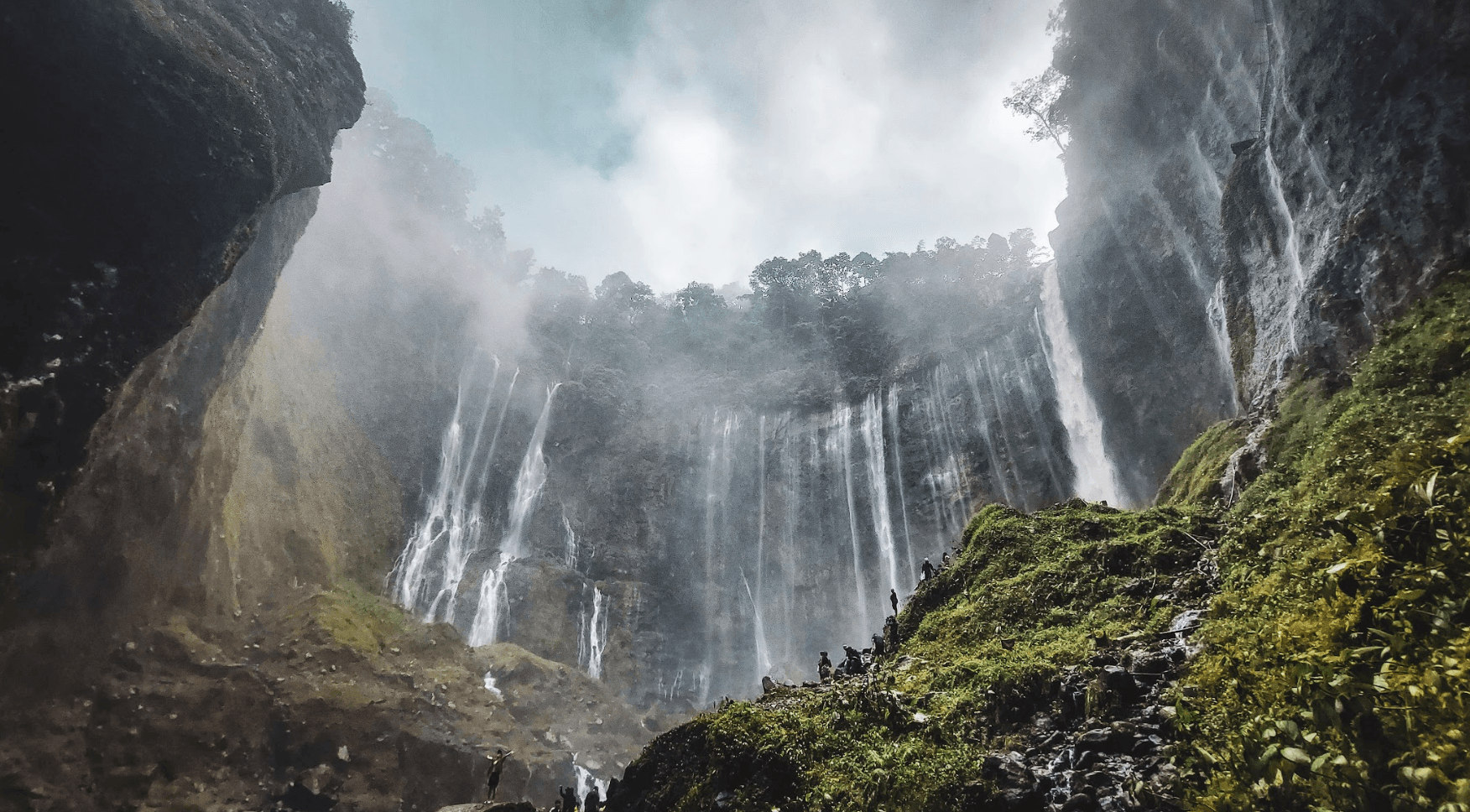
Tumpak Sewu Waterfall is a spectacular natural landmark located in East Java, Indonesia, near Lumajang Regency. Fed by the Glidik River, the waterfall pours over a wide cliff in dozens of streams, creating a dramatic curtain of water. Its name means “a thousand waterfalls,” which perfectly describes its unique appearance.
What makes Tumpak Sewu famous is its amphitheater-like shape. From above, visitors can see water flowing in a semicircle into a deep green gorge. From below, towering cliffs surround the falls, creating a cinematic view unlike any other waterfall in Southeast Asia. This combination of scale, beauty, and raw nature makes it a favorite among photographers, hikers, and adventure travelers from around the world.
Where Is Tumpak Sewu and How to Get There
Tumpak Sewu Waterfall is located on the border of Malang and Lumajang in East Java. Most travelers reach it from Malang, which is about a 2–3 hour drive by car or motorbike. From Lumajang, the journey is slightly shorter. The final access roads pass through small villages and plantation areas before reaching the parking area.
At the entrance, visitors pay a ticket fee and walk to the main viewpoints, which are easy to reach on flat paths. These viewpoints already offer stunning views of the waterfall. From here, hikers can choose to descend to the base. Basic facilities such as parking, restrooms, and small food stalls are available near the entrance.
Tumpak Sewu Waterfall Hike Difficulty Overview
The Tumpak Sewu waterfall hike difficulty is best described as moderate to challenging. While no technical climbing is required, the trail involves steep descents, narrow paths, bamboo ladders, ropes, and slippery rocks. The final section includes walking through a shallow river over uneven stones.
This hike is suitable for travelers with basic fitness and good balance. You should be comfortable with heights, wet terrain, and continuous downhill walking followed by a demanding climb back up. Most visitors take 30–45 minutes to reach the base and up to 60–75 minutes to return, depending on fitness and crowd levels. If you prefer easier walks or have knee or mobility issues, the upper viewpoints provide an excellent alternative without the physical challenge.
Routes to the Base and Their Difficulty
There are two main routes to reach the bottom of Tumpak Sewu, and each affects the overall Tumpak Sewu waterfall hike difficulty in different ways.
Main Descent via Bamboo Ladders
This is the most direct and popular route. It begins near the main viewpoint and drops steeply down the cliff using a combination of steps, bamboo ladders, and rope-assisted sections. The descent is short but physically demanding. In dry conditions, it feels manageable for most fit travelers. When wet, however, the ladders and steps become slippery. Because this route is well known, it is often crowded, especially during mid-morning hours. Waiting at narrow sections can increase fatigue and reduce footing confidence.
Side Path via Goa Tetes Area
The alternative route passes near Goa Tetes, a cave-like waterfall area. This path is longer and less steep than the main descent but involves more uneven terrain and river walking. It is generally less crowded, making it more comfortable for hikers who prefer space and a steadier pace. However, the extra distance and water crossings can add to the challenge.
Comparison: The main route is steeper but faster, while the Goa Tetes path is longer but slightly less vertical. Both require careful footing and are best attempted with proper footwear.

Trail Conditions and Terrain Factors
Understanding the trail conditions is essential when judging the Tumpak Sewu waterfall hike difficulty. The terrain changes frequently, combining made – of structures with natural obstacles.
Steps, Ladders, and Ropes
The upper sections of the trail include concrete steps, bamboo ladders, and ropes fixed along steep rock faces. These aids make the descent possible without climbing equipment, but they demand balance and focus. Some ladders are narrow, and the drop below can feel intimidating. During busy hours, hikers often need to wait their turn, increasing physical strain.
Rocks, Mud, and River Crossings
Closer to the base, the path becomes natural terrain. Expect wet stones, muddy patches, and shallow river crossings. Water from the falls keeps the ground damp year-round. In the rainy season, mud becomes thicker and rocks more slippery, raising the risk of slips. This final section is where many visitors feel the hike is most challenging.
Overall, the mix of steep structures and slippery natural surfaces is what defines the difficulty of this hike.
Fitness Level and Experience Needed
The hike to Tumpak Sewu’s base does not require advanced hiking skills, but it does require reasonable fitness. Beginners who are comfortable walking on uneven ground and climbing stairs for extended periods can complete it at a slow, careful pace. Good balance and strong grip are important for using ladders and ropes safely.
For experienced hikers, the trail will feel demanding but manageable. The biggest challenge is not technical skill, but endurance and concentration. The descent is easier than the return climb, which can be tiring after spending time at the waterfall. Travelers with knee issues, poor stability, or fear of heights may find the hike uncomfortable.
In short, the Tumpak Sewu waterfall hike difficulty suits active travelers who can maintain steady footing, control their movement, and stay focused on slippery terrain.
Best Time to Hike for Easier Conditions
Timing plays a major role in how difficult the hike feels. The dry season, from May to October, offers the safest and easiest conditions. Trails are less muddy, river levels are lower, and ladders provide better grip.
The rainy season, from November to April, increases the Tumpak Sewu waterfall hike difficulty. Rain makes rocks slick, mud deeper, and water crossings stronger. Heavy rain can also reduce visibility and safety.
Morning is the best time of day to hike. Crowds are smaller, temperatures are cooler, and weather is more stable. Afternoon visits often mean more visitors and a higher chance of rain, which can make the trail more dangerous.
Safety Risks and How to Reduce Them
Understanding potential hazards is essential when evaluating the Tumpak Sewu waterfall hike difficulty. While the trail is manageable with preparation, several risks deserve attention.
Slips and Falls
Wet stone, mossy steps, and smooth bamboo ladders create the most common danger. Slips usually happen when hikers rush or wear poor footwear. Reduce risk by wearing shoes with strong grip, keeping three points of contact on ladders, and moving slowly through narrow sections.
Flash Floods and Weather
Sudden rain upstream can increase water flow in the river near the base. During heavy rainfall, water levels may rise quickly and reduce safe crossing points. Always check the weather forecast before starting the hike. If rain begins while you are descending and the river flow increases, turn back immediately.
Crowds and Bottlenecks
At peak hours, ladders and rope sections become congested. Waiting on steep paths can increase fatigue and reduce stability. To stay safe, hike early in the morning, allow space between hikers, and avoid overtaking in narrow areas. Patience is key. Most accidents occur when people rush.
With the right timing, footwear, and awareness, the hike remains challenging but safe for most visitors.

What to Wear and Bring
Proper gear can significantly reduce the Tumpak Sewu waterfall hike difficulty and improve safety.
Footwear is the most important choice. Wear trail shoes or hiking boots with deep tread and strong grip. Avoid sandals, flip-flops, or smooth-soled sneakers.
Gloves are useful for gripping bamboo ladders and ropes, especially when wet. Lightweight, quick-dry gloves work best.
Water and snacks are essential. Bring at least one liter of water and a small energy snack. There are no shops at the base.
Rain shell or light jacket is recommended, even in the dry season. Mist from the falls and sudden showers can leave you soaked and cold.
Also consider a waterproof phone pouch, a small towel, and sunscreen for the exposed upper areas. Keep your backpack light and secure so it does not affect balance. Simple preparation can turn a demanding hike into a comfortable adventure.
Step-by-Step: How to Tackle the Descent
Start at the parking area, where you purchase your entrance ticket. From there, walk along a flat path to the main viewpoint, which offers panoramic views of the waterfall. Take a moment here to assess weather and crowd levels.
Next, follow signs toward the descent and reach the ladder section. Move slowly down the steps and bamboo ladders, using ropes for balance. Keep your weight centered and allow others to pass at safe points.
As the trail levels out, you will enter the river zone. Walk carefully across wet stones and shallow water, following the established path. This section is slippery, so test each step before shifting weight.
Finally, reach the base of the waterfall. Stand at a safe distance from falling water and rock edges. After enjoying the view, begin the climb back up early enough to avoid fatigue. The return is often the hardest part of the hike.
Tumpak Sewu vs Other Indonesian Waterfall Hikes
Compared to other famous Indonesian waterfalls, the Tumpak Sewu waterfall hike difficulty is among the highest.
- Madakaripura Waterfall (East Java) offers a long walk through a canyon with water pouring from the walls. It is physically demanding but less steep and technical than Tumpak Sewu.
- Sekumpul Waterfall (Bali) involves many steps and river crossings. It is challenging but more gradual, with fewer ladders and exposed drops.
- Gitgit Waterfall (Bali) is the easiest of the three. The path is well-maintained and suitable for casual walkers.
In comparison, Tumpak Sewu stands out for its steep descent, bamboo ladders, and slippery terrain. While the views are more dramatic, the hike requires greater caution and fitness. For travelers seeking both beauty and adventure, it delivers one of Indonesia’s most intense waterfall experiences.
Common Mistakes to Avoid
Several simple mistakes can make the Tumpak Sewu Waterfall feel much harder than it needs to be. The most common error is wearing the wrong shoes. Smooth soles and sandals offer little grip on wet rock and bamboo ladders. Another frequent mistake is starting too late in the day. Afternoon crowds increase waiting time on narrow sections, and rain is more likely later in the day.
Many visitors also underestimate the climb back up. The descent feels manageable, but the return requires steady strength and balance. Carrying heavy bags, rushing through slippery areas, and ignoring changing weather conditions further increase risk. To avoid problems, start early, pack light, wear proper footwear, and always assess trail conditions before continuing. Smart preparation keeps the hike challenging but safe.
Is Tumpak Sewu Suitable for Families and The Older?
The hike is best suited for fit adults and teenagers who are comfortable on steep and slippery terrain. For families with young children, the descent to the base is not recommended due to ladders, narrow paths, and river crossings.
For older or travelers with knee, balance, or mobility issues, the Tumpak Sewu waterfall hike difficulty may be too demanding. However, the upper viewpoints are easily accessible and provide stunning panoramic views without any physical risk. These viewpoints allow all visitors to enjoy the beauty of the waterfall without attempting the challenging descent.

Conclusion
The Tumpak Sewu waterfall hike difficulty is moderate to challenging, but it is achievable with the right preparation. Start early, wear proper gear, and respect weather conditions. Plan wisely, and you will experience one of Indonesia’s most spectacular natural wonders safely.
FAQs
Is the Tumpak Sewu hike dangerous?
It can be risky due to steep ladders and slippery terrain. With proper footwear and caution, most visitors complete it safely.
How long does the hike take?
The round trip usually takes 1.5 to 2 hours. Time varies based on fitness, crowds, and weather.
Can beginners do the hike?
Yes, fit beginners can manage it. However, balance and careful movement are essential.
Is the hike harder going down or up?
The descent is technical, but the climb back up is more physically demanding.
What is the best season to hike Tumpak Sewu?
The dry season from May to October offers safer trail conditions. Rain increases difficulty and risk.
Do I need a guide for the hike?
A guide is not required. Confident hikers can follow the marked trail independently.
Can I visit without hiking to the base?
Yes, the upper viewpoints provide excellent views without any physical challenge.
Is it suitable for children?
It is not recommended for young children. The trail includes ladders, narrow paths, and river crossings.